
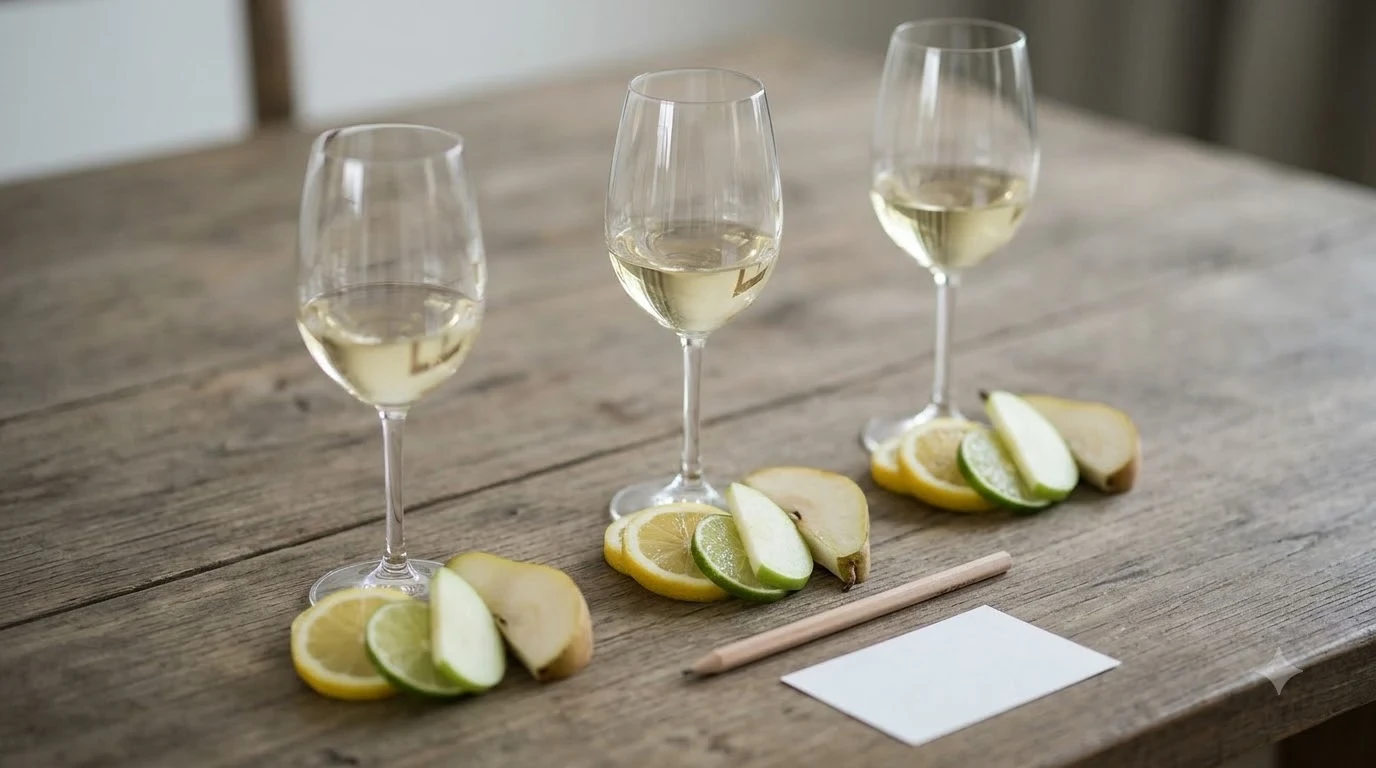

We may earn a commission when you buy through links on this page, at no extra cost to you. Learn more.
Is chenin blanc sweet or dry? Both, depending on the style. Chenin blanc is a white grape that makes everything from bone-dry wines to lusciously sweet dessert wines. The label rarely says which one you are getting, so the region, producer and style name are the best clues. Dry examples are common in South Africa and the Loire Valley, while sweet versions come from specific Loire appellations.
Chenin blanc confuses many wine drinkers because the grape is so flexible. A bottle from one region can taste crisp and mineral, while a bottle from another can taste rich with honey and quince. This guide explains how to tell the two apart, which regions make each style, and how to choose a bottle that matches what you want to drink.
Why Chenin Blanc Can Taste Sweet or Dry
Sweetness in wine comes from residual sugar, the grape sugar left after fermentation. Winemakers control that number by stopping fermentation early, by using very ripe grapes that give a sweeter starting point, or by letting noble rot concentrate the sugars on the vine. Chenin blanc responds to all of these methods, which is why the same grape can produce such different wines.
According to Wine Folly’s Chenin Blanc guide, the grape ranges from bone dry to lusciously sweet, and style decides the difference. The same guide notes that chenin blanc carries high acidity in every style. That acidity is what keeps sweet chenin from tasting flat and what gives dry chenin its crisp finish.
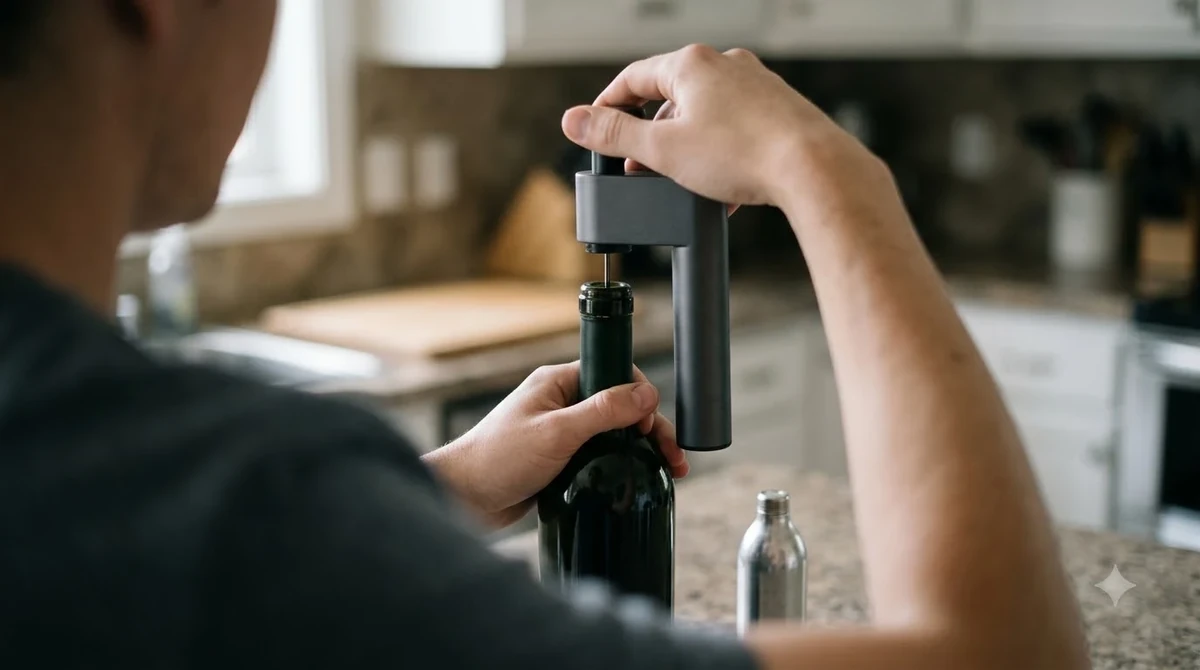
Dry Chenin Blanc: Where It Comes From
Dry chenin blanc is most often found in South Africa and the Loire Valley in France. In South Africa, cooler coastal areas such as Elgin and Walker Bay produce green apple, pear and citrus wines with a crisp, clean finish. Warmer inland areas such as Swartland and Paarl make fuller wines with tropical fruit and more body, though they usually stay dry.
In the Loire, Anjou makes crisp, mineral-driven wines that suit a simple dinner. Savennières, also in the Loire, produces oak-aged dry chenin with enough structure to age for years. If you want a dry style to drink now, a young chenin from a cool coastal area is usually the safest starting point.
| Style | Typical flavors | Where to look |
|---|---|---|
| Crisp, dry | Green apple, pear, citrus | Elgin, Walker Bay, Anjou |
| Full-bodied, dry to off-dry | Tropical fruit, richer texture | Swartland, Paarl |
| Oak-aged, dry | Nutty, savory, age-worthy | Stellenbosch, Franschhoek, Savennières |
| Off-dry to sweet | Quince, honey, dried fruit | Vouvray |
| Sweet dessert | Apricot, fig, botrytis honey | Coteaux du Layon, Bonnezeaux, Constantia |
Sweet Chenin Blanc: Where to Find It
Sweet chenin blanc takes more effort to make, which is why it often costs more than dry bottles. The sweetest wines usually come from grapes affected by noble rot, a mold that dehydrates the berries and concentrates their sugar. In the Loire, Coteaux du Layon, Bonnezeaux and Quarts de Chaume produce botrytis-affected sweet wines, according to Wine Folly.
In South Africa, Constantia makes sweet chenin with apricot and fig flavors. Vouvray, also in the Loire, produces off-dry (demi-sec) and sweet styles with quince and honey notes. Many Vouvray bottles state their sweetness on the label, so check the wording before you buy if you prefer a specific level.
Reading the Label for Sweetness
Chenin blanc labels can be vague, so a few terms help. The word sec on a French label means dry, while demi-sec means off-dry, and moelleux or doux signal sweetness. In South Africa, producers may use the words dry or off-dry, and many list residual sugar on a technical sheet rather than the label itself.
If you cannot find a clear word on the bottle, look up the producer or the region’s sweetness conventions before buying. A quick check saves a surprise at the dinner table.
How to Serve Chenin Blanc
Serve dry chenin well chilled, around 45 to 50 degrees Fahrenheit, in a standard white wine glass. Sweet chenin tastes best slightly colder, and a small glass is enough because the sugar and acidity together feel rich. Decanting is rarely needed for young chenin, but older oak-aged bottles can benefit from a short rest before pouring.
Dry chenin pairs well with seafood, roast chicken and creamy sauces, since the acidity cuts through richness. Sweet chenin works with blue cheese, fruit tarts and spicy Asian desserts. For a broader look at pairing sweet and dry whites, the Wine by Type guide lists the main categories.
How to Choose a Bottle
Start with what you want to drink tonight. If you want something crisp for a weekday meal, choose a dry bottle from a cool coastal region. If you are serving dessert, look for a labeled sweet wine or a Loire botrytis style. If you are unsure, an off-dry wine from Vouvray or a warm-climate South African chenin is a good middle ground.
Price also helps. Simple dry chenin tends to be the easiest to find, while botrytis-affected sweet wines are scarcer and often sold in half bottles. Matching the bottle to the occasion avoids disappointment more often than matching it to the grape name alone.
Chenin blanc is a flexible grape, and that is its strength. Once you know the regions and the label terms, it is easy to predict whether a bottle will be dry or sweet. For the sweetness question across other white grapes, the sauvignon blanc sweet or dry guide covers a similar question, and the shiraz sweet or dry article looks at red wine.
Common Myths About Chenin Blanc
One common myth is that all chenin blanc is sweet. That idea probably comes from older Loire and South African bottles that were sweeter by default, or from the many dessert styles that stand out on a shelf. Modern dry chenin is widely made, and many producers now aim for a clean, dry profile on purpose.
Another myth is that high acidity means a wine must be sharp. In chenin, acidity is part of the balance. A sweet chenin with strong acidity can taste lively rather than cloying, and a dry chenin with the same acidity can taste fresh and rounded instead of sour. The grape’s acid is a structural feature, not a flaw.
A third myth is that the grape’s name tells you the style. It does not. Two chenin blancs from the same country can differ widely in sweetness, because the vineyard, the harvest date and the winemaker all influence the final wine. Reading the producer’s notes is more reliable than assuming a style from the grape.
Frequently Asked Questions
Is chenin blanc usually sweet or dry?
It can be either. Many chenin blancs from South Africa and the Loire are dry, while Vouvray and Loire botrytis wines are sweet or off-dry. Check the region and style before you buy.
What does demi-sec mean on a chenin blanc label?
Demi-sec means off-dry, with noticeable sweetness but less than a dessert wine. It is common on Vouvray labels and works well with spicy food.
Which chenin blanc is the sweetest?
The sweetest styles come from grapes affected by noble rot, such as Coteaux du Layon, Bonnezeaux and Quarts de Chaume in the Loire, or sweet Constantia wines from South Africa.
Does chenin blanc taste like sauvignon blanc?
Some dry chenins share crisp citrus and green apple notes with sauvignon blanc, but chenin often shows more body, honey and mineral texture. The two grapes are different enough to taste distinct side by side.
Chenin blanc can be sweet or dry, so the answer depends on the bottle. Use the region, the style name and the producer’s notes to decide, and you will rarely end up with the wrong glass.
More in Wine Types & Grapes
 Zinfandel Sugar Content: Dry Red vs. White Zinfandel GramsUpdated Nov 21, 2026
 Best Zinfandel Substitute Options for Sipping and CookingUpdated Nov 21, 2026
 Zweigelt Food Pairing: Best Dishes, Cheeses, and Serving TipsUpdated Nov 21, 2026
 Zinfandel Tannins Explained: How Structure Shapes Every BottleUpdated Nov 21, 2026
 Zinfandel Sweetness Level: Dry Red vs. Sweet White Zin ExplainedUpdated Nov 21, 2026
 Xinomavro Food Pairing: Best Dishes, Styles, and Serving TipsUpdated Nov 21, 2026