

We may earn a commission when you buy through links on this page, at no extra cost to you. Learn more.
Chateau Grand Traverse wine comes from a family-run winery on Michigan’s Old Mission Peninsula, founded in 1974 and best known for Riesling. Founder Edward O’Keefe Jr. set out to make Riesling in northern Michigan, a goal many people doubted at the time, and the winery has since built its reputation around that grape, along with ice wine and other cool-climate whites. This guide explains where the wines come from, what sets them apart, and how to choose a bottle.
Chateau Grand Traverse is one of the best-known names in Michigan wine, and it is a useful starting point if you want to understand why the state’s cold, lake-moderated climate suits certain white grapes so well. Whether you are picking up a bottle for a weeknight dinner or planning a visit to the region, the background below will help you know what to expect.
Who makes Chateau Grand Traverse wine
The winery was founded in 1974 by Edward O’Keefe Jr. on the Old Mission Peninsula, a narrow finger of land that stretches north into Grand Traverse Bay near Traverse City. According to the winery’s own history, his goal was to make Riesling in northern Michigan, and planting began in 1975. Commercial grapes were first harvested in 1978. The winery’s own account of the peninsula’s early growers, in its history of the Old Mission Peninsula pioneers, gives the detail behind that timeline.
The estate is still family owned and operated. The winery describes itself as a local, family-operated business, and it is now led by O’Keefe’s eldest son, Eddie O’Keefe. That continuity matters to many buyers because the house style has stayed closely tied to the vineyard and the founder’s original idea.
Why Riesling defines the house
Riesling was the founding focus, and it remains the winery’s signature. O’Keefe developed a hardy Riesling clone suited to the region’s cold winters, which was an important step for a grape that many growers considered difficult to ripen so far north. The winery’s record also includes a 1987 Riesling Ice Wine that was served at the inauguration of President George H.W. Bush in 1988.
The International Riesling Foundation counts the winery among its founding members, and Sotheby’s Encyclopedia of Wine has described it as a world-class producer of Riesling. For readers who are new to the grape, it is worth knowing that Riesling can range from bone dry to lusciously sweet, so the label’s sweetness level tells you more than the grape name alone.
The peninsula’s position matters to the wines. Surrounded on three sides by water, the vineyards sit in a climate that is cooler than much of the Midwest, and the lake moderates temperature swings in both spring and autumn. Growers in the region generally find that this slows ripening, which helps Riesling keep its acidity and aromatic lift. The same conditions make the area less suited to heavy, warm-climate reds, which is one reason white wine dominates the local tasting rooms.
Notable wines and early milestones
Beyond Riesling, the winery has a track record with Chardonnay. Its early award-winning wine was the “Sweet Sharon,” a 1978 Chardonnay, which helped establish the estate as a serious producer during the years when Michigan wine was still finding its audience. Those early awards are a reminder that the winery did not start as a one-grape operation.
The winery also made history as a regional pioneer. In 1976 it became northern Michigan’s first bonded winery, and it was the first commercial winery in the region to make wine from vinifera grapes, the classic European species behind most of the world’s famous wines. Production grew from 5,000 cases in 1980 to more than 110,000 cases in 2016, according to the winery’s figures.
| Style | What to expect | Good with |
|---|---|---|
| Dry Riesling | Crisp, citrus and stone fruit, with lively acidity | Fish, chicken, spicy Thai or Indian dishes |
| Sweet or off-dry Riesling | Honeyed fruit balanced by acidity, lighter body | Spicy pork, salty cheese, fruit desserts |
| Ice wine | Concentrated, very sweet, made from grapes frozen on the vine | Fruit tarts, crème brûlée, blue cheese |
| Chardonnay | Style varies by vintage and winemaking choice | Roast chicken, creamy pasta, mild seafood |
How to serve and pair Michigan Riesling
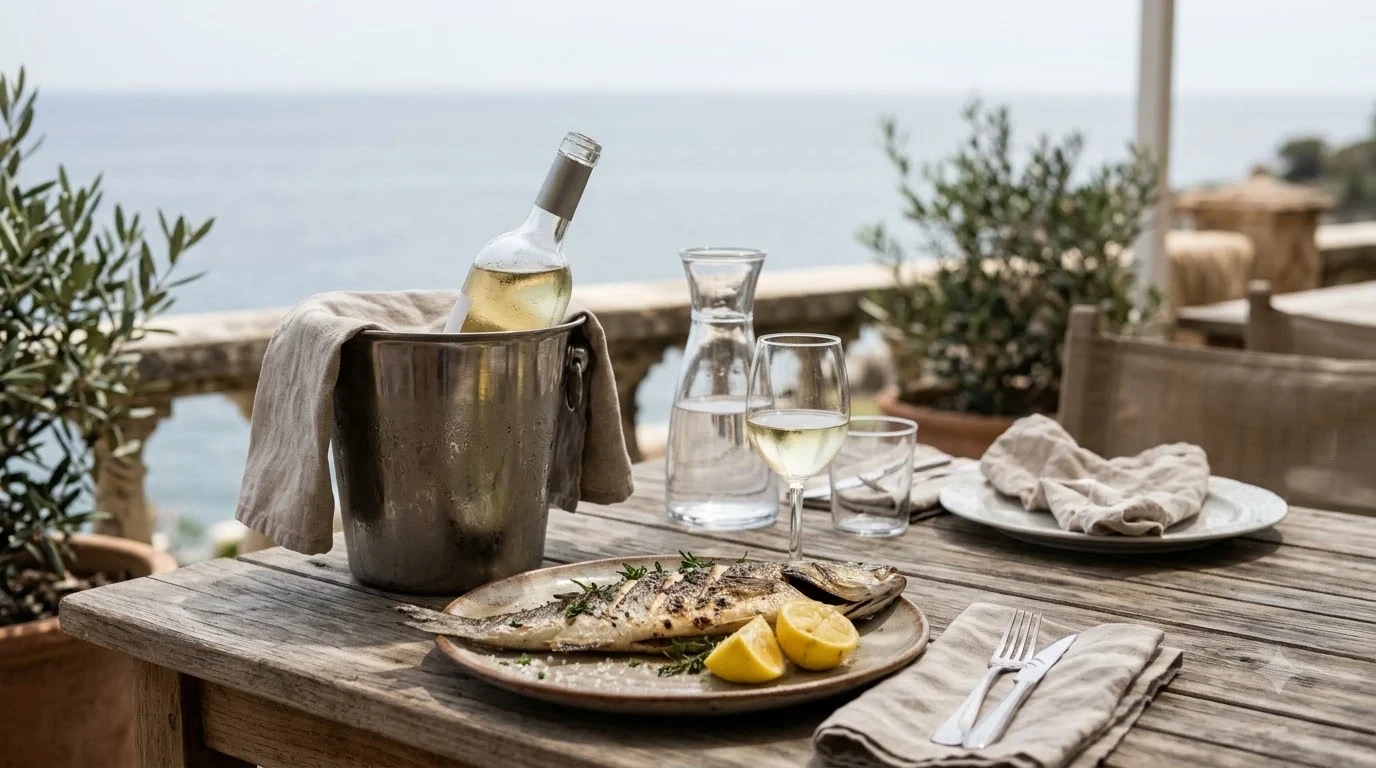
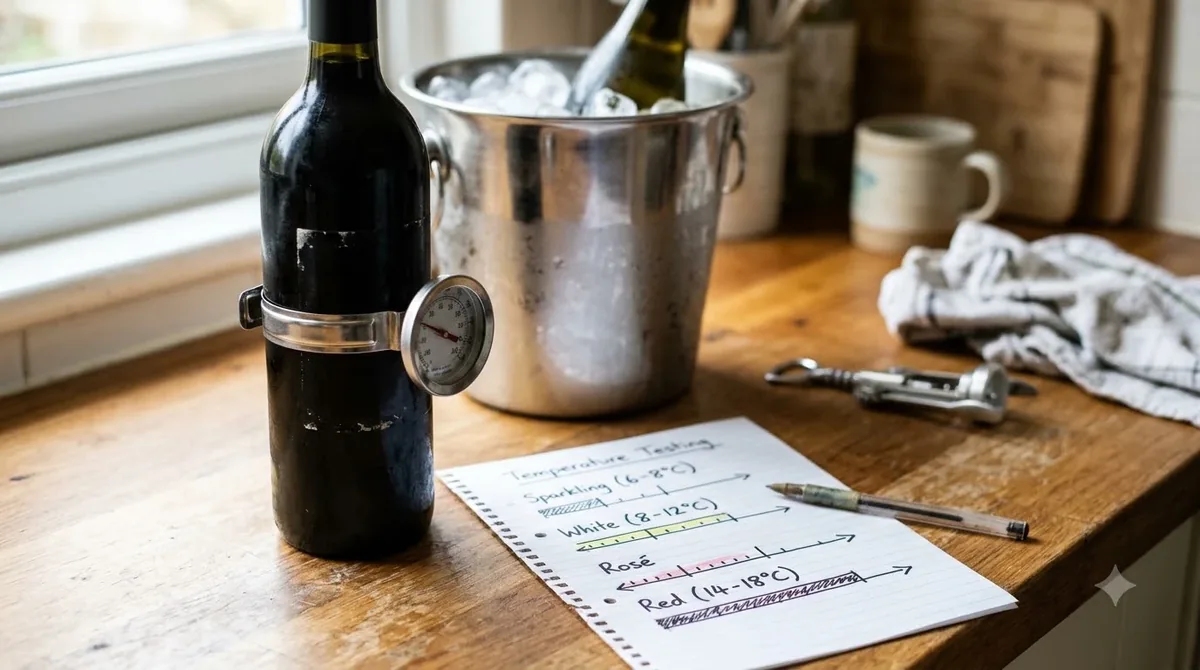
Serve Riesling well chilled, but not ice cold, because very low temperatures can mute the aromas that make the wine appealing. A standard white wine glass with a narrower bowl helps concentrate the fruit and floral notes. Dry styles pair well with simple grilled fish, roast chicken, and vegetable dishes, while off-dry versions handle heat and sweetness in Asian and Mexican cooking better than many heavier whites.
Ice wine is a different matter. Because it is sweet and rich, a small pour after dinner works best, and it is often served with fruit-based desserts or a plate of mild, creamy cheeses. A little goes a long way, so a half glass is usually enough for most guests.
How to choose a bottle from this winery
Start with the style you want rather than the vintage. If you like crisp, dry white wine, look for a dry Riesling and read the back label for terms such as “dry” or “semi-dry.” If you are buying for guests who prefer sweeter wine, an off-dry Riesling is a safer choice, and an ice wine works as a dessert bottle. For a gift, a half bottle of ice wine is an easy way to offer something distinctive without a large commitment.
Because the winery’s lineup changes with each vintage, check the current release and look at the producer’s description before you buy. Wine retailers and tasting room staff can also tell you which bottles suit your palate. If you are comparing several Michigan whites, bring a short list of the styles you already enjoy, such as crisp and dry or soft and fruity, so the conversation stays focused on what you will actually drink.
Frequently Asked Questions
Is Chateau Grand Traverse known mainly for red or white wine?
It is best known for white wine, especially Riesling and ice wine. The winery’s history is tied closely to cool-climate white grapes, which are well suited to the Old Mission Peninsula.
What is the difference between dry and sweet Riesling from Michigan?
Dry Riesling has little or no residual sugar and tastes crisp, with citrus and mineral notes. Sweet or off-dry styles keep more natural grape sugar, which balances the acidity and gives a fuller, fruitier taste. The label or the winery’s description usually indicates the style.
What is ice wine, and why is it expensive to make?
Ice wine is made from grapes left to freeze on the vine, so the water inside the grape stays frozen while the sugar and flavors concentrate. Harvesting frozen grapes is slow and yields are small, which is why ice wine is usually sold in small bottles.
Can I visit the Old Mission Peninsula wineries?
Yes, the peninsula has a cluster of wineries that are popular with visitors, and many offer tastings and tours. Check each winery’s current hours and reservation policy before you plan a day trip, since schedules change with the seasons.
Chateau Grand Traverse offers a clear window into how Michigan wine developed, from its first Riesling plantings to its present-day family operation. For more background on the grape and style, read the wine brands guide, and if you want to compare a different sweet white, the Chateau d’Yquem wine profile is a useful reference point. For a Riesling from another region, see the Chateau Ste. Michelle Riesling page. Tasting a few styles side by side is the best way to learn which one you prefer.
More in Wine Brands
 Underwood Wine Price: Compare Bottles, Cans, and Pack SizesUpdated Nov 21, 2026
 Zenato Wine Price: Compare Styles and Choose the Right BottleUpdated Nov 21, 2026
 Zuccardi Wine Price: Compare Bottles and Find the Right RangeUpdated Nov 21, 2026
 Yellow Tail Moscato Review: Taste, Sweetness and Serving TipsUpdated Nov 21, 2026
 Wolf Blass Yellow Label Review: Choose Your Best StyleUpdated Nov 21, 2026
 Wolffer Estate Rose Review: Choose the Right Bottle for Your TableUpdated Nov 21, 2026