

We may earn a commission when you buy through links on this page, at no extra cost to you. Learn more.
Banfi red wine comes mainly from Castello Banfi in Montalcino, Tuscany, and the range runs from Rosso di Montalcino and Brunello di Montalcino to a group of Toscana IGT blends. The Mariani family has owned the business since 1919, and the reds span a wide range of price points, styles and ageing potential. Knowing where each bottle sits in that lineup makes it much easier to choose the right one for a given meal.
If you have seen the Banfi name on a restaurant wine list or a shop shelf and wondered what separates one red from another, this guide walks through the main wines, the grapes behind them, and how to pick a bottle for a weeknight dinner or a special occasion. The product details come from the producer’s own website and general wine reference material, and each claim is attributed where it appears.
Who makes Banfi red wine and where it comes from
According to the Banfi USA website, the company is family-owned and has been led by the Mariani family since 1919, with the third generation now running it. Castello Banfi is in Montalcino, a hill town in southern Tuscany. The family also operates Banfi Piemonte in Strevi, Piedmont, but the Montalcino estate is the home of the bottlings most people connect with the name.
Montalcino has strict rules for its wines. Brunello di Montalcino carries a DOCG classification, which is Italy’s highest tier for wine, and it is made from Sangiovese grown in the town’s surrounding hills. Rosso di Montalcino is a DOC wine from the same area. It is generally made from younger vines or shorter ageing and tends to be lighter and easier to drink young.
The main red lineup at a glance
Banfi’s red range is easier to understand when you group it by style. The table below lists the reds named on the producer’s site, with the descriptions it gives for a few of them.
| Wine | Category | Main grapes or style | Producer’s description |
|---|---|---|---|
| Rosso di Montalcino | DOC | Sangiovese | Offered in Castello Banfi and Poggio alle Mura versions |
| Castello Banfi Brunello di Montalcino | DOCG | Sangiovese | Single-vineyard and reserve bottlings, including Poggio all’Oro Riserva and Vigna Marrucheto |
| Excelsus | Toscana IGT | Merlot and Cabernet Sauvignon | Maturing aromas of fading cherry and blackberry, with cassis, coffee and leather |
| Summus | Toscana IGT | Cabernet Sauvignon, Merlot and Syrah | Sleek and racy, with blackberry, black currant, violet, graphite and earth |
| Magna Cum Laude | Toscana IGT | Blend | Black currant, pomegranate and raspberry, shaded by bitter almond and earth |
| Belnero | Toscana IGT | Blend | Spicy, with toast, graphite, ripe red fruit and fresh violets |
Brunello, Rosso and the Super Tuscan blends compared
Brunello is the most structured red in the Banfi range and is built for long ageing. Rosso is the more approachable option, suited to everyday meals. The Toscana IGT blends sit in a separate category because they are not bound by Montalcino’s rules, which lets the producer combine Sangiovese with international varieties such as Cabernet Sauvignon and Merlot.
Alcohol content varies by vintage and bottling, so the label is the figure to trust. As a reference point, Wine Folly’s ABV guide gives 13.5% to 14.5% for most Sangiovese and most Cabernet Sauvignon, and 13% to 14% for most Pinot Noir and red Bordeaux. Those are typical ranges for each grape, not measurements of a specific Banfi bottle.
What the producer says about the tasting profile
The producer’s descriptions give a useful picture of how the blends are meant to taste. The Excelsus 2020 is described as having maturing aromas and flavors of fading cherry and blackberry, with cassis, coffee and leather. The Summus 2021 is described as a sleek, racy red with blackberry, black currant, black cherry, violet, graphite and earth. The Magna Cum Laude 2023 is described with black currant, pomegranate and raspberry, shaded by bitter almond and Mediterranean scrub.
Tasting descriptions are the producer’s own language, so treat them as a guide to what the blend is designed to show rather than a promise about every bottle. The page also lists suggested drinking windows for several wines. Excelsus 2020 is shown as drinkable through 2038, while Summus 2021 is listed as best from 2028 through 2047. Those windows are useful if you plan to keep a bottle for several years.
How to serve and pair Banfi reds
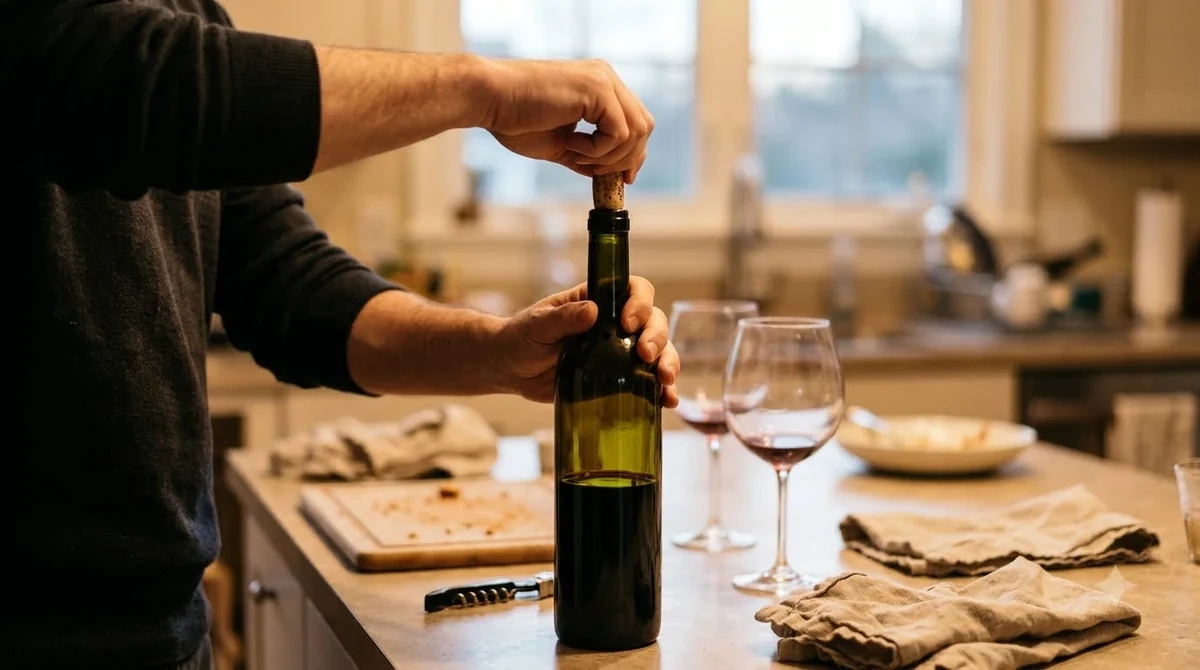
The producer’s pages do not give serving temperature or food pairing advice, so the general guidance below comes from common practice for Italian reds of this type. Serve the wines slightly below room temperature, and give bigger blends a short time to open in the glass before drinking. Rosso goes well with tomato-based pasta, grilled vegetables and roast chicken. Brunello suits braised meats, game and aged hard cheeses. The Super Tuscan blends with more Cabernet and Merlot tend to match grilled steak and roasted lamb.
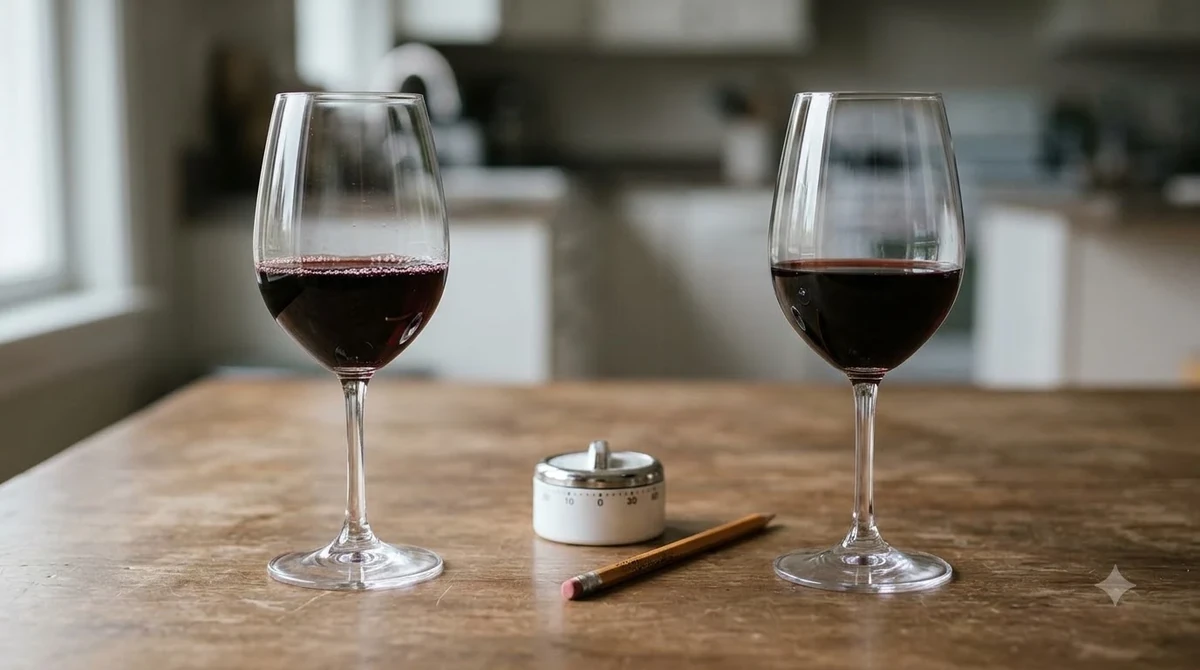
Tip: If you are unsure which bottle to open, match the food first. Lighter dishes call for Rosso, while rich, slow-cooked dishes give a Brunello room to show its structure.
How to choose the right Banfi red
For a weeknight dinner, Rosso di Montalcino is the simplest choice because it is built for drinking young. For a special meal or a gift, a Brunello single-vineyard or reserve bottling gives more depth and a longer ageing story. If you prefer the flavor of cabernet and merlot blends, one of the Toscana IGT reds may suit you better than a Sangiovese-based wine.
Check the vintage on the label before you buy. Older bottles of Brunello and reserve blends often need time to soften, while younger wines can taste sharp if they are opened too early. A quick look at the producer’s drinking window for each wine will tell you whether a bottle is ready to drink now or better saved.
It also helps to think about the people at the table. A bold, tannic Brunello can overwhelm a simple pasta, while a lighter Rosso may feel thin beside a rich roast. Matching the weight of the wine to the weight of the dish is the simplest rule, and it works across the whole Banfi range.
Frequently Asked Questions
What is the difference between Brunello and Rosso di Montalcino?
Both are made from Sangiovese in Montalcino. Brunello di Montalcino is a DOCG wine with longer ageing requirements and a fuller structure, while Rosso di Montalcino is a DOC wine that is typically lighter and easier to drink younger.
Are Banfi’s Super Tuscan reds made from Sangiovese?
Not necessarily. The producer lists the Toscana IGT blends with varieties such as Merlot, Cabernet Sauvignon and Syrah. Check the back label or the producer’s product page for the exact grape mix of the bottle you are considering.
How much alcohol is in Banfi red wine?
The alcohol by volume figure is printed on each label and varies by wine and vintage. As a general reference, most Sangiovese and Cabernet Sauvignon fall between 13.5% and 14.5%, but the label is the only reliable figure for a specific bottle.
Can I drink Banfi red wine now, or should I keep it?
Rosso and the younger blends are generally meant to be enjoyed soon after release. Brunello and the reserve bottlings often benefit from additional bottle age. The producer’s drinking windows are the best starting point for deciding when to open a bottle.
For more context on how different reds compare, read the Wine Brands guide, or explore the 14 Hands red wine and 19 Crimes red pages to see how other brands approach a red blend at a lower price point. Producer details and the full range are available on the Banfi USA website, and the style-by-style alcohol ranges come from the Wine Folly reference cited above.
More in Wine Brands
 Underwood Wine Price: Compare Bottles, Cans, and Pack SizesUpdated Nov 21, 2026
 Zenato Wine Price: Compare Styles and Choose the Right BottleUpdated Nov 21, 2026
 Zuccardi Wine Price: Compare Bottles and Find the Right RangeUpdated Nov 21, 2026
 Yellow Tail Moscato Review: Taste, Sweetness and Serving TipsUpdated Nov 21, 2026
 Wolf Blass Yellow Label Review: Choose Your Best StyleUpdated Nov 21, 2026
 Wolffer Estate Rose Review: Choose the Right Bottle for Your TableUpdated Nov 21, 2026