

We may earn a commission when you buy through links on this page, at no extra cost to you. Learn more.
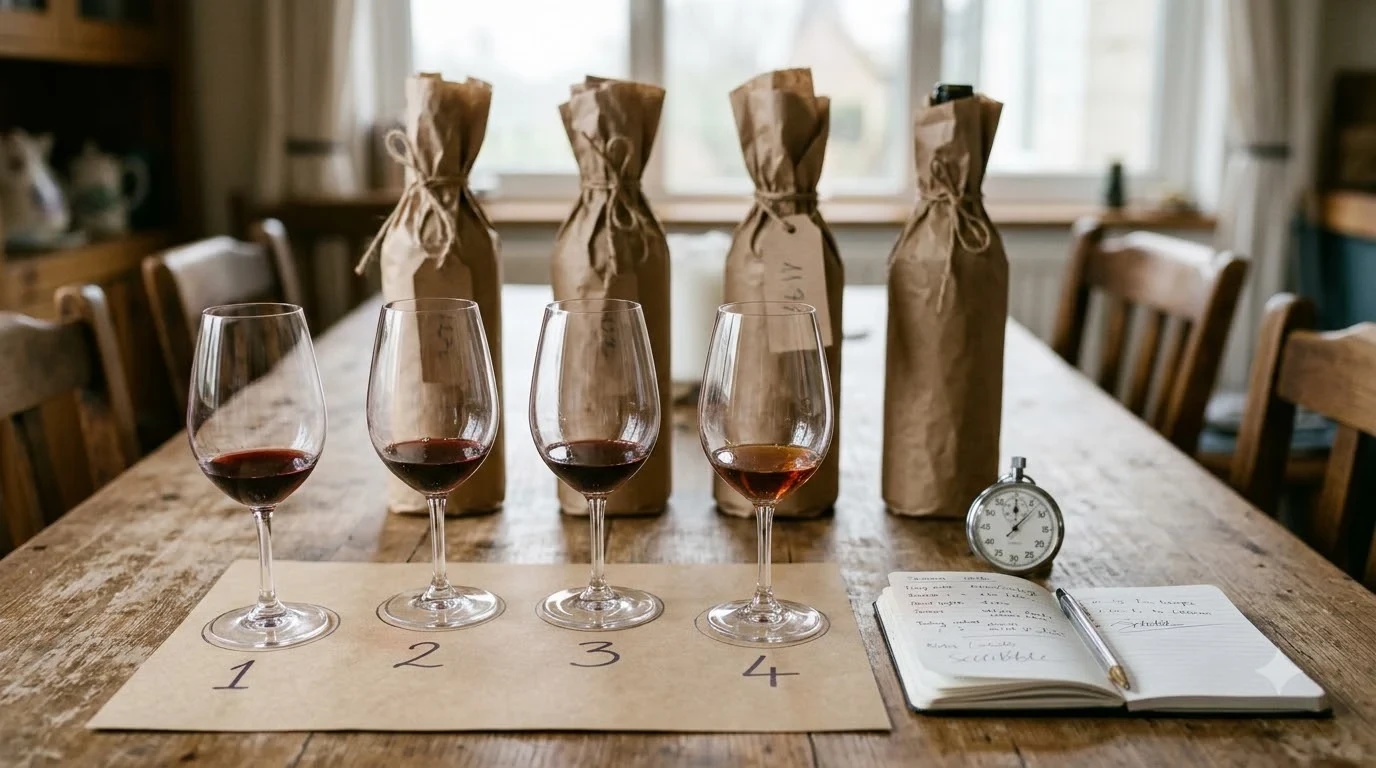
Walla Walla wine tasting happens in a compact Washington town surrounded by more than 100 wineries, with about 40 tasting rooms clustered downtown and many more spread through the valley hills. The Walla Walla Valley American Viticultural Area sits in southeast Washington, extends slightly into northeast Oregon, and lies within the larger Columbia Valley AVA. Most visitors can walk between downtown rooms in an afternoon, then drive out to estate wineries for a longer, quieter visit.
This guide explains where the Walla Walla wine region sits, which grapes define its wines, how downtown and valley tasting differ, and how to plan a visit that fits your pace. It is written for travelers who want a clear, practical picture before they book lodging or a tour.
Where Walla Walla Sits and Why the Region Matters
The Walla Walla Valley AVA lies in southeast Washington, east of Lake Wallula, and it is entirely within the Columbia Valley AVA. The appellation was established in 1984 and amended in 2001. The reference entry on the appellation describes a planted area of about 2,933 acres across 25 vineyards, out of a total AVA area of roughly 182,060 acres. Those vineyard numbers are small compared with the total land, which is one reason the valley feels like a close-knit wine community.
The town of Walla Walla is the center of the visitor experience. Its historic downtown is compact, and many tasting rooms line the streets within a few blocks of one another. That makes the region unusually walkable for a wine destination, while the surrounding hills hold larger estates that require a car or a tour.
How Many Wineries You Will Find
Counts vary by source. The regional tourism site describes more than 130 wineries in the area and says the nearby hills hold many tasting rooms and wine bars, with about 40 of them downtown. The appellation entry reports 92 bonded wineries, and it puts the total number of wineries, tasting rooms and wine bars at about 140. The difference comes down to what each source counts, so treat the exact number as approximate.
For planning, the more useful number is the one that tells you how many stops fit in a day. Most visitors do well with three to four tastings, with time for lunch and a break between them. The sheer number of rooms means you can choose a theme, such as red blends, Rhône-style wines or a single-vineyard style, and build your route around it.
| Area | What to expect |
|---|---|
| Downtown Walla Walla | About 40 tasting rooms within walking distance, many intimate and approachable |
| Valley and estate wineries | Larger properties in the hills, usually requiring a car or a guided tour |
| Visitor kiosk | 26 E. Main Street, open Friday and Saturday 10 a.m. to 3 p.m. and Sunday 10 a.m. to 2 p.m. |
| Wine areas on the regional map | Downtown, Airport, Westside, Eastside, Southside and Oregon |
The Grapes You Will Taste in Walla Walla
Cabernet Sauvignon is the most widely planted grape in the Walla Walla Valley, followed by Merlot, Syrah, Sangiovese and Cabernet Franc, according to the appellation entry. That mix explains why many tasting menus lean toward structured reds, although you will also find Rhône-style blends, Sangiovese-based wines and some whites on most lists.
Ask the pourer which wines come from estate vineyards and which are sourced from other sites in the valley. Because the region has a relatively small planted area, many wineries work closely with a handful of growers, and that connection often shows up in the glass. A flight that moves from a bright Sangiovese to a bold Cabernet Sauvignon will show you how the valley’s fruit can differ from one site to the next.
Downtown Tasting Versus Valley Estates
Downtown rooms are the easiest way to start. They are close together, many have comfortable seating, and staff are usually happy to suggest a flight based on what you like. Plan a walk between two or three rooms and build in time for a meal, since restaurants and wine bars cluster in the same area.
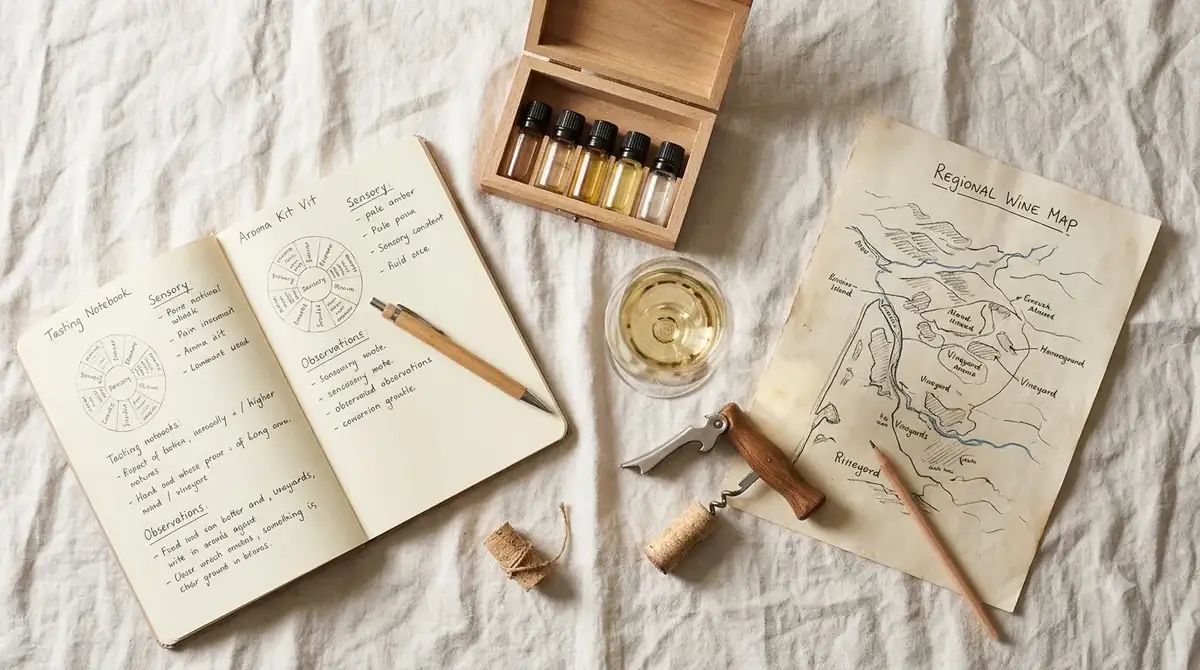
Valley estates offer a different experience. Many sit on hillside properties with views of vineyards and open land, and some host private tastings, picnic-style visits or small events. Because these properties can be far from town, a guided tour or a driver is the simplest option, and it lets everyone in the group taste without worrying about the road.
Events and Seasonal Timing
The regional tourism site lists several annual events. Grenache Fest, a long-running celebration, is held on the first weekend of November and is now staged in Waitsburg. Holiday Barrel Weekend, scheduled for December 4 to 6, 2026, includes barrel tastings, a charity auction and a Parade of Lights. Other events, including a Spring Release, a Pride celebration and the Balloon Stampede, appear on the calendar, although the site does not list their months.
Because events and dates change, confirm your plans through the event calendar before you book. Spring and early fall are popular for comfortable weather and outdoor tastings. Summer days can be hot, so schedule walking and vineyard visits for the morning. Winter visits are quieter, and a holiday weekend brings a festive atmosphere but also larger crowds.
Practical Tips for Your Visit
Start by downloading the regional visitor guide or requesting a printed copy. The guide lists wineries by area, along with a map, wine tour options and lodging. If you prefer to talk to someone, the visitor kiosk on East Main Street is a good first stop, and the regional tourism office can answer questions by phone or email.
Plan transportation before the first pour. Downtown is walkable, but estate wineries are not, and drinking and driving is never a good idea. A designated driver, a booked tour or a rideshare is the safer choice. Check tasting fees and whether they are waived with a bottle purchase, because policies differ from one room to the next.
Book lodging early for peak weekends and events. Some wineries offer lodging on their own properties, which can be a good choice for a multi-day visit. If you are planning a full trip, a few days gives you time for both downtown and valley tastings without rushing.
Tip: Pick one downtown walking route and one estate visit for your first day. That mix shows you the town’s tasting culture and the valley’s larger properties.
Frequently Asked Questions
How many wineries are in Walla Walla?
The regional tourism site describes more than 130 wineries in the area, while the appellation entry counts 92 bonded wineries and about 140 wineries, tasting rooms and wine bars. The exact number depends on what each source includes.
Can I walk to wineries in Walla Walla?
Yes, many downtown tasting rooms sit within walking distance of each other. Valley estates are farther out and usually need a car, a driver or a guided tour.
What grapes are most common in Walla Walla?
Cabernet Sauvignon is the most widely planted, followed by Merlot, Syrah, Sangiovese and Cabernet Franc, according to the appellation entry.
When should I visit for a Walla Walla wine trip?
Spring and early fall are comfortable for walking and outdoor tastings. Check the event calendar for holiday weekends and seasonal releases, since those draw crowds and may need advance bookings.
A good Walla Walla wine tasting trip mixes a walkable downtown afternoon with one or two estate visits. Confirm the event calendar, plan your ride, and pick a theme for your flights. For related planning ideas, see the rioja wine tasting and santa fe wine tasting guides, or the Wine Regions overview, which compares appellations across the country.
More in Wine Regions
 Willcox Wine Trail: Discover Arizona’s High-Elevation Wine CountryUpdated Nov 20, 2026
 Yakima Valley Wine Region: Find the Best Styles to TryUpdated Nov 20, 2026
 Vosne Romanee Wine Tasting: Identify Aromas and Choose Better PairingsUpdated Nov 20, 2026
 Yakima Valley Wine Festival: Find the Best Seasonal Wine EventsUpdated Nov 20, 2026
 Wales Vineyards: Discover Cool-Climate Wines and Where to VisitUpdated Nov 20, 2026
 Yountville Wine Festival: Discover Napa Wines and Local FoodUpdated Nov 20, 2026