


We may earn a commission when you buy through links on this page, at no extra cost to you. Learn more.
Baco noir wine is a red made from a hybrid grape bred for cold-climate growing, and it is typically medium-bodied with deep color. The grape was developed by François Baco from a cross of a French vinifera variety and a wild American vine, which gives it hardiness that many European grapes lack. Baco noir is most often grown in cooler regions of North America, where it makes approachable reds for everyday drinking.
Baco noir sits outside the usual list of classic wine grapes, so many drinkers have never tasted one. It appears on menus and shelves mainly in cool-climate areas where traditional European varieties struggle to ripen. This guide explains where the grape came from, why it suits cold regions, how the wine is usually styled, and how to serve it at home.
Where Baco noir comes from
Baco noir is a hybrid. According to the Wikipedia entry on the grape, it was produced by François Baco from a cross of Folle blanche, a French wine grape of the vinifera species, and an unknown variety of Vitis riparia, a North American wild vine. The mix is the reason Baco noir is considered a hybrid rather than a classic European grape. The wild parent contributes resilience, and the French parent contributes the wine character growers were looking for.
The grape later moved into cooler North American viticulture. The Wikipedia entry notes that in 1951 it was brought to the cooler viticulture regions of North America, and that it returned to Canada in 1955. The same entry dates plantings at Ontario’s Henry of Pelham vineyards to 1984.
Why cold climates suit Baco noir
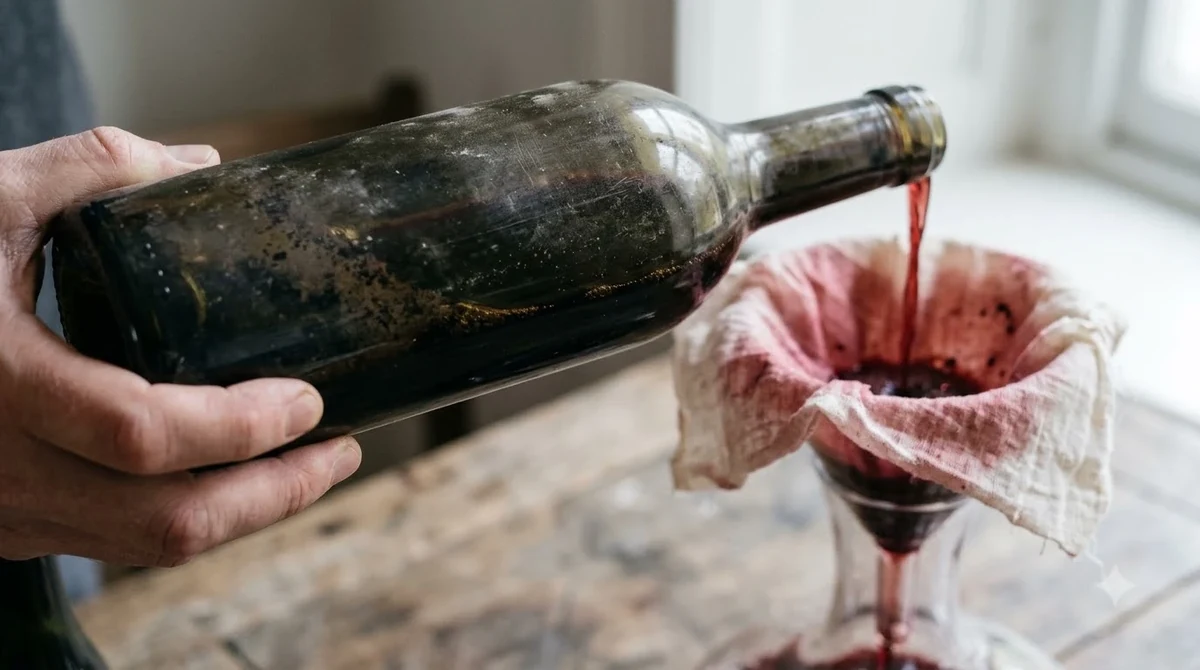
The main appeal of Baco noir is hardiness. Most European vinifera grapes need a warm, long growing season and can be damaged by hard winters. A hybrid with North American ancestry can handle colder conditions, so growers in places with harsh winters have used it for decades. That practical advantage explains why the grape is grown in regions that are far from the Mediterranean or the classic Bordeaux and Burgundy areas.
The Wikipedia entry lists growing areas including Ontario, New York, Michigan, Mississippi, Wisconsin, Pennsylvania, Oregon, and New Mexico, and it mentions Colorado in the text. Those regions vary widely in climate and soil, so a Baco noir from one area may taste different from another. When you compare bottles, check the producer’s region on the label or the website before deciding what to expect.
| Topic | What to know about Baco noir |
|---|---|
| Type | Hybrid red grape |
| Parentage | Folle blanche crossed with a Vitis riparia variety |
| Hardiness | Suited to cold winters and cool growing seasons |
| Typical body | Medium, with deep color |
| Where grown | Ontario, New York, Michigan, Pennsylvania, Wisconsin, Oregon, and others |
Tip: Hybrid wines can vary a lot between producers. If you find a style you like, look for the producer’s name and region on the next bottle to keep track of what you enjoy.
What Baco noir tastes like
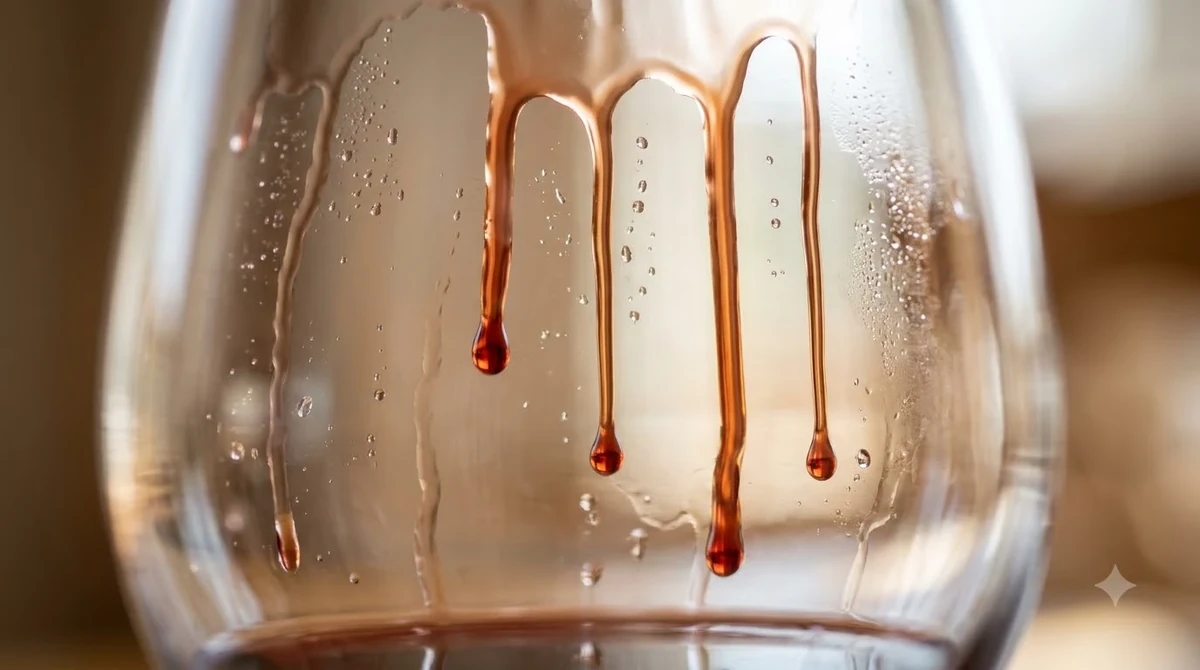
Baco noir is generally described as a medium-bodied red with deep color. Its structure is usually lighter than a big Cabernet Sauvignon or Syrah, which makes it easier to drink on a weeknight. Because the grape is grown in many different climates, the flavor profile depends a great deal on the producer and the vintage. How the wine is made and aged shapes the final style as much as the grape does.
When you taste Baco noir, start by looking at the color, which is usually deep and saturated. Then swirl and smell the wine to see whether the fruit leans bright and fresh or darker and more savory. On the palate, pay attention to how much tannin you feel, and whether the finish is short or lingering. Those observations help you understand a specific bottle, even when you cannot find a detailed grape profile.
How to serve Baco noir
Serve Baco noir slightly cooler than room temperature, which keeps the fruit clean and stops the alcohol from feeling heavy. A short chill in the fridge before serving works well, especially in a warm room. A wide wine glass gives the wine room to open, though an everyday glass is fine for casual drinking.
Baco noir is best opened when it is ready to drink. Check the producer’s guidance on the label or website before cellaring a bottle for years. Keep bottles out of direct sun and away from heat, as you would with any wine.
Food pairings that suit a medium red
A medium-bodied red like Baco noir works with a wide range of everyday food. Roasted chicken, burgers, grilled sausages, and pork dishes are good choices because they have enough richness to balance the wine’s structure. Tomato-based pasta sauces and mushroom dishes also complement the grape’s savory side. For a richer pairing, try a slow-cooked stew, where the wine’s fruit can meet the sauce.
The wine’s medium body makes it less suited to very delicate dishes. Light seafood and fresh salads can be overpowered by a red with this much color. If you want a lighter pairing, a crisp white or rosé is a better choice for the same meal, and the Albariño tasting notes guide explains how a bright white works with seafood.
How to choose a Baco noir bottle
When shopping, read the back label or producer description for the region and any note on style. Look for words such as dry, medium-bodied, or fruit-forward to set expectations. If the label mentions oak aging, expect a rounder, more toasted profile. If it does not, the wine is likely to show brighter fruit and a simpler finish.
Because Baco noir is less common than classic varieties, it can help to compare it with other reds you already know. If you enjoy deeper, bolder reds, the Alicante Bouschet wine guide covers a very dark red from a different family of grapes. The Pinot Noir sugar content guide is useful if you want to understand how sweetness is listed on a label.
Where Baco noir fits among wine types
Baco noir is one of many hybrid and specialty grapes that show how wine can be made outside traditional European regions. Its story connects cold-climate winemaking, plant breeding, and practical farming. The Wine by Type hub gathers the main red, white, and specialty styles, so you can place Baco noir alongside grapes you already know.
Frequently Asked Questions
What is Baco noir wine?
Baco noir is a red wine made from a hybrid grape. It was bred from a French vinifera variety and a North American wild vine, and it is usually medium-bodied with deep color.
Where is Baco noir grown?
Growing areas include Ontario, New York, Michigan, Pennsylvania, Wisconsin, Oregon, and New Mexico, according to the Wikipedia entry on the grape. Plantings are concentrated in cooler North American regions.
Why is Baco noir grown in cold climates?
The grape has North American ancestry, which gives it resilience against cold winters. That makes it practical for regions where many European grapes would struggle to survive.
What temperature should Baco noir be served at?
Serve it slightly cooler than room temperature. A short chill before pouring keeps the fruit clean and the alcohol balanced, especially in a warm room.
Baco noir is a practical, cold-climate red with a distinctive origin. Learn its hybrid background, check the region and producer on the label, and serve it at a slightly cool temperature with everyday food. It is an easy grape to explore once you know what to look for on the bottle.
More in Wine Types & Grapes
 Zinfandel Sugar Content: Dry Red vs. White Zinfandel GramsUpdated Nov 21, 2026
 Best Zinfandel Substitute Options for Sipping and CookingUpdated Nov 21, 2026
 Zweigelt Food Pairing: Best Dishes, Cheeses, and Serving TipsUpdated Nov 21, 2026
 Zinfandel Tannins Explained: How Structure Shapes Every BottleUpdated Nov 21, 2026
 Zinfandel Sweetness Level: Dry Red vs. Sweet White Zin ExplainedUpdated Nov 21, 2026
 Xinomavro Food Pairing: Best Dishes, Styles, and Serving TipsUpdated Nov 21, 2026