

We may earn a commission when you buy through links on this page, at no extra cost to you. Learn more.
Santa Fe wine tasting is easiest in the city’s wine bars and tasting rooms, where visitors can sample New Mexico wines without driving between vineyards. The state has one of the longest winemaking histories in North America, and Santa Fe offers listings such as Hervé Wine Bar and a Gruet Winery tasting room downtown. Most of the state’s vineyards lie outside the city, so a short plan works best.
This guide explains what to expect from a Santa Fe wine tasting, how New Mexico’s wine history shaped the local scene, which grapes you will meet in the glass, and how to plan visits that fit a city itinerary. It also covers the difference between tasting in town and visiting the wider state’s wineries.
What Makes New Mexico Wine Different
New Mexico has a winemaking history that goes back to the Spanish colonial period, as the Wikipedia article on New Mexico wine explains. Franciscan friars needed a local source of sacramental wine, so they planted the first vines around 1629, and the state is often described as the birthplace of American wine. The same reference material describes vineyards spreading along the Rio Grande by 1800 and reaching more than 3,000 acres by the 1880s, before floods, Prohibition, and economic change hurt the industry.
Modern New Mexico wine began to recover in the late 1970s, when small wineries started working with French-hybrid grapes. La Viña Winery is recognized as the oldest continuously operating winery in the state, and St. Clair Winery opened in 1984. That mix of long history and recent small producers gives the region its character.
Santa Fe’s Place in the Wine Scene
Santa Fe is a city known for art, architecture, and food, and its wine scene reflects that. Most of the historic grape-growing sites are in the Middle Rio Grande Valley AVA, which includes areas around Albuquerque rather than the city itself. For a Santa Fe visit, that means the best tastings are often in wine bars and urban tasting rooms, while the working vineyards are a short drive away.
A New Mexico wine directory lists a number of Santa Fe-area options, including Mystic Ambrosia, New Mexico Hard Cider, Hervé Wine Bar, and a Gruet Winery tasting room in the Hotel St. Francis. The listings are a useful starting point, but check hours and reservations before you go, since downtown spaces change their schedules during festivals and holidays.
Grapes and Styles in New Mexico Wine
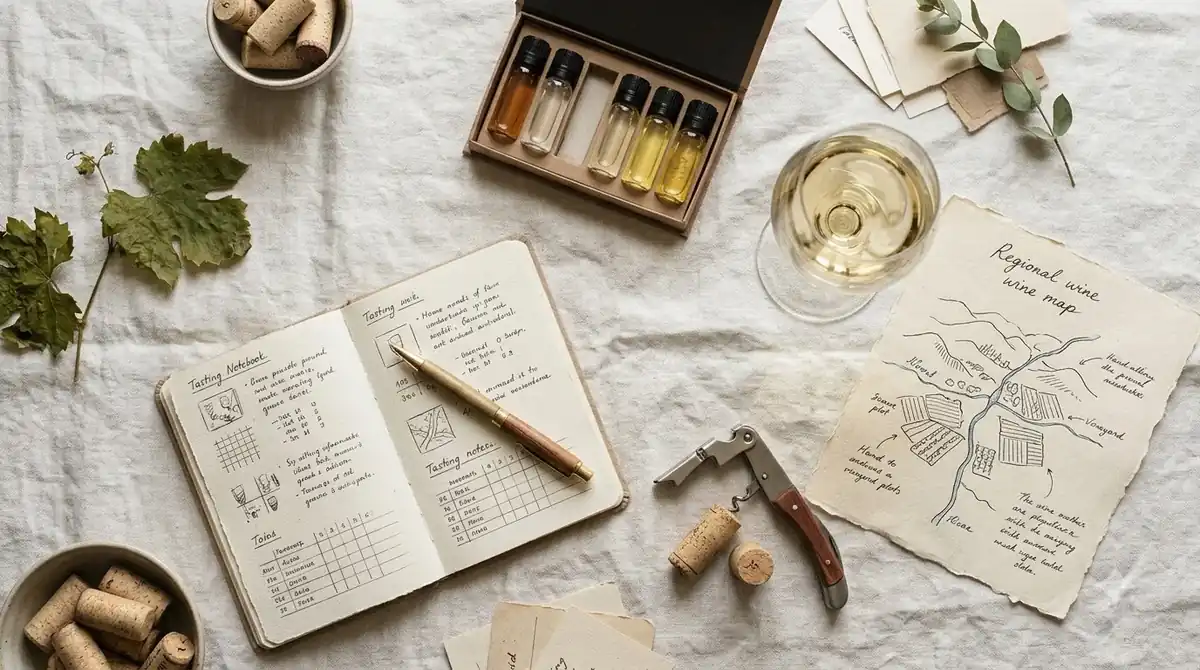
New Mexico grows a wide range of grapes. Red varieties include cabernet sauvignon, zinfandel, sangiovese, pinot noir, and merlot. White varieties include chardonnay, riesling, and viognier. Hybrids such as baco noir and vidal blanc also appear, reflecting the state’s long experiment with cold-hardy and disease-resistant varieties.
Tasting lists in town often show a mix of these grapes and some regional blends. When you taste, ask the pourer which grape and which vineyard site each wine comes from, since that context helps you see how the state’s climate shapes the glass.
| Part of the trip | What to expect |
|---|---|
| Wine bars in town | Flights and glasses without a drive, best for a first evening |
| Downtown tasting rooms | Winery-branded rooms that pour the producer’s own wines |
| Wine studio hospitality | A state-level tasting hub run by the growers association, useful for sampling many producers |
| Vineyard visits | Require a drive, so book ahead and plan a full afternoon |
Planning a Santa Fe Tasting Itinerary
The simplest plan is to choose one or two downtown stops for a relaxed tasting and leave the rest of the day for art, food, and walking. Downtown distances are short, so you can move between wine bars on foot. Ask staff whether flights or small pours are available before ordering full glasses.
If you want to see a vineyard or a producer’s home base, plan that as a separate outing. Expect a drive, check the opening days, and call ahead, since hours vary from room to room.
Tasting Etiquette and Tips
Start with lighter whites or rosé if you are tasting several wines, then move toward the reds. This order helps you notice the fruit and acidity in each glass before the tannins build up. Drink water between pours, and use the spit cup if you are visiting several rooms in one day, since the effects of a full flight add up quickly.
It also helps to ask the staff a few simple questions at the bar. Find out where the grapes were grown, whether the wine is made from New Mexico fruit or from grapes sourced elsewhere, and which bottles they would pick for a meal. Those answers tell you more about the style than the menu description alone, and they often lead to a bottle you would not have chosen from the label.
Keep your tasting modest and plan transport in advance. Arrange a ride or a designated driver before the first pour. Tell staff about any dietary needs, since many wine bars also serve small plates that pair well with the local wines.
Pairing Food With New Mexico Wine
Santa Fe’s cooking is known for chile, and that shapes the best pairings. Fruit-forward reds handle spice well, while crisp whites and riesling cool the palate after a hot dish. Grilled meats and roasted vegetables suit the sturdier reds, and light seafood or salads suit the whites and rosés.
Hybrid and fruit-forward wines pair especially well with shared plates, because the acidity keeps each bite fresh. If you plan a dinner after tasting, ask the restaurant what local wines it pours, which gives you a chance to compare styles in the same meal.
Combining a Tasting With a Wider Wine Trip
A Santa Fe tasting can be the start of a longer wine trip. Pairing a city visit with a day in the wider state lets you see how the wines change across different sites and elevations. For a broader view of how regions shape styles, the wine regions guide explains the link between climate, soil, and grape choice.
Visitors who enjoy comparing tasting formats may also like the Rioja wine tasting guide, which describes a very different model built around bodega visits in Spain. Likewise, the Santa Cruz Mountains wine guide shows how a mountain appellation in California organizes its winery visits.
Frequently Asked Questions
Are there wineries inside Santa Fe?
Yes, there are wine bars and tasting rooms in the city, including Hervé Wine Bar and a Gruet Winery tasting room at the Hotel St. Francis. Most of the state’s vineyards and production sites are outside Santa Fe, so a city tasting is a good first stop.
What grapes does New Mexico grow for wine?
Red varieties include cabernet sauvignon, zinfandel, sangiovese, pinot noir, and merlot. White varieties include chardonnay, riesling, and viognier, and hybrids such as baco noir and vidal blanc are also grown.
Do I need to book a Santa Fe wine tasting?
Wine bars often accept walk-ins, but vineyard visits and special tastings usually need a reservation. Check opening hours and any festival schedules before you go, since hours can change in busy seasons.
How old is the wine tradition in New Mexico?
Vines were planted in the Spanish colonial period, with the first plantings usually dated to around 1629 when Franciscan friars needed sacramental wine. La Viña Winery is recognized as the oldest continuously operating winery in the state.
A Santa Fe wine tasting works best as a relaxed part of a city visit. Pick a few wine bars or tasting rooms, ask about the grapes in each glass, and plan any vineyard trip as a separate outing with a designated driver.
More in Wine Regions
 Willcox Wine Trail: Discover Arizona’s High-Elevation Wine CountryUpdated Nov 20, 2026
 Yakima Valley Wine Region: Find the Best Styles to TryUpdated Nov 20, 2026
 Vosne Romanee Wine Tasting: Identify Aromas and Choose Better PairingsUpdated Nov 20, 2026
 Yakima Valley Wine Festival: Find the Best Seasonal Wine EventsUpdated Nov 20, 2026
 Wales Vineyards: Discover Cool-Climate Wines and Where to VisitUpdated Nov 20, 2026
 Yountville Wine Festival: Discover Napa Wines and Local FoodUpdated Nov 20, 2026