

We may earn a commission when you buy through links on this page, at no extra cost to you. Learn more.
Naoussa wine is a dry red from the uplands of northern Greece, made from the Xinomavro grape, with high tannins, bright acidity and flavors of raspberry, plum, spice and tobacco. The Naoussa appellation, which was established in 1971, requires its wines to be 100 percent Xinomavro. Its firm structure makes Naoussa one of the better-aging Greek reds, and it suits rich dishes that can stand up to its grip.
If you have seen Naoussa on a Greek wine list or wondered why some bottles are compared to Italian Barolo, this guide explains what the wine is, where the grape grows, how to serve it and what to eat with it. It is written for drinkers who want a clear starting point before they buy a bottle.
Where Naoussa Sits in Greek Wine
Naoussa is a wine region in the Imathia area of Macedonia, in northern Greece. Its vineyards sit in the uplands around the town of Naoussa, where the land rises and the climate shifts from the warm plains toward cooler slopes. That elevation gives the grapes more time to develop acidity while still ripening fully.
The region is one of several Greek appellations that work with Xinomavro. Goumenissa, Amyntaio, Rapsani and Trikomo are other areas where the grape grows, and each one produces wines with a slightly different character. Naoussa is the best-known of these, and it is the name most drinkers will see on the label.
The landscape of the Naoussa area is shaped by hills and valleys that receive a fair amount of sun during the day and cooler air at night. Those temperature swings help the grapes keep their acidity while building flavor, which is a major reason the wines hold together so well.
The Xinomavro Grape and Its Character
Xinomavro is the signature red grape of Naoussa. The name is usually translated as “sour black,” which points to the grape’s high natural acidity. Wine Folly describes Xinomavro as a dry wine with a medium-full body and high levels of both tannin and acidity. It compares the grape to Nebbiolo, the Italian variety behind Barolo, because both share firm tannins, pale color and the ability to age.
The flavor profile is distinctive. Wine Folly lists raspberry, plum sauce, anise, allspice and tobacco as primary notes, with the wine’s alcohol usually between 13.5 and 15 percent. Young Naoussa can taste tight and austere, while bottles with some age often develop savory and earthy notes that balance the fruit.
| Feature | What to expect in Naoussa |
|---|---|
| Color | Pale for a red, a trait it shares with Nebbiolo |
| Tannins | High and firm, which soften with time in the bottle |
| Acidity | Medium-high, which keeps the wine lively with food |
| Typical flavors | Raspberry, plum, anise, allspice and tobacco |
| Alcohol | About 13.5 to 15 percent |
Why Naoussa Ages Well
The structure of Naoussa is the reason many producers and collectors take the region seriously. High tannins and medium-high acidity act as a framework that lets the wine hold its shape over many years. Wine Folly recommends cellaring Xinomavro for ten years or more, which is longer than most drinkers keep a casual red.
That aging potential comes with a trade-off. Younger bottles can taste closed or grippy, which is why many drinkers choose a wine with a few years in the cellar or open a bottle early and give it time in a decanter. If you enjoy the savory, earthy side of an aged red, Naoussa rewards patience. If you prefer soft, fruit-forward reds on release, look for a younger style or a different region.
Storage matters if you plan to hold a bottle. Keep it on its side in a cool, dark place with steady temperature, so the cork stays moist and the wine does not age too quickly. Avoid storing it near a heat source or in a kitchen cupboard that gets warm during cooking. A simple wine fridge or a cool closet works well for most collectors who only keep a few bottles.
How to Serve and Decant Naoussa
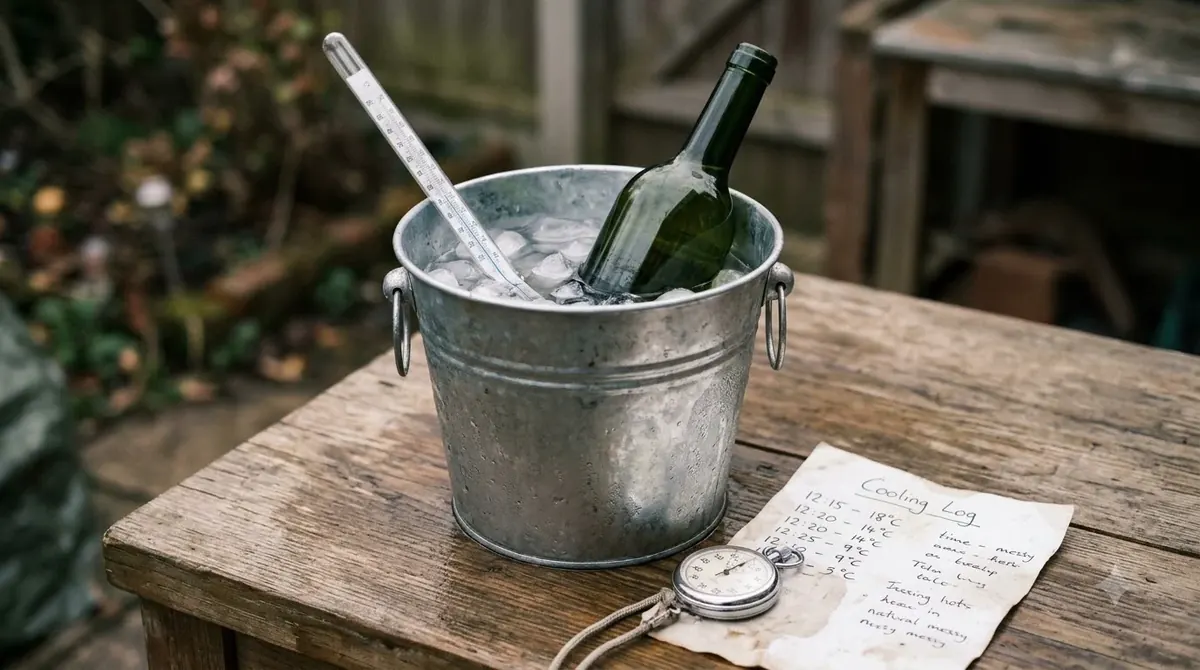
Serve Naoussa cool rather than warm. Wine Folly suggests 55 to 60 degrees Fahrenheit, which keeps the aromas lifted and stops the alcohol from feeling heavy. A wide-bowled glass gives the wine room to open, and the page recommends an oversized glass for the fullest expression.
Decanting is worth the effort for Naoussa. Wine Folly suggests decanting for about an hour, which softens the tannins and lets the aromas develop. Decanting is especially helpful for younger bottles, because it gives the wine a chance to breathe before it reaches the glass.
Tip: If a bottle tastes tight at first, pour a small glass and leave the rest for another hour. Many Xinomavro reds open noticeably as they warm slightly in the glass.
Food Pairing for Naoussa
The wine’s firm tannins and acidity make it a strong partner for rich, savory dishes. Wine Folly’s Xinomavro guide suggests cheesy pastas, mushroom risotto, roast chicken, pork and dry-aged steak, noting that the tannins complement the richness of the meat. Those are the classic matches, and they work because the acidity cuts through fat without overwhelming the food.
Greek-style dishes also pair well. Slow-cooked lamb, baked dishes with tomato and herbs, and aged hard cheeses all suit the wine’s savory character. Avoid very spicy food that can clash with the tannins, and serve lighter fish with a white wine instead.
Choosing a Naoussa Bottle
Look at the vintage and producer when you choose a bottle. Younger wines from the region are usually more fruit-driven and approachable, while bottles with several years of age show more depth and complexity. If you are buying for immediate drinking, a younger wine served with a rich meal is a good match. If you want to cellar, look for a producer with a track record of aging well.
Because Naoussa is a single-grape appellation, the label gives you a clear signal of what is in the bottle. Check for the appellation name and the Xinomavro grape, and read the back label for details on aging and winemaking. Ask a merchant whether the wine is a fresh release or has been held back for a few years.
Price can be a poor guide on its own, so compare bottles by style rather than by cost alone. A modest bottle from a well-run producer can taste more balanced than a more expensive one from a producer who relies on oak to add texture. Reading a few reviews from wine writers and tasting notes from merchants can help you find the style you prefer before you commit to a case.
Frequently Asked Questions
What is Naoussa wine?
Naoussa is a dry red wine from the uplands of northern Greece, made from 100 percent Xinomavro grapes under the Naoussa appellation. It is known for firm tannins, bright acidity and savory, earthy notes.
Is Naoussa similar to Barolo?
Naoussa is often compared to Barolo because both wines share high tannins, medium-high acidity and the ability to age. The grapes differ, since Xinomavro is Greek and Barolo is made from Nebbiolo, so the flavors are not the same.
How long can Naoussa age?
Wine Folly suggests cellaring Xinomavro for ten years or more. Younger bottles can be enjoyed earlier, especially with food and a decant, but the structure of a well-made Naoussa rewards time in the cellar.
What should I serve with Naoussa?
Serve it with rich, savory dishes such as mushroom risotto, roast chicken, pork or dry-aged steak. Slow-cooked lamb and baked dishes with tomato and herbs also pair well with its firm tannins.
Naoussa rewards curiosity. Start with a younger bottle served with a rich meal to see how the tannins and acidity behave, then try an older wine to taste the savory side of the grape. For a broader view of wine regions, the wine regions guide explains how climate and elevation shape the style of a wine, and if you want to compare an Italian white, the gavi wine tasting guide offers a helpful counterpoint.
More in Wine Regions
 Willcox Wine Trail: Discover Arizona’s High-Elevation Wine CountryUpdated Nov 20, 2026
 Yakima Valley Wine Region: Find the Best Styles to TryUpdated Nov 20, 2026
 Vosne Romanee Wine Tasting: Identify Aromas and Choose Better PairingsUpdated Nov 20, 2026
 Yakima Valley Wine Festival: Find the Best Seasonal Wine EventsUpdated Nov 20, 2026
 Wales Vineyards: Discover Cool-Climate Wines and Where to VisitUpdated Nov 20, 2026
 Yountville Wine Festival: Discover Napa Wines and Local FoodUpdated Nov 20, 2026