

We may earn a commission when you buy through links on this page, at no extra cost to you. Learn more.
The xinomavro grape is Greece’s most important red variety, known for high acidity, firm tannins, and pale color that gives its wines a structure often compared to Nebbiolo. The name is commonly translated as “sour black,” and the grape is the signature variety of Naoussa in northern Greece. Wines made from it tend to be dry and medium-full bodied, with flavors of red fruit, olive, and spice, and they often reward cellaring for a decade or more.
Xinomavro is a grape many wine drinkers have not tasted, even though it has a long history in Greece. This guide covers where it grows, what its wines taste like, how aging changes them, how to serve them, which foods suit their tannins, and what to look for on the label when you shop.
Where xinomavro grows
According to Wine Folly’s xinomavro guide, xinomavro is Greece’s most important grape and the signature variety of Naoussa. The Naoussa region sits in the uplands of Macedonia, and the wines made there are among the best-regarded reds in the country. The name of the grape translates roughly to “sour black,” a reference to its high natural acidity.
Beyond Naoussa, the grape appears in several other Macedonian areas. Wikipedia’s entry on xinomavro lists Goumenissa, Rapsani, and several smaller areas as places where it is planted, and notes that the total planted area was modest in the early 2010s, with plantings beginning to appear outside Greece as well. Naoussa remains the reference point for most drinkers who want to understand the grape.
Naoussa’s reputation rests on a regional rule. The area’s protected designation of origin, established in 1971, requires wines to be made from 100 percent xinomavro, so a Naoussa label tells you the grape without any blending partner. That single-grape requirement is one reason the wines are often treated as the purest expression of the variety.
Goumenissa follows a different path. Producers there often blend xinomavro with negoska, a local partner, to create wines that are fruitier and higher in alcohol. If you see a Goumenissa bottle, expect a softer, more forward style than a classic Naoussa, though the grape’s acidity still keeps the wine lively.
Flavor and tannin profile
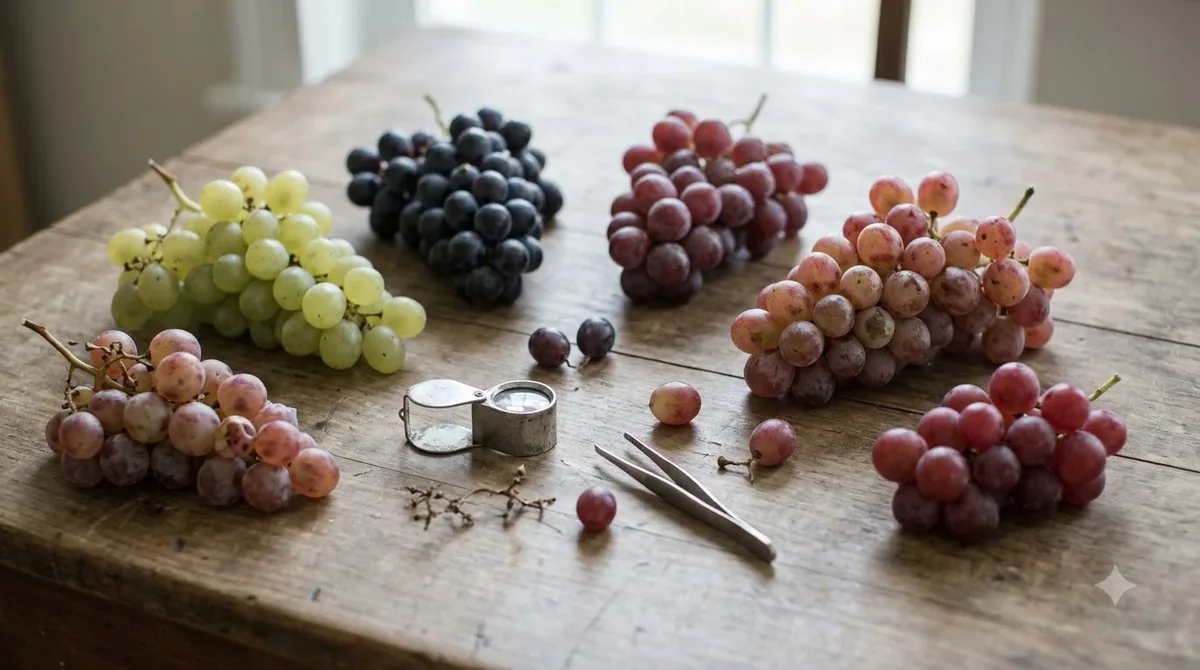
Wine Folly describes xinomavro as dry and medium-full bodied, with high tannins and high acidity. The color is paler than many other red grapes, which can surprise people who expect a dark, heavy red. Do not let the color fool you: the tannins and acid give the wine real structure.
The typical flavors include raspberry, plum sauce, anise, allspice, and tobacco. Those notes shift as the wine ages. Young bottles lean toward red fruit and spice, while older wines gain savory, earthy, and leathery notes that many drinkers find appealing.
| Element | What to expect |
|---|---|
| Body | Dry, medium to full |
| Acidity | High |
| Tannin | High, firm and grippy |
| Fruit | Raspberry, plum sauce, red cherry |
| Spice and savory | Anise, allspice, tobacco, olive |
| Alcohol | About 13.5% to 15% ABV |
Tip: If you usually find red wines too light, a well-made xinomavro may feel more like a Barolo or Barbaresco than a Pinot Noir. Give it time and food.
How age changes xinomavro
Xinomavro is a grape built for aging. Its acidity and tannin act as a long-term framework, and over several years the harder edges soften and the fruit gives way to more complex secondary flavors. Wine Folly recommends cellaring xinomavro for ten years or more, which is a useful guideline for the better bottles.
Several factors shape how a bottle ages. Acidity and tannin levels differ between vineyards, and winemaking choices such as the amount of oak and the length of maceration affect how much structure the wine starts with. A wine that begins with more concentration and tannin will usually take longer to reach its peak, while a more restrained bottle may show its best within a few years.
Not every bottle needs that much time. Lighter, more fruit-forward wines are often ready to drink within a few years. The producer’s notes and the vintage year help you decide. A richer, more structured bottle from a good vintage will show the most change with patience.
How to serve xinomavro
Wine Folly suggests serving xinomavro at about 55 to 60 degrees Fahrenheit, which is 12 to 15 degrees Celsius. That is slightly cooler than many people serve red wine, and it helps keep the acidity lively while preventing the tannins from feeling harsh. A large, wide glass lets the aromas open up.
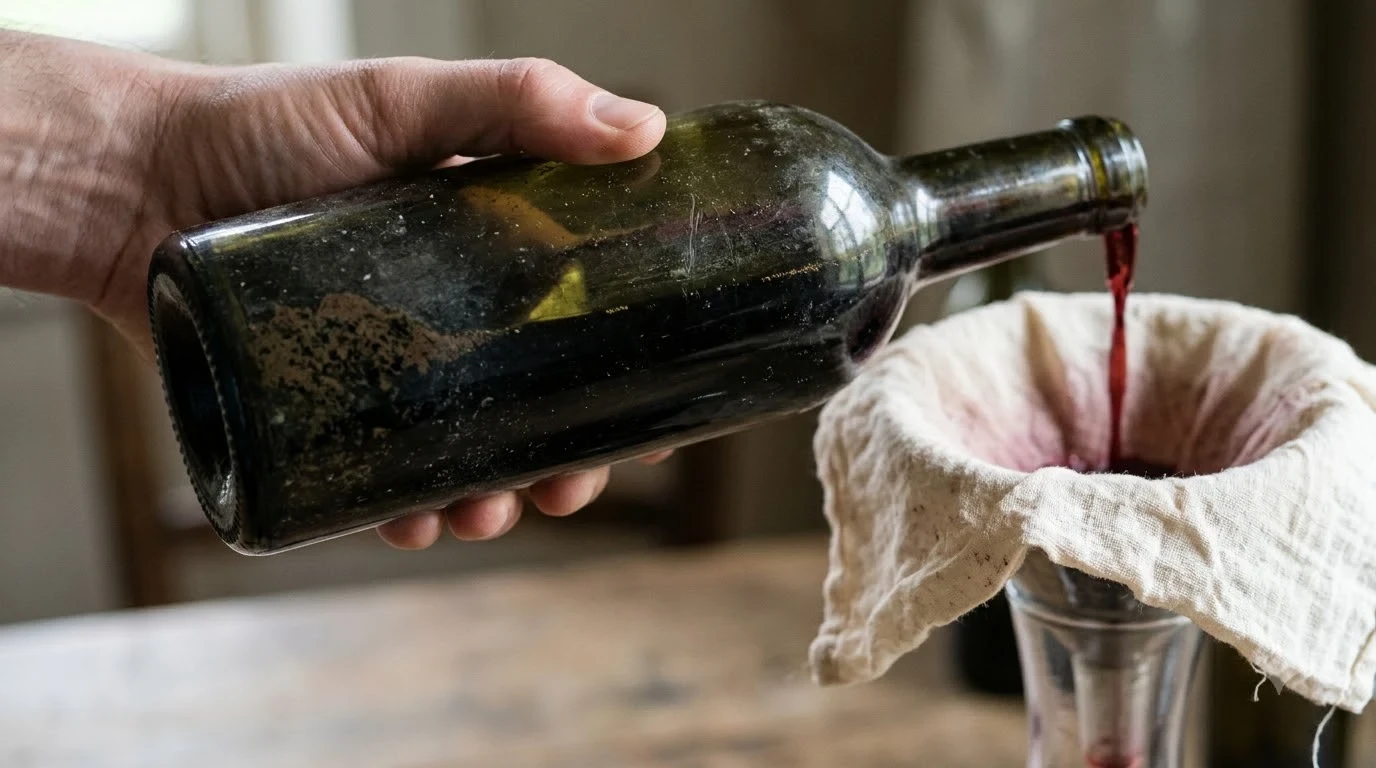
Decanting is also helpful for young or firmly structured bottles. Wine Folly recommends decanting for about an hour, which gives the tannins time to soften and the aromas time to develop. Older bottles often need less time in the decanter, since sediment and delicate flavors can fade with too much air.
Food pairings that suit xinomavro
The grape’s tannins and acidity make it a food wine. Wine Folly lists cheesy pastas, mushroom risotto, roast chicken, pork, and dry-aged steak as good matches. The fat and protein in those dishes soften the tannins, while the acidity cuts through rich sauces.
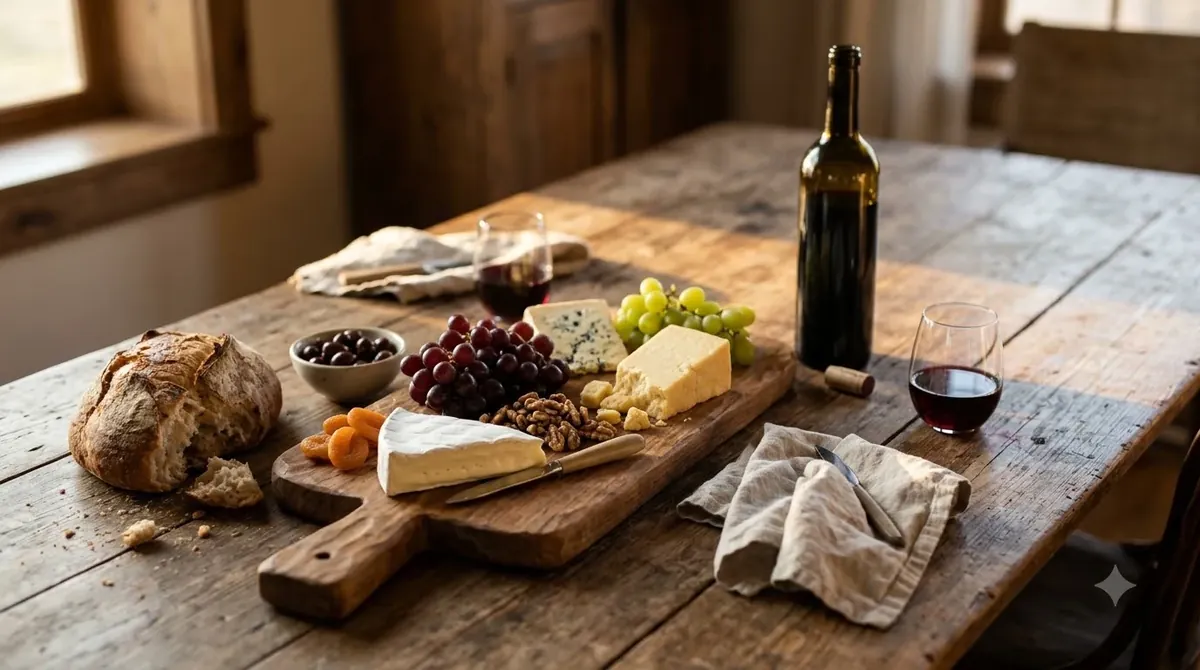
Greek and Mediterranean dishes are a natural choice. Lamb with herbs, grilled vegetables with olive oil, and tomato-based stews all share the wine’s savory and spicy notes. For a simple dinner, a roast chicken with lemon and herbs is an easy match that lets the wine show its structure.
How to choose a bottle
Start by reading the label for the region. A bottle from Naoussa is the clearest way to taste the grape in its classic form, and many producers there make wines that are firm, savory, and built to age. Wines from other Macedonian areas may show a slightly different balance, so the producer’s description will tell you what to expect.
Look for the producer’s own notes on tannin and acidity, since those two numbers describe the wine’s personality better than any single tasting word. Words such as “firm,” “structured,” or “silky” tell you how the tannins feel, and “bright” or “fresh” point to a lively acid profile. Many Greek producers also describe the vineyard site, altitude, and soil, which can help you understand why two bottles from the same region taste different.
When you find a bottle you like, note the producer and vintage. Greek wine shops and importers often carry more than one bottling from the same estate, which makes it easy to compare a younger release with an older one and see how the grape changes with time.
Check the vintage as well. A younger wine is more fruit-forward and easier to approach, while an older bottle will show more savory depth. If you are new to the grape, a middle-aged wine with a clear producer description is often the most rewarding first purchase.
Frequently Asked Questions
What does xinomavro taste like?
Xinomavro is dry and firmly structured, with high acidity and tannin. Typical flavors include raspberry, plum sauce, anise, allspice, and tobacco, and older bottles develop savory and earthy notes.
Is xinomavro similar to Nebbiolo?
Many people make the comparison because both grapes have high acidity, firm tannins, and a pale color for their level of structure. The flavors are not identical, but the aging potential and food-friendly style are often described as similar.
Where is xinomavro grown?
The grape is native to Greece and grows mainly in Macedonia, with Naoussa as its best-known area. It is also planted in Goumenissa, Rapsani, and several smaller regions.
Should xinomavro be decanted?
Decanting helps young or firmly structured bottles, since it softens the tannins and opens the aroma. Older wines may need less time, because too much air can fade their delicate notes.
Xinomavro rewards curiosity and a little patience. For a related red with similar structure, read the Nebbiolo grape guide, or look at the Brunello di Montalcino grape page to see how a high-acid, age-worthy red shows up in another region. The Wine by Type guide covers more grapes and styles if you want to keep exploring.
More in Wine Types & Grapes
 Zinfandel Sugar Content: Dry Red vs. White Zinfandel GramsUpdated Nov 21, 2026
 Best Zinfandel Substitute Options for Sipping and CookingUpdated Nov 21, 2026
 Zweigelt Food Pairing: Best Dishes, Cheeses, and Serving TipsUpdated Nov 21, 2026
 Zinfandel Tannins Explained: How Structure Shapes Every BottleUpdated Nov 21, 2026
 Zinfandel Sweetness Level: Dry Red vs. Sweet White Zin ExplainedUpdated Nov 21, 2026
 Xinomavro Food Pairing: Best Dishes, Styles, and Serving TipsUpdated Nov 21, 2026