

We may earn a commission when you buy through links on this page, at no extra cost to you. Learn more.
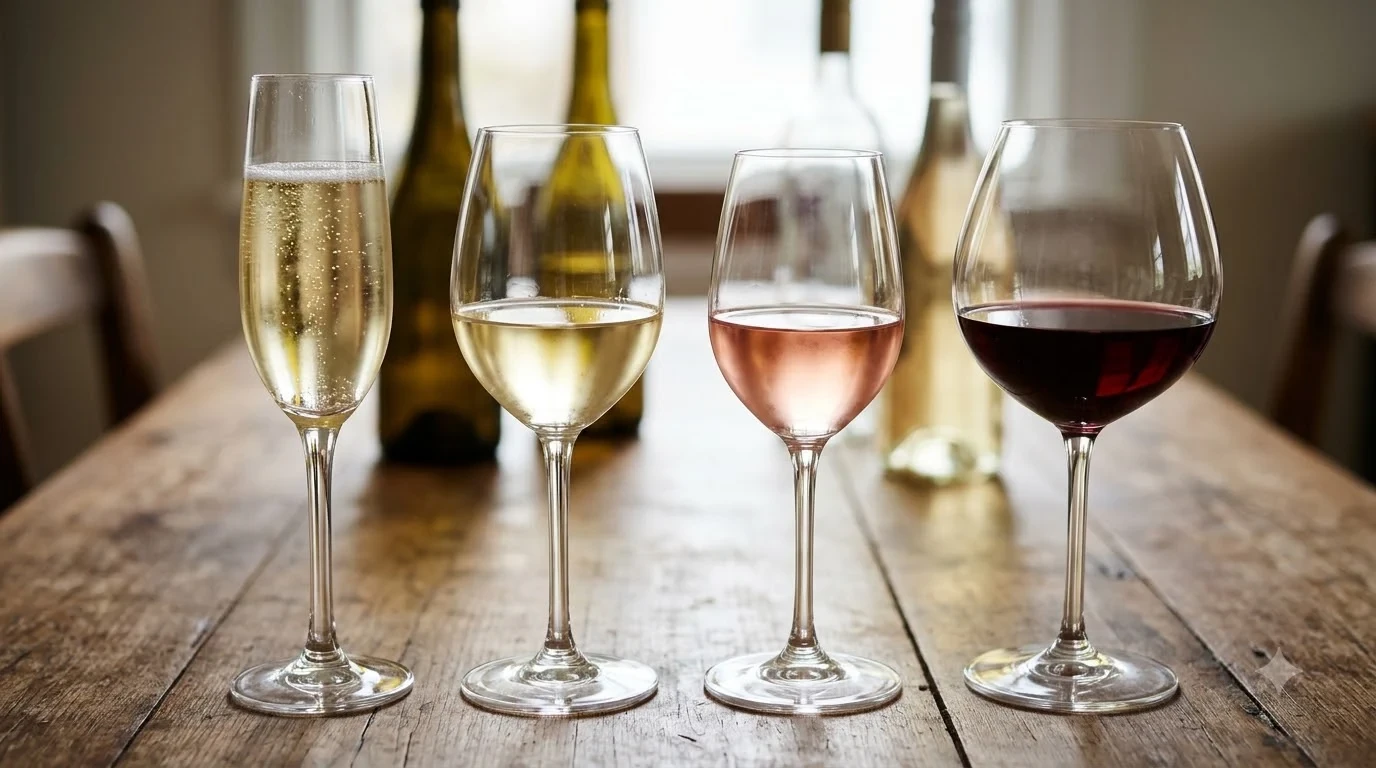
The best chardonnay at Costco is usually the bottle whose style matches what you enjoy: crisp and unoaked for a lean, citrus-driven glass, or oaked and creamy for a richer, butter-and-vanilla profile. Chardonnay is among the most familiar white wines on American shelves, and warehouse-club displays often carry more than one style at a time. Because stock changes from store to store and season to season, the most useful skill is reading a label and knowing which clues point to the taste you want.
Warehouse-club displays often group white wine by brand or region rather than by grape, so chardonnay can be spread across several shelves. This guide explains the styles you are most likely to see, the label details that matter, and how to choose a bottle that suits your meal. It does not name specific bottles, since availability and selection change often.
Understand the Main Chardonnay Styles
Chardonnay is grown in many climates and made in many ways, so two bottles from the same grape can taste very different. According to Wine Folly’s chardonnay guide, the broad range runs from lean, crisp wines to rich, creamy, oak-aged ones. Knowing where a bottle falls on that range is the fastest way to predict whether you will like it.
Unoaked, cool-climate chardonnay tends to show green apple, pear, citrus and a chalky or mineral note. It is lean and crisp with high acidity, and it usually sits at a lower alcohol level than richer styles. Oaked, warmer-climate chardonnay tends to show peach, mango, lemon, vanilla and butter, with a fuller body and creamy texture. Many shoppers reach for the oaked style first, but the crisp style is often the better match for seafood and salads.
Read the Label for Clues
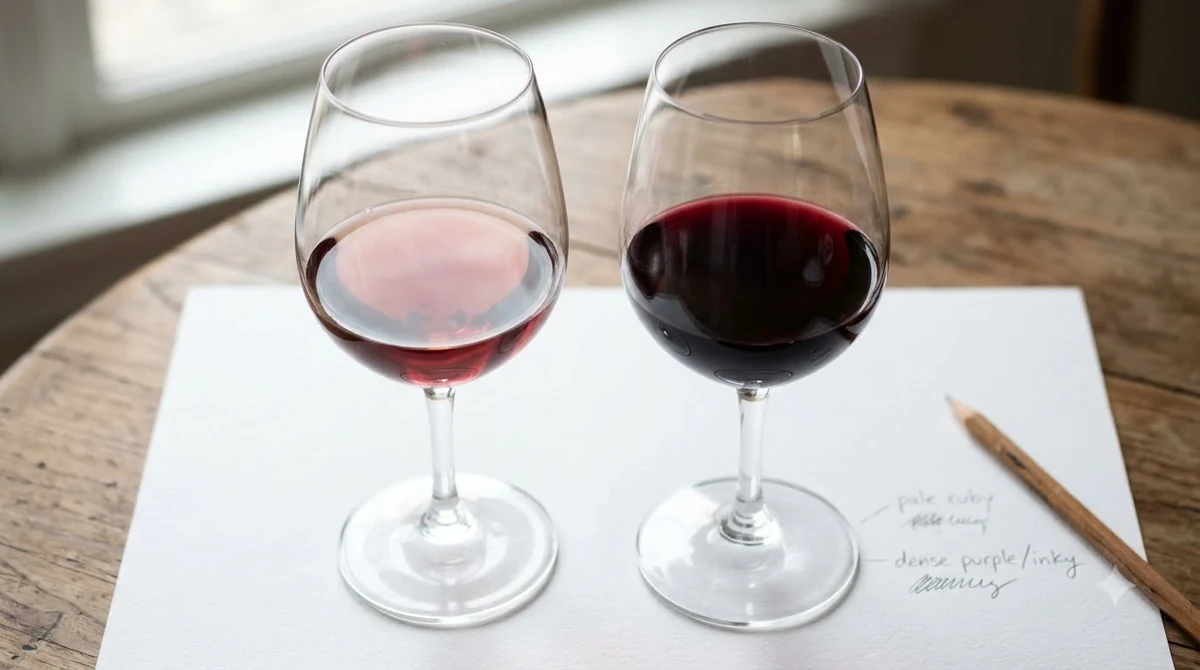
Even without a tasting note, a label can tell you a lot. Start with the region, since cooler areas tend to produce brighter, more citrus-driven wines, while warmer areas often produce riper stone fruit and tropical flavors. The region is usually printed on the front or back label. Words like “unoaked” or “stainless steel fermented” point to a crisper style, while “barrel fermented” or “oak aged” suggest a rounder, more buttery wine.
Vintage matters too. Chardonnay is generally best enjoyed young, though some oaked bottles from good years can develop nutty, honeyed and toasted notes with time. For everyday drinking, a recent vintage is usually the safer choice. If the label mentions a particular producer’s estate or a single vineyard, that often signals a more focused and sometimes more complex bottle.
| Label clue | Likely style | What to expect in the glass |
|---|---|---|
| Unoaked or stainless steel fermented | Lean and crisp | Green apple, pear, citrus and high acidity |
| Oak aged or barrel fermented | Rich and creamy | Peach, vanilla, butter and a fuller body |
| Cool-climate region named | Bright and mineral | Citrus, apple and a firm finish |
| Warm-climate region named | Ripe and tropical | Stone fruit, mango and lemon curd notes |
Match the Style to Your Meal
Pairing is where chardonnay really shows its range. Lean, unoaked styles work well with lighter food: roasted chicken, grilled white fish, shellfish and fresh salads with citrus dressing. Their acidity cuts through fat and brightens delicate flavors without overwhelming them.
Richer, oaked chardonnay suits creamy pasta, roasted poultry with herbs, lobster with butter, and soft cheeses. The toasty, buttery notes stand up to these dishes and echo the flavors that come from cooking with butter. If you are serving a crowd with mixed preferences, a medium style with moderate oak is often the easiest to share.
Serving temperature changes the experience too. Wine Folly suggests about 45°F for leaner styles such as Chablis and about 55°F for oaked styles, with a general range of 45 to 55°F for most still chardonnay. Sparkling chardonnay is served colder, around 38 to 45°F. Chilling a rich wine too far can mute its aromas, so take it out of the fridge a few minutes before pouring if it seems very cold.
Common Mistakes When Buying Chardonnay in Bulk
Warehouse clubs encourage buying in larger quantities, which is useful for a wine you already like and risky for one you have not tried. Buying a case of an oaked style when you prefer crisp wines is a common mistake, as is assuming that a higher price always means a better match for your taste. Price alone rarely tells you about style.
Another mistake is storing chardonnay too warm. Keep bottles in a cool, dark place and drink them within a year or two of purchase, unless the label or producer says otherwise. A bottle that has been sitting near a window or in a hot car can taste flat and dull even when the wine itself was well made.
- Taste a single bottle first. Try one style before buying a multi-bottle pack.
- Read the region and oak note. These two clues predict the taste more reliably than the brand name.
- Check the vintage. Choose recent bottles for everyday drinking.
- Store it properly. Keep it cool and out of direct light until you serve it.
Tip: If you want to compare styles side by side, buy one lean and one oaked bottle from the same region and taste them together with a simple dinner. The difference is often clearer than any written description.
Choosing Chardonnay for Different Occasions
The right bottle also depends on the setting. For a weeknight dinner, a medium-bodied chardonnay with moderate oak is usually the most flexible choice, since it works with chicken, pork, pasta and vegetables without overwhelming any of them. Buying two bottles of the same style is a practical way to keep dinner simple.
For a gathering, a lean and crisp chardonnay can serve as an easy opener before guests move on to richer dishes. Guests who drink little white wine often respond well to the citrus and green apple notes of an unoaked style, while guests who already enjoy buttery chardonnay will appreciate a richer bottle with the main course. Offering both styles, and labeling them, helps people find what they like without asking.
For a gift, a recent vintage from a region the recipient might not know can be a good conversation starter. Keep the label, note the region and style, and include a short line about how it pairs with food. A simple card like that makes a modest bottle feel considered.
Finally, consider the people who will not drink alcohol or who prefer lighter drinks. Sparkling water with lemon, sparkling juice, or a non-alcoholic wine can make the table feel welcoming without making the evening about one bottle. Responsible drinking is a good habit at any table, and planning for a range of guests keeps the meal relaxed.
Frequently Asked Questions
What is the difference between oaked and unoaked chardonnay?
Oaked chardonnay is aged in oak barrels and tends to taste richer, with vanilla, butter and toasted notes. Unoaked chardonnay is fermented or aged in steel, which keeps the wine crisp and fruit-forward with citrus and green apple flavors.
Which chardonnay goes best with chicken?
Both styles can work. A lean, unoaked chardonnay suits grilled or lightly seasoned chicken, while an oaked chardonnay pairs well with roasted chicken and creamy sauces.
Does the price tell me how good a chardonnay will taste?
Not reliably. Style, region and vintage are better guides to what you will taste. A lower-priced bottle can suit your preferences better than a more expensive one that is oaked when you want a crisp wine.
How should I serve chardonnay?
Serve most still chardonnay between about 45 and 55°F, with leaner styles toward the cooler end and oaked styles slightly warmer. Sparkling chardonnay is best colder, around 38 to 45°F.
For more on the other white wines and shopping options in the warehouse club, see the white wine at Costco guide, the red wine at Costco guide and the champagne at Costco guide. The wine-buying guide explains how to read labels and match wine to food in more depth. Chardonnay is a versatile grape, and a few minutes spent reading the label will usually lead to a better bottle than picking by shelf position.
More in Wine Buying Guides
 Riesling Gift: Choose a Bottle They’ll LoveUpdated Nov 21, 2026
 Sweet Red Wine Gift: Choose a Bottle They’ll LoveUpdated Nov 21, 2026
 Malbec Gift: How to Choose a Memorable Bottle for Any OccasionUpdated Nov 21, 2026
 Sherry Gift Ideas That Match Every Wine LoverUpdated Nov 21, 2026
 Moscato Gift: How to Choose a Sweet Wine They’ll LoveUpdated Nov 21, 2026
 Merlot Gift: How to Choose a Bottle They’ll AppreciateUpdated Nov 21, 2026