

We may earn a commission when you buy through links on this page, at no extra cost to you. Learn more.
The fiano grape is a white variety from southern Italy, best known for dry, aromatic wines from Campania, where it is often labeled Fiano di Avellino. The wines have a rich, almost waxy texture, medium acidity, and flavors of pear, hazelnut, and citrus peel. They are a strong choice for people who want a white with more body than Pinot Grigio but without the heaviness of oaked Chardonnay.
If you have seen fiano on a wine list and wondered what it tastes like, this guide covers the basics. It explains where the grape grows, how the wines taste, how to serve them, and which dishes pair well, so you can decide whether a bottle fits your next dinner.
Where Fiano Comes From
Fiano is a Southern Italian variety. Its best-known home is Campania, the region around Naples, where the grape has been grown for a long time. Many bottles carry the name Fiano di Avellino, which refers to a specific area inside Campania. The name on the label tells you a lot about what to expect, because the place where the grapes were grown shapes the wine’s structure and aroma.
Because fiano is a regional grape, it is less common than Chardonnay or Sauvignon Blanc outside Italy. That scarcity is one reason many wine shops now carry a few bottles as a way to introduce drinkers to Italian whites. If a store does not stock fiano, look for other southern Italian whites on the same shelf, since the flavor profiles overlap in some ways.
The grape also has a reputation as a wine that rewards patience. Young bottles often show bright fruit and a floral note, while older bottles develop deeper nutty and honeyed tones. That range makes fiano a useful wine to study, because a single grape can show very different personalities depending on the vintage and how the winemaker handled the juice.
Flavor and Aroma Profile
Fiano is known for an aroma that moves from fresh fruit to nutty and savory notes. According to the Wine Folly fiano guide, the primary flavors are honeydew melon, Asian pear, hazelnut, orange peel, and pine. Those notes give the wine a layered character that changes as it warms in the glass.
The texture is one of the grape’s signature traits. The same guide describes the wine as rich and almost waxy, which means it coats the mouth more than a light, crisp white. Acidity is medium, so the wine stays balanced, and the finish often carries a bit of savory or herbal edge rather than only sweet fruit.
How the Wine Is Styled
Most fiano is made dry. The body is medium-light, and the wine contains no tannins, which means it feels smooth rather than grippy. Alcohol typically falls between 11.5% and 13.5% ABV, according to the same Wine Folly page, so the wine is moderate in strength compared with many big reds and oaked whites.
Winemakers can choose different approaches. Some bottles are fermented and bottled fresh to highlight the fruit and floral notes. Others spend time on their lees, which adds texture and a creamy feel. The style on the label is the best guide, and the producer’s description will usually tell you whether the wine is fresh and light or fuller and more textured.
| Trait | Typical fiano |
|---|---|
| Color | Pale gold to straw |
| Body | Medium-light |
| Acidity | Medium |
| Tannins | None |
| Alcohol | 11.5% to 13.5% ABV |
| Main flavors | Pear, honeydew, hazelnut, citrus peel |
| Serving temperature | 45 to 55 degrees Fahrenheit |
How to Serve Fiano
Serve fiano chilled, between 45 and 55 degrees Fahrenheit, which is the range listed in the Wine Folly guide. That temperature keeps the aromas open while leaving enough texture to show the wine’s richness. A white wine glass with a moderate bowl is a good choice because it lets the nutty and floral notes gather near the rim.
Decanting is not needed for most bottles. Fiano is usually ready to drink on release, and a short time in the glass is enough to bring out the aroma. If the bottle is older and has developed more savory notes, pouring it a few minutes before serving will help the flavors open.
Tip: Keep an open bottle in the refrigerator and drink it within a few days. Fresh, aromatic whites lose their lift faster than heavier wines, so a smaller bottle is often the better buy for a single dinner.
Food Pairings That Work Well
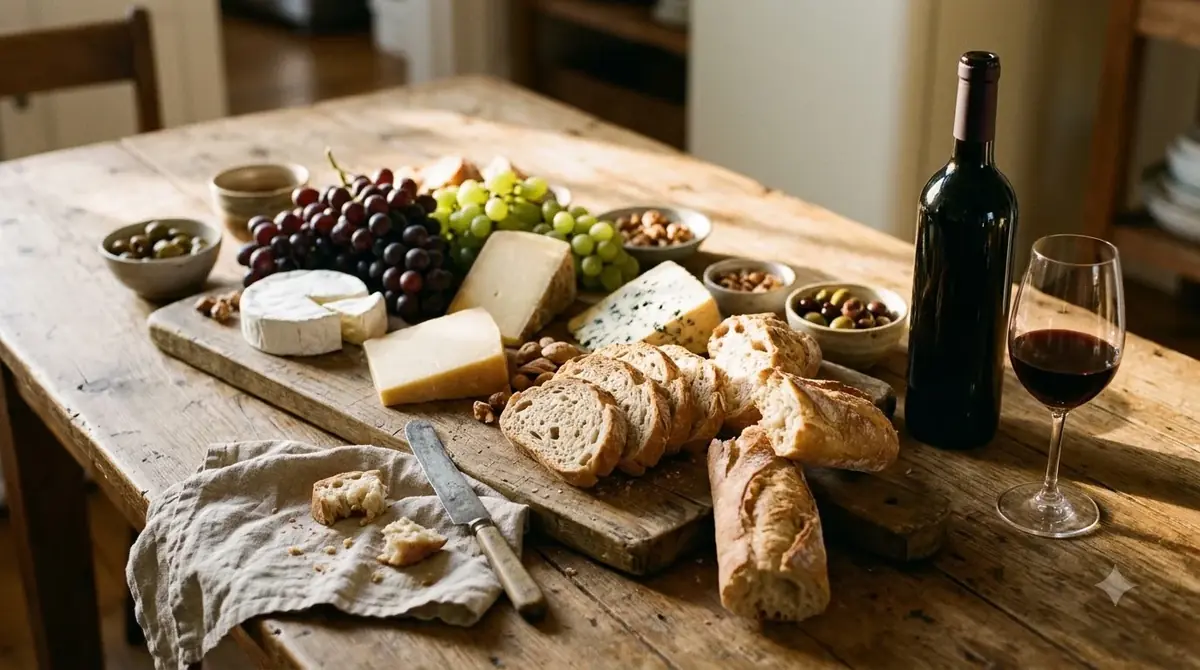
Fiano is a food wine. Its weight and savory edge make it a natural partner for dishes that have a bit of richness. The Wine Folly guide points to savory, glazed light meats as a strong match, with examples such as orange-rosemary roasted chicken and soy-glazed salmon. Both dishes have enough sweetness and salt to meet the wine’s texture without overwhelming its fruit.
Other good matches include grilled white fish with lemon, roasted vegetables with olive oil and herbs, and pasta with clams or light cream sauces. Soft cheeses such as fresh mozzarella also pair well. Avoid very spicy dishes, since heat can make a wine with a waxy texture taste flat.
How to Choose a Good Bottle
Look first for the region on the label. A bottle that names a specific area in Campania usually gives a clearer sense of style than a general Italian white. Next, read the producer’s notes for words such as fresh, floral, or textured. Fresh styles suit lighter meals and warm weather, while textured versions match roasted or glazed dishes.
Check the vintage as well. Fiano can age, and the Wine Folly guide gives a cellaring window of 5 to 10 years for good bottles. Ask the shop staff whether the bottle was recently released, because a wine that has sat under warm store lights for a long time loses its aromatic edge. Younger wines are usually at their most aromatic in the first few years after release, so a recent vintage is a safe choice for drinking now. Older bottles can add complexity but are less predictable, so buy from a store that stores its wine carefully.
If you enjoy comparing grapes, the guide to cotes du rhone grape explains how a blend of several varieties differs from a single-variety white like fiano. For another Italian option, the page on la crescent grape covers a cold-hardy white from a different tradition, and the nero d avola grape guide covers a Sicilian red that offers a useful contrast.
Frequently Asked Questions
Is fiano a red or white grape?
Fiano is a white grape. Its wines are usually dry and aromatic, with a richer texture than many other Italian whites.
Does fiano taste like Chardonnay?
Fiano can share the body of a richer Chardonnay, but it usually has less oak and a more nutty, pear-like character. Fresh styles can be lighter and more floral than most Chardonnays.
How long can you keep a bottle of fiano?
Many bottles are meant to drink within a few years of the vintage. The Wine Folly guide gives a cellaring window of 5 to 10 years for good examples, but check the producer’s advice on the label or website.
Should fiano be served cold?
Yes, serve it chilled between 45 and 55 degrees Fahrenheit. Too cold will mute the aromas, while too warm can make the wine feel heavy.
Fiano rewards a little curiosity. It offers the richness of a fuller white with a savory, mineral finish, and it works well with simple roasted or grilled food. Pick a bottle from a clearly labeled region, serve it cool, and pair it with a dish that has some fat and herbs to see what the grape can do.
More in Wine Types & Grapes
 Zinfandel Sugar Content: Dry Red vs. White Zinfandel GramsUpdated Nov 21, 2026
 Best Zinfandel Substitute Options for Sipping and CookingUpdated Nov 21, 2026
 Zweigelt Food Pairing: Best Dishes, Cheeses, and Serving TipsUpdated Nov 21, 2026
 Zinfandel Tannins Explained: How Structure Shapes Every BottleUpdated Nov 21, 2026
 Zinfandel Sweetness Level: Dry Red vs. Sweet White Zin ExplainedUpdated Nov 21, 2026
 Xinomavro Food Pairing: Best Dishes, Styles, and Serving TipsUpdated Nov 21, 2026