

We may earn a commission when you buy through links on this page, at no extra cost to you. Learn more.
La Crescent grape is a white variety bred at the University of Minnesota to survive harsh winters, and it is known for citrus, apricot and pineapple aromas. Its cold tolerance is the main reason it is planted in northern vineyards where many classic European grapes cannot survive the season. Wines made from it tend to be fresh and fruit-forward, which makes it a useful white for drinkers who want something a little different from Chardonnay or Sauvignon Blanc.
La Crescent belongs to a group of cold-hardy grapes developed for regions with long, freezing winters. If you are new to this variety, this guide explains where it came from, how it tastes, how it is grown, what to look for on the label and what to eat with it. For a broader overview of the white wines in this family, see our La Crescent wine page.
Where the La Crescent grape comes from
The variety was developed by the University of Minnesota’s cold-hardy grape breeding program. Its listed pedigree is a cross between St. Pepin and Elmer Swenson 6-8-25, two cold-tolerant selections from the same program. Researchers James Luby and Peter Hemstad are credited with creating it, and the university received a United States plant patent for the grape in 2004. The background of the breeding work is summarized in the La Crescent grape article.
Because the variety is patented, growers who want to propagate it need a license from the university. This is a common arrangement for research varieties, and it means that nursery stock is traceable to a single breeding source rather than to informal cuttings passed between vineyards.
Breeding programs like this one were set up to answer a practical question: how do you make a grape that can be grown commercially where winter temperatures drop far below what most Vitis vinifera vines can handle? La Crescent is one of the more successful answers to that question, and it has gained a following among growers and winemakers in the northern United States.
Cold hardiness and where it grows
The main selling point of La Crescent is its winter survival. The licensing application cited in the patent material says the vine tolerates temperatures down to −36°F (−38°C). That is a level of cold tolerance many classic European varieties cannot reach, which is why the grape is planted in cold-climate regions where winters regularly fall well below freezing.
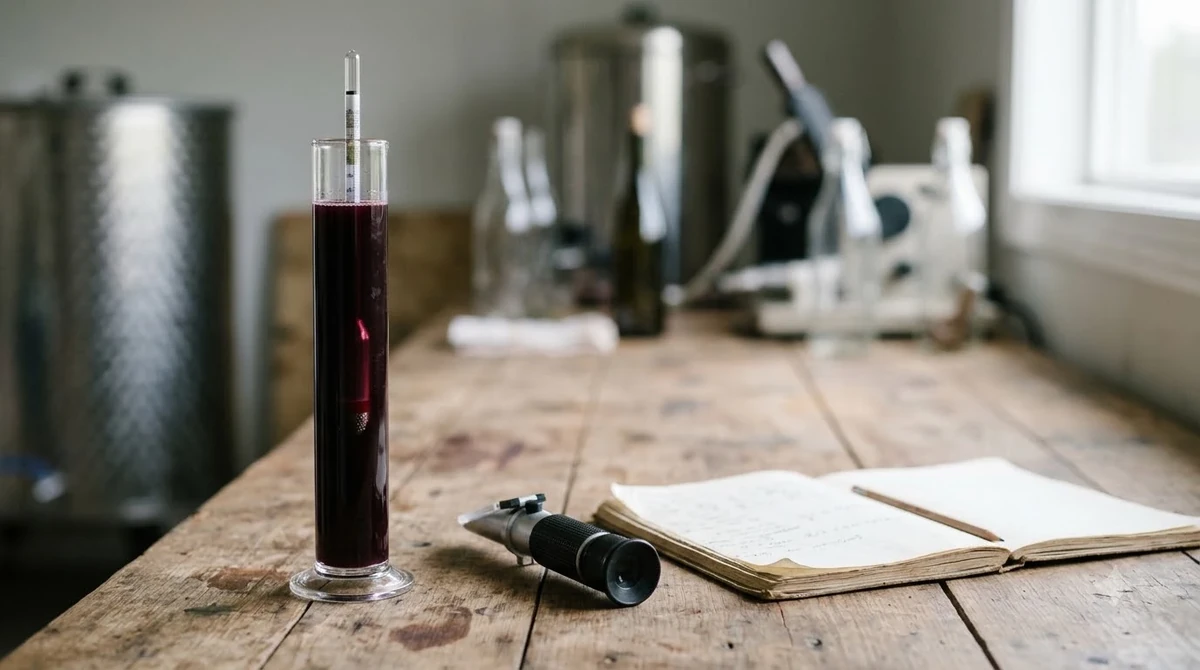
Cold tolerance matters for more than survival. A vine that loses buds or wood to winter damage produces a smaller crop the following year, and a poor crop can change the balance of sugar and acid in the fruit. A variety that handles the cold reliably gives growers more predictable harvests, and that consistency shows up in the wine.
Growers in cold-climate regions also rely on the grape because it lets them make a white wine from local fruit rather than shipping in grapes from warmer regions. For a buyer, this means a La Crescent bottle is often tied to a specific farm or small region, and the producer’s tasting notes usually say more about the vineyard than a generic label would.
| Trait | La Crescent |
|---|---|
| Color | White |
| Origin | University of Minnesota breeding program |
| Cold tolerance | About −36°F (−38°C), per the patent licensing application |
| Main aromas | Citrus, apricot, pineapple, muscat |
| Off aromas | No “foxy” labrusca character, per the patent description |
Flavor and aroma profile
Wines made from La Crescent show citrus, apricot, pineapple and muscat aromas, according to the patent description. That description compares them to Riesling and Vignoles, two white varieties that many drinkers already know. It also says the grape lacks the “foxy” aromas associated with Vitis labrusca and the herbaceous notes of Vitis riparia. For buyers who dislike those flavors in some American hybrid wines, that is an important point.
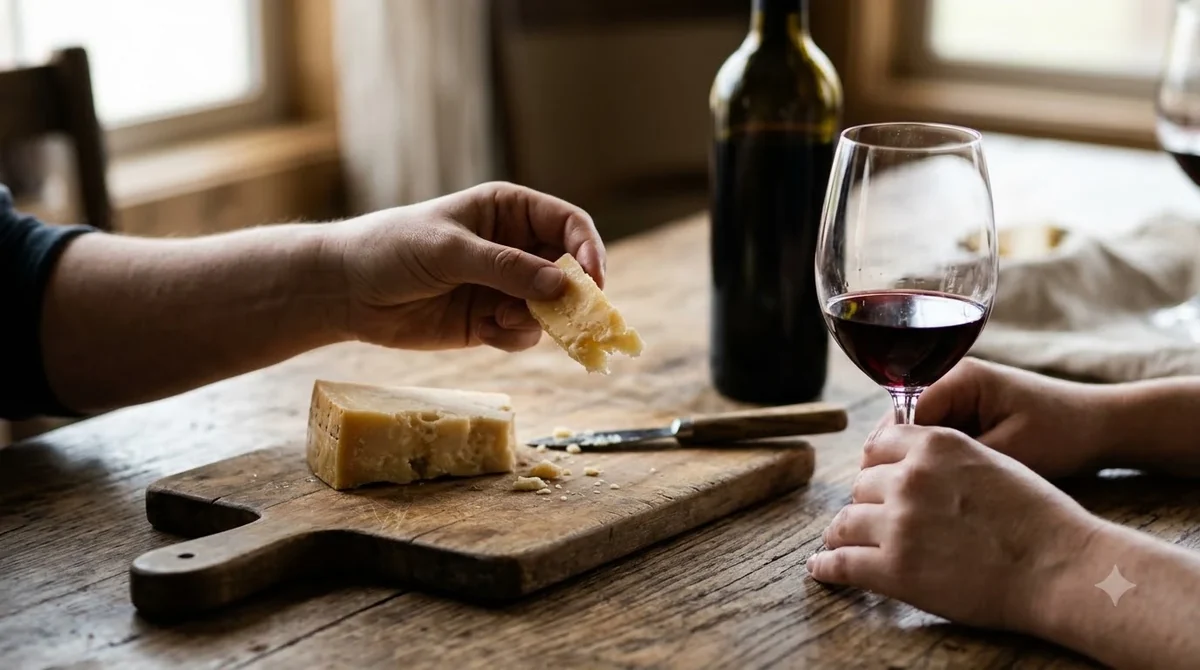
Acidity and sweetness depend on the producer. A winemaker who ferments the wine fully will produce a crisper, drier bottle, while one who stops fermentation early or adds back a little unfermented juice will produce a sweeter, rounder style. The label or tasting notes usually make the difference clear.
The fruit character also changes with ripeness. Grapes picked earlier tend to show more citrus and green-apple notes, while fuller ripeness brings out apricot and tropical fruit. This is why two La Crescent wines from different vintages can taste quite different even when they come from the same vineyard.
Styles and how to serve La Crescent
La Crescent can be made in several styles, from dry table wines to sweeter bottlings. The style is set by the winemaker, so check the label or the producer’s website before you buy. Because the wine is white and aromatic, most people serve it cool rather than ice-cold, since very low temperatures mute the fruit. A standard white wine glass with a slightly narrower bowl helps concentrate the aromas for the drinker.
Opening a bottle an hour or two before serving is not essential for a fresh white like this one, but it can help the aromas open up if the wine has been chilled hard. Keep leftover wine sealed and refrigerated, and drink it within a few days for the best fruit character.
Food pairings that suit La Crescent
Citrus and apricot notes make La Crescent a practical match for lighter dishes. Grilled chicken, roasted pork with fruit glaze, fresh green salads and mild cheeses such as fresh goat cheese all work well. A slightly sweeter bottle pairs nicely with spicy Thai or Indian dishes, where a touch of sugar softens the heat and keeps the palate balanced.
Seafood is another good match, especially white fish with lemon or herbs. The wine’s acidity cuts through rich sauces, and its fruit character brings out the sweetness in shellfish. If you want a comparison point for a similar style, the fiano grape guide covers another aromatic white that is often served with food.
How to choose a La Crescent bottle
Start with the label. Look for the producer name, the vintage and any description of style, whether dry or sweeter. Compare the tasting notes with what you expect: if the producer describes citrus and tropical fruit, the wine should show those notes clearly. A producer who explains the vineyard site and harvest timing usually gives you more useful information than one who lists only general adjectives.
Price is not a reliable guide to quality for this variety, so compare bottles on style and producer notes rather than cost. If you are buying for a dinner, a dry bottle is the safer choice for a wide range of dishes, while a sweeter bottle suits dessert or spicy food.
For more reading on how white wines are grouped by grape and style, the Wine by Type section is a good place to start. You can compare La Crescent with other aromatic whites and decide which style fits your table.
Frequently Asked Questions
Is La Crescent a grape or a wine?
La Crescent is a grape variety. Winemakers use it to make white wine, and the name on the bottle usually refers to the grape rather than a brand.
How cold can La Crescent vines survive?
The licensing application cited in the patent material gives a figure of −36°F (−38°C). That is the main reason the variety is grown in northern climates with very cold winters.
What does La Crescent taste like?
The patent description lists citrus, apricot, pineapple and muscat aromas. Acidity and sweetness vary by producer, so the label or tasting notes give the most accurate guide to a specific bottle.
Can growers plant La Crescent without permission?
No. The variety is patented, so growers who want to propagate it need a license from the University of Minnesota. Buyers do not need a license to drink or purchase the wine.
La Crescent offers a clear example of how breeding programs have widened the range of wines available in cold regions. Read the label, check the producer’s notes, and match the style to your meal. For a wider look at how grapes and styles are grouped, return to the Wine by Type guides and compare what you find.
More in Wine Types & Grapes
 Zinfandel Sugar Content: Dry Red vs. White Zinfandel GramsUpdated Nov 21, 2026
 Best Zinfandel Substitute Options for Sipping and CookingUpdated Nov 21, 2026
 Zweigelt Food Pairing: Best Dishes, Cheeses, and Serving TipsUpdated Nov 21, 2026
 Zinfandel Tannins Explained: How Structure Shapes Every BottleUpdated Nov 21, 2026
 Zinfandel Sweetness Level: Dry Red vs. Sweet White Zin ExplainedUpdated Nov 21, 2026
 Xinomavro Food Pairing: Best Dishes, Styles, and Serving TipsUpdated Nov 21, 2026