

We may earn a commission when you buy through links on this page, at no extra cost to you. Learn more.
The best Hudson Valley wineries combine historic estates, cool-climate Riesling and Cabernet Franc, and a range of hybrid grapes, and the right pick depends on whether you want a long history, a classic European-style grape or something more local. The Hudson River Region is one of New York State’s American Viticultural Areas, and the valley has some of the oldest continuously operating wine producers in the country. Use the styles below to build a short list before you plan your route.
Hudson Valley wine is a regional story of river towns, farm country and wineries that have been in business for generations. The region is close enough to New York City to suit a day trip, and its wineries often work with grapes that handle a cooler, humid climate. This guide explains how to compare the estates, which grape styles to look for, and how to plan a visit that matches your interests.
Quick Comparison of Hudson Valley Winery Types
Hudson Valley wineries differ in age, grape focus and visiting style. The table below groups the main types so you can match a winery to what you want from the day, whether that is history, a specific grape or a relaxed afternoon with food.
| Winery type | What it focuses on | Best for | Planning note |
|---|---|---|---|
| Historic estates | Long-running wine production and early regional history | Guests who want a story with their tasting | Ask about tours and the age of the estate |
| Riesling-focused producers | Riesling, one of the most consistent high-quality vinifera grapes in the state | Dry and off-dry wine lovers | Check whether the style is dry or sweet on the menu |
| Cabernet Franc and red-focused estates | Cabernet Franc, a signature grape of the state | Red wine fans and food pairing | Ask about serving temperature for reds |
| Hybrid and native-grape producers | Catawba, Niagara, Delaware and French hybrids | Curious tasters who want something different | Read the label for the grape variety |
Best for Visitors Who Want History
The Hudson Valley has one of the longest wine stories in the country. According to the Wikipedia article on New York wine, the first commercial vineyard and winery in the Hudson Valley was established in 1827 at Croton Point. The same article credits Brotherhood Winery, in the Hudson Valley, as the country’s longest continuously operating winery. That history gives a tasting a context, and it is a good reason to start with an established estate on your first visit.
Historic estates often have the most to explain. Ask staff how the property has changed over the decades, which grapes were planted first and which styles the winery is known for today. A visit that centers on the story can be as memorable as the glass in your hand, especially for guests who enjoy regional history.
Best for Riesling Lovers
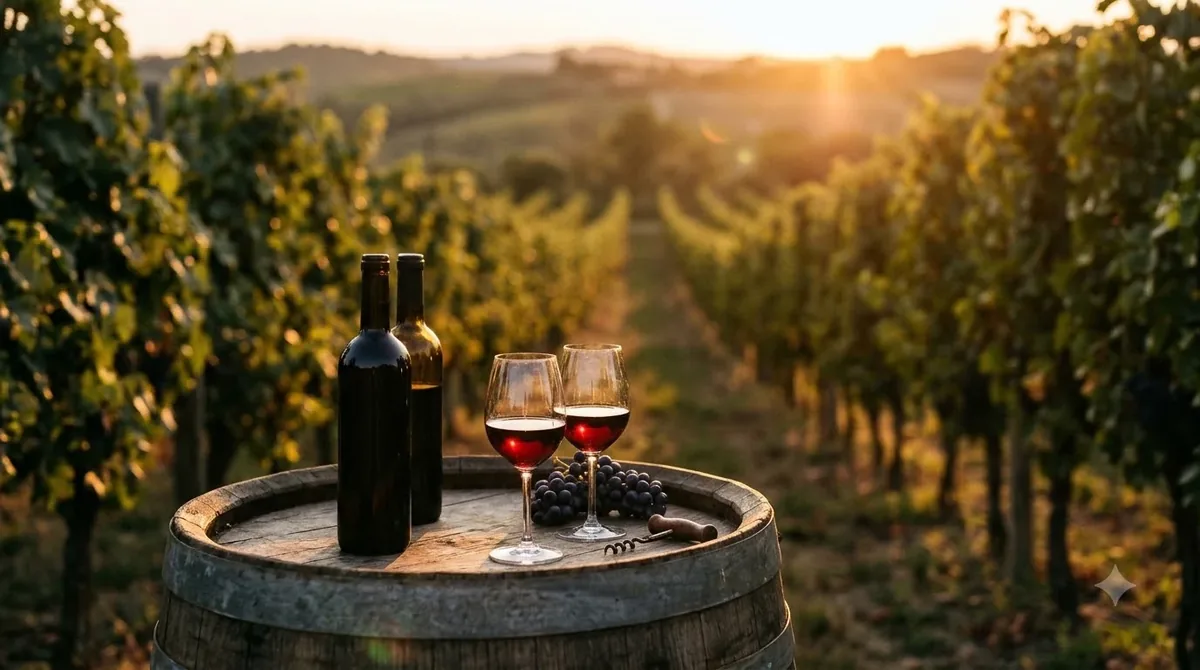
Riesling is the grape most often praised for New York’s cool-climate vineyards. The Wikipedia article describes it as the most consistent high-quality vinifera grape in the state, which makes it a natural place to start a tasting. Riesling can be dry, off-dry or sweet, and the best way to find your style is to taste a flight from dry to sweet and compare how the acidity changes across the glasses.
Riesling pairs well with food that has heat or fat. A dry or off-dry bottle can handle spicy dishes and creamy sauces, so plan a lunch or a cheese board at a winery with a good Riesling list. Serve the bottles cold and keep them away from direct sun on the drive home.
Best for Cabernet Franc and Red Wine Fans
Cabernet Franc is a signature grape in the state, according to the Wikipedia article on New York wine. It can show red fruit, herbal notes and a lighter structure than Cabernet Sauvignon, which makes it a good match for roast chicken, pork or mushroom dishes. Ask producers whether their Cabernet Franc is a dry or fruit-forward style, since the winemaking choices change the texture of the wine.
If you prefer a red with more fruit and less tannin, look for a younger bottle or one aged in stainless steel rather than oak. Those choices are easy to find on a tasting menu, and staff can explain how the wine was made.
Best for Hybrid and Native-Grape Explorers
Hudson Valley tasting menus often include hybrid and native grapes that are rare in other regions. The Wikipedia article on New York wine lists American hybrids such as Catawba, Niagara and Delaware, and French hybrids including Baco noir, Seyval blanc, Cayuga, Vidal and Vignoles. Vinifera is a small share of the state’s output, so tasting a hybrid wine is one way to see what the region does with grapes adapted to cold winters.
These wines can taste very different from the classic varieties, so compare them side by side. Ask staff which hybrid they recommend for a first taste, and whether the bottle is dry, semi-sweet or sweet. Read the label carefully, because the grape name tells you more about the style than the winery name alone.
Best for Cool-Climate Winemaking
The state’s wine regions share a continental climate, with cold winters and warm summers that vary by location. The Wikipedia article on New York wine notes that annual precipitation is 30 to 50 inches and that growing seasons differ across regions. That variation is why grape choices matter so much: a winery that works with hardy hybrids may focus on different styles than one growing Riesling or Cabernet Franc.
When you visit, ask how the winery manages the climate. Staff can explain pruning, canopy management and harvest timing, which gives you a clearer idea of why a bottle tastes the way it does.
How to Choose a Hudson Valley Winery
Start with what you want to learn. If history matters most, choose the oldest estate on your list. If you want a specific grape, look for the variety on the tasting menu, and check whether the winery specializes in it. If you are trying something new, pick a producer that offers a flight of hybrid and classic grapes so you can compare them in one visit.
Next, plan the logistics. Confirm opening hours, whether reservations are required, and whether food is served. Check the tasting fee and whether it is credited toward a bottle. Keep the route short, since two or three stops in a day is usually enough to taste carefully and enjoy the setting.
Tip: Taste from dry to sweet within each grape family. The order makes differences in sweetness and acidity easier to notice.
Frequently Asked Questions
When was the first Hudson Valley winery established?
According to the Wikipedia article on New York wine, the first commercial vineyard and winery in the Hudson Valley was established in 1827 at Croton Point.
What grape is the Hudson Valley known for?
Riesling is often singled out as the most consistent high-quality vinifera grape in New York State, and Cabernet Franc is also described as a signature grape. The region also grows many hybrid varieties.
Are Hudson Valley wines dry or sweet?
Both styles are made. Riesling can be dry, off-dry or sweet, and hybrid wines often vary widely. Ask the tasting staff for the sweetness level of each bottle before you buy.
How many wineries should I visit in one day?
Two or three stops is a comfortable plan for most visitors. That gives you time to taste carefully, eat, and drive between wineries without rushing.
Once you have chosen a few wineries, compare your plan with other regional guides. The article on best Napa Valley wineries shows how a larger region can be organized by style and area, and the best Willamette Valley wineries guide covers another cool-climate region for comparison. For basics on styles and serving, the wine buying guides are a good next read.
More in Wine Buying Guides
 Riesling Gift: Choose a Bottle They’ll LoveUpdated Nov 21, 2026
 Sweet Red Wine Gift: Choose a Bottle They’ll LoveUpdated Nov 21, 2026
 Malbec Gift: How to Choose a Memorable Bottle for Any OccasionUpdated Nov 21, 2026
 Sherry Gift Ideas That Match Every Wine LoverUpdated Nov 21, 2026
 Moscato Gift: How to Choose a Sweet Wine They’ll LoveUpdated Nov 21, 2026
 Merlot Gift: How to Choose a Bottle They’ll AppreciateUpdated Nov 21, 2026