

We may earn a commission when you buy through links on this page, at no extra cost to you. Learn more.
The best Montalcino wineries are the producers that focus on Brunello di Montalcino and Rosso di Montalcino, both made from sangiovese grosso in the hill town of Montalcino in Tuscany. Which estate suits you depends on whether you want a classic aged red, a younger Rosso, or a visit that combines wine with the town and its views.
Montalcino is a single hill town in the province of Siena, and the wineries around it make some of Italy’s most structured red wines. The town’s producers have grown from a handful in the 1960s to more than 200 today, so choosing among them can feel overwhelming. This guide groups the area’s wineries by what they make and by the kind of visit they suit, so you can narrow your list before you travel or shop.
Quick Comparison
The table below compares the main wine styles produced around Montalcino. Use it to match the style you want with the producers that make it.
| Style | Aging requirement | Good fit for |
|---|---|---|
| Brunello di Montalcino | Five years before release, six for the Riserva | Buyers looking for a long-aged, structured red |
| Rosso di Montalcino | Aged one year | Drinkers who want the local sangiovese style sooner and at a lighter weight |
| Moscadello | Traditional sweet white, historically the town’s best-known wine | Guests interested in the area’s older winemaking history |
| Sant’Antimo | Listed by the Brunello consortium among the area’s wines | Visitors who want a wider range of local styles |
Best for Classic Aged Reds: Brunello Producers
Brunello di Montalcino is the wine that put the town on the map, and it is the reason most visitors come. According to Wikipedia, Brunello is made from sangiovese grosso grown within the comune and must be aged five years before release, or six for the Riserva. Wikipedia also notes that Brunello was the first wine to be awarded DOCG status, a fact the Montalcino article gives without a year.
Producers who focus on Brunello tend to bottle a single style with a long aging period, so the difference between estates often shows in fruit, tannin and oak rather than in a wide range of blends. Ask which vintage is on offer and how the wine is aged, since those details shape how the bottle will develop. The Consorzio del Vino Brunello di Montalcino publishes the rules, traceability information and a list of member bottlers, which is a useful place to check a producer before you buy.
Best for Younger Reds: Rosso di Montalcino
Rosso di Montalcino is a DOC wine made from the same sangiovese grosso, but it is aged for a shorter time. Wikipedia gives its aging requirement as one year, which makes it a more approachable choice for everyday drinking than a long-aged Brunello.
Rosso is also a practical way to taste the Montalcino style before you commit to a full Brunello. Many visitors compare the two side by side, since the difference in age and structure is easy to notice in a single tasting. The consortium’s annual Red Montalcino event focuses on this wine, which shows how central Rosso is to the area’s production.
Best for Sangiovese Lovers
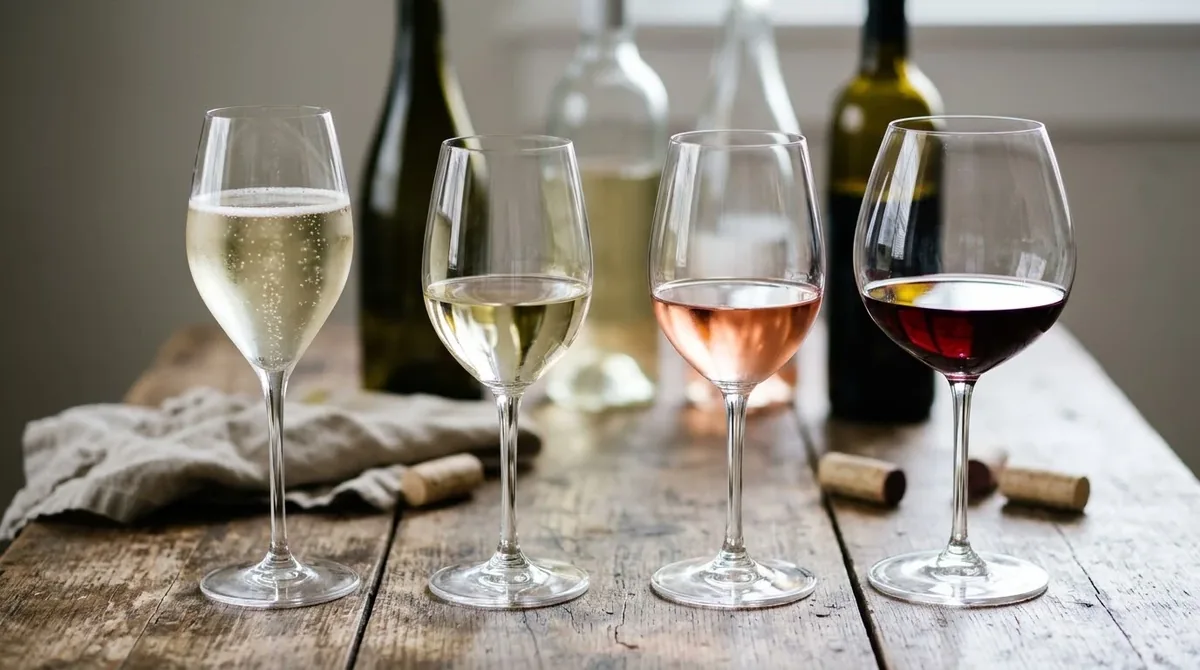
Sangiovese is the grape behind both Brunello and Rosso, and the Montalcino wineries are a good place to see how the grape changes with its site. Wine Folly describes Sangiovese as Italy’s most planted wine variety and notes that the grape’s style varies with where it grows, which is why estates on different slopes can taste quite different.
For serving, Wine Folly’s Sangiovese guide lists 60 to 68°F (15 to 20°C), which is a little cooler than many people expect for red wine. Serving the wine slightly cool helps keep the acidity lively and the tannin in balance, especially with a young Rosso.
Best for a Visit to the Hill Town
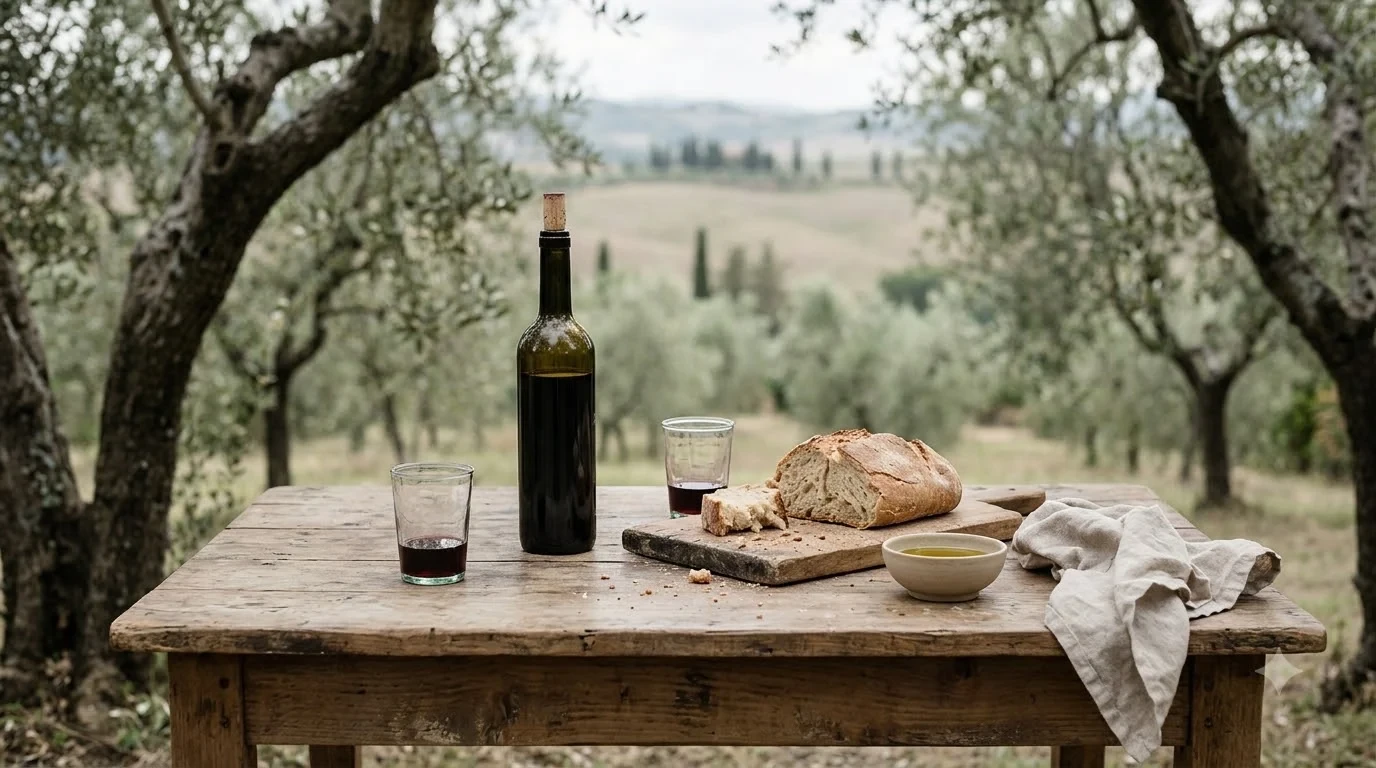
Montalcino is worth visiting for its setting as well as its wine. Wikipedia describes the town’s high position and the view over valleys dotted with olive orchards, vineyards, fields and villages, and it notes a fortress and the nearby Abbey of Sant’Antimo among the sights.
Plan a visit around a few wineries in the surrounding countryside rather than trying to cover everything in a single day. Driving between estates takes time on the hill roads, so a slower pace usually works better. Confirm tasting-room hours and booking requirements directly with each producer, since the consortium’s site does not list tour details.
If you travel with a group, agree on a shared list of two or three estates before you arrive. Groups that try to visit too many producers in one day often find that the later tastings lose their focus. A smaller list leaves time for lunch, for the view and for the kind of questions that make a tasting memorable.
Best for Planning a Wine Tour
Visitors who plan ahead tend to get the most from a trip to Montalcino. The consortium lists tastings, presentations and masterclasses through its events calendar, and the annual Benvenuto Brunello presentation of each new vintage is scheduled for 19 to 23 November 2026 in Montalcino. Check the calendar before you travel, because dates for events and tastings change from year to year.
Best for Buyers Who Want Clear Rules
Buyers who want a clear standard can rely on the aging rules that govern Brunello and Rosso. The consortium explains its regulations and vintage evaluation system on its website, which can help you understand what a label is promising before you open the bottle.
Look at the vintage year and the producer’s name on the label, and compare the aging rules for Brunello, Riserva and Rosso when you choose a bottle. A clear sense of which category you are buying makes it easier to match the wine to a meal or a special occasion.
Keep in mind that a wine’s category says how it was made and aged, not how it will taste on a given night. Storage, the vintage and the temperature at which the bottle is served all affect the glass, so treat the label as a starting point and use the producer’s tasting notes to confirm the style you expect.
How to Choose a Montalcino Winery
Start with the style you want. If you want a long-aged red for a special dinner, look for Brunello. If you want a lighter red for everyday meals, Rosso is the better fit. If you prefer a wine that tells the area’s older story, ask about Moscadello, which was historically the town’s best-known wine before Brunello’s development.
Next, decide how you will visit. A tasting in town suits a short stay, while a drive into the countryside suits visitors with more time. Readers comparing other wine destinations can also look at the guides to the best Temecula wineries and the best Paso Robles wineries to see how wine regions differ in style and visiting setup.
Tip: Ask each winery which vintage it is pouring. A younger vintage and a mature one can taste very different, even from the same estate.
Frequently Asked Questions
How long must Brunello di Montalcino be aged?
According to Wikipedia, Brunello must be aged five years before release, or six years for the Riserva. Check the label for the vintage and the category you are buying.
What is the difference between Brunello and Rosso di Montalcino?
Both are made from sangiovese grosso in Montalcino. Rosso is aged for one year, while Brunello is aged for five years before release, so Rosso is usually the lighter and more approachable of the two.
How many wineries are there in Montalcino?
Wikipedia says the number of producers grew from 11 in the 1960s to more than 200 today. The consortium publishes a list of member bottlers on its website, which is the best place to check a current producer.
How should I serve Montalcino red wine?
Wine Folly lists 60 to 68°F (15 to 20°C) as the serving range for Sangiovese, which is a little cooler than many people expect. Serve Brunello slightly cool and let it open in the glass as it warms.
For a balanced visit or purchase, pick one Brunello for a special occasion and one Rosso for everyday drinking, then compare them side by side. That approach covers the area’s main styles without overcommitting. For general tips on choosing bottles, see the wine buying guide.
More in Wine Buying Guides
 Riesling Gift: Choose a Bottle They’ll LoveUpdated Nov 21, 2026
 Sweet Red Wine Gift: Choose a Bottle They’ll LoveUpdated Nov 21, 2026
 Malbec Gift: How to Choose a Memorable Bottle for Any OccasionUpdated Nov 21, 2026
 Sherry Gift Ideas That Match Every Wine LoverUpdated Nov 21, 2026
 Moscato Gift: How to Choose a Sweet Wine They’ll LoveUpdated Nov 21, 2026
 Merlot Gift: How to Choose a Bottle They’ll AppreciateUpdated Nov 21, 2026