

We may earn a commission when you buy through links on this page, at no extra cost to you. Learn more.
The best merlot brands depend on the style you want, because the grape changes a great deal with climate and winemaking. Merlot is softer than Cabernet Sauvignon, with lower tannins and acidity, and it is grown from Bordeaux and Tuscany to Napa, Washington, and New York’s Finger Lakes. A bottle from a warm valley tastes very different from one grown in a cooler site, so the most useful way to choose is by region and style rather than by one fixed list.
This guide groups the producers and regions named in two wine reference sources, so you can match a bottle to the meal or occasion in front of you. It does not rank producers, and it does not list prices, because bottle prices and stock change from store to store.
Quick Comparison
Merlot is one grape, but its character shifts with where it grows. The table below compares the main styles, using how the sources describe each region.
| Style | Where it is typically grown | What to expect |
|---|---|---|
| Bordeaux-style Merlot | Saint-Émilion and Pomerol in France | Earthy notes, ripeness, and age-worthy structure in blends |
| Warm-climate Merlot | Napa and Sonoma Valleys, parts of Washington | Fuller, juicier fruit with higher alcohol and moderate tannins |
| Cool-climate Merlot | Cooler sites in the Finger Lakes and Long Island’s North Fork | Firmer tannins and herbaceous, peppery notes |
| Everyday Merlot | Widely produced across many regions | Soft red plum and cherry, easy with simple meals |
Regional names help you read a label quickly. A Pomerol or Saint-Émilion bottle signals a Bordeaux style, while a Napa or Sonoma label points to a riper, fuller expression.
Merlot is also widely blended. Wine Folly notes that it is often blended with Cabernet Sauvignon or Cabernet Franc, and it appears in Super Tuscan blends in Tuscany and in wines from Friuli-Venezia Giulia in Italy. VinePair describes the grape as having a “chameleon-like reputation” that shifts with where it is grown. Wine Folly lists typical Merlot alcohol at 13.5 to 15 percent by volume, which is a useful reference when comparing a warm-climate bottle with a cooler one.
Best for a classic Bordeaux-style Merlot
If you want the grape in its most traditional setting, look at Bordeaux. Merlot makes up about 60 percent of Bordeaux’s AOP vineyard plantings, according to Wine Folly, and it dominates the Right Bank blends in Saint-Émilion and Pomerol. Wine Folly notes that Pomerol and Saint-Émilion wines are known for their ability to age.
VinePair describes Bordeaux as the grape’s homeland, where Merlot is world famous for its role in the luxurious blends of Bordeaux, and where it appears in smaller amounts on the Left Bank.
Among the producers the sources name, Wine Folly lists Vieux Château Certan in Pomerol as one example of the style. These wines tend to reward patience, so they suit a dinner where the bottle is the centerpiece and you can decant it ahead of time. Wine Folly suggests decanting for about 30 minutes before serving.
Best for warm-climate, fruit-forward Merlot
Warmer regions tend to produce fuller wines with ripe fruit. VinePair describes Merlot from California’s Napa and Sonoma Valleys as solid, and Wine Folly notes that warm climates bring baked blackberry and fruitcake notes. Wine Folly also lists Washington’s Walla Walla Valley among the US regions where Merlot is grown, and VinePair notes that Washington is one of the other US areas producing the grape.
VinePair describes warm-climate Merlot as juicier and fruitier, with higher alcohol and moderate tannins, while cooler-climate examples sit closer to Cabernet in structure. Pepper Bridge Winery in Washington State is one producer that Wine Folly names. A warm-climate bottle works well with grilled meat and rich sauces, where the fruit and softer tannins balance the food.
Best for everyday, easy-drinking Merlot
Not every bottle needs to be a special occasion wine. Wine Folly describes an entry-level Merlot as easy-drinking and suited to everyday meals, and it notes that Chilean Merlot ranges from fruit-forward to more structured. Because Merlot has lower tannins and acidity than Cabernet Sauvignon, many people find it a more approachable red to share with a mixed group.
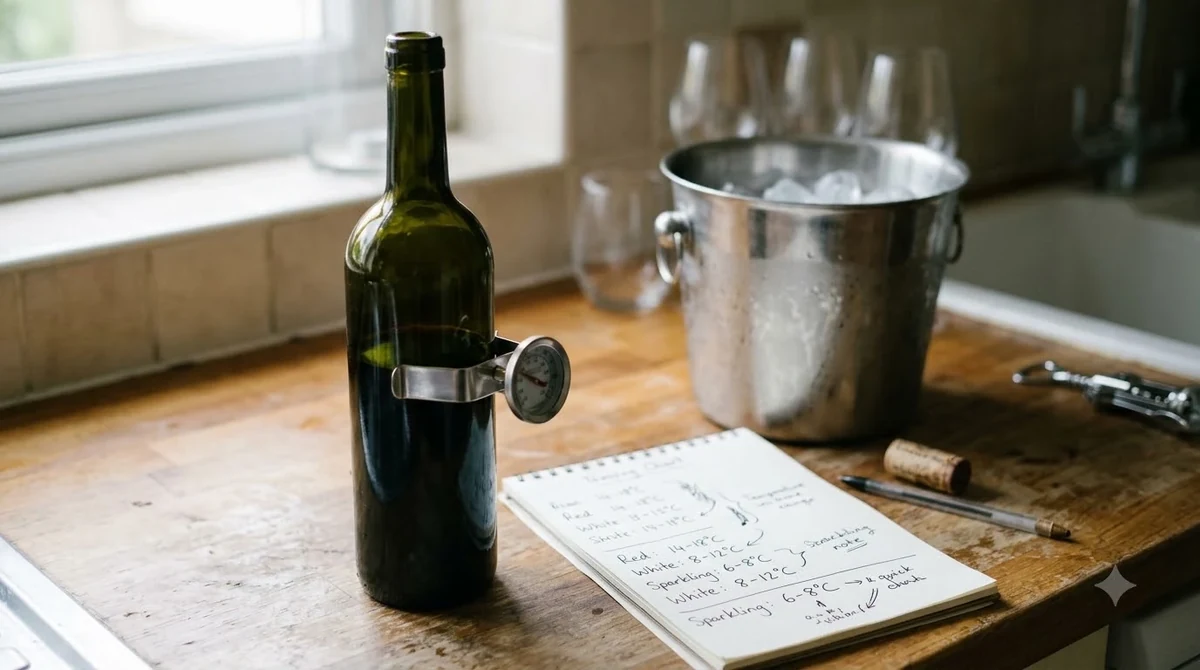
VinePair lists black cherries, blackberries, plums, cocoa, and violets among the typical notes, and Wine Folly lists cherry, plum, and vanilla as common flavors. If you are shopping for weeknight wine, look for a bottle that states its region on the label and is served slightly below room temperature. Wine Folly suggests a range of 60 to 68 degrees Fahrenheit.
Best for cool-climate Merlot
Cooler sites produce a different Merlot. Wine Folly notes that cool-climate examples show fresh red plum and cherry, with firmer tannins and herbaceous, peppery notes. VinePair lists New York’s Finger Lakes and Long Island’s North Fork among the United States regions where Merlot is grown.
This style often sits closer to Cabernet in structure. If you enjoy a bottle with more grip and less fruit sweetness, a cool-climate Merlot may suit you better than a warm-valley wine. For a broader view of the regions and styles, see the guide to best red wine brands.
Best for high-end, age-worthy Merlot
Wine Folly notes that many Merlot wines age for three to seven years, and that exceptional bottles can last 15 years or more. At the top of the market, the sources name two Right Bank estates. Wine Folly lists Château Pétrus and Château Le Pin as two of the world’s most expensive wines, both made with 100 percent Merlot. Both are rare and carry high prices, so they are better treated as a reference point than a practical purchase for most buyers.
For a more accessible route into this style, look for Merlot-dominant Bordeaux blends and smaller estates in Pomerol or Saint-Émilion, which the sources describe as producing age-worthy wines. Ask a merchant which vintages are ready to drink now and which will benefit from a few more years in the cellar.
How to Choose
Choosing a Merlot brand is easier when you decide what you want from the bottle before you shop. Start with the meal, the style, and the occasion, then read the label for the region and vintage. Use the checklist below to narrow your options.
- The meal: lighter dishes suit cool-climate or everyday Merlot, while grilled meat pairs well with a warm-climate bottle.
- The style: choose a Bordeaux-style blend for structure and age, or a warm-valley Merlot for fruit-forward ripeness.
- The label: region names on the bottle tell you more about the style than the brand name alone.
- The purpose: everyday drinking calls for an easy-drinking style, while a gift or celebration may justify a more structured bottle.
Store stock varies, so check the current shelf at your local shop and ask staff which Merlot they have on hand. Serve red wine slightly below room temperature, and pour in measured amounts with food.
Frequently Asked Questions
What is the best merlot brand for a beginner?
There is no single best brand, because the right choice depends on style and region. Beginners often start with an easy-drinking Merlot from a warm region, since its soft fruit and lower tannins are approachable.
Is Merlot always softer than Cabernet Sauvignon?
Usually, yes. Merlot has lower tannins and acidity than Cabernet Sauvignon, which makes it feel softer. Cooler-climate Merlot can be firmer, though, so the climate of the vineyard matters.
Should I decant Merlot before serving?
Wine Folly suggests decanting for about 30 minutes, especially for fuller or age-worthy bottles. Younger, easy-drinking Merlot often does not need it.
What regions make the most famous Merlot?
Bordeaux, particularly Saint-Émilion and Pomerol in France, is the grape’s best-known home. Napa and Sonoma Valleys in California are also widely recognized for Merlot.
Merlot offers a wide range of styles, from everyday bottles to some of the most expensive wines in the world. Start with the region and the meal, then choose a producer that fits your budget and your taste. For a related guide, the page on best champagne brands covers another category of bottles to compare.
More in Wine Buying Guides
 Riesling Gift: Choose a Bottle They’ll LoveUpdated Nov 21, 2026
 Sweet Red Wine Gift: Choose a Bottle They’ll LoveUpdated Nov 21, 2026
 Malbec Gift: How to Choose a Memorable Bottle for Any OccasionUpdated Nov 21, 2026
 Sherry Gift Ideas That Match Every Wine LoverUpdated Nov 21, 2026
 Moscato Gift: How to Choose a Sweet Wine They’ll LoveUpdated Nov 21, 2026
 Merlot Gift: How to Choose a Bottle They’ll AppreciateUpdated Nov 21, 2026