

We may earn a commission when you buy through links on this page, at no extra cost to you. Learn more.
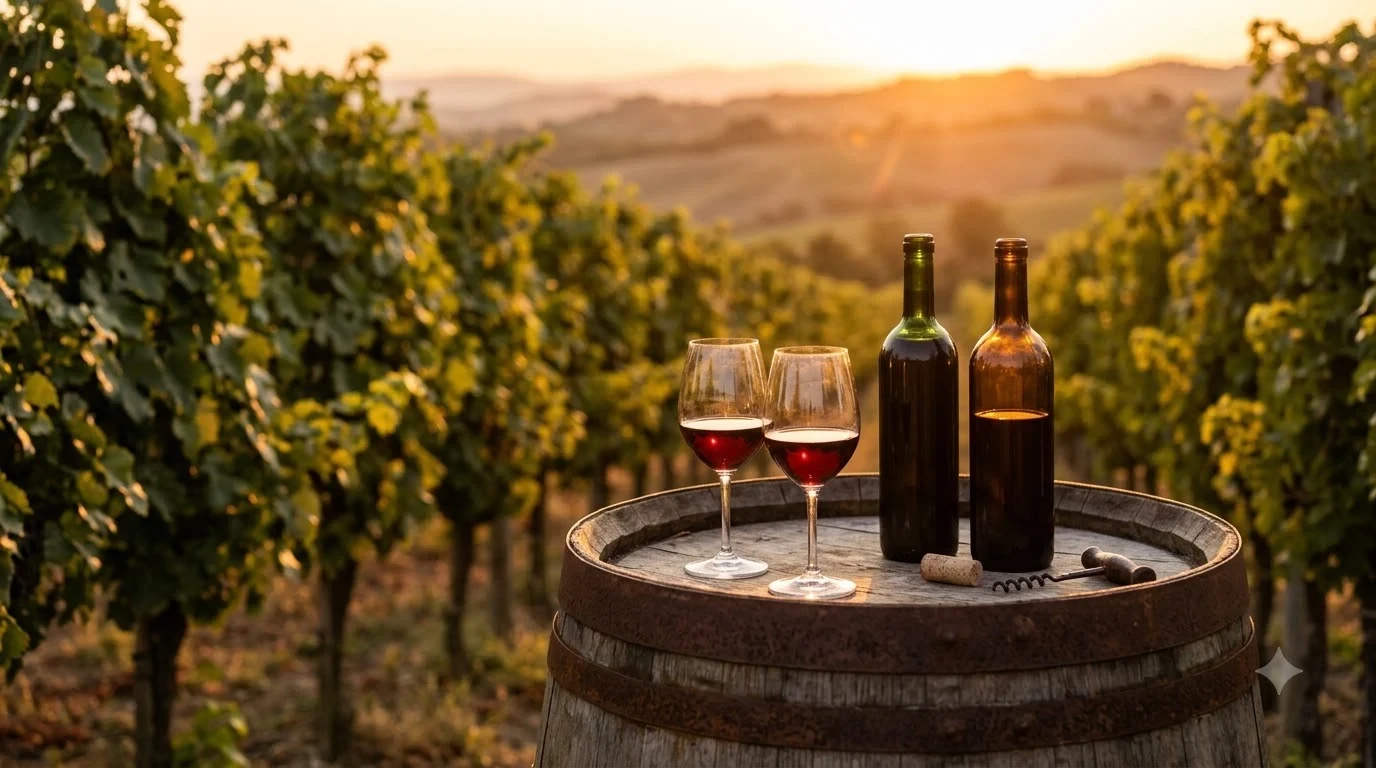
Willcox wine country is an Arizona growing region in Cochise and Graham Counties, centered on the town of Willcox, where high elevation and wide temperature swings shape cool-climate reds, whites, and Rhône-style blends. It is the largest American Viticultural Area in Arizona, and most of the state’s wine grapes come from its vineyards. If you are learning about the area, this guide covers where it sits, what grows there, and how to plan a visit.
Most wine lovers picture California or Oregon when they think of American wine country, so Willcox often comes as a surprise. It is a high desert basin in the southeastern corner of Arizona, and its vineyards sit at elevations that rival many classic regions. This guide explains the geography, the climate, the grapes, and the practical details that help a visitor or a buyer understand what they are tasting.
Where Willcox wine country sits
The Willcox American Viticultural Area, usually shortened to Willcox AVA, covers a large area in southeastern Arizona. The region is named after the town of Willcox, and Interstate 10 runs diagonally through it, which makes it one of the easier Arizona wine areas to reach from Tucson. According to the Wikipedia entry on the Willcox AVA, the appellation was designated on September 12, 2016, by the federal Alcohol and Tobacco Tax and Trade Bureau, and it was the state’s second AVA.
The region covers about 526,000 acres, or 822 square miles, which makes it the largest AVA in the state. Size alone does not mean the land is planted. The same entry lists 21 commercial vineyards on roughly 454 planted acres, supplying 18 wineries. Most of the land is open range and desert, and the vineyards are concentrated in specific pockets within the basin. For a sense of how a different American region is organized, the Amador County wine country guide shows how a smaller California appellation builds its identity around a few key grapes.
Elevation and climate
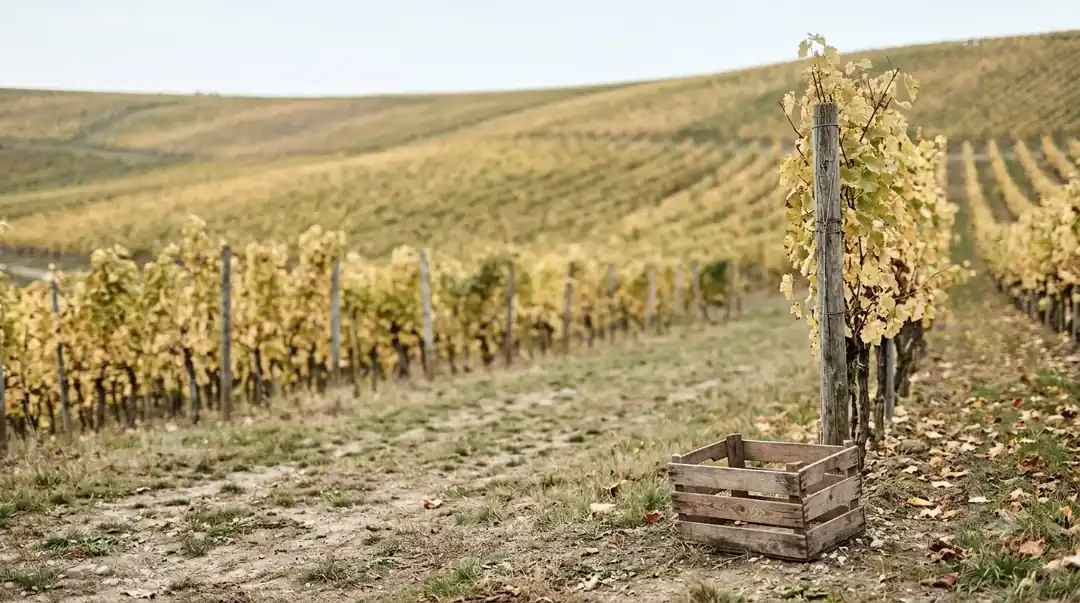
Elevation is the defining feature of Willcox. Vineyards sit between about 4,135 feet at the Willcox Playa, the dry lakebed at the bottom of the basin, and about 4,700 feet on the foothills of the Chiricahua Mountains. That is high enough that nights cool down quickly even in summer, while days stay warm and sunny. The gap between daytime highs and nighttime lows helps grapes keep acidity while they ripen, which is a big reason cool-climate varieties do well here.
The climate is also dry. The basin is a closed drainage, so water does not flow out to the sea, and growers rely on wells and limited rainfall for irrigation. Drip irrigation is common because it lets growers control how much water each vine receives. Frost is a real concern, because cold air drains off the mountains into the lower parts of the basin. The Wikipedia entry notes that some growers use tall trellis fans, a training method that lifts the canopy, to keep the fruit above the coldest air layer.
The USDA hardiness zones listed for the area are 8a and 8b, which is mild enough for many grapes but cold enough that winter management matters. Growers in the region choose varieties and rootstocks that cope with dry soils and temperature swings.
Grapes and wine styles
Willcox producers grow a wide range of varieties. The official listing for the AVA includes about two dozen grapes, from classic Bordeaux and Rhône varieties to Italian and Spanish reds. The best-known names include Cabernet Sauvignon, Merlot, Syrah, Chardonnay, Tempranillo, and Zinfandel. Syrah and Rhône-style blends are often cited as one of the region’s strengths because the warm days and cool nights develop deep fruit with fresh acidity.
Wines from high-elevation vineyards often taste brighter and more structured than wines from warmer valleys. Reds usually show dark fruit, savory notes, and firm tannins, while whites can carry crisp acidity and citrus or stone-fruit character. Winemakers in the region also experiment with Italian and Spanish varieties, which suit the climate and give visitors a reason to taste beyond the standard list.
Because the region is large and its vineyards vary widely in elevation and soil, two wines labeled with the same grape can differ noticeably. A bottle from a vineyard near the mountain foothills may show more lift and perfume, while one from lower, warmer ground may taste fuller and riper. This is one reason Willcox rewards a tasting flight. Comparing several wines side by side makes it easier to notice how site and winemaking shape the glass, and it gives a new drinker a clear sense of style before buying a full bottle.
| Feature | What it means for the wine |
|---|---|
| Elevation (about 4,135 to 4,700 ft) | Cool nights help grapes keep acidity and fresh aromas |
| Dry, closed basin | Irrigation relies on wells and drip systems, which keeps vine stress controlled |
| Warm days, cool nights | Good for Syrah, Rhône blends, and Italian reds |
| Mountain frost risk | Growers use site selection and fan systems to protect buds and fruit |
| Wide range of varieties | Visitors can taste reds, whites, and blends from one small area |
Tip: Ask tasting room staff which vineyard a bottle comes from. In a region this large, a wine from a high-elevation site can taste quite different from one grown on the basin floor.
Visiting the region
Willcox works well as a day trip or a weekend stop on the way between Tucson and the Arizona-New Mexico border. Most tasting rooms and wineries cluster in and around the town, so a visitor can plan a loop without long drives between stops. Spring and fall are the most comfortable seasons for walking vineyards, since summer afternoons are hot even at elevation.
Plan on a relaxed pace. Many wineries are small, and tasting room hours can change with the season, so check the hours before you go. If you enjoy the regional food and wine culture, the nearby Sonoran Desert scenery and historic town center make a good pairing with a tasting itinerary. For broader planning, the Wine Regions hub covers how other growing areas compare.
How to choose a Willcox bottle
When you are shopping for a Willcox wine, start with the grape and the producer’s style rather than the region name alone. A Syrah from a high-elevation site will taste different from a Tempranillo or a white blend, even within the same AVA. Read the back label for the grape, the vintage, and whether the wine is a single-variety bottle or a blend. Those details tell you more than the place name does.
Think about how you plan to drink the wine. Structured reds with firm tannins suit grilled meats, roasted vegetables, and hearty stews. Crisp whites and rosés work well with grilled chicken, fresh salads, and spicy food. Serve reds slightly below room temperature, and chill whites before pouring. Some producers in the region also make a small amount of wine in styles that age well, so keep a bottle for a few years if you enjoy watching a wine develop.
Storage matters too. Arizona summers are hot, so keep bottles out of direct sun and away from heat sources. A cool closet or a wine fridge with steady temperature is a practical choice for keeping bottles in good condition.
Frequently Asked Questions
Where is Willcox wine country?
It is in southeastern Arizona, in Cochise and Graham Counties, centered on the town of Willcox. Interstate 10 runs diagonally through the area, so it is reachable from Tucson by car.
Why is Willcox considered a good place for wine grapes?
The vineyards sit at high elevation, roughly 4,135 to 4,700 feet. That gives a big gap between warm days and cool nights, which helps grapes keep acidity and develop aroma while they ripen.
What grapes grow in Willcox wine country?
The region grows a broad mix of varieties, including Syrah, Cabernet Sauvignon, Merlot, Chardonnay, Tempranillo, and Zinfandel. Syrah and Rhône-style blends are often mentioned as strong choices from the area.
When is the best time to visit Willcox wineries?
Spring and fall are the most comfortable seasons, because summer afternoons are hot. Check each tasting room’s hours before you go, since small wineries often change schedules by season.
Willcox wine country rewards curious drinkers who are willing to explore a region that does not follow the usual American wine map. Learn the elevation and climate, taste across the grape list, and you will understand why the area has drawn growers from across the country. Once you have the basics, the wider Wine Regions guide can help you compare it with other places.
More in Wine Regions
 Willcox Wine Trail: Discover Arizona’s High-Elevation Wine CountryUpdated Nov 20, 2026
 Yakima Valley Wine Region: Find the Best Styles to TryUpdated Nov 20, 2026
 Vosne Romanee Wine Tasting: Identify Aromas and Choose Better PairingsUpdated Nov 20, 2026
 Yakima Valley Wine Festival: Find the Best Seasonal Wine EventsUpdated Nov 20, 2026
 Wales Vineyards: Discover Cool-Climate Wines and Where to VisitUpdated Nov 20, 2026
 Yountville Wine Festival: Discover Napa Wines and Local FoodUpdated Nov 20, 2026