

We may earn a commission when you buy through links on this page, at no extra cost to you. Learn more.
The best white wine at Trader Joes depends on the style you want, so look for a crisp Sauvignon blanc for seafood, an unoaked or lightly oaked Chardonnay for a fuller glass, or a Pinot grigio for an easy everyday pour. Store selection changes often, so the most useful approach is to know which grape and style you like and check the shelf for that category. This guide explains how to read those styles and what to compare when you are standing in the aisle.
Trader Joe’s white selection usually includes several grapes from different regions, which makes it a practical place to compare styles. The labels can look similar, but the grape, the region, and whether the wine was aged in oak make a big difference in the glass. Once you know those three things, choosing a white becomes much simpler.
Quick Comparison
Most white wines on a typical shelf fall into a few broad styles. The table below sets out the main options so you can match a bottle to the meal or mood you have in mind.
| Style | Typical grape | What to expect | Good with |
|---|---|---|---|
| Crisp and herbal | Sauvignon blanc | High acidity, citrus, green herb and tropical notes | Salads, goat cheese, seafood |
| Light and neutral | Pinot grigio | Light body, crisp finish, usually fairly neutral fruit | Light appetizers, simple pasta, casual sipping |
| Lean or oaked | Chardonnay | Lean and mineral when unoaked, creamy and vanilla-toned when oaked | Shellfish for lean styles, roast chicken or pork for oaked |
Best for Crisp, Herbal Whites
Sauvignon blanc is the best choice for anyone who wants a bright, high-acid white. Wine Folly describes it as dry and medium-light bodied, with gooseberry, grapefruit, and white peach flavors and herbal notes like freshly cut grass or peas. Alcohol is typically between 11.5 and 13.5 percent, which keeps the glass light.
Look for Sauvignon blanc from New Zealand’s Marlborough region if you want the most aromatic style. Wines from the Loire Valley in France tend to be more mineral and citrusy. Both styles work well with herb-driven dishes and fresh salads.
Best for Easy, Light Pinot Grigio
Pinot grigio is the usual pick for guests who want something easy and refreshing. The Italian versions, especially from Friuli-Venezia Giulia in the northeast, are described as light-bodied and crisp, with fairly neutral fruit. Oregon examples are more fruit-forward, with pear, apple, or melon notes.
Pinot grigio suits a casual evening or a group that wants a white without a strong flavor. The style is also made in a fuller, spicier version in places such as Marlborough, Oregon, and Washington, so the label’s region is worth reading. The overview of Pinot grigio on Wikipedia lists the main regions and styles. It is a flexible bottle for light appetizers and simple pasta, but it is less of a match for rich, creamy dishes.
Best for Fuller Chardonnay
Chardonnay covers the widest range of styles, so read the label or the shelf tag carefully. Unoaked Chardonnay is lean and crisp, with green apple, pear, and citrus notes. Oaked versions are creamier, with peach, mango, and lemon fruit plus vanilla, butter, and baking spice from oak and malolactic fermentation.
A classic lean example is Chablis from Burgundy, where the wines are steely and mineral. Lean Chardonnay goes well with shellfish and sautéed fish. Oaked Chardonnay is a better match for roast chicken, pork tenderloin, and mushroom dishes, where the richer texture can stand up to the food.
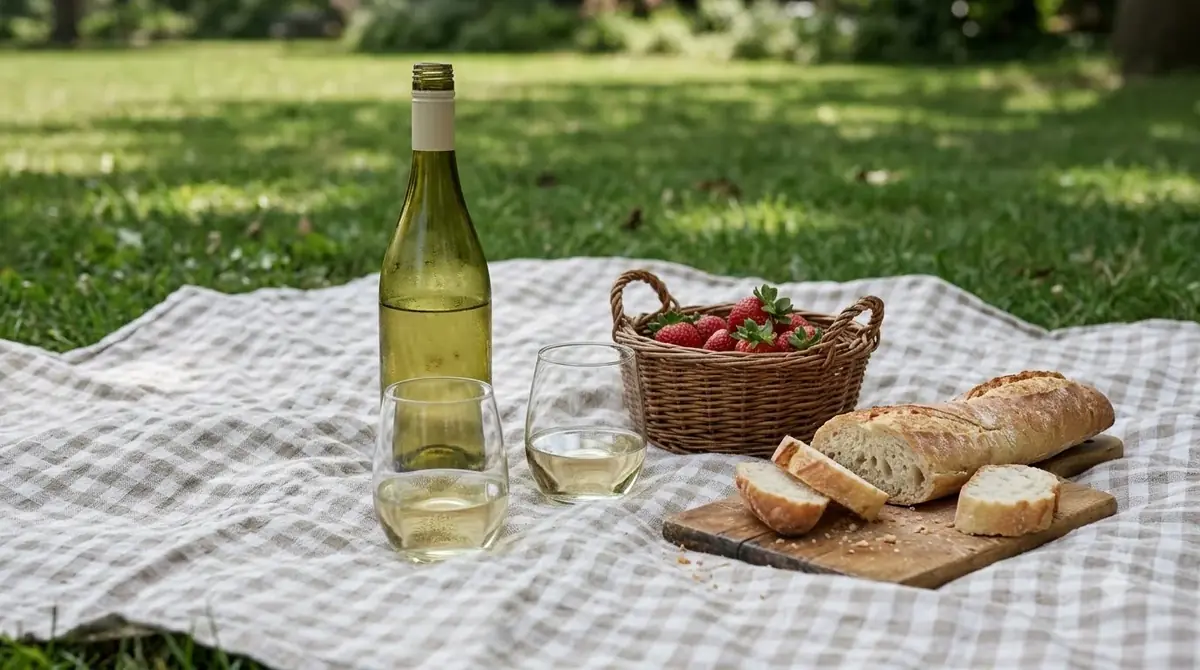
Whatever style you pick, a few habits make a white taste its best at home. Chill the bottle for a couple of hours before serving rather than relying on a short stay in the freezer, and pour into a glass with a narrower bowl so the aromas stay closer to the nose. Keep the bottle in the refrigerator between glasses, since white wine warms quickly on the table.
Best for Seafood and Light Meals
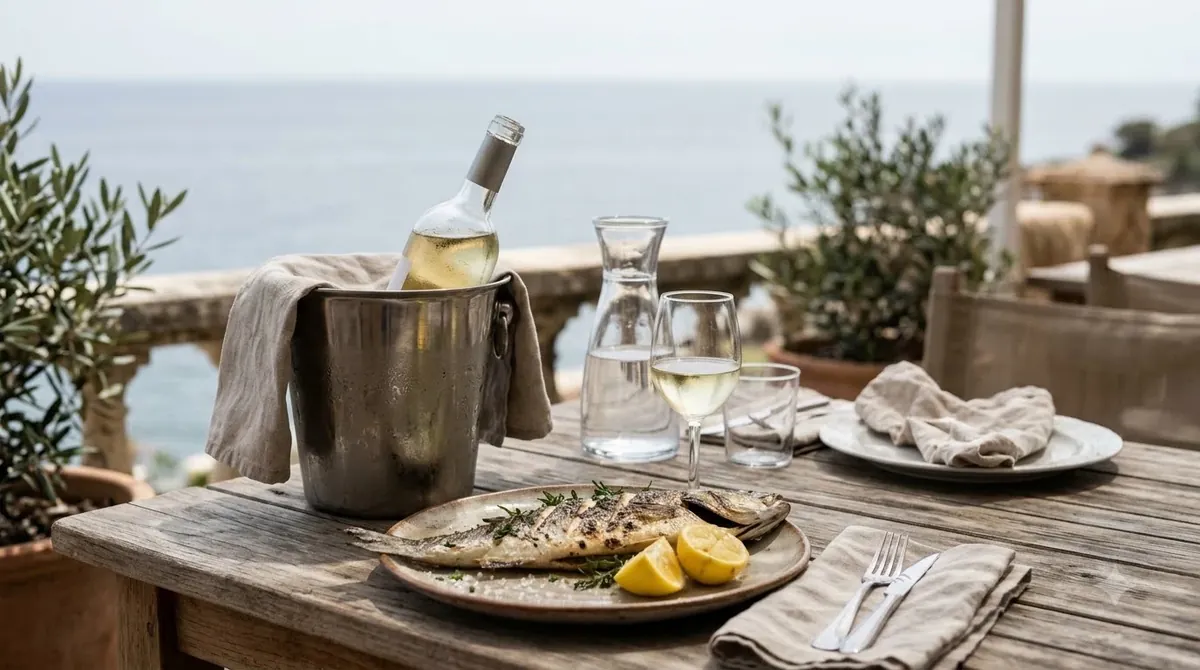
Seafood is where white wine shines most, and the acidity in a crisp white helps balance the richness of fish and shellfish. Crisp Sauvignon blanc and lean Chardonnay both complement oysters, crab, and salmon. Herb-driven dishes and green vegetables such as asparagus and peas match well with the herbal character of Sauvignon blanc, while lighter Pinot grigio works with simple fish preparations.
Goat cheese, feta, and burrata are also good partners, since the acidity in these wines cuts through creamy textures. A cheese plate with a crisp white is a simple option for a casual gathering.
Best for Dinner Parties
When you are serving several people, a single white rarely covers every taste. Pick one crisp Sauvignon blanc or Pinot grigio for the early courses and one oaked Chardonnay for the main dish. Two whites let guests compare styles without much effort.
Plan the quantity around the number of guests and the length of the meal. Serve white wines well chilled, and keep an extra bottle of the same style open in case the first one runs out early.
Shelf tags and staff recommendations can also help, but check the back label before you buy. It usually names the grape, the region, and sometimes the winemaking method, such as oak aging. Those details match the styles described in this guide, so you can compare bottles from different brands even when the labels look similar.
How to Choose a White Wine on the Shelf
Start with the grape on the label. If you see Sauvignon blanc, expect high acidity and herbal or citrus notes. Pinot grigio usually means a light, crisp wine. Chardonnay requires one more check: an unoaked label or a description of lean, mineral, or crisp points to the lighter style, while a mention of oak, vanilla, or creamy texture points to the fuller one.
Price and shelf placement can help you compare, but the grape and style tell you more about how the wine will taste. If you want to learn more about grapes and styles before you shop, the Sauvignon blanc grape guide from Wine Folly explains the aromas and food pairings in more detail. For a broader overview of how to read bottles, the wine buying guide covers the basics.
If you are also shopping for red, the best red wine at Trader Joe’s guide covers that side of the shelf, and the best Pinot noir at Trader Joe’s guide goes deeper on one popular red style.
Frequently Asked Questions
What is the easiest white wine to start with?
Pinot grigio is a common starting point because it is light, crisp, and fairly neutral in flavor. Sauvignon blanc is a good next step if you want more fruit and herbal character.
How do I know if a Chardonnay is oaked?
Look for words like unoaked, lean, or crisp on the label or shelf tag for the lighter style. Mentions of oak, vanilla, butter, or a creamy texture usually point to the oaked style.
Does the Trader Joe’s white wine selection stay the same?
No. Store selection changes over time, so a wine you liked may be replaced by another bottle from the same grape. Knowing the style helps you find a comparable option.
What food goes best with white wine?
Crisp, high-acid whites like Sauvignon blanc and lean Chardonnay work well with seafood, goat cheese, and fresh salads. Oaked Chardonnay is a better match for richer dishes such as roast chicken or pork.
A good white at Trader Joe’s comes down to matching the grape and style to your meal. Start with Sauvignon blanc, Pinot grigio, or Chardonnay, decide whether you want lean or creamy, and choose the bottle that fits the food you are serving.
More in Wine Buying Guides
 Riesling Gift: Choose a Bottle They’ll LoveUpdated Nov 21, 2026
 Sweet Red Wine Gift: Choose a Bottle They’ll LoveUpdated Nov 21, 2026
 Malbec Gift: How to Choose a Memorable Bottle for Any OccasionUpdated Nov 21, 2026
 Sherry Gift Ideas That Match Every Wine LoverUpdated Nov 21, 2026
 Moscato Gift: How to Choose a Sweet Wine They’ll LoveUpdated Nov 21, 2026
 Merlot Gift: How to Choose a Bottle They’ll AppreciateUpdated Nov 21, 2026