

We may earn a commission when you buy through links on this page, at no extra cost to you. Learn more.
The best chardonnay brands are easier to choose once you decide on the style you want, because the same grape ranges from lean and mineral to rich and buttery depending on where it is grown and whether it sees oak. A lean, unoaked bottle suits seafood and light dishes, while an oaked bottle from a warm region suits roast chicken and creamy sauces. Brand names matter less than the region and winemaking style printed on the label.
Searches for the best chardonnay brands usually come from shoppers who like a white wine but want to know which bottle to buy next. Chardonnay is one of the most widely planted white grapes in the world, and it appears in almost every price range. The grape itself is flexible, which is why two bottles labelled Chardonnay can taste completely different. Learning the main styles is the fastest way to narrow the field.
Chardonnay is thought to have originated in Burgundy in east-central France, and it is now grown in nearly every winemaking country. Its reputation was built on the Burgundy style, and many of the brands drinkers recognise today are rooted in that tradition or in the New World styles that developed from it.
Quick Comparison of Chardonnay Styles
Before comparing producers, compare the style. The table below sets out the main types of Chardonnay you will see on a retail shelf, along with the food each one usually suits.
| Style | Typical character | Where it usually comes from | Good with |
|---|---|---|---|
| Unoaked, lean | Crisp, high acidity, green apple, citrus, chalky minerals | Cool climates such as Chablis and parts of Australia | Seafood, salads, goat cheese |
| Lightly oaked | Balanced, pear and lemon with a hint of spice | Mixed climates in France, Oregon, and New Zealand | Chicken, pasta with cream sauce |
| Oaked, rich | Full body, butter, vanilla, toasted nuts, stone fruit | Warm regions such as Napa Valley and Burgundy’s Côte d’Or | Roast poultry, lobster, rich sauces |
| Sparkling Chardonnay | Fine bubbles, citrus, brioche, dry finish | Sparkling houses, including Champagne | Aperitif, fried snacks, shellfish |
Oaked and unoaked styles can come from the same brand, so do not assume the brand name tells you the whole story. The oak treatment is usually stated on the back label or in the producer’s tasting notes.
Best for Lean, Unoaked Bottles
Lean Chardonnay is the choice for drinkers who find heavy white wines tiring. These bottles are usually made in cool regions where the grapes ripen slowly and keep their acidity. The result is a crisp wine with citrus and green apple, plus a chalky, mineral edge that suits oysters and simple seafood.
Chablis is the classic reference point for this style. The region’s northern vineyards produce lean, mineral-driven wines, and many modern producers in cool-climate areas of Australia, New Zealand, and the United States now make similar bottles. If you want the style without the oak, look for words such as unoaked or stainless steel on the label.
Best for Rich, Oaked Chardonnay
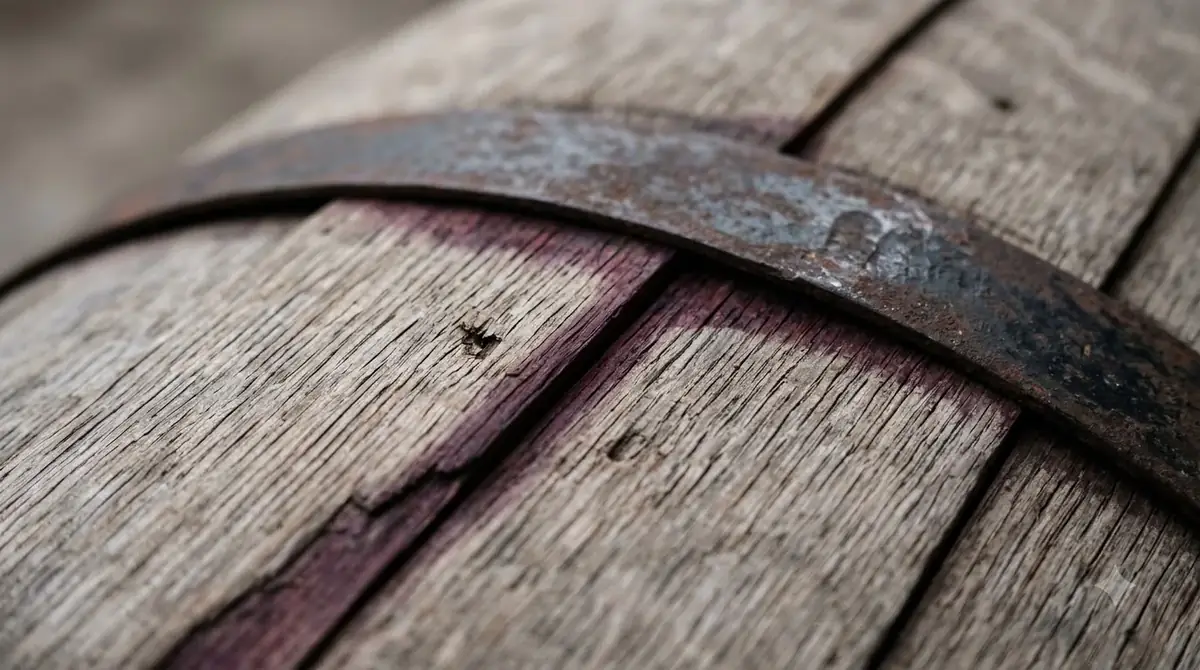
Oaked Chardonnay is fuller and creamier. Wine Folly notes that oaked styles are typically richer and carry butter, vanilla, and baking spice over stone fruit, often from Burgundian-style winemaking. Warm regions such as Napa Valley produce wines in this direction, with riper fruit that carries the oak well.
These bottles are a good match for roast chicken, lobster with butter, or dishes with a creamy base. Because oak adds weight, serve them slightly warmer than a lean Chardonnay so the richness does not dominate the glass.
Best for a Burgundy-Style Balance
Many drinkers look for a middle path between lean and rich. Burgundy-style Chardonnay, from the Côte d’Or and nearby areas, usually balances fruit, acidity, and a restrained oak character. Several established Burgundy houses have built reputations on this balance, and the reference article on Chardonnay names Domaine des Comtes Lafon and Maison Louis Jadot among Burgundy producers.
Because these wines can be expensive and vintage-dependent, check the producer and vintage rather than assuming a single brand will suit every bottle in its range. A Burgundy-style bottle from a warmer vintage can taste riper than one from a cooler year.
Best for New World Producers
Outside France, Chardonnay is made across California, Oregon, Washington, Australia, New Zealand, South Africa, and Argentina. The reference article on Chardonnay describes the early California style as oak-driven and big in body, and it names producers such as Wente Vineyards, Hanzell Vineyards, and Chateau Montelena in California, and Penfolds in Australia.
These producers are useful examples of the range, not a ranking. Look at the label for the region, the oak treatment, and the vintage, and buy the bottle that matches the meal.
Best for Sparkling Chardonnay
Chardonnay is one of the three grapes used in Champagne, and sparkling wines made from it alone are labelled Blanc de Blancs. These bottles are usually crisp, with citrus and brioche notes and a dry finish. They work well as an aperitif or with fried snacks, and they offer a good alternative to still white wine at a celebration.
A sparkling Chardonnay is not always labelled as Champagne. Sparkling wines from other regions use their own names, so read the label rather than assuming the category.
How to Choose
Use the following checklist to compare any two bottles on the shelf. Each point can be read from the front or back label.
- Decide on oak first. Unoaked and lightly oaked styles are lean and fresh, while oaked bottles are rich and creamy. Oak is the biggest single difference between two Chardonnays.
- Check the region. Cool-climate regions tend to give lean, high-acid wines, and warm regions tend to give riper wines with more fruit and body.
- Match the food. Lean wines suit seafood, salads, and goat cheese. Oaked wines suit roast poultry, creamy pasta, and buttery shellfish.
- Look at the vintage. Cooler years can produce brighter wines, while warmer years can give fuller ones. The vintage date is printed on most bottles.
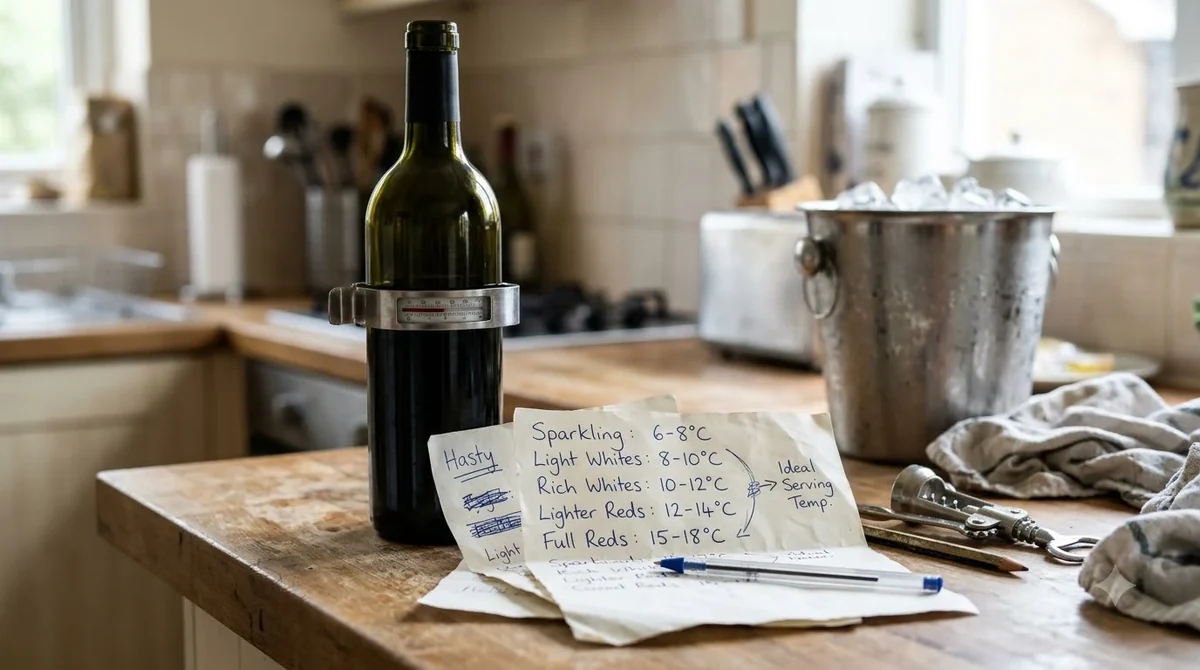
- Serve at the right temperature. Wine Folly suggests about 45°F (7°C) for lean styles such as Chablis, about 55°F (12°C) for oaked styles, and a colder range for sparkling bottles.
For more on how the grape behaves in the glass, see Wine Folly’s Chardonnay guide, which covers origin, styles, and serving temperatures in more detail.
Frequently Asked Questions
What is the difference between oaked and unoaked Chardonnay?
Oaked Chardonnay is aged in oak barrels or treated with oak, which adds butter, vanilla, and spice and gives a fuller body. Unoaked Chardonnay is fermented and aged in steel or without oak contact, so it stays crisp, with citrus and green apple notes.
Which region makes the most traditional Chardonnay?
Burgundy in France is the traditional home of the grape. Chablis is the best-known lean style, and the Côte d’Or produces richer, more complex bottles. Many New World producers have since developed their own styles.
Should I choose a brand or a region when buying Chardonnay?
Start with the region and style, then choose a producer you trust. A familiar brand is useful, but two bottles from the same brand can differ in oak treatment and vintage, so the label details are the better guide.
What food goes well with Chardonnay?
Lean, unoaked Chardonnay pairs with seafood, salads, and goat cheese. Oaked Chardonnay suits roast chicken, creamy pasta, and buttery lobster. Sparkling Chardonnay works as an aperitif and with fried snacks.
Choosing among the best chardonnay brands comes down to style, region, and food. Start with the oak level, check the vintage, and then look for a producer that fits. If you are comparing other wine types for the same table, the prosecco brands and red wine brands guides explain the main choices, and the wine buying guide covers the basics of reading a label.
More in Wine Buying Guides
 Riesling Gift: Choose a Bottle They’ll LoveUpdated Nov 21, 2026
 Sweet Red Wine Gift: Choose a Bottle They’ll LoveUpdated Nov 21, 2026
 Malbec Gift: How to Choose a Memorable Bottle for Any OccasionUpdated Nov 21, 2026
 Sherry Gift Ideas That Match Every Wine LoverUpdated Nov 21, 2026
 Moscato Gift: How to Choose a Sweet Wine They’ll LoveUpdated Nov 21, 2026
 Merlot Gift: How to Choose a Bottle They’ll AppreciateUpdated Nov 21, 2026