

We may earn a commission when you buy through links on this page, at no extra cost to you. Learn more.
The best Prosecco brands for you depend on the style you want, so start with the sweetness label and the production zone rather than a single brand name. Prosecco is made mainly from the Glera grape in Veneto and Friuli-Venezia Giulia, and the wines range from very dry Brut bottles to softer Extra Dry styles. This guide shows how to match a bottle to your taste, food and budget without relying on brand reputation alone.
Prosecco is an Italian sparkling wine that most American shoppers buy for spritzes, brunch and casual celebrations. According to the Wikipedia entry for Prosecco, the grape was renamed Glera in Italy in 2009, and up to 15 percent of a wine may come from other permitted varieties. The Consorzio Prosecco DOC describes the DOC area as covering nine provinces across Veneto and Friuli-Venezia Giulia. Because so many bottles share the same name, the label details do more to predict taste than the brand on the front.
Quick Comparison
This table compares the main categories you will see on shelves. Read it as a guide to style, not a ranking of quality.
| Category | Residual sugar | Typical taste | Good for |
|---|---|---|---|
| Extra-Brut | 0 to 6 g/L | Very dry, crisp, citrus and green apple | Oysters, seafood, guests who dislike sweetness |
| Brut | Up to 12 g/L | Dry, clean and lightly fruity | Food pairing, aperitivo, dinner tables |
| Extra Dry | 12 to 17 g/L | Soft fruit with a rounder finish | Spritzes, brunch and easy sipping |
| Dry | 17 to 32 g/L | Sweeter, with ripe pear and honey notes | Dessert or fruit-based cocktails |
| Frizzante | Varies | Lightly sparkling, bubbles fade quickly | Casual drinking and lighter moods |
Best for Everyday Spritzes and Brunch
Extra Dry bottles are the style most often chosen for mixed drinks and casual pours. The Consorzio notes that Extra Dry has long been the dominant style, which is why it is easy to find at almost every price point. The residual sugar gives the wine a softer finish that holds up well when mixed with bitters, soda or fruit juice.
For a standard spritz, look for a bottle labeled Extra Dry or Dry and keep it well chilled. Sweeter styles can make the drink feel heavy, so save them for fruit-forward mixers.
Best for Dinner Pairings
Brut Prosecco is the more food-friendly choice. Its lower sugar level makes the acidity more noticeable, which helps it cut through fried foods, cheese and cured meats. Many people use Brut as an aperitif before a meal and then continue with it through a light first course.
Pair Brut with salty snacks, grilled fish or a simple salad with lemon. The wine’s freshness keeps the palate clean between bites, so it works well when you want something lively but not sweet.
Best for Hillside Superiore Bottles
Prosecco Superiore carries stricter rules than the wider DOC. According to the Consorzio, Superiore wines are always sparkling and come only from the two DOCG areas, Conegliano Valdobbiadene and Asolo. The Conegliano Valdobbiadene Superiore covers about 6,860 hectares, and Asolo’s Superiore covers about 1,783 hectares, which means these bottles often come from smaller, hillside vineyards.
If you see Conegliano Valdobbiadene or Asolo on the label alongside the word Superiore, you are choosing from the more tightly controlled tier. These bottles usually cost more than standard DOC wines, but they give a clearer sense of place and a more structured texture.
Best for Cartizze Enthusiasts
Superiore di Cartizze is a 107-hectare subzone inside the Conegliano Valdobbiadene DOCG. The small size of the zone makes Cartizze bottles scarce, and they are typically the most expensive examples of the style. Because of the subzone’s limited output, Cartizze is best treated as a special-occasion bottle rather than an everyday purchase.
When a bottle names Cartizze on the label, expect a more concentrated and aromatic wine. It suits guests who want to compare Prosecco with other sparkling styles and taste the difference that a single vineyard area can make.

Best for Rosé Lovers
Rosé Prosecco is a newer option that the Consorzio says has been allowed in the DOC since 2020. The wine blends Glera with 10 to 15 percent Pinot nero, which gives it a pink color and red-fruit notes that differ from the classic white style. Rosé bottles are useful for guests who want a lighter-colored sparkling wine for gatherings.
Serve rosé Prosecco in the same way as the white styles, chilled and in a generous glass. Its fruit is usually brighter, so it pairs well with strawberries, soft cheeses and light desserts.
Best for Traditional-Style and Col Fondo Wines
Some producers make wines in a more traditional style. The Consorzio describes Col Fondo as a wine that is refermented in the bottle and left unfiltered on the lees. The result is a cloudy, rustic bottle with more yeast character than a standard Charmat-method Prosecco. The traditional method, Metodo Classico, is also allowed, although it is less common in the category.
These bottles suit adventurous drinkers who want texture and a more farmhouse feel. Check the label for the production method, and expect the wine to taste different from the bright, fruit-led bottles on most shelves.
How to Choose a Bottle
Choosing a Prosecco is easier when you read the label in order: first the zone, then the style, then the sugar level. The table below lists the details that matter most.
| Label detail | What it tells you | How to use it |
|---|---|---|
| DOC or DOCG | Production zone and rules | DOCG suggests the more tightly controlled hill zones |
| Superiore | Spumante from the two DOCG areas | Pick it for a more structured, place-driven wine |
| Spumante, Frizzante, Tranquillo | Level of bubbles | Spumante for toasts, Frizzante for casual sipping |
| Brut, Extra Dry, Dry | Sweetness level | Brut for food, Extra Dry for spritzes |
| Rosé | Blend with Pinot nero | Choose it for color and red-fruit notes |
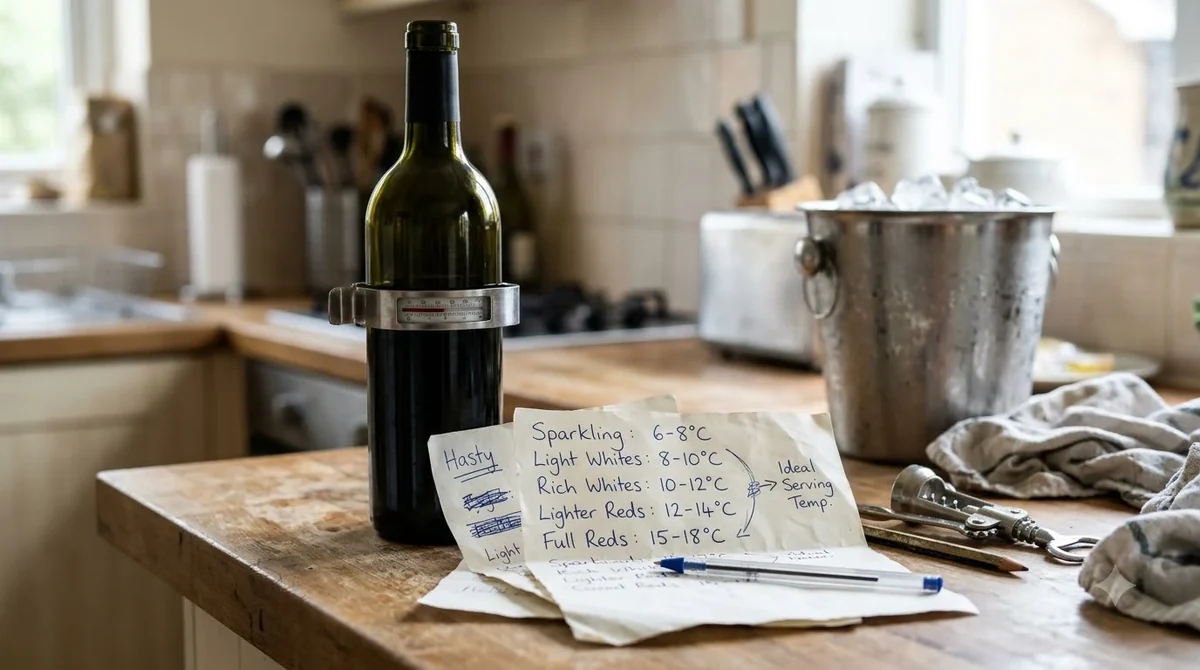
Tip: Serve Prosecco chilled, around 6 to 8 degrees Celsius, in a fairly large tulip-shaped glass. The Consorzio recommends drinking it young, ideally within the year after the harvest.
Frequently Asked Questions
Is Prosecco the same as Champagne?
No. Prosecco is usually made with the Charmat-Martinotti method, with a second fermentation in large tanks, while Champagne is made in the traditional method inside the bottle. The grapes, regions and rules are also different, so the two wines taste distinct even when both are dry.
Which Prosecco is the sweetest?
The Dry category has the highest residual sugar on the usual scale, at 17 to 32 grams per liter. Extra Dry sits in the middle, and Brut and Extra-Brut are the least sweet. Check the sugar term on the label rather than guessing from the price.
How long does Prosecco keep after opening?
Prosecco is best within a day or two once opened, because the bubbles fade over time. Recork it tightly, keep it refrigerated and pour smaller glasses if you want to finish the bottle without losing freshness.
Is Prosecco a good wine for beginners?
Yes. Extra Dry and Dry styles are soft, fruity and easy to enjoy without food. Start with an Extra Dry bottle to learn the basic taste, then try a Brut to see how the acidity changes with a meal.
The best Prosecco for you will usually come from matching the label to the moment: an Extra Dry bottle for spritzes, a Brut for dinner, or a Superiore for a more structured glass. For more sparkling and white options, read our guide to champagne brands or compare pinot grigio brands if you want another Italian white. Our wine buying guides cover more styles and label terms.
For the official zone and style rules, see the Consorzio Prosecco DOC site, and for background on the grape and method, see the Prosecco entry on Wikipedia.
More in Wine Buying Guides
 Riesling Gift: Choose a Bottle They’ll LoveUpdated Nov 21, 2026
 Sweet Red Wine Gift: Choose a Bottle They’ll LoveUpdated Nov 21, 2026
 Malbec Gift: How to Choose a Memorable Bottle for Any OccasionUpdated Nov 21, 2026
 Sherry Gift Ideas That Match Every Wine LoverUpdated Nov 21, 2026
 Moscato Gift: How to Choose a Sweet Wine They’ll LoveUpdated Nov 21, 2026
 Merlot Gift: How to Choose a Bottle They’ll AppreciateUpdated Nov 21, 2026