

We may earn a commission when you buy through links on this page, at no extra cost to you. Learn more.
The best Corkcicle wine chiller reviews point to one question first: do you need a chiller that works in a freezer and fits in a bag, or a powered unit that holds a steady temperature on a counter? Freezer-stored chillers are quick and cheap, while electric units keep wine at a set level for longer but need power and more space. This roundup compares the main chiller styles, which are the terms most shoppers search for, rather than ranking a single brand.
Searches for Corkcicle wine chillers usually come from people who want the wine to be cold without melting ice or waiting an hour in the fridge. The product range includes several designs, and reviews vary in what they test. A review is most useful when it describes the same type of chiller you are considering, so this guide sorts the choices by style and by use. It covers the trade-offs you will see across the category, from cooling speed to counter space.
Quick Comparison
The table below compares the main chiller styles by how they cool, how long they hold temperature, power needs, and the trade-offs to expect. Use it to narrow the field before reading the detailed sections.
| Chiller style | How it cools | Needs power | Holds temperature | Main trade-off |
|---|---|---|---|---|
| Freezer-stored stainless chiller | Stored cold, then placed in the bottle | No, only freezer space | Short, as it warms | Needs time in the freezer first |
| Thermoelectric electric chiller | Solid-state cooling, no compressor | Yes | Steady while powered | Less efficient than compressor units |
| Marble or stone chiller | Pre-chilled stone base | No | Moderate | Heavy and needs chilling first |
| Insulated sleeve chiller | Gel or stored cold insert | No | Short to moderate | Bulky around the bottle |
| Compressor wine cooler | Refrigeration cycle | Yes | Steady and set | Large footprint and higher cost |
Best for Fast Chilling Before Guests: Freezer-Stored Stainless Chillers
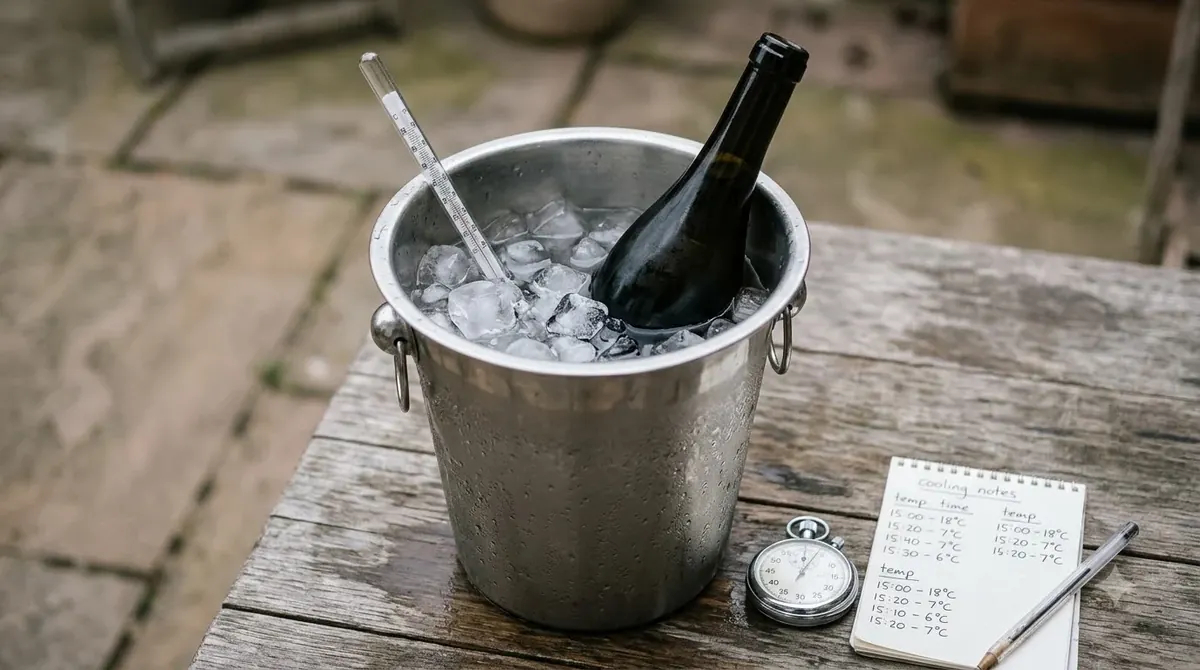
Freezer-stored stainless chillers are the most common style in this category. You place the chiller in the freezer ahead of time, then slide it into a bottle to bring the wine down to a serving temperature in a short period.
The main limit is timing. These chillers warm up as the wine absorbs heat, so they work best for a single bottle served within an hour or two. Check the listed freezing time and whether the chiller fits your freezer shelf, since some models need several hours to reach full cold. Dry the outside before putting it back in the freezer, so the surface does not collect frost on the shelf.
Best for Set-and-Forget Serving: Thermoelectric Electric Chillers
Electric chillers that use thermoelectric cooling hold a bottle at a steady temperature while they are powered. They suit someone who wants a chilled bottle on demand without planning ahead.
Thermoelectric units have no moving parts, which helps with reliability. The trade-off is efficiency. Thermoelectric junctions are much less efficient than compression systems, so these units draw power and work best for small volumes. Check the maximum temperature difference the unit can hold, since large differences between the cold and hot sides reduce performance, and make sure the unit has room to vent heat.
Best for Counter Looks: Marble or Stone Chillers
Marble and stone chillers look like a decor piece and sit on a counter without drawing attention. They are chilled ahead of time and then hold their cool for a while as the wine is poured.
Stone is heavy, which makes it hard to move and easy to leave on the counter. Check the base size against the bottle, since a narrow base can tip with a full bottle. Stone holds cold well once it is chilled, but it needs time in the freezer or fridge first, so plan the chilling as you would for any other chilled item.
Best for Table Service: Insulated Sleeve Chillers
Insulated sleeves slip around the bottle and keep it cool during dinner. They are useful when you want to keep a bottle at the table without setting it in an ice bucket.
Sleeves are bulky and can cover the label, which matters if you want to show a bottle to guests. Look for a sleeve that fits the bottle tightly and stays put when you pour. Pre-chill the sleeve in the freezer, and keep it dry on the outside so it does not slide off the bottle.
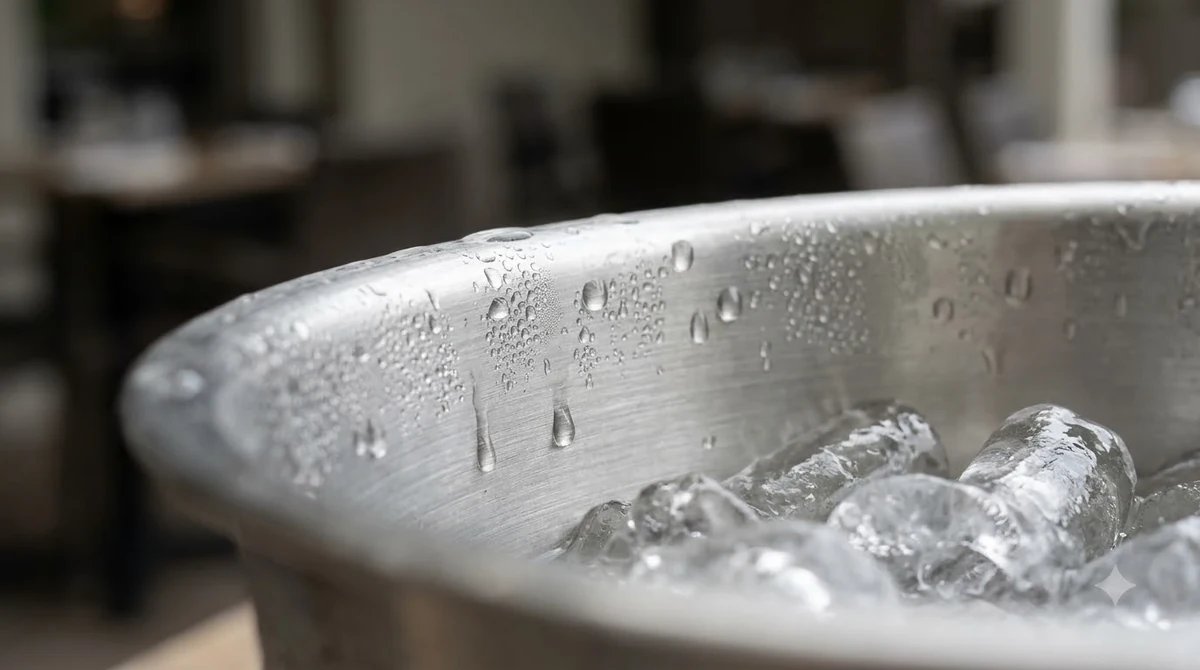
Sleeves also work well for bottles that need to stay cool across a long meal, since they reduce the number of times you need to top up with ice.
Best for Large Collections: Compressor Wine Cooler Cabinets
Compressor wine cooler cabinets are the most powerful option. They hold a set temperature for many bottles, which makes them the right choice for a home collection that is stored and served over weeks.
These units take up more space and cost more than a chiller. They also need a level spot, a power outlet, and room around the back for air to circulate. Compressor units are the most efficient way to hold a steady temperature, but they are overkill for a single bottle on a weekend. Choose one only if you plan to store wine in it long term.
How to Choose
The right chiller depends on how quickly you need the wine cold, how many bottles you serve, and how much room you have. Use these checks before you buy.
- Speed: Freezer-stored chillers are fastest if you plan ahead. Electric units need power but no advance chilling.
- Volume: One bottle at a time suits a sleeve or stick. A larger group benefits from a unit that holds several bottles.
- Space: Measure the counter, freezer shelf, or cabinet spot before ordering.
- Power: Electric units need an outlet, and thermoelectric models need room for heat to escape.
- Reviews: Read reviews that test the same style and bottle size you plan to use, and check cooling times rather than general praise.
Thermoelectric cooling is a useful reference point for electric chillers. The Wikipedia article on thermoelectric cooling explains why these units have no moving parts and why they tend to be less efficient than compression systems. Keep that trade-off in mind when comparing an electric chiller with a freezer-stored one.
Tip: Chill the wine itself, not just the chiller. A chiller can only cool what is already in the bottle, so a bottle left at room temperature will take longer to reach serving temperature.
If you plan to pair a chiller with a marble-style option, the marble wine chiller guide covers that style in more detail. For an electric alternative, see the electric wine chiller page. The Accessories Library lists other tabletop tools, and the guide on how many glasses in a bottle of wine helps you judge how many bottles to chill for a group.
Timing also decides how the chiller fits into a routine. If you host often, keep a chiller in the freezer so it is ready on short notice, and move any spare one into the fridge the night before a dinner. For a standing setup, place the wine on a shelf away from the oven and sunny windows, since heat from nearby appliances works against the chiller. Keep the bottle out of the chiller once it reaches serving temperature, because a bottle left inside a cold sleeve for hours can become colder than most reds should be. Writing down the cooling time you saw with each chiller is a simple way to compare models over several evenings and pick the one that suits your habits best.
Frequently Asked Questions
Are Corkcicle-style chillers worth it compared with ice?
Chillers do not dilute the wine the way ice does, and they can be reused. Ice cools faster for a single pour, but a chiller keeps the bottle tidy and easy to serve.
How long does a freezer chiller take to work?
It depends on the model and the freezer. Check the listed freezing time and leave the chiller in the freezer long enough to reach full cold before serving.
Do electric wine chillers need to stay plugged in?
Yes, electric units cool only while powered. Thermoelectric models use less space than compressor cabinets but are less efficient at holding a large temperature difference.
Which chiller style is best for a party?
A freezer-stored stick or insulated sleeve suits a small party with one or two bottles. For a larger group, a powered unit that holds several bottles is more practical.
The best chiller for you depends on timing, volume, and space more than on a single product name. Decide how soon you need the wine cold, choose the style that matches that plan, and read reviews that test the same style and size you are buying.
More in Wine Accessories
 Coravin Vs Vacu Vin: Choose the Right Wine Saver for Your BottlesUpdated Nov 21, 2026
 Zwilling Wine Stopper Review: Preserve Open Bottles LongerUpdated Nov 21, 2026
 Wine Enthusiast Wine Preserver Review: Features, Benefits and LimitationsUpdated Nov 21, 2026
 Wine Enthusiast Wine Stopper: An Easier Way to Reseal Open BottlesUpdated Nov 21, 2026
 Vintorio Wine Opener: Two-Step Cork RemovalUpdated Nov 21, 2026
 Zwilling Wine Aerator Review: Aerate, Pour, and Seal With One ToolUpdated Nov 21, 2026