

We may earn a commission when you buy through links on this page, at no extra cost to you. Learn more.
The best smart wine fridge is a compressor or thermoelectric unit with a stable digital thermostat, a clear app or display for checking temperature remotely, and a shelf layout that suits the bottle sizes you keep. Compressor models hold steadier temperatures in warm rooms and suit long-term storage, thermoelectric models run quietly and fit living spaces, and compact smart mini fridges work in apartments. Check the temperature alerts, the door design, and how the unit handles vibration, since those features matter more than extra connected options.
A smart wine fridge adds connected controls to a standard wine cooler, so you can watch the temperature and sometimes adjust settings from a phone. The value is in the steady, monitored environment rather than in the app itself. Wine is sensitive to temperature swings and vibration, so the cooling method inside the fridge still decides most of the performance. Start with the cooling type, then consider the smart features as a convenience layer.
Quick Comparison
The table compares the main types of smart wine coolers by cooling method and where they fit best. Use it to narrow the field before you compare specific models and their connected features.
| Fridge Type | Cooling Method | Noise and Vibration | Best Placement | Watch For |
|---|---|---|---|---|
| Compressor smart cooler | Refrigerant compressor | Audible hum when cycling | Warm kitchens and rooms with less stable temperature | Heavier and less energy-efficient than thermoelectric |
| Thermoelectric smart cooler | Solid-state heat transfer | Very quiet, no moving parts | Bedrooms, offices, and living spaces | Depends on room temperature to work well |
| Smart mini fridge | Usually thermoelectric | Quiet | Apartments and bars | Small capacity |
| Dual-zone smart cabinet | Compressor | Audible hum | Collectors who store reds and whites apart | Large footprint and higher cost |
| Under-counter smart unit | Compressor or thermoelectric | Varies by model | Built-in kitchen or bar counter | Needs ventilation and a fixed opening |
Best for Connected Temperature Control: Smart Wine Coolers
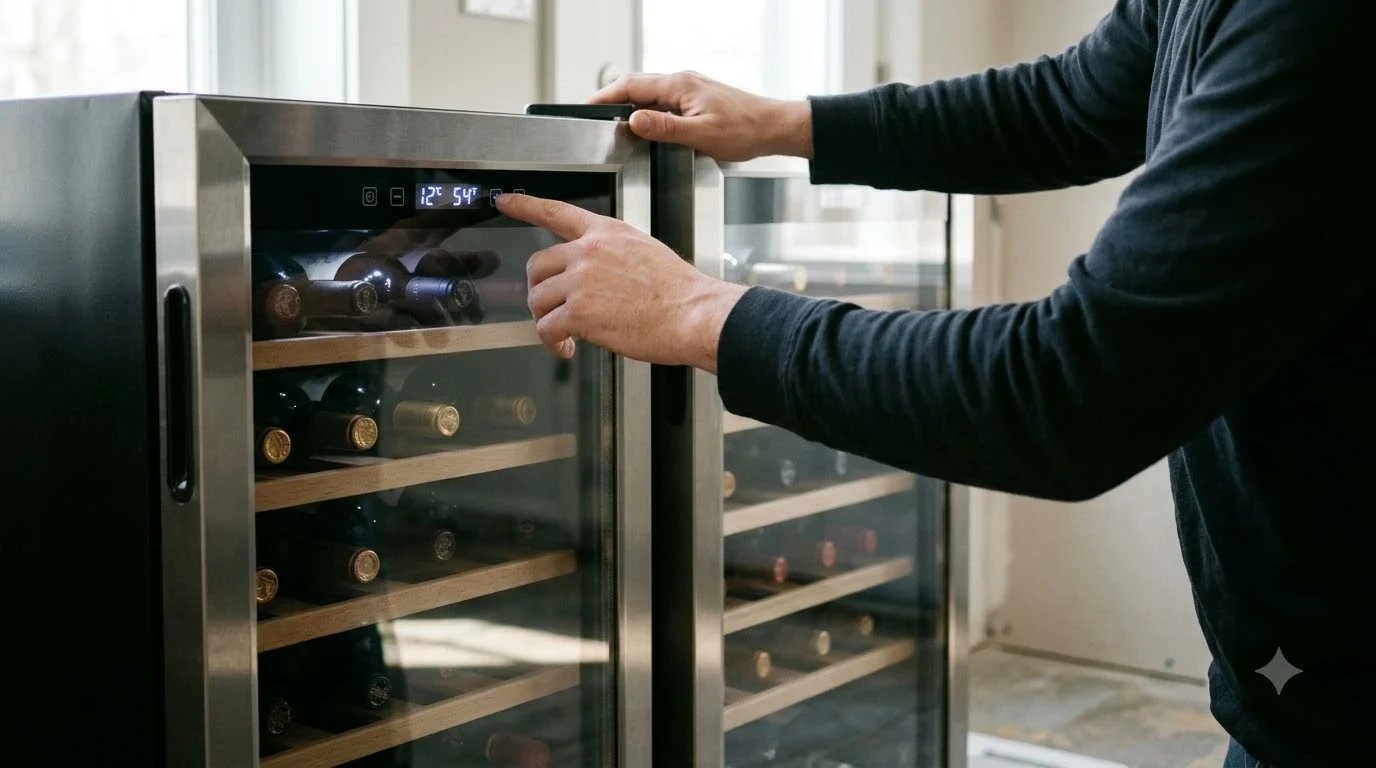
Smart wine coolers suit people who want to see the temperature without opening the door. They usually pair a digital display with a phone app or a remote alert, so you can check the unit from another room.
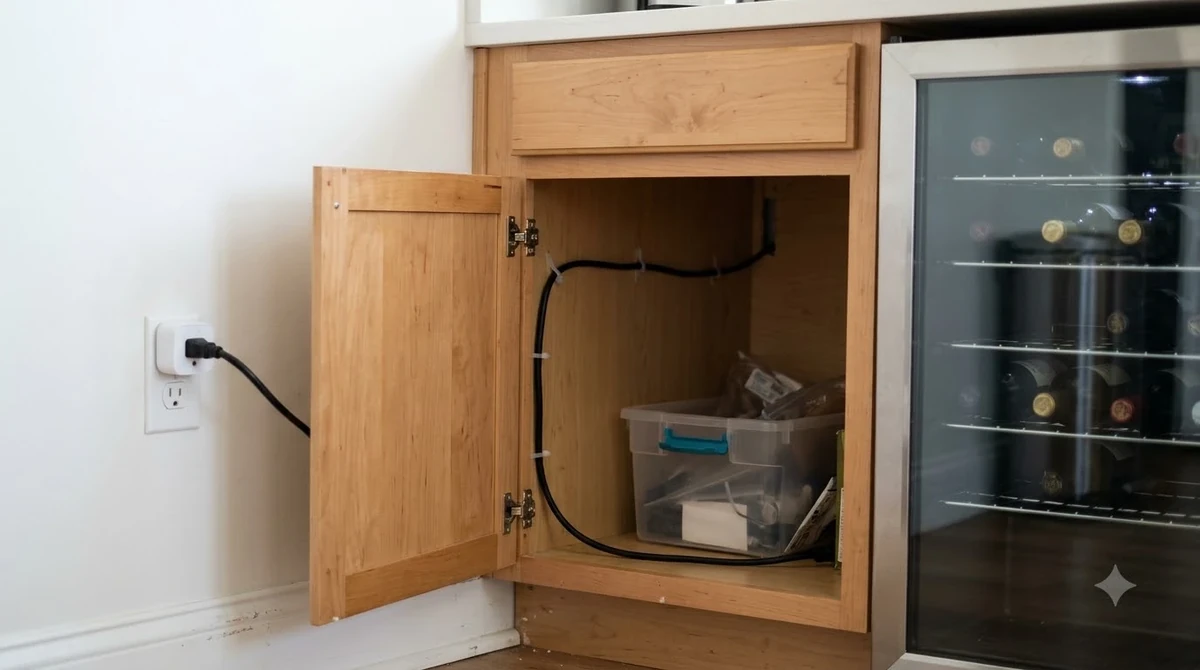
Why it stands out: Remote monitoring helps you catch a temperature drift before it affects the bottles, especially when the fridge sits in a room that gets warm during the day. An alert can also tell you if the door has been left open. The steady reading gives a clearer picture of the storage conditions than a dial thermostat, which is a real advantage for a collection you plan to keep for years.
Keep in mind and best for: Connected features depend on a stable Wi-Fi signal and on the manufacturer continuing to support the app. Check that the controls work without a subscription, and confirm the alerts are sent when the fridge is out of range. This style suits collectors who want to track storage conditions and anyone who prefers to check the fridge from a phone.
Best for Quiet Living Spaces: Thermoelectric Smart Coolers
Thermoelectric smart coolers suit bedrooms, offices, and open-plan living areas where noise is a concern. They have no compressor, so they run with little sound.
Why it stands out: The thermoelectric method uses semiconductor pillars to move heat, so there are no moving parts in the cooling process. The Thermoelectric cooling article notes that this design removes mechanical wear and lowers the risk of failures from mechanical vibration and stress, which helps with a quiet, low-vibration bottle environment. That combination makes these units a good fit for rooms where people sleep or work.
Keep in mind and best for: The same article explains that thermoelectric systems have low efficiency, so they work harder in warm rooms and cannot cool as far below the surrounding air. Keep the unit in a room that stays cool and away from heat sources, and expect a smaller temperature range than a compressor model. This style suits quiet rooms with stable temperatures.
Best for Long-Term Storage: Compressor Smart Fridges
Compressor smart fridges are the better match for warm kitchens and for wine you plan to keep for longer periods. The refrigerant system holds a consistent temperature even when the room warms up.
Why it stands out: A compressor cooling system is more efficient than a thermoelectric one, and the Thermoelectric cooling article puts compression-cycle systems at roughly 40 to 60 percent of the ideal efficiency, compared with about 10 to 15 percent for thermoelectric units. That efficiency gap means a compressor can hold a lower temperature in a warm room. For storage over months or years, that steady control is a strong advantage.
Keep in mind and best for: A compressor unit makes a low hum when the cooling cycle runs, and the cabinet is heavier than a thermoelectric model. Leave space around the vents, since a tight cabinet cutout can cause the unit to overheat. This style suits anyone who stores bottles for the long term and keeps the fridge in a warm room.
Best for Small Apartments: Compact Smart Mini Fridges
A compact smart mini fridge fits a small apartment, a desk, or a corner bar. Most hold a limited number of bottles, which suits people who keep a few bottles at a time. For a sense of the capacity, the mini wine fridge guide covers the smallest models in detail.
Why it stands out: A small footprint keeps the fridge out of the way, and the connected display lets you check the temperature without moving the unit. Many compact models use the quiet thermoelectric method, which suits a studio or a bedroom.
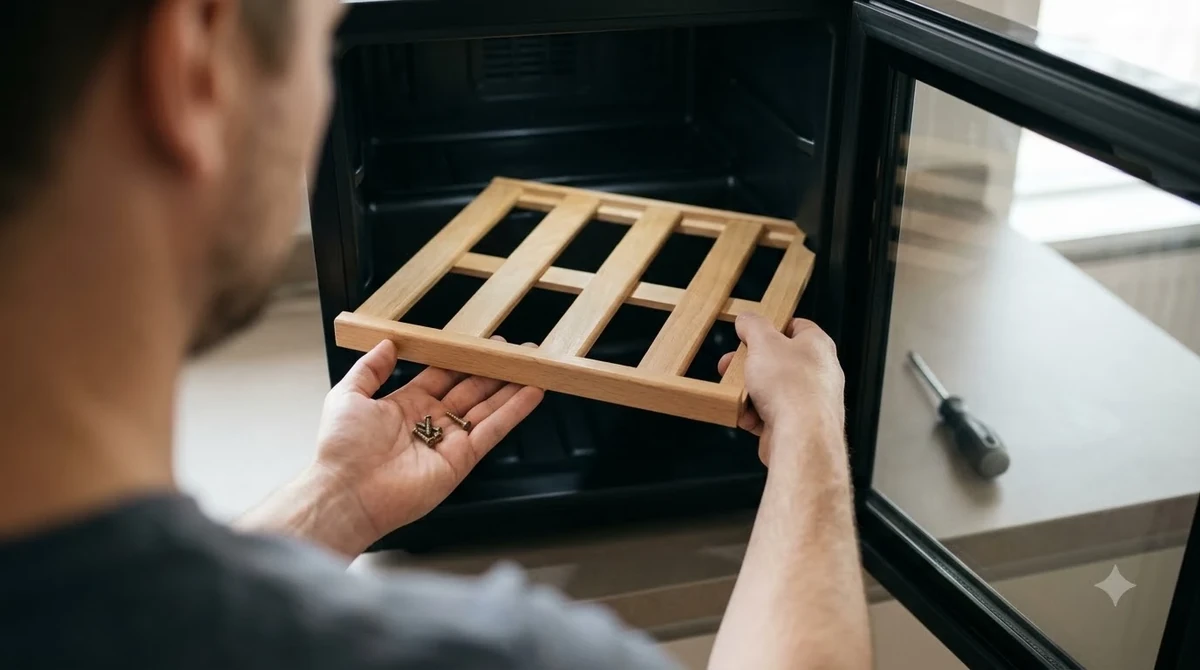
Keep in mind and best for: Capacity is the main limit, so a mini fridge will not hold a full case. Choose a model with adjustable shelves if you want to fit taller bottles. This style suits single households and anyone who drinks from a small rotating selection.
Best for Wine Collectors: Dual-Zone Smart Cabinets
Dual-zone smart cabinets keep reds and whites at different temperatures in the same unit. They suit collectors who store a mix of styles and want each section held at its own setting.
Why it stands out: Separate zones let you hold reds at a warmer temperature and whites at a cooler one, which is hard to do with a single-zone fridge. Each zone usually has its own control, and the app can show both readings side by side. For a larger collection, this layout keeps everything organized in one place.
Keep in mind and best for: Dual-zone cabinets are larger, heavier, and more expensive than single-zone models, and they need a dedicated space. Check the door design and the shelf layout before buying, since a wide cabinet needs room for the door to swing. This style suits collectors who keep several cases on hand.
How to Choose
Start with the room. A warm kitchen or a sunny corner calls for a compressor unit, while a quiet bedroom or office suits a thermoelectric model. Next, count your bottles. A mini fridge covers a few bottles, a single-zone cabinet covers a few cases, and a dual-zone unit is worth it only if you store reds and whites at different temperatures.
Tip: Check how the fridge handles a door left open. Good units send an alert and recover quickly, which protects the bottles from a sudden temperature change.
Finally, look at the smart features. Temperature readings, door alerts, and a clear display are the useful parts. Features that depend on a subscription or an app you will not use add cost without much benefit. For storage details, the how long does wine last after opening guide explains what happens once a bottle is open.
Frequently Asked Questions
Is a smart wine fridge worth the extra cost?
It can be, especially if you want to monitor temperature from a phone or get alerts when the door is left open. If you only need a steady temperature, a standard cooler with a reliable thermostat may be enough.
Compressor or thermoelectric, which is better?
Compressor units hold steadier temperatures in warm rooms and suit long storage. Thermoelectric units are quieter and work well in cool, stable rooms, but they cannot cool as far below the room temperature.
Does a smart wine fridge need Wi-Fi?
Most smart models need Wi-Fi for remote monitoring and alerts. The fridge still cools without a connection, but you lose the remote features. Check how the app works before you buy.
Can a smart wine fridge be used in a bedroom?
A thermoelectric model is a good choice for a bedroom because it runs quietly. Check the noise level and the room temperature, since thermoelectric units work best in a cool room.
For compact choices, the small wine fridge guide covers the next size up, and the by type section lists the other cooling styles. A smart fridge is a good choice when you want the storage conditions in view and a steady environment for the bottles you keep.
More in Wine Fridges by Type
 Best White Wine Fridge for Reliable Chilling and StorageUpdated Nov 20, 2026
 Best Black Under Counter Wine Fridge Options for Kitchens and IslandsUpdated Nov 18, 2026
 Best Black Slim Wine Fridge for Narrow Gaps and Dark KitchensUpdated Nov 18, 2026
 Best Built In Dual Zone Wine Fridge Options by Kitchen LayoutUpdated Nov 18, 2026
 Best Slim Built in Wine Cooler: 5 Space-Saving Styles for Tight KitchensUpdated Nov 18, 2026
 Best Quiet Dual Zone Wine Cooler Options for Peaceful HomesUpdated Nov 18, 2026