

We may earn a commission when you buy through links on this page, at no extra cost to you. Learn more.
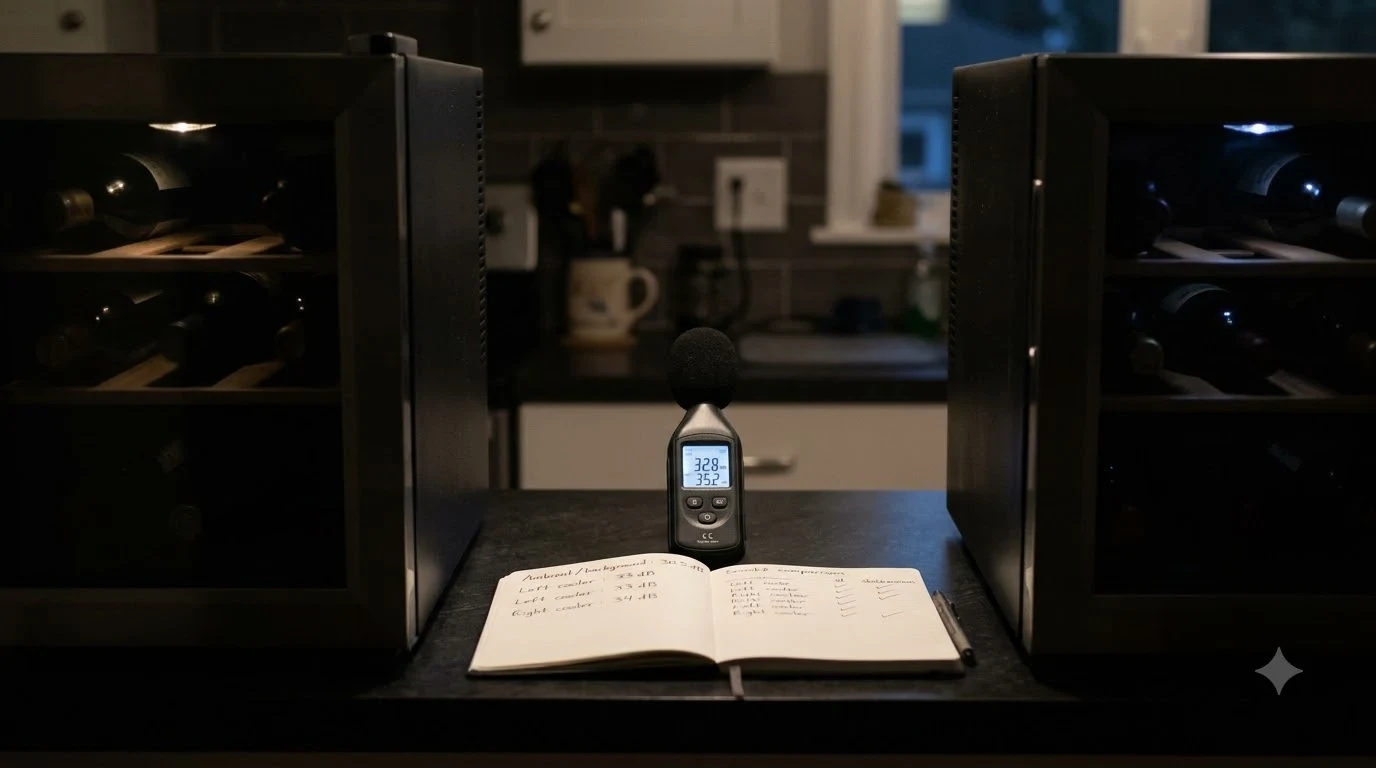
The best quiet dual zone wine cooler for most homes is a variable-speed inverter compressor unit rated under 40 decibels, as it provides independent temperature control for reds and whites without disrupting open-concept living spaces. While compact thermoelectric units run near-silently for small countertop collections, front-venting built-in compressor models offer the best balance of low acoustic output and heavy-duty cooling power for kitchen remodels. Larger freestanding units with vibration-dampened shelving serve serious collectors who need high bottle capacity in quiet dining rooms or home offices.
Finding a wine fridge that keeps Sauvignon Blanc crisp at 45°F while holding Cabernet Sauvignon steady at 60°F is straightforward, yet finding one that does so without a distracting hum requires careful attention to cooling hardware and cabinet construction. Compressor cycles, fan speed, and cabinet resonance all determine whether a cooler blends into the background of a quiet evening or dominates the room.
Quick Comparison
Different cooling mechanisms and cabinet designs handle noise, capacity, and installation clearance in distinct ways.
| Cooler Type | Typical Noise Level | Cooling System | Installation Style | Ideal Bottle Capacity |
|---|---|---|---|---|
| Undercounter Built-In Inverter | 36–40 dB | Variable-speed compressor | Front-venting built-in or freestanding | 30–54 bottles |
| Compact Countertop Thermoelectric | 25–32 dB | Peltier thermoelectric module | Freestanding with rear clearance | 12–24 bottles |
| Slim-Width Freestanding Compressor | 38–41 dB | Dampened standard compressor | Freestanding (15-inch narrow profile) | 28–34 bottles |
| Tall Cellar-Style Vibration-Isolated | 39–42 dB | Heavy-duty inverter compressor | Freestanding or recessed | 100–160+ bottles |
| French-Door Split-Zone Cabinet | 38–41 dB | Dual-evaporator compressor | Built-in or freestanding | 40–60 bottles |
Best for Built-In Kitchen Islands and Open-Concept Spaces
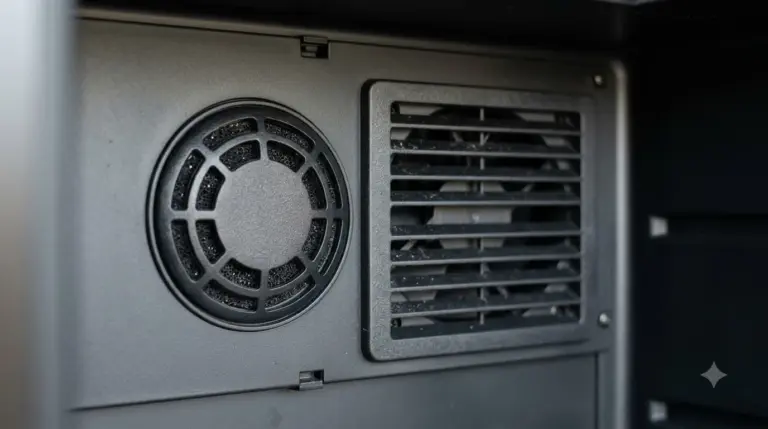
Front-venting inverter compressor coolers are engineered to slide flush under standard 24-inch countertops while maintaining whisper-quiet acoustics around 38 decibels. By exhausting heat through a slotted toe-kick grille at the bottom rather than the back, these units eliminate the need for side or rear air gaps without trapping compressor noise inside cabinetry.
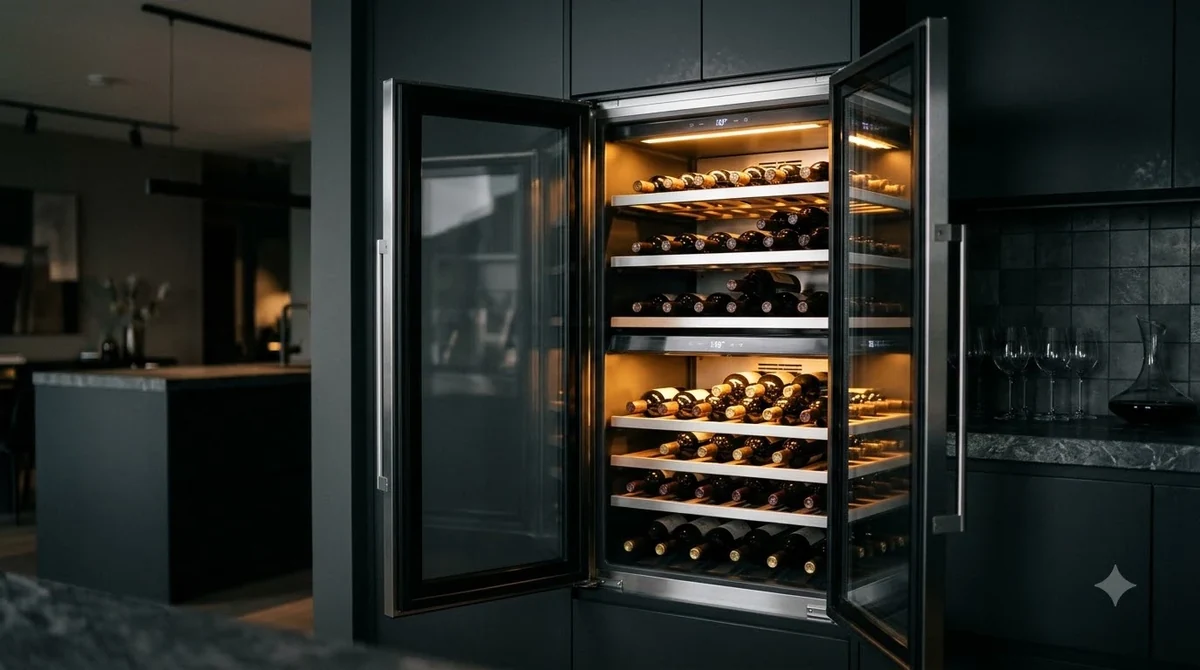
Why it stands out: Unlike traditional single-speed compressors that kick on at full power and produce an audible clunk, inverter compressors ramp up and down gradually to hold each zone within a single degree of your target setting. Reviewers at Wine Enthusiast note that modern variable-speed motors dramatically cut both ambient hum and micro-vibrations that can disturb aging sediment. Thick double-pane or triple-pane argon-filled glass doors further insulate the interior fans, keeping kitchen conversation completely uninterrupted.
Keep in mind and best for: Proper leveling on rubberized feet is essential during installation, because an uneven cabinet frame can amplify even faint fan resonance against adjacent wood panels. If you are planning a kitchen remodel or replacing a trash compactor, choosing a dedicated dual zone built in wine cooler gives you smooth cabinetry integration paired with reliable cooling even in warm cooking environments.
Best for Bedrooms, Home Offices, and Countertops
Compact thermoelectric dual-zone coolers rely on solid-state Peltier heat pumps rather than mechanical compressors, dropping operating noise down to a barely perceptible 25 to 32 decibels. Because the only moving parts are small internal circulation fans, these units produce a soft, steady airflow akin to a quiet laptop rather than a kitchen appliance.
Why it stands out: Without a heavy compressor motor, thermoelectric cabinets are lightweight, completely free of mechanical vibration, and gentle on delicate bottles kept on a desk, credenza, or bar cart. Separate upper and lower chambers allow you to chill sparkling wines and crisp whites in one compartment while keeping everyday reds slightly below room temperature in the other. For apartment dwellers or casual drinkers shopping for a small dual zone wine cooler, this design delivers true two-temperature flexibility in a footprint that fits almost anywhere.
Keep in mind and best for: Thermoelectric modules can only cool about 20°F below the surrounding ambient room temperature, meaning a unit placed in an 80°F sunroom will struggle to chill white wine down to 45°F. You also need to leave at least three to four inches of breathing room behind the rear exhaust fans so heat can dissipate properly. These units work best in climate-controlled bedrooms, studies, and studio apartments where silence takes priority over extreme cooling power.
Best for Tight Spaces and Narrow Alcoves
Slim 15-inch freestanding compressor coolers pack full dual-zone performance into a narrow vertical column while keeping sound output near 39 decibels through acoustic foam lining and rubber motor mounts. These units bridge the gap between tiny countertop models and full-width undercounter cabinets when floor space is at a premium.

Why it stands out: Narrow-profile coolers use high-efficiency miniature compressors paired with whisper-quiet axial fans to circulate chilled air evenly across single-bottle-wide wooden racks. According to testing insights from Food & Wine, well-engineered narrow coolers maintain tight temperature stability across upper and lower zones despite their compact internal volume. Beechwood or cedar slats naturally absorb subtle cabinet hum better than bare wire racks, preventing glass-on-metal rattling whenever the cooling cycle engages.
Keep in mind and best for: Because bottles sit in narrower rows, oversized Burgundy or Champagne bottles can occasionally crowd the shelves and block internal air vents, forcing the fans to work harder and louder. Removing one shelf usually solves the clearance issue for wider glassware. Choose this style if you need quiet, compressor-backed reliability tucked beside a wet bar, pantry wall, or dining room sideboard.
Best for High-Capacity Collections in Living Areas
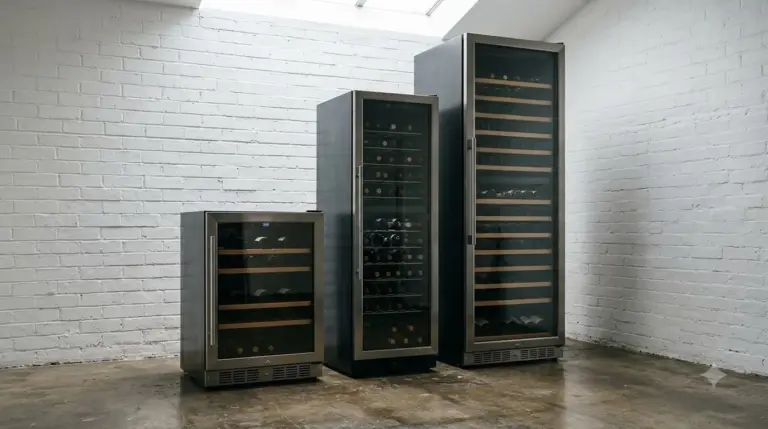
Tall, cellar-style dual-zone cabinets holding 100 to 160 bottles use heavy-duty vibration-isolated inverter compressors and insulated steel walls to keep sound levels around 40 decibels. Rather than hiding wine in a basement, these freestanding furniture-grade coolers let collectors store serious inventories directly in dining rooms or living spaces.
Why it stands out: Large cabinets benefit from greater thermal mass; once 100 or more bottles reach target temperature, the liquid itself helps stabilize internal climate so the compressor runs far less frequently. Thick polyurethane foam insulation deadens mechanical sound from the rear compartment, while ball-bearing telescoping wooden shelves glide smoothly without jostling corks. Separate digital thermostats let you set a long-term aging zone at 55°F alongside a dedicated service zone at 45°F for ready-to-pour whites and rosés.
Keep in mind and best for: Larger cabinets require sturdy flooring to support several hundred pounds of glass and liquid, and their taller profiles produce slightly more fan airflow than undercounter units. Keep the cooler out of direct afternoon sunlight so the cooling system does not have to run continuously. This category is ideal for dedicated enthusiasts who want cellar-grade preservation and quiet operation inside main living quarters.
Best for Entertaining and Frequent Door Openings
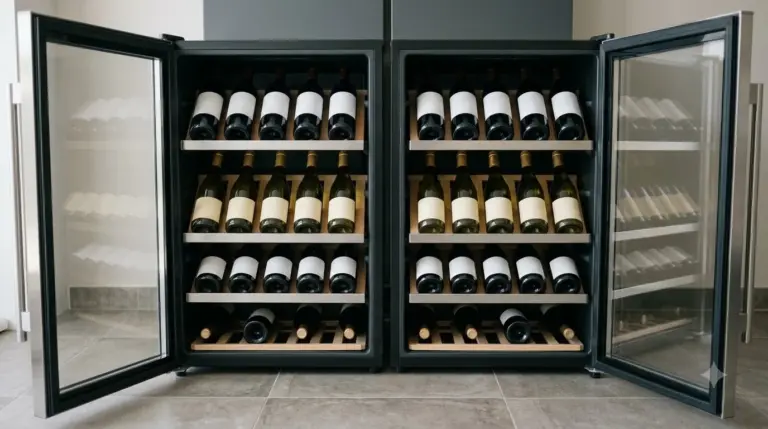
French-door split-zone wine coolers divide left and right compartments behind independent vertical glass doors, minimizing temperature swings and noisy compressor recovery cycles during dinner parties. Instead of exposing the entire cabinet to warm room air every time someone grabs a bottle, you only open the specific zone you need.
Why it stands out: Traditional single-door coolers lose cold air rapidly from both zones whenever the door swings open, triggering loud, prolonged high-speed fan recovery afterward. Side-by-side split chambers isolate your reds on one side and whites on the other, allowing each side to recover quickly and quietly after brief access. Independent door gaskets also seal tighter over smaller perimeters, reducing air leaks that cause constant compressor cycling.
Keep in mind and best for: Side-by-side chambers are typically narrower per side than a single full-width cavity, so check shelf spacing if your cellar leans heavily toward wide-shouldered Pinot Noir or sparkling wine bottles. Exploring wine coolers by type makes it easier to compare side-by-side French doors against stacked top-and-bottom zones before measuring your space. This layout excels in dining rooms and home bars where hosts frequently pull bottles throughout an evening.
How to Choose
Evaluating a quiet dual-zone wine cooler comes down to looking past marketing claims and inspecting the mechanical details that govern sound and thermal stability.
- Decibel Ratings in Context: Look for models rated at 40 dB or lower for living areas and kitchens, or under 35 dB for bedrooms and home offices. Every 3 dB increase represents a noticeable doubling in sound intensity, so a 37 dB cooler sounds markedly softer than a 43 dB unit.
- Inverter vs. Standard Compressors: Variable-speed inverter compressors adjust cooling output incrementally rather than switching abruptly between off and full blast. This eliminates the sudden start-up click and low-frequency thrum common in budget single-speed fridges.
- Shelving Material and Vibration Control: Solid beechwood, oak, or cedar racks naturally dampen micro-vibrations and eliminate the metallic clinking caused by chrome wire racks. Look for rubber shock absorbers beneath the compressor mount as well.
- Temperature Range Spread: Confirm that both zones offer genuinely useful ranges—ideally 40°F to 50°F in the white/sparkling zone and 55°F to 65°F in the red zone—with an insulated divider separating the two chambers.
- Door Glass and Venting Orientation: Double- or triple-pane UV-tinted glass blocks both room heat and internal fan noise. If the unit will sit inside cabinetry, verify that it features a front-venting grille rather than rear exhaust vents.
Tip: Let any newly delivered compressor wine cooler stand upright for at least 24 hours before plugging it in so the refrigerant oil settles properly—running a compressor immediately after horizontal transport can cause permanent internal rattle and loud operation.
Frequently Asked Questions
What decibel level is considered quiet for a dual-zone wine cooler?
Anything rated at 40 decibels or below is considered quiet enough for open-concept kitchens, dining rooms, and living areas, roughly matching the background hum of a library. If you plan to place the cooler in a bedroom or quiet home office, aim for a thermoelectric or premium inverter model rated between 28 and 37 decibels.
Are thermoelectric wine coolers quieter than compressor wine coolers?
Yes, thermoelectric wine coolers are noticeably quieter because they have no mechanical compressor and rely solely on small solid-state cooling modules and gentle circulation fans. However, they only cool about 20°F below ambient room temperature, whereas modern inverter compressor coolers stay nearly as quiet while delivering much stronger, more reliable cooling in warm kitchens.
Why does my dual-zone wine cooler suddenly make a buzzing or rattling noise?
Sudden rattling usually comes from an unlevel cabinet, bottles touching each other on a rack, or the rear frame vibrating against a wall or baseboard. Adjusting the front leveling legs with a bubble level and leaving a small gap between wine bottles resolves most acoustic issues immediately.
Can you store opened bottles of wine inside a dual-zone wine cooler?
Yes, storing recorked or vacuum-sealed bottles upright in the appropriate temperature zone slows oxidation and preserves fresh aromas. Understanding how long does wine last after opening helps you plan storage, as chilled whites typically stay crisp for three to five days while reds hold their character for up to five days at cool cellar temperatures.
Selecting the right quiet dual-zone cooler ultimately depends on where the cabinet will live and how many bottles you keep on hand. Matching an inverter compressor or thermoelectric design to your room’s ambient temperature and acoustic expectations ensures every bottle stays ready to pour without disrupting the peace of your home.
More in Wine Fridges by Type
 Best White Wine Fridge for Reliable Chilling and StorageUpdated Nov 20, 2026
 Best Smart Wine Fridge for Steady Temperatures and Remote ChecksUpdated Nov 18, 2026
 Best Black Under Counter Wine Fridge Options for Kitchens and IslandsUpdated Nov 18, 2026
 Best Black Slim Wine Fridge for Narrow Gaps and Dark KitchensUpdated Nov 18, 2026
 Best Built In Dual Zone Wine Fridge Options by Kitchen LayoutUpdated Nov 18, 2026
 Best Slim Built in Wine Cooler: 5 Space-Saving Styles for Tight KitchensUpdated Nov 18, 2026