


We may earn a commission when you buy through links on this page, at no extra cost to you. Learn more.
The best small dual zone wine cooler is a compact unit with two independent temperature zones, which lets you hold reds and whites at different settings without taking up much floor or counter space. Look for a footprint that fits your spot, a clear display for each zone, and a door that seals well. Small dual zone models suit apartments, a corner of the kitchen or a couple who drink both styles and want room for a few bottles at a time.
Small dual zone coolers sit between a basic countertop chiller and a full-size wine fridge. They hold a modest number of bottles, but each compartment can run at its own set point, so a single unit can handle a Beaujolais and a dry Riesling without compromise. This guide sorts the main kinds of small dual zone coolers by where they fit and who they suit, then explains what to check before you buy.
Quick Comparison of Small Dual Zone Wine Cooler Types
Most compact dual zone coolers fall into one of four layouts. The table compares them by placement and by the trade-off that matters most in a small space.
| Type | Placement | Zone setup | Good for | Main trade-off |
|---|---|---|---|---|
| Freestanding compact dual zone | Floor or countertop, plugs into a standard outlet | Two zones, each with its own set point | Apartments, small dining rooms | Less capacity than a full-size fridge |
| Built-in compact dual zone | Under a counter or inside a cabinet run | Two zones, usually with a front display | Kitchen nooks, small bars | Needs a planned opening and ventilation gap |
| Slim tower or tall narrow model | Against a wall or beside a fridge | Two zones stacked vertically | Tight corners and hallways | Tall units can tip if placed on uneven floors |
| Glass-door compact cabinet | Sideboard, bar cart or shelf | Two zones behind glass | Living rooms and entertaining | Glass lets in light, so placement matters |
Best for Apartments and Small Kitchen Corners
A compact freestanding unit is the simplest fit when floor space is limited and the wine storage needs to share a room with everyday appliances.

Why it stands out: A freestanding unit does not need a built-in cutout, so it can move with you and sit in a corner that a standard fridge cannot cover. Two zones let a small household keep white wine at a cooler setting and a red at a slightly warmer one.
Keep in mind: Compact units hold fewer bottles than a full-size model, and the zones may be shallower than they look on paper. Measure the depth with the door open, because most owners need that clearance to load bottles easily.
Best for: Renters and apartment kitchens where the wine storage has to fit a tight corner.
Best for Couples Who Drink Both Reds and Whites
Two zones earn their keep when the household opens a red one night and a white the next, and both bottles need the right serving temperature.
Why it stands out: Serving guidance puts many reds in a cool to slightly cool range and many whites in a fridge-cold range, so separate zones spare you from warming or chilling bottles by hand. You can also keep a rosé or a light white in the cooler zone without disturbing the reds.
Keep in mind: Two set points mean two displays to read. Choose a model where each zone shows its own temperature, and set the zones with the bottles you actually plan to drink rather than the ones you hope to age.
Best for: Two-person households that drink a mix of styles every week.
Best for a Built-In Nook Under a Counter
A compact built-in fits a small bar or a kitchen nook where the wine should look like part of the cabinetry rather than a separate appliance.
Why it stands out: Front venting lets the unit sit flush with surrounding cabinets, and the front display keeps the controls easy to reach. A built-in can use a narrow opening that a freestanding model would not fit into.
Keep in mind: The opening, depth and ventilation gap must match the install sheet from the manufacturer. A small gap can make the unit run longer and hold its set point less well, so measure twice before you order.
Best for: Small remodels and apartment bars where the storage must sit flush with the cabinets.
Best for Lighter Reds and Crisp Whites on Weeknights
If most of your weeknight pours are light-bodied reds and crisp whites, a dual zone cooler can keep both in their preferred ranges without much effort.
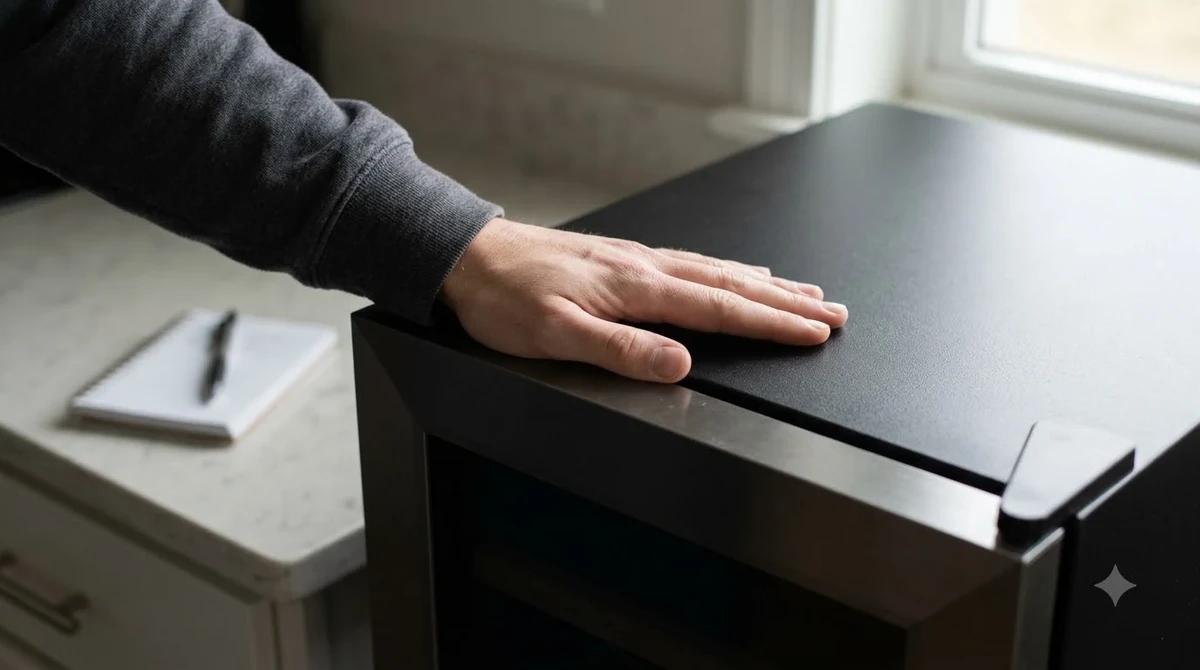
Why it stands out: Guidance from Wine Folly’s serving temperature guide places light and medium reds at about 55 to 60 °F (12 to 15 °C) and full-bodied whites at 44 to 55 °F (7 to 12 °C), so a two-zone unit makes both easy to reach. Keeping a white in the cooler zone also helps it stay fresh between glasses.
Keep in mind: Bold reds sit a little warmer, about 60 to 68 °F (15 to 20 °C), so they may need a few minutes out of the cooler before serving. Warming a red in the cooler does not replace serving it at the right temperature.
Best for: Everyday drinkers who want two ready-to-pour zones for quick weeknight meals.
Best for a Home Office or Bedroom-Adjacent Spot
A compact dual zone unit can sit in a home office, a den or a hallway, but it needs a quiet, stable place to run.
Why it stands out: A small unit in a quiet room keeps wine within reach without a trip to the kitchen. Two zones let you store a sparkling wine and a red in the same cabinet without mixing their temperatures.
Keep in mind: Compressors make some noise, and vibration can disturb the wine over time. Place the unit on a level floor away from speakers and heavy equipment, and keep it out of direct sun and away from heaters.
Best for: Remote workers and guests who want a stocked cooler close to the living area.
How to Choose a Small Dual Zone Wine Cooler
A small unit is easy to pick once the footprint, the zones and the placement are settled. Work through these points before you narrow the list.
- Measure the spot first. Check the width, depth and height, plus the door swing and the vent gap if the unit is built-in.
- Match the zones to your drinking. Two zones help when you regularly serve both reds and whites. A single zone may be enough if most bottles share one style.
- Confirm the temperature range. Look for a stated range for each zone and a clear display. Compare it with the serving ranges for your favorite styles.
- Look at the door and light. Solid or tinted glass protects bottles better than clear glass in a bright room.
- Plan the placement. Keep the unit level, away from direct sun, heaters and heavy vibration sources.
Frequently Asked Questions
Is a small dual zone wine cooler the same as a wine fridge?
They overlap. A wine fridge is a broader category, and a small dual zone cooler is a compact version with two temperature zones. Read the product description for the zone count and the temperature range rather than relying on the name.
How many bottles does a small dual zone cooler hold?
Compact models usually hold a modest number of standard 750 ml bottles, and the count depends on the shelf layout and the bottle shape. Check the manufacturer’s capacity note and the shelf design before you plan your collection.
What temperature should each zone be set to?
A common approach is to set one zone for whites and light reds, and a second zone for fuller reds. Wine Folly lists about 55 to 60 °F for light and medium reds, 60 to 68 °F for bold reds, and 44 to 55 °F for full-bodied whites. Use those ranges as a starting point and adjust to taste.
Can a small dual zone cooler hold wine for years?
It can hold wine for a while, but long-term aging needs a steady temperature and low vibration. A compact unit works well for drinking wine within a few years, and collectors with long-term plans often prefer larger, more stable storage.
If you are weighing a compact unit against a built-in or a larger layout, the dual zone wine fridge guide covers the trade-offs in more detail. For an open bottle, the how long does wine last after opening guide explains how long a bottle stays good once you pull the cork. Measure your space, choose the zones that match your drinking, and pick the footprint that fits your room.
More in Wine Fridges by Type
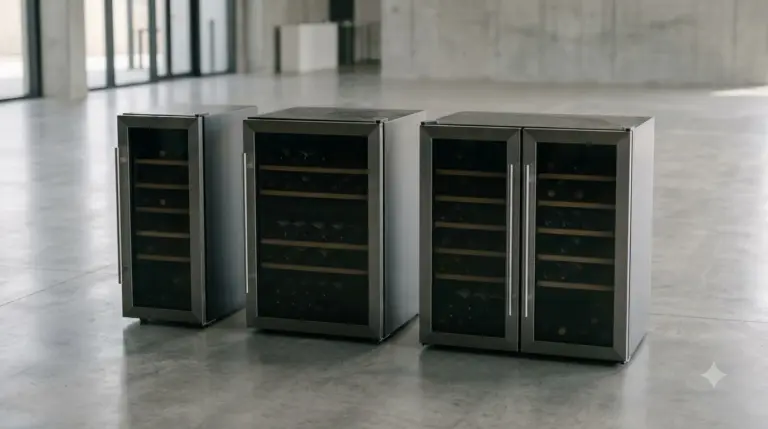 Best White Wine Fridge for Reliable Chilling and StorageUpdated Nov 20, 2026
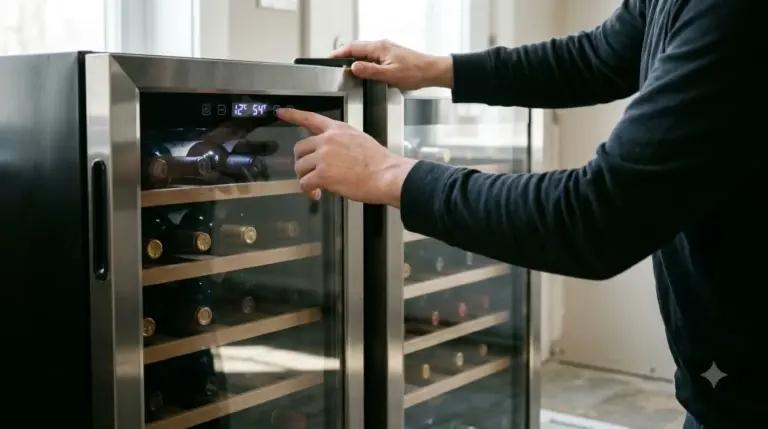 Best Smart Wine Fridge for Steady Temperatures and Remote ChecksUpdated Nov 18, 2026
 Best Black Under Counter Wine Fridge Options for Kitchens and IslandsUpdated Nov 18, 2026
 Best Black Slim Wine Fridge for Narrow Gaps and Dark KitchensUpdated Nov 18, 2026
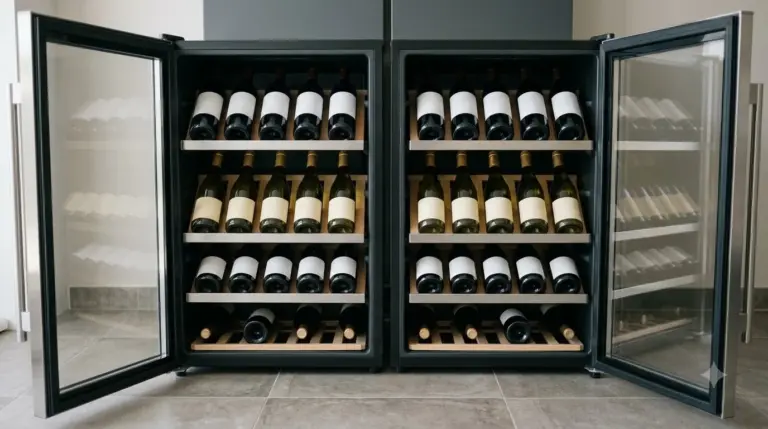 Best Built In Dual Zone Wine Fridge Options by Kitchen LayoutUpdated Nov 18, 2026
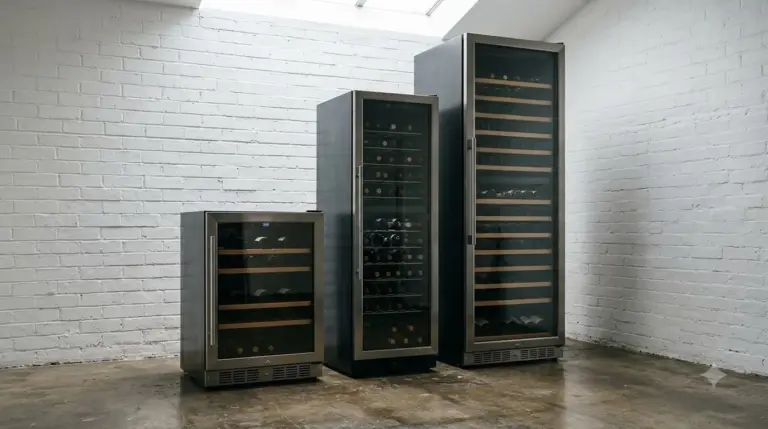 Best Slim Built in Wine Cooler: 5 Space-Saving Styles for Tight KitchensUpdated Nov 18, 2026