

We may earn a commission when you buy through links on this page, at no extra cost to you. Learn more.
The best wine fridge for champagne bottles has shelves deep and tall enough for the bottle shape, keeps a steady cool temperature, and lets you store bubbly on its side or upright. Sparkling wine bottles are taller and heavier than most still wine, and they are often sold with wire cages and thick glass. The right unit depends on the shelf design, the temperature control, and how many bottles you keep for celebrations or everyday sipping. This guide compares the main options so you can narrow the list before you measure.
Champagne and other sparkling wines need more care than still wine because they are held under pressure. A steady, cool temperature helps keep the bubbles fine and the flavor fresh, and a shelf that holds the bottle securely reduces the chance of knocks. A wine fridge with the right shelf geometry makes storage simpler, especially when a bottle is wider or taller than the standard still wine bottle.
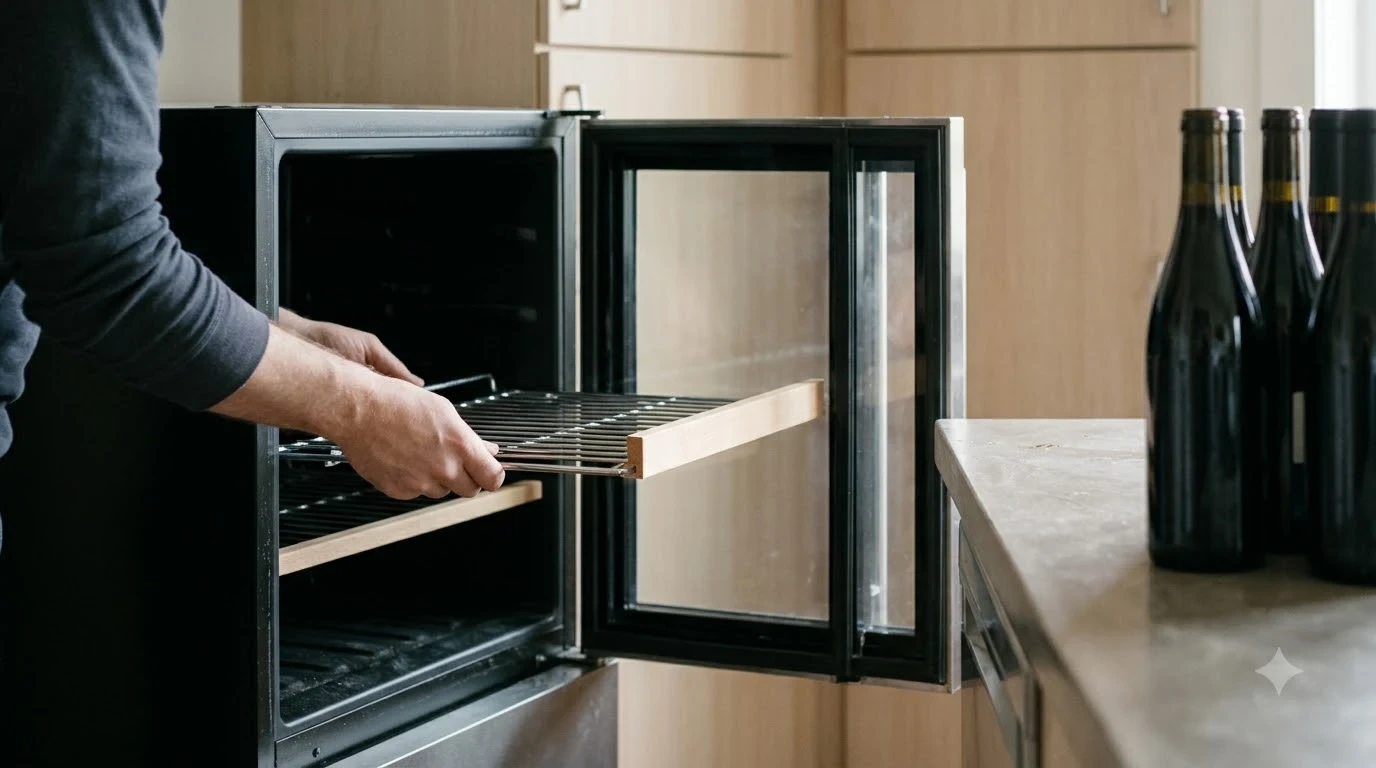
The first step is to measure the bottles you actually own. Check the height of the tallest bottle, including any wire cage, and the diameter of the widest one. Then compare those numbers with the shelf height and depth listed on the spec sheet. A shelf that looks deep enough on paper can still be too short for a cage, so a quick test with a real bottle before buying is worth the time.
Quick Comparison of Champagne Friendly Wine Fridge Features
Several features decide how well a unit suits sparkling wine. The table below compares the main ones before the detailed picks.
| Feature | What to look for | Why it matters for sparkling wine |
|---|---|---|
| Shelf height | Room for a bottle with its cage | Prevents bottles from being forced in or tilted |
| Shelf depth | Enough depth for wide, heavy bottles | Supports the base and keeps the bottle stable |
| Storage position | Flat shelves or upright slots | Upright storage suits a bottle waiting to be served |
| Temperature control | A steady setting in a cool range | Helps keep the wine fresh between uses |
Best for Tall Bottles Stored Upright
Upright storage suits a bottle that is going to be served soon. Slots or tall shelves hold the bottle straight, which makes it easy to grab and check before a celebration.
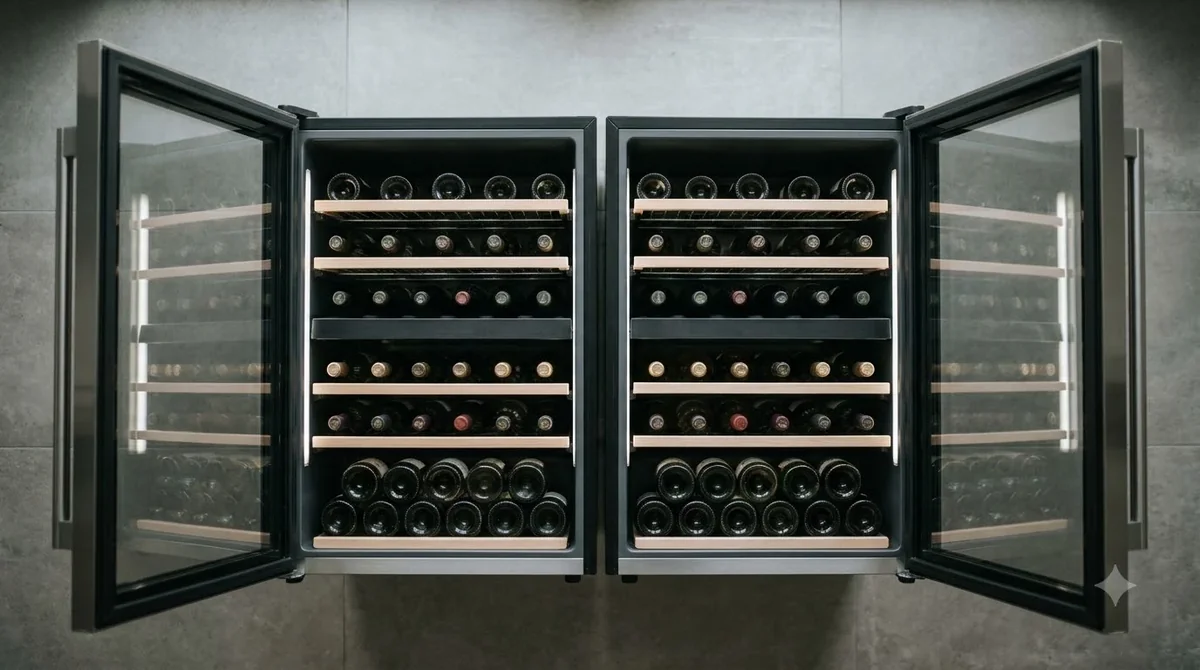
Why it stands out: upright storage keeps the bottle easy to reach, and it avoids the need to tilt a bottle in a crowded shelf. For a unit that stores sparkling wine for a few days, upright slots make everyday use simpler.
Keep in mind: upright storage works best for bottles you plan to drink in a short period. Check that the slot height fits the cage, because a bottle that is too tall for its slot can be stressed when the door closes.
Best for Wide Shelves That Lay Bottles Down
Lying the bottle on its side keeps the cork moist in long-term storage and makes better use of a wide shelf. A deep, flat shelf suits a larger collection that is stored for weeks or months.
Why it stands out: flat shelves hold several bottles side by side, and the wide base keeps each one steady. The layout also suits bottles of different shapes, including sparkling and still wine.
Keep in mind: flat shelves limit how many bottles fit in a given width, and a bottle stored sideways takes more space than one in an upright slot. Plan the layout around the number of bottles you expect to keep.
Best for Mixed Sparkling and Still Wine Collections
Many households keep both sparkling and still wine, and a unit that handles both makes sense. A mixed collection needs shelves that work for different bottle shapes, along with a temperature setting that suits both types.
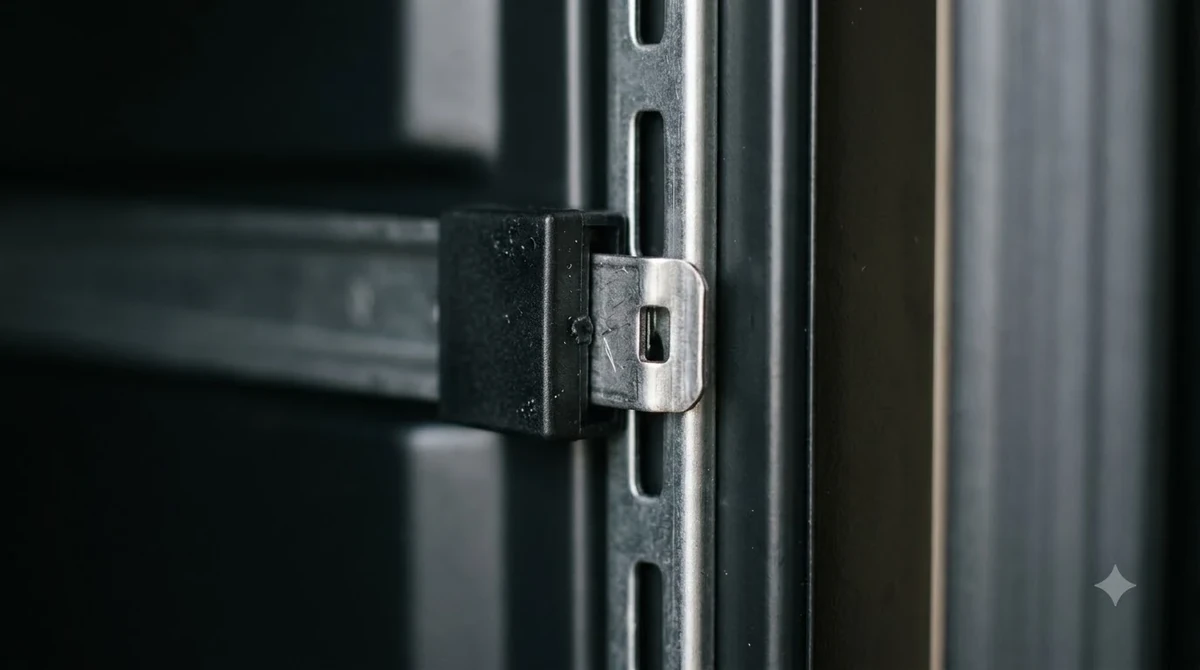
Why it stands out: a unit with adjustable shelves can store tall sparkling bottles and standard still bottles without wasting space. A single control covers both types when the temperature range is suitable.
Keep in mind: according to Wikipedia’s wine cellar entry, wine can be stored satisfactorily between 7 and 18 °C (45 to 64 °F) as long as changes are gradual. Confirm that the unit holds a steady temperature within a range that suits the sparkling wines you keep.
Best for Beer and Wine Combination Units
A combined beer and wine unit suits a kitchen or game room where drinks are served together. It usually has a mix of shelves, and some models offer a wider temperature range for beer as well as wine.
Why it stands out: one unit covers both drinks, which saves space and keeps the bottles close to the serving area. Shelves can be adjusted for tall sparkling bottles and cans alike.
Keep in mind: the temperature that suits beer may be colder or warmer than the best range for sparkling wine. Check the controls and the zone setup before buying, and look for a unit that can hold the wine within its preferred range.
Best for Dining Room Sideboards and Display
A sideboard unit sits in a dining room and serves guests directly. A glass front and a tidy interior make the bottles part of the room, and the wine stays close at hand during meals.
Why it stands out: a dining room unit keeps champagne at the table, ready to pour. The display lets guests see the selection, which suits a home where wine is part of the meal.
A sideboard unit also works well for a bottle that is opened in stages, such as a celebratory bottle that is shared over a meal. Keeping the remaining wine cool between pours helps the flavor hold, and a unit placed close to the table means the bottle does not need to be carried back and forth from the kitchen.
Keep in mind: dining rooms can get warm and bright. Keep the unit away from direct sun and heating vents, and check that the glass door blocks enough light to protect the wine.
How to Choose a Wine Fridge for Champagne Bottles
Choosing the right unit starts with the bottles you own. The checklist below covers the features that matter most for sparkling wine.
- Shelf height that clears a wire cage, plus room above the shelf for the bottle to slide in
- Shelf depth and width for wide, heavy bottles, and how many fit side by side
- Upright slots or flat shelves, depending on how long bottles stay in storage
- A temperature control that holds a steady, cool setting
- Door style: solid for light control, glass for display
- Vibration and noise, especially if the unit sits in a living area
When the bottle size and the storage time are clear, the shelf design usually makes the choice. Upright slots suit short-term service, flat shelves suit longer storage, and a combined unit suits mixed collections.
Frequently Asked Questions
Should champagne be stored upright or on its side in a wine fridge?
Upright storage suits a bottle you plan to serve soon, because it is easy to reach and check. Lying the bottle down suits longer storage, which keeps the cork in contact with the wine. Choose the position that matches how long the bottle will stay in the fridge.
Will a standard wine fridge shelf fit a champagne bottle with a cage?
Not always. The wire cage adds height, so check the shelf or slot height on the spec sheet and test the fit with a real bottle when you can. A shelf that is too short may force the bottle or make the door hard to close.
What temperature should a wine fridge hold for sparkling wine?
Wikipedia’s wine cellar entry describes 7 to 18 °C (45 to 64 °F) as a workable range when changes are gradual. Choose a unit that holds a steady temperature within the range suited to the sparkling wines you keep.
Is a dual zone unit needed for champagne?
Not necessarily. A single zone unit with the right shelves can hold sparkling wine well. A dual zone unit is useful when you also store reds or whites that need a different temperature.
Before choosing, it also helps to picture the way the bottles will be used. A household that opens sparkling wine only on weekends has different needs from one that keeps a bottle ready every evening. Matching the shelf layout to that rhythm keeps the collection organized and makes it easier to rotate stock, so the oldest bottles are used first.
Once you have chosen the shelf design, plan how long opened bottles will keep. The guide on how long wine lasts after opening covers that. For related options, see the wine and beer fridge page, the wine fridge sideboard guide, and the wine fridge features section.
More in Wine Fridge Features
 Best Wine Fridge Bar Cabinet Setups for a Better Home BarUpdated Nov 20, 2026
 Wine Fridge for Champagne Bottles: Sizes and Storage GuideUpdated Nov 18, 2026
 Best Wine Fridge with Display Shelf: Glass Doors and Open RacksUpdated Nov 18, 2026
 Best Wine Fridge With Drawers for Easy Access to Every BottleUpdated Nov 18, 2026
 Best Wine Fridge With Freezer: Combo Styles for Kitchens and BasementsUpdated Nov 18, 2026
 Best Wine Fridge for Magnum Bottles: Shelf Depth and Upright FitUpdated Nov 18, 2026