

We may earn a commission when you buy through links on this page, at no extra cost to you. Learn more.
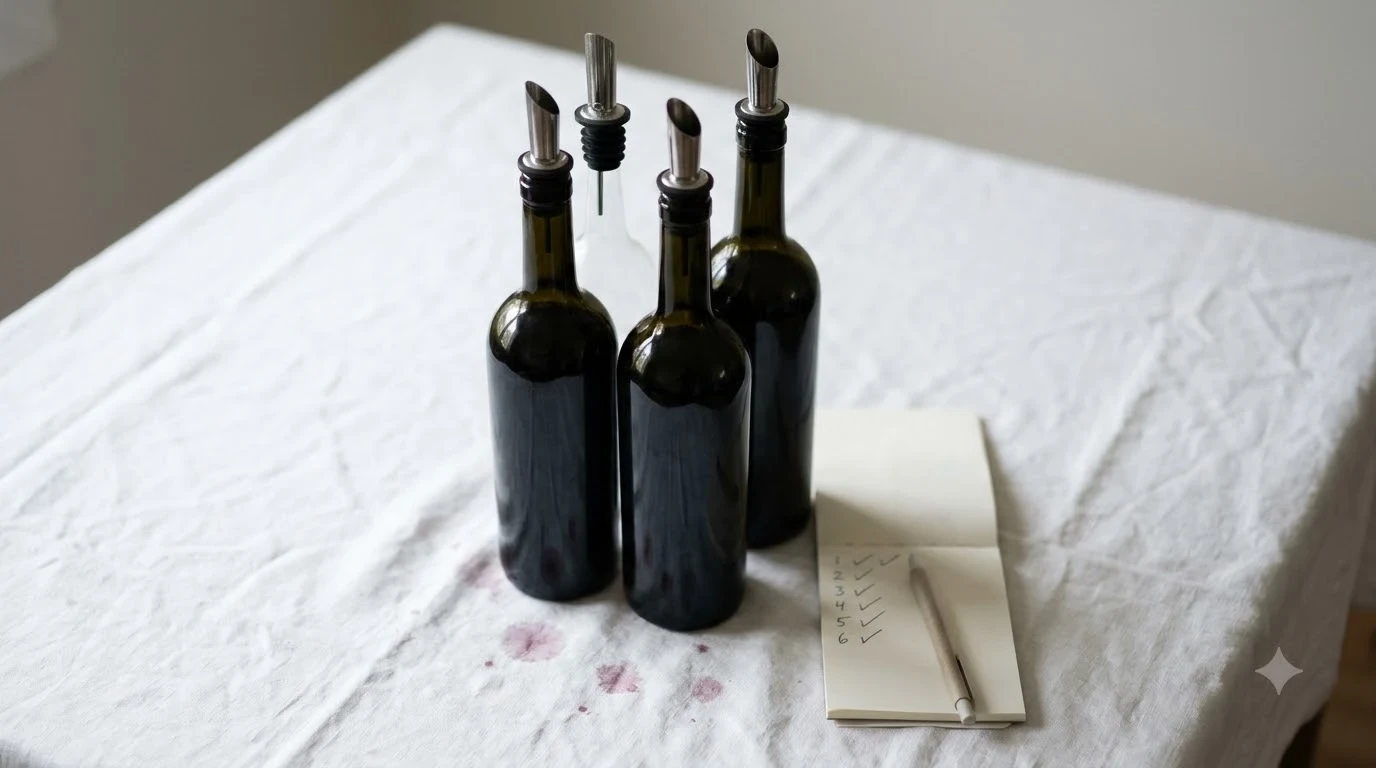
Scuppernong wine is a sweet, musky wine made from the scuppernong, a bronze-colored muscadine grape native to the American South. It belongs to the muscadine family rather than the European wine grapes that dominate most wine shops. Its flavor is fruity, heavy and sweet, which makes it very different from a dry table wine.
This guide explains where scuppernong wine comes from, what it tastes like, and how it differs from European wines. It also covers how the wine is typically made, how to serve it, and what to look for when you buy a bottle.
What Is Scuppernong Wine?
Scuppernong wine is a Southern American wine built on a grape that grows wild across the Southeast. Reviewers at regional food publications describe it as a sweet, musky drink that locals enjoy for sipping and for cooking. It is a fruit wine in the sense that its character comes almost entirely from the grape itself.
The wine is closely tied to North Carolina, where the scuppernong grape has been the state fruit since 2001. Many small producers there, and across the South, make it alongside other muscadine wines. If you are new to the category, think of scuppernong wine as a sweet, aromatic, full-bodied style that sits outside the usual vocabulary of dry red and white wines.
The Scuppernong Grape and Its Origins
The scuppernong is a cultivar of the muscadine grape, which botanists classify as Vitis rotundifolia. According to the North Carolina Extension plant toolbox entry for the scuppernong grape, the muscadine is a woody, climbing vine native to the southern United States. Its grapes grow singly or in small groups rather than in the tight clusters you see on European vines.
The name comes from the Scuppernong River in northeastern North Carolina. The fruit is bronze in color and has thick skin, and it is one of the best-known members of the muscadine family. Over 300 muscadine cultivars are sold in the Southeast, although most of them are female plants that need a pollinating partner nearby.
The grape also carries a strong regional story. Local tradition ties many vines to a very old plant on Roanoke Island, often called the Mother Vine. Historians and writers have questioned how far back that plant can be traced, so treat the legend as folklore rather than settled history. The grape is still a symbol of the Southern food and drink tradition.
Flavor Profile and Sweetness Level
Scuppernong wine is sweet, but its sweetness is not the same as a dessert wine made from European grapes. Most tasters describe a musky, floral aroma with ripe, slightly candied fruit on the palate. The finish often feels thick and lingering, which is typical of muscadine wines.
Sweetness can vary widely from one bottle to another. Some producers make a sweet, almost syrupy style, while others leave a little more tartness for balance. Read the label and any tasting notes from the producer to learn where a bottle falls before you commit to a full bottle.
Acidity is the key to whether a sweet wine feels refreshing or heavy. Scuppernong wine tends to be on the heavier, rounder side, so it works best in small pours. If you want a lighter sweet wine, you may prefer a different style altogether.
| Trait | Scuppernong wine | Typical European dry wine |
|---|---|---|
| Grape | Scuppernong, a muscadine cultivar | Vitis vinifera varieties such as those used for chianti |
| Main aroma | Musky, floral, ripe fruit | Varies widely by grape and region |
| Sweetness | Usually sweet | Usually dry, with sweet styles as exceptions |
| Body | Full and heavy | Ranges from light to full |
| Best use | Sipping, cooking, sweet pairings | Meals, aging, wide food pairing |
How Scuppernong Wine Is Made
Scuppernong wine follows the same basic steps as most fruit wines. The grapes are harvested when fully ripe, crushed and pressed, and then fermented with yeast. Winemakers decide how much sugar to leave in the wine and how long to age it, and those choices shape the final style.
The thick skins of muscadine grapes add color, tannin and aroma, so producers pay close attention to how long the juice stays in contact with the skins. A short contact time gives a lighter color, while longer contact can deepen the color and add more structure. Muscadine skins also carry a strong natural aroma that carries into the finished wine.
- Harvest the grapes once they are fully ripe, since over-ripe fruit can turn wrinkled and lose freshness.
- Crush the grapes and separate the juice from the skins, deciding how much skin contact you want for color and flavor.
- Ferment the juice with yeast, and decide whether to stop fermentation early to keep more natural sugar in the wine.
- Rack, clarify and age the wine before bottling, then check the sweetness and balance before release.
Many home winemakers also work with scuppernongs, and the grape is used in jams, jellies and other preserves as well. The Chowhound article on North Carolina scuppernong wine notes that the juice is made into a fragrant wine that is loved locally. The sweetness and body come from the grape, so the process is less about adding sugar and more about controlling what the fruit already offers.
Scuppernong vs. Muscadine and Other Southern Wines
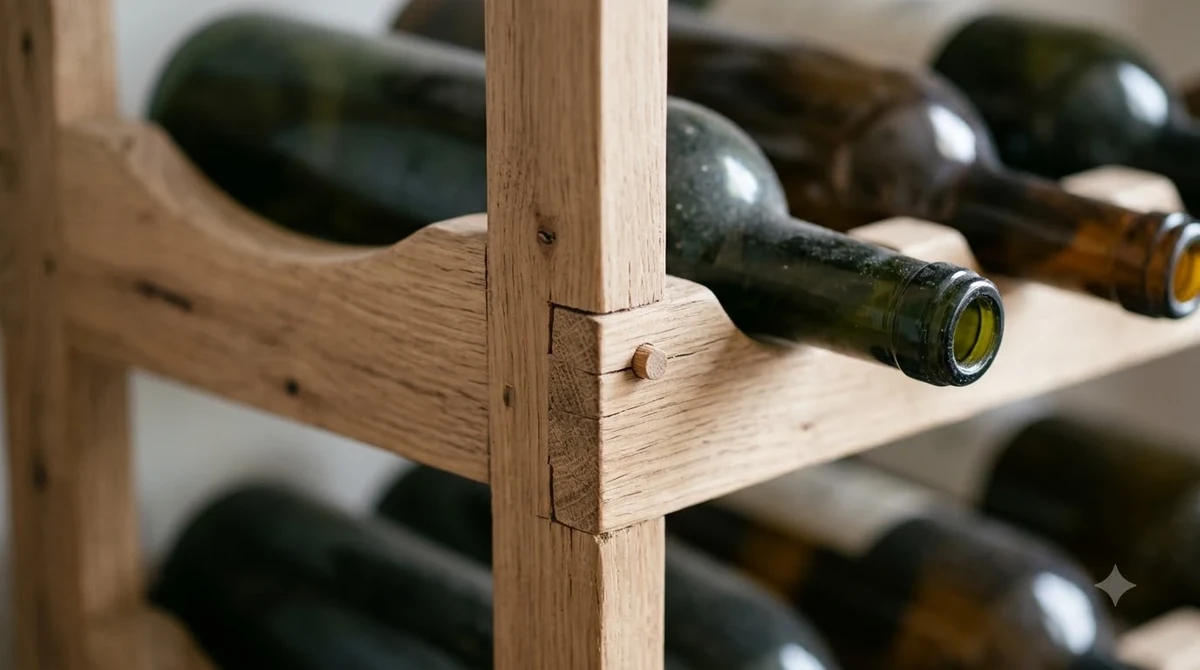
Scuppernong and muscadine are related terms, and the difference confuses many shoppers. Muscadine is the broader name for the grape species, while scuppernong is one cultivar within that group. Wines labeled muscadine may come from several cultivars, so the label tells you more about the grape family than about a single variety.
Other Southern wines also use native and hybrid grapes. Producers in the region often blend or label wines by grape or by sweetness level, which means you should compare the label closely. Scuppernong wine is usually sweeter and more aromatic than a dry Southern white, and it is a separate category from wines made from European grapes such as those behind the chianti grape.
The main question is what kind of wine you want. If you enjoy a dry, food-friendly red, you may find scuppernong too sweet and heavy. If you prefer a sweet, fruity glass with strong regional character, it is one of the most distinctive options available. For a broader overview of how grape families differ, the Wine by Type section is a useful starting point.
Serving, Pairing and Buying Scuppernong Wine
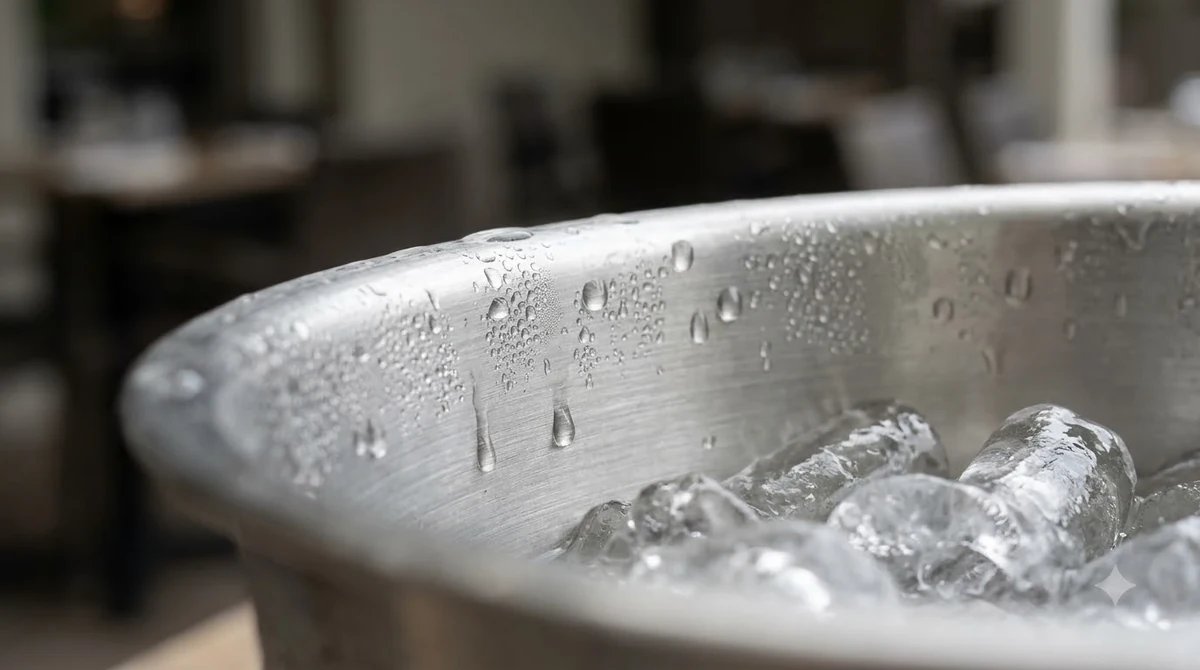
Scuppernong wine works best in small pours, since its sweetness and body can overwhelm a large glass. Serve it chilled rather than at room temperature, which keeps the aroma lively and the sweetness in balance. Store opened bottles in the refrigerator and drink them within a reasonable time, because sweet wines can lose their brightness after opening.
Pairings tend to favor rich, salty or spicy foods. Sharp cheeses, cured meats, roasted nuts and Southern dishes with smoky or salty flavors all work well. Many people also enjoy it with fruit desserts, pound cake, or a simple dish of fresh berries, since the sweetness matches the fruit. It can also be used in cooking, as many Southern cooks use sweet wines in sauces and glazes.
When you buy a bottle, read the label for the grape, the sweetness level and the producer. Check whether the wine is sold as scuppernong, muscadine or a blend, since those terms signal different styles. Ask the shop staff to describe the sweetness if the label is unclear, and check the producer website for tasting notes. Always drink responsibly and keep portions moderate, especially with sweet wines that can be easy to overpour.
Frequently Asked Questions
Is scuppernong wine sweet?
Yes, scuppernong wine is generally sweet, with a musky, fruity character. Sweetness can vary by producer, so check the label or producer notes. Many people enjoy it in small pours because the body is full and the finish lingers.
What is the difference between scuppernong and muscadine?
Muscadine is the broader name for the grape species, while scuppernong is a named cultivar within that group. A wine labeled muscadine may be made from several cultivars. Reading the label carefully helps you understand what is in the bottle.
Where do scuppernong grapes grow?
Scuppernong grapes grow in the southern United States, and North Carolina is closely associated with the variety. The muscadine vine is native to the region and grows in sandy or well-drained soils. Local extension services can tell you more about growing conditions in your area.
How should I serve scuppernong wine?
Serve scuppernong wine chilled in a small glass. Pair it with salty snacks, sharp cheese or fruit desserts to balance the sweetness. Keep opened bottles refrigerated and finish them within a reasonable time for the best flavor.
Scuppernong wine offers a sweet, aromatic taste that reflects its Southern roots and native grape. If you want to explore more wine styles, start with the colombard grape for a different take on a white grape, then compare the regional options. Taste slowly, read the labels, and enjoy any wine in moderation.
More in Wine Types & Grapes
 Zinfandel Sugar Content: Dry Red vs. White Zinfandel GramsUpdated Nov 21, 2026
 Best Zinfandel Substitute Options for Sipping and CookingUpdated Nov 21, 2026
 Zweigelt Food Pairing: Best Dishes, Cheeses, and Serving TipsUpdated Nov 21, 2026
 Zinfandel Tannins Explained: How Structure Shapes Every BottleUpdated Nov 21, 2026
 Zinfandel Sweetness Level: Dry Red vs. Sweet White Zin ExplainedUpdated Nov 21, 2026
 Xinomavro Food Pairing: Best Dishes, Styles, and Serving TipsUpdated Nov 21, 2026