

We may earn a commission when you buy through links on this page, at no extra cost to you. Learn more.
A port cocktail is a mixed drink built around port wine, usually a fortified style such as tawny, combined with a spirit, bitters or citrus. Classic examples include the Port Wine Cocktail, which pairs tawny port with cognac and bitters, and the Port Sangaree, which is chilled port sweetened and served over crushed ice. Because port is already sweet and strong, the drink needs careful balancing.
This guide explains which port styles work in mixed drinks, walks through a few historic recipes, and shows how to balance sweetness and alcohol when you build a drink around port. It is written for home bartenders who want practical steps rather than theory.
What Is a Port Cocktail?
A port cocktail uses fortified port wine as the main ingredient rather than a small supporting splash. The result usually sits closer to a wine-based sipper than to a spirit-forward stirred drink.
Port is a fortified wine, so it carries more alcohol and sweetness than a typical table wine. That makes it a strong base for a drink. According to Difford’s Guide, a classic Port Wine Cocktail built on tawny port comes out around 20.56% alc./vol., which is stronger than many people expect from a wine-based drink. Check your bottle label for its exact strength before you build a recipe.
The idea is far from new. Difford’s Guide notes a Port Wine Cocktail recipe in Frank Newman’s 1900 French book American-Bar Recettes des Boissons Anglaises & Américaines. That method stirred ice with angostura and orange bitters, then finished with red or white port. Port sangarees from the 1862 Jerry Thomas bar guide also used port, sugar and nutmeg. If you are new to port, a primer on what does port taste like will help you predict how a drink will turn out.
Which Port Styles Work Best in Cocktails
Tawny and ruby ports are the most common choices for mixing, because their flavors hold up against bitters, spirits and citrus. White port suits lighter drinks, so choose by flavor rather than by label alone.
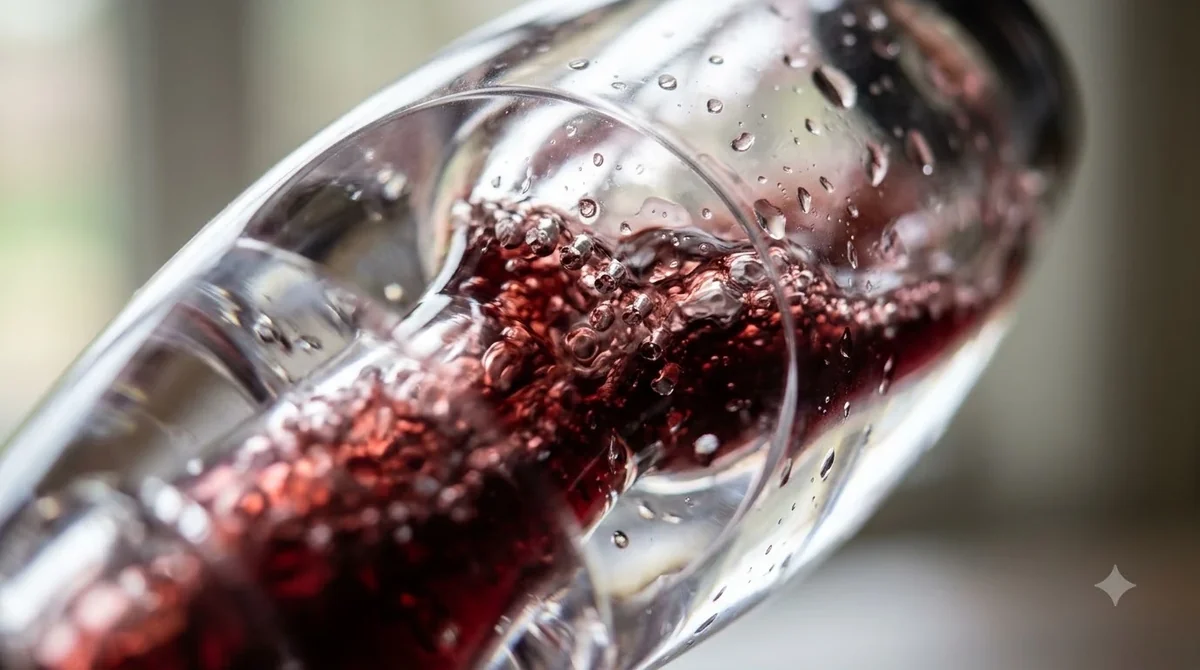
Tawny port is the style used in most of the recipes in this guide. Its nutty, dried-fruit character blends well with brandy and aromatic bitters without getting lost. Difford’s Guide lists Cockburn’s Tawny Eyes Tawny Port in its recipes, which shows how a single tawny can anchor a drink.
Ruby port tends to be fruitier and more youthful, so it suits drinks that need bright red fruit and a clear color. A port color guide can help you match the bottle to the drink you have in mind. White port is lighter and more floral, and it fits cocktails with citrus or a dry mixer.
Avoid very sweet or heavily aged bottles unless you plan to dilute them well. Their sugar and concentration can overwhelm the other ingredients. The table below summarizes how each style usually behaves in a mixed drink.
| Port style | Typical role in a drink | Good partners |
|---|---|---|
| Tawny | Nutty, dried-fruit depth | Cognac, aromatic bitters, orange |
| Ruby | Bright red fruit and color | Cherry liqueur, citrus juice |
| White | Lighter, floral body | Dry mixers, lemon or grapefruit |
Classic Port Cocktail Recipes
Three recipes from Difford’s Guide show how port behaves in different drinks. Each one changes the balance between port, spirit, bitters and dilution.
The Port Wine Cocktail is the most direct. Difford’s Guide lists 75 ml of Cockburn’s Tawny Eyes Tawny Port with 37.5 ml of cognac, two dashes of Angostura aromatic bitters and one dash of orange bitters. You stir everything with ice, fine strain it into a pre-chilled coupe, and express an orange zest twist over the top. The Difford’s Guide port wine cocktail recipe gives the full method.
The Port Sangaree is even simpler. The recipe calls for chilled tawny port and three barspoons of powdered sugar, stirred until the sugar dissolves. You strain it over crushed ice in an old-fashioned glass and dust it with grated nutmeg. Difford’s Guide notes that good dilution depends on good cubed ice, cold dry crushed ice and powdered sugar, since even a rich sugar syrup can add too much water.
A mulled port drink adds more ingredients. A community recipe on Difford’s Guide lists 60 ml of port wine, 30 ml of cognac, 20 ml of Heering cherry liqueur and 15 ml of fresh orange juice. The page says the recipe has not been verified by Difford’s, so treat it as a starting point and adjust to taste.
| Drink | Port | Other ingredients | Method |
|---|---|---|---|
| Port Wine Cocktail | 75 ml tawny port | 37.5 ml cognac, Angostura and orange bitters | Stir with ice, fine strain, orange twist |
| Port Sangaree | 75 ml chilled tawny port | Powdered sugar, grated nutmeg | Stir, strain over crushed ice |
| Mulled Port (community) | 60 ml port wine | 30 ml cognac, 20 ml cherry liqueur, 15 ml orange juice | Full method is for members only |
How Port Flavor Shapes a Cocktail
Port brings sweetness, body and fruit to a drink, so every other ingredient has to balance it. Treat port as the foundation and build upward from there.
Sweetness is the first thing to track. Port is sweeter than most dry wines, so a drink with a large port measure and a sweet liqueur can turn cloying. Bitters, citrus peel or a dry spirit cut through that sweetness. The Port Wine Cocktail uses orange bitters and an orange twist for exactly this reason.
Alcohol is the second factor. A drink built on port can be more potent than it tastes. Difford’s Guide gives the Port Wine Cocktail at 23.4 grams of pure alcohol per serving, which is a useful reference when you plan portions. Recipe site values are approximate, so check your own bottle and measures.
Acid and bitterness balance the whole drink. Citrus, bitters and proper dilution lift the fruit and keep the finish clean. When a port drink tastes flat, a small change to bitters or fresh citrus usually helps more than adding extra port.
Tips for Balancing Sweetness and Strength
Balance comes from adjusting sugar, dilution and mixers. Small changes in these areas make a clear difference in the finished drink.
Start by keeping the port measure close to the recipes you are following. Once you know how a drink tastes, adjust one variable at a time so you can see what changed. Work in these steps:
- Chill the port before mixing, so the drink needs less dilution from ice.
- Stir rather than shake, which keeps the texture silky and avoids watering the drink down too fast.
- Add sugar as powder or a light syrup, and taste before adding more.
- Choose unsweetened mixers when the port is already sweet.
Mixers matter as much as the port itself. A dry sparkling wine or plain soda lightens a port drink without adding sugar. Sweet sodas and juices can push the drink toward dessert territory, so use them sparingly.
Tip: Tawny port lists sulphites as an allergen on Difford’s Guide. Guests with sulfite sensitivity should check the bottle label first. Port drinks are strong, so pace yourself and plan for the alcohol content.
Serving Tools and Glassware for Port Drinks
The right glass and tools keep a port drink cold and balanced. Difford’s Guide pairs the Port Wine Cocktail with a coupe and the Port Sangaree with an old-fashioned glass.
A coupe suits the Port Wine Cocktail because it is served straight up, without ice in the glass. Chill the glass before pouring so the drink stays cold. Use a mixing glass or sturdy pitcher for stirring, a fine strainer to remove small ice chips, and a peeler for the orange twist.
An old-fashioned glass suits sangarees, where crushed ice keeps the drink cold. Crushed ice melts faster than cubes, so the drink dilutes more quickly. Dust with freshly grated nutmeg just before serving, using a fine grater for a light, even layer.
Store your port according to the label. Opened fortified wine can change over time, so keep unused portions cool and check the bottle’s storage advice. Shop staff can also suggest a style that suits the drinks you plan to make.
Frequently Asked Questions
What is the easiest port cocktail to make at home?
The Port Sangaree is the simplest option, made with chilled tawny port, powdered sugar and grated nutmeg over crushed ice. It needs no spirit and only a few steps. Stir until the sugar dissolves before you strain the drink.
Which port works best in a cocktail?
Tawny port is the most common choice in classic recipes. Ruby and white ports can also work, depending on the drink. Pick based on whether you want nutty depth, bright fruit or a lighter, floral style.
How strong is a port cocktail?
Strength depends on the recipe and the port you use. Difford’s Guide gives the Port Wine Cocktail at 20.56% alc./vol., which is stronger than many wine-based drinks. Check your bottle label and measures to estimate your own serving.
Do I need a shaker to make a port cocktail?
No. Many port drinks are stirred, so a mixing glass and a long spoon are enough. Strain the finished drink into a chilled glass with a fine strainer. Crushed ice drinks can be built directly in the serving glass.
Port cocktails reward a simple approach: pick a suitable style, measure carefully and balance sweetness with bitters or citrus. Before you mix, read more about sherry cocktail recipes for comparison, or browse the full Wine by Type section.
More in Wine Types & Grapes
 Zinfandel Sugar Content: Dry Red vs. White Zinfandel GramsUpdated Nov 21, 2026
 Best Zinfandel Substitute Options for Sipping and CookingUpdated Nov 21, 2026
 Zweigelt Food Pairing: Best Dishes, Cheeses, and Serving TipsUpdated Nov 21, 2026
 Zinfandel Tannins Explained: How Structure Shapes Every BottleUpdated Nov 21, 2026
 Zinfandel Sweetness Level: Dry Red vs. Sweet White Zin ExplainedUpdated Nov 21, 2026
 Xinomavro Food Pairing: Best Dishes, Styles, and Serving TipsUpdated Nov 21, 2026