

We may earn a commission when you buy through links on this page, at no extra cost to you. Learn more.
Marsanne wine is a white wine made mostly from the Marsanne grape, a variety most closely tied to the Northern Rhône in France. It is usually dry, full-bodied and rich, with notes of pear, nuts and spice. Winemakers also grow it in Australia, Switzerland and several American states.
This guide explains what marsanne wine tastes like, where the grape grows best, and how it compares with other white wines. It also covers food pairings and practical tips for buying and storing a bottle, so you can choose one with confidence.
What Is Marsanne Wine?
Marsanne wine comes from a white grape that is most common in the Northern Rhône region of France. Winemakers often blend it with Roussanne, another white Rhône variety, and the two grapes appear together in many classic French whites. According to the Wikipedia entry on the grape, Marsanne is also called grosse roussette in Savoie and ermitage blanc in Switzerland, so you may see those names on labels or in shop listings.
Most marsanne wine is made dry. Some producers in Switzerland make sweet versions, and a few in the Rhône have experimented with dessert-style wines. For everyday drinking, though, you will mostly find dry, medium-to-full-bodied whites. Knowing that the grape is often blended helps you read a label, because a bottle may list Marsanne alone or as part of a mix.
Marsanne Flavor Profile and Aromas
Marsanne wine is usually described as rich and nutty, with hints of spice and pear. The body can feel heavy compared with lighter whites, and the wines can be high in alcohol. Some are aged in oak, which adds roundness and a fuller texture on the palate.
As bottles age, the color deepens and the flavors become more concentrated. Older examples can develop an oily, honeyed texture along with aromas of nuts and quince. If you prefer fresh, bright whites, look for younger bottles with clear fruit. If you enjoy complex, mature whites, an older bottle may suit you better.
- Pear and white stone fruit, often ripe rather than tart
- Nutty notes, such as almond or hazelnut
- Gentle spice and a hint of warmth
- Honey and quince in more mature wines
Washington State producers have described varietal Marsanne with notes of ripe white peach and spiced pear, which shows how the grape can shift with climate and winemaking. The style you get depends a lot on where the grapes were grown.
Where Marsanne Is Grown
Marsanne is grown in several countries, though the Northern Rhône remains its home. Outside France, it has been planted in Switzerland, Spain, Australia, New Zealand, Canada and the United States. The grape was first planted in Victoria, Australia, in the 1860s, and some vines at the Tahbilk estate are said to date back to 1927.
The grape is not especially difficult, but it does have clear preferences. Vineyards that are too hot can produce flabby wines, while cool sites may not ripen the fruit fully and can give a neutral, bland flavor. Growers often pick the grapes a little before full ripeness to keep acidity high. Some Australian winemakers let the fruit hang longer to raise alcohol and aging potential.
Research on other wine varieties shows why place matters so much. A study of Marselan red wines from five Chinese regions reports that environmental conditions such as soil, sunlight and temperature shape a wine’s flavor. The same principle applies to marsanne wine, so the same grape can taste quite different from one vineyard to the next. You can read that study in the regional flavor research on Marselan wines.

Marsanne in the Rhône Valley
The Northern Rhône has a continental climate, with cold winters and warm summers. The mistral wind brings cooler air and keeps the region cooler than the south. Marsanne and Roussanne are the white grapes used for several well-known appellations in this part of the valley.
Hermitage, Crozes-Hermitage, Saint-Joseph and Saint-Péray all use Marsanne and Roussanne for their white wines. Hermitage is the appellation where Marsanne is most widely planted, and it is often blended with Roussanne. Saint-Péray is notable because it produces both still and sparkling wines from these grapes. Wines from these appellations are a good place to start if you want to taste the grape in its traditional home.
The Southern Rhône works differently. Marsanne is not one of the white grapes permitted in Châteauneuf-du-Pape, although Roussanne is. Other white grapes there, such as Clairette, can add similar characteristics. For a broader look at the region and its wine styles, the Rhône wine overview on Wikipedia explains how the northern and southern sub-regions differ.
Marsanne Blends and Australian Styles
Many marsanne wines are blends. In the Northern Rhône, the grape is often paired with Roussanne to balance body with aroma. In the United States, the Rhone Rangers movement in California helped introduce Marsanne to consumers, usually in blends with Roussanne and Viognier. Blending can soften the grape’s heaviness and add perfume.
Australia offers a different take. Victorian producers have a long history with the grape, and many Australian wines are made as single-variety Marsanne. These bottles tend to show a generous, rounded style. Some winemakers use oak to add texture, while others keep the wine fresher. If you see Australian Marsanne on a shelf, expect a fuller style than a light Italian white, and read the back label for oak and age details.
New Zealand’s East Coast also grows the grape. Producers there sometimes blend Marsanne with Viognier and age the wine in French oak barrels. The aim is richness and complexity without strong, obvious oak flavor.
Marsanne vs. Other White Wines
Marsanne sits between lighter aromatic whites and rich, oaked styles. It is less bright than Sauvignon blanc and less lean than many Italian whites. Compared with Chardonnay, many reviewers note a similar fullness but a nuttier, more spiced profile. The table below gives a practical starting point.
| White wine | Typical body | Common flavors | Best if you like |
|---|---|---|---|
| Marsanne | Medium to full | Pear, nuts, spice, honey with age | Rich, textured whites |
| Sauvignon blanc | Light to medium | Citrus, herbs, grass | Crisp, zesty whites |
| Chardonnay | Medium to full | Apple, citrus, vanilla from oak | Creamy, familiar whites |
| Colombard | Light to medium | Tropical fruit, citrus | Easy-drinking, fresh whites |
If you like Chardonnay but want something less oaky, marsanne can be a good step. If you prefer light, refreshing whites, you may find marsanne too heavy. For a lighter option with a fresh profile, you can read about the colombard grape and its easy-drinking character.
Food Pairings and Serving Tips
Marsanne’s body and nutty notes suit rich, savory dishes. Roast chicken, creamy pasta, grilled fish and dishes with butter or cream all work well. The wine’s spice can also complement mild curries and roasted vegetables. Because the flavors are concentrated, pair marsanne with foods that have enough weight to match it.
- Chill the wine lightly, not until very cold, so the aromas can open up.
- Pour a small amount first and wait a few minutes as the wine warms in the glass.
- Choose a medium-sized white wine glass to capture the pear and nut notes.
- Serve with dishes that have some richness, such as roasted poultry or fish in sauce.
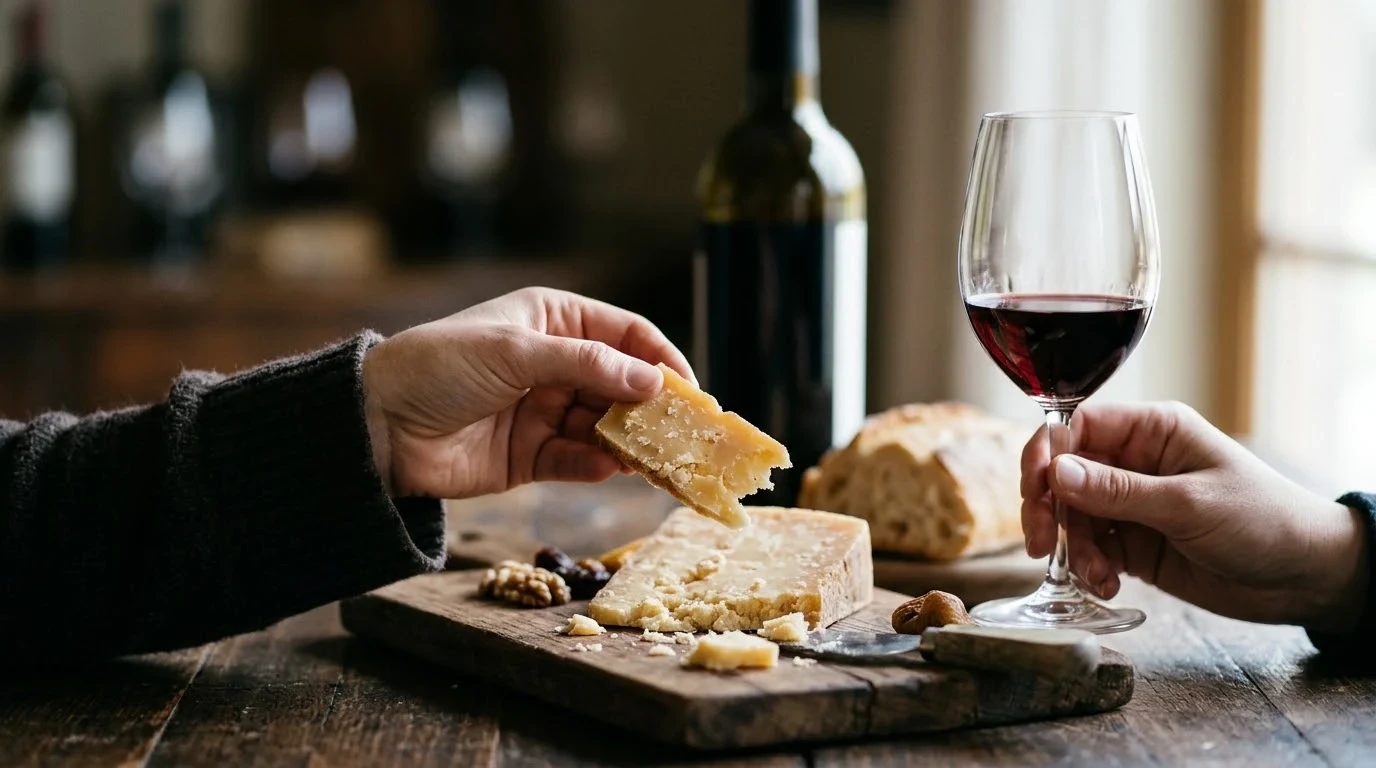
Older marsanne can work with aged cheeses and nut-based dishes. Younger, fresher examples suit lighter fish and herb-driven salads. Match the wine’s weight to the food’s weight, and you will usually get a balanced pairing.
Tip: If you are serving marsanne at a dinner, open the bottle a little ahead of time. This lets the wine warm slightly and show more of its aromas.
How to Buy and Store Marsanne
When you shop for marsanne wine, read the label for the region, vintage and whether the bottle is a single variety or a blend. Labels from the Northern Rhône often name the appellation, such as Hermitage or Saint-Joseph, rather than the grape. Australian and American bottles are more likely to list Marsanne clearly on the front.
Storage matters for white wine, especially for a rich style. Keep bottles in a cool, dark place away from heat and sunlight, and avoid storing them near appliances that give off warmth. Drink younger bottles within a few years for freshness, and check with the producer or retailer for guidance on aging a specific wine. Once opened, re-cork the bottle and refrigerate it, then drink it over the next few days.
Drink responsibly and pace yourself with any alcoholic beverage. For more background on grape types and styles, browse the Wine by Type section, which groups wines by their main characteristics.
Frequently Asked Questions
Is marsanne wine sweet or dry?
Most marsanne wine is dry. The grape is mainly made into dry whites in France and Australia. Some producers in Switzerland make sweet versions, and a few in the Rhône have experimented with dessert-style wines, so check the label if sweetness matters to you.
What does marsanne wine taste like?
Marsanne wine is usually rich and nutty, with pear and spice notes. Older bottles can show honey, quince and a more oily texture. Some Washington examples have been described with ripe white peach, which shows how climate changes the profile.
Where is marsanne grown?
The grape is most common in the Northern Rhône in France. It is also grown in Switzerland, Spain, Australia, New Zealand, Canada and the United States. Australia has a long history with the grape, with plantings in Victoria dating to the 1860s.
Is marsanne similar to Chardonnay?
Both can be full-bodied and textured, so they sometimes appeal to the same drinkers. Marsanne usually leans toward nuts, pear and spice rather than butter and vanilla from oak. Tasting a few examples side by side is the best way to see the difference.
Marsanne wine rewards curious drinkers who enjoy rich, textured whites. Start with a Northern Rhône bottle or an Australian single-variety wine to learn the style. You can then compare it with other whites, such as the catarratto grape, to see how different grapes shape a white wine’s character.
More in Wine Types & Grapes
 Zinfandel Sugar Content: Dry Red vs. White Zinfandel GramsUpdated Nov 21, 2026
 Best Zinfandel Substitute Options for Sipping and CookingUpdated Nov 21, 2026
 Zweigelt Food Pairing: Best Dishes, Cheeses, and Serving TipsUpdated Nov 21, 2026
 Zinfandel Tannins Explained: How Structure Shapes Every BottleUpdated Nov 21, 2026
 Zinfandel Sweetness Level: Dry Red vs. Sweet White Zin ExplainedUpdated Nov 21, 2026
 Xinomavro Food Pairing: Best Dishes, Styles, and Serving TipsUpdated Nov 21, 2026