

We may earn a commission when you buy through links on this page, at no extra cost to you. Learn more.
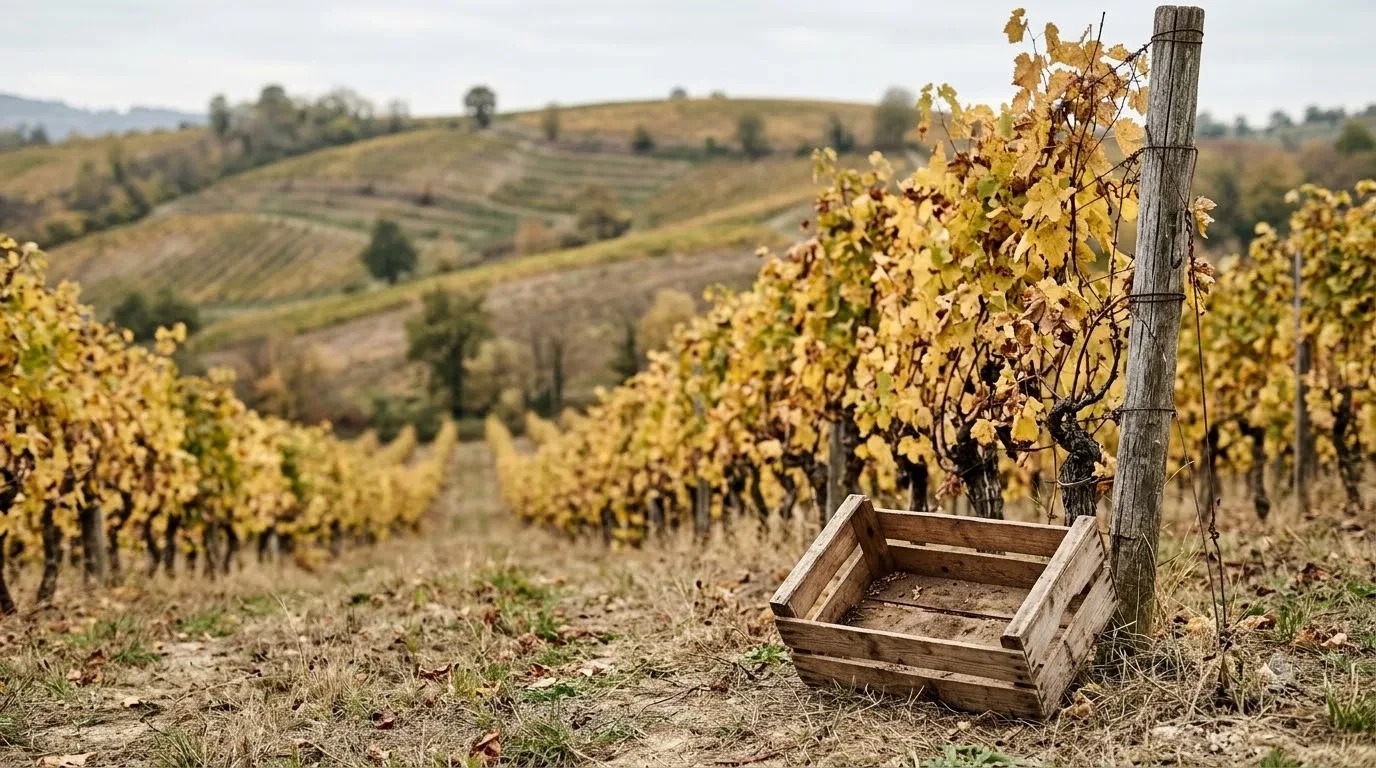
When is wine season? Most grape harvesting in the Northern Hemisphere happens from late August to early October, while Southern Hemisphere harvests usually run from February through April. Wine itself is sold and enjoyed all year, but the harvest is the busiest and most important part of the winemaking calendar, and its timing shapes each vintage.
Many people think of wine season as a time for buying or drinking a certain style, such as light whites in summer or big reds in winter. The real season that matters to producers is the grape harvest, sometimes called the vintage. This guide explains when harvest happens in each hemisphere, what decides the exact start date, and how the harvest connects to the wines you see on store shelves.
What wine season means to winemakers
Winemakers use the word season to describe the period when grapes are picked, crushed, and begun into fermentation. This work is intense, because a few weeks of picking can determine the character of a whole vintage. Crews often work long days, and the timing of each pick is watched closely by growers and cellar teams.
For consumers, the harvest season is a helpful way to understand a wine’s origin. A bottle labeled with a vintage year tells you when the grapes were picked, and that year can affect the taste. A warm year may give riper fruit, while a cooler year may give brighter acidity. The harvest is the start of that story, which is why it is worth knowing when it happens.
Northern Hemisphere harvest timing
In the Northern Hemisphere, most harvesting happens from late August to early October. This window covers much of Europe and North America, where vineyards sit in the middle latitudes. The exact weeks depend on the variety, the site, and the weather that year. Earlier-ripening grapes such as some white varieties can be picked first, while later reds may hang on the vine into autumn.
Some grapes are picked much later. The Wikipedia article on grape harvest notes that some late-harvest grapes are picked through the autumn, and that in places like Germany, Austria, the United States, and Canada, ice wine grapes can be picked as late as January. Ice wine depends on frozen grapes, so the cold weather itself sets the pick date. Cyprus, a warmer site, can start as early as July.
| Hemisphere | Typical harvest window | Notable exceptions |
|---|---|---|
| Northern Hemisphere | Late August to early October | Ice wine grapes can be picked as late as January |
| Southern Hemisphere | February through April | Warm sites in New South Wales may start in January; cool-climate Central Otago picks late-harvest grapes in June |
Southern Hemisphere harvest timing
In the Southern Hemisphere, most harvesting takes place from February through April. The seasons are reversed, so the vintage arrives at the same time that Northern Hemisphere vineyards are going dormant. Wine producers in Chile, Argentina, South Africa, and Australia therefore run their harvests in the early autumn of their own calendar.
The range is wide. Warm sites in New South Wales, Australia, may begin as early as January 1, while cool-climate Central Otago in New Zealand picks late-harvest grapes as late as June. This variation shows that the calendar is only a guide. The climate of each vineyard decides when the grapes are ready.

What decides the exact harvest date
The main factor is ripeness. Picking dates are set mainly by the grape’s ripeness, which is measured by sugar, acid, and tannin levels. Sugar rises as the grapes ripen, while acidity falls. Winemakers choose a picking time based on the style they want, so a sparkling base wine may be picked earlier to keep acidity high, while a bold red may wait for fuller tannins.
Weather is the second major factor. Heat, rain, hail, and frost can damage grapes and encourage vine diseases. Those problems may force growers to pick earlier than planned, sometimes in a rush. A rainy harvest can also dilute juice and invite mold, which is why growers watch the forecast closely during the final weeks before picking.
Climate also plays a role. Regions closer to the equator are generally warmer, and they tend to harvest earlier. The Wikipedia article notes that recent climate change, especially global warming, has shifted harvest dates in some countries, with many vineyards picking earlier than they did in previous decades.
Wine season and the bottles on your shelf
The harvest does not dictate when you can buy wine. Bottles are released throughout the year, and wines from a given vintage may appear on shelves months or years later. Whites and rosés often reach the market earlier, while reds that need aging may stay in the cellar longer. The vintage year on the label tells you the harvest year, not the date the bottle arrived in a store.
Growers also talk about the period just before harvest, when the vines are checked daily. Samples of berries are tested for sugar and acidity, and the results decide whether a vineyard block is ready. Some blocks are picked in several passes, with the earliest ripening grapes taken first and the rest left to hang for another week or two. This sorting work is why a single vineyard can produce several different wines in one season.
Seasonal releases still exist. Many regions hold autumn festivals around the new wine, and some producers time special bottlings to the start of their harvest. These events are a good way to taste a fresh vintage, but the rest of the year is equally good for enjoying wine, especially when the bottle matches the food and the season.
Tip: If you want to taste a fresh vintage, look for wines labeled with the most recent year and bought from a shop that stores them well. Young, fruity wines are usually best within a year or two of release.
How the harvest connects to sweetness and style
Harvest timing also shapes sweetness. Grapes picked later have more sugar, and that sugar can become alcohol or remain as residual sweetness if fermentation stops early. This is why some dessert wines come from late harvests, and why a dry wine is usually made from grapes picked at a moment that balances sugar and acidity. The guide on which wine has less sugar explains how sweetness varies between styles.
For a broader introduction to wine terms and how vintages work, the Wine Q&A hub collects practical answers that help you read a label and choose a bottle with confidence.
Frequently Asked Questions
When is the wine harvest in the Northern Hemisphere?
Most Northern Hemisphere harvesting happens from late August to early October. Some late-harvest grapes are picked through the autumn, and ice wine grapes can be picked as late as January in some countries.
When is the wine harvest in the Southern Hemisphere?
Most Southern Hemisphere harvesting takes place from February through April. Warm sites may start in January, and cool-climate vineyards can pick late-harvest grapes as late as June.
Does the harvest season decide when I can buy wine?
No. Harvest sets when the grapes are picked, but bottles reach shops throughout the year. Whites and rosés often arrive first, while reds that need aging can stay in the cellar longer.
What does the vintage year on a label mean?
The vintage year is the year the grapes were harvested. It tells you the growing conditions for that season, which can affect the wine’s fruit, acidity, and structure.
Wine season is best understood as the harvest calendar. The Northern Hemisphere picks mainly from late summer into early autumn, the Southern Hemisphere picks in early autumn of its own calendar, and each vineyard adjusts to ripeness and weather. Knowing that rhythm helps you read a vintage label, plan a tasting, and enjoy wine when it is at its freshest.
More in Wine Basics
 Which Rose Is Best for Your Taste, Budget, and Food PairingsUpdated Nov 21, 2026
 Is Cheap Wine Bad? How to Find Bottles Worth DrinkingUpdated Nov 21, 2026
 What To Write On A Wine Gift Tag: Thoughtful Messages For Every OccasionUpdated Nov 21, 2026
 Which Wine Is Best For Weight Loss? Compare Lower-Calorie ChoicesUpdated Nov 21, 2026
 What Is The Best Wine For Mimosas? Choose Bubbly That Balances Orange JuiceUpdated Nov 20, 2026
 Which Prosecco Is Best for Your Taste and OccasionUpdated Nov 20, 2026