

We may earn a commission when you buy through links on this page, at no extra cost to you. Learn more.
Rombauer white wine is a Napa Valley white, and the name is best known for its rich, oak-influenced Chardonnay. Napa Chardonnays typically show ripe stone fruit, tropical notes, and a creamy texture from barrel aging. Serve them around 50 to 55°F, and pair them with roast chicken, creamy pasta, or seafood with butter.
This guide explains what to expect from a Rombauer white, how Napa Valley Chardonnay differs from cooler-climate styles, how to serve the wine at its best, and which foods suit each style. It also shows how to read a label so you can choose the right bottle for your meal.
What defines a Napa Valley white
Napa Valley is a warm growing region, and that climate gives white wines a fuller, riper character than those from cooler parts of California or France. The grapes ripen with more sugar and more intense fruit, which translates into wines with generous texture and a long finish.
Rombauer is most closely associated with Chardonnay in the mainstream market, so most shoppers searching for a Rombauer white are looking at that style. The good news is that Chardonnay is one of the most versatile white wines on the shelf, and understanding its basic styles makes it easier to choose the right bottle.
Chardonnay styles and where they come from
Chardonnay originated in Burgundy, France, and it is now grown in nearly every wine-producing country. According to the Wine Folly Chardonnay profile, the grape shows different character depending on where it is grown. Cooler areas yield crisp apple and citrus, while warmer areas produce peach, apricot, and toasted almond.
California offers a useful contrast. Sonoma Coast wines are leaner, with bright citrus, apple, and pear, while Napa Valley wines are richer, with stone fruit and tropical notes. Santa Barbara County favors lemon, apple, and pineapple. A Napa-style Chardonnay therefore tends to feel fuller and rounder than a coastal bottle from the same state.
| Style | Typical aromas and flavors | Body and texture | Serving range |
|---|---|---|---|
| Lean, unoaked (like Chablis) | Green apple, pear, citrus, chalky minerality | Light, crisp, high acidity | About 45°F |
| Oaked, Napa style | Butter, vanilla, stone fruit, baking spice | Fuller, creamy, moderate acidity | About 55°F |
| Sparkling Chardonnay | Apple, citrus, toasty bread notes | Light and lively | 38 to 45°F |
The table above is a useful guide when you compare bottles. A fuller Napa style is an easy choice for a rich dinner, while a leaner style works better with lighter dishes and warm weather.
How barrel aging shapes a Napa white
Oak is a major part of the Napa Chardonnay story. Barrel aging adds butter, vanilla, and baking spice, and malolactic fermentation, a secondary process that converts sharper malic acid into softer lactic acid, adds a creamy, buttery note. The result is a wine with a smoother mouthfeel than an unoaked white.
The type of oak matters as well. American oak tends to be bold and coconutty, French oak is subtler and spicier, and some producers use Hungarian oak to balance the two. A well-made Napa white uses oak to add texture without overwhelming the fruit, so the stone fruit and tropical notes remain clear on the finish.
How to serve a Napa-style Chardonnay
Oaked Chardonnay is best served around 55°F, slightly warmer than a lean white. At that temperature the fruit, butter, and spice are easy to taste, and the wine does not feel tight. A glass that is too cold can mute the oak and make the wine taste thin.
A wider bowl glass suits an oaked Chardonnay because it lets the aromas open, while a universal white glass works well for leaner styles. Swirling the wine gently for a few seconds before tasting releases the butter, vanilla, and stone fruit that define the Napa profile, so give the glass a moment before the first sip. Most Chardonnays do not need decanting unless they are quite old. If the bottle has been stored in a warm room, a short time in the refrigerator will bring it into the right range before you pour.
Tip: Take the bottle out of the refrigerator about 10 to 15 minutes before pouring an oaked Chardonnay. The wine will open up in the glass as it warms.
Food pairings for Rombauer-style white wine
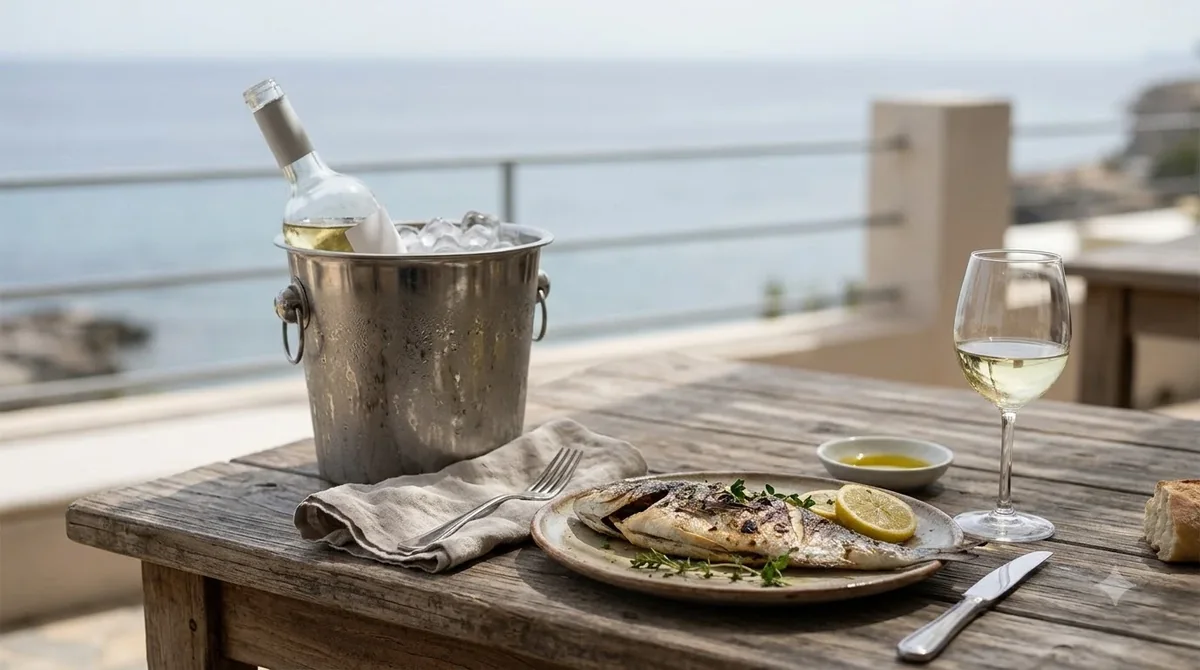
Oaked Chardonnay suits dishes with a bit of richness of their own, and the pairing works best when the sauce and the wine share a similar weight on the palate. Crab cakes, linguini with clams, halibut, and pork tenderloin with apples all work well, because the wine’s texture meets the richness of the food without overpowering it. Roast chicken with lemon and herbs is another dependable match.
Leaner styles and sparkling wines pair with lighter dishes. Oysters, sushi, sautéed fish, and vegetable risotto are good choices, and moules frites make a nice casual meal. For vegetarian menus, rich or starchy vegetables such as corn, squash, and mushrooms match the wine’s creamy side.
How to choose a bottle
Start with the style you want. If you enjoy a rich, creamy white with stone fruit and vanilla, choose a Napa-style oaked Chardonnay. If you prefer something crisp and bright, look for a cooler-climate or lightly oaked bottle instead. Reading the back label for words like oak and region gives a good hint about the style.
Consider the meal, too. A creamy pasta or roast chicken calls for a fuller white, while a salad, seafood platter, or light appetizer suits a crisp one. If you are also comparing other whites, the Aveleda wine guide offers a different, lighter style to consider alongside Chardonnay.
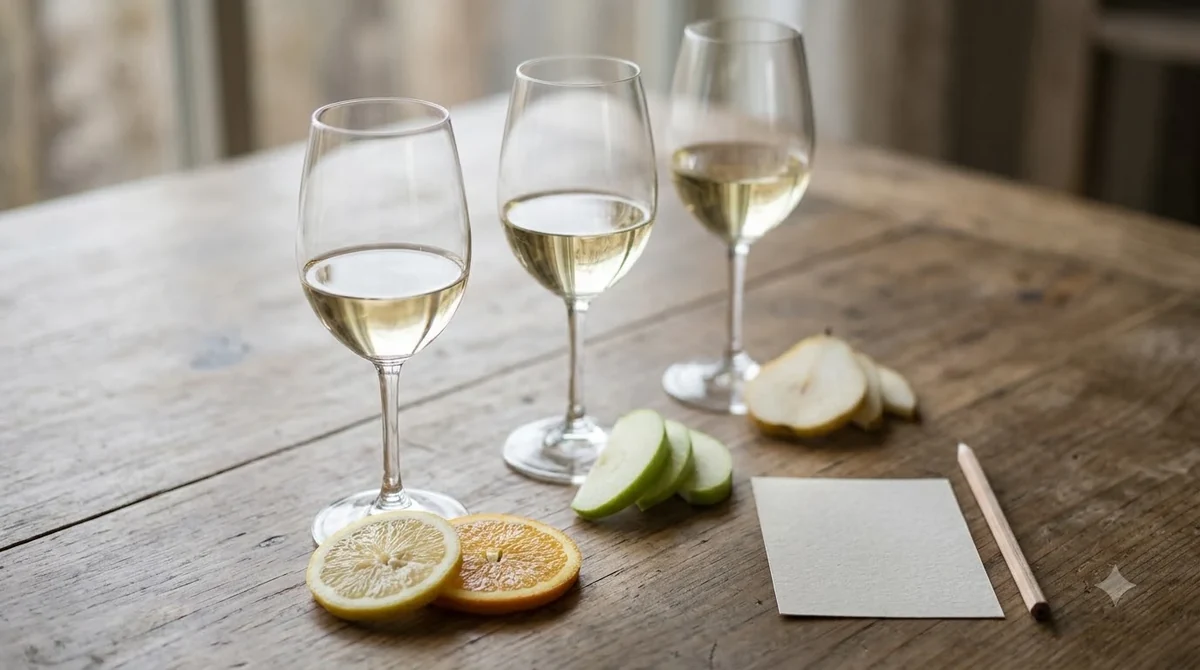
Take time to compare two bottles side by side. Tasting a lean and an oaked Chardonnay at the same meal makes the difference between the styles clear, and it helps you decide which one fits your table best.
Vintage matters as well. A younger oaked Chardonnay usually shows brighter fruit and fresher oak, while an older bottle may show more honeyed and nutty notes as the wine develops. Storage is also important: keep the bottle away from heat and light, and stand it on its side only if it has a cork that needs to stay moist.
Frequently Asked Questions
What kind of wine is Rombauer white wine?
Rombauer is a Napa Valley producer best known for Chardonnay. Napa-style Chardonnay usually shows ripe stone fruit, tropical notes, and a creamy texture from oak aging.
Is Rombauer Chardonnay oaked?
Napa-style Chardonnays are commonly oak-influenced, with butter, vanilla, and baking spice. Check the label or the producer’s tasting notes for the oak treatment of a specific bottle.
What temperature should Rombauer white wine be?
An oaked Chardonnay is best around 55°F, a little warmer than a lean white. Lean or sparkling styles are better slightly cooler, closer to 45°F.
What food goes best with an oaked Chardonnay?
Roast chicken, crab cakes, linguini with clams, and pork tenderloin with apples are reliable choices. The wine’s creamy texture suits dishes with some richness of their own, and a sauce built on butter or cream tends to work better than a sharp vinaigrette.
A Rombauer white offers the rich, oak-driven side of Napa Chardonnay, with stone fruit and a silky finish that suits slow dinners with friends. Serve it slightly warmer than a lean white, pair it with richer dishes, and compare it with a crisper style when you want contrast. For a wider look at how producers position their labels, the wine brands guide is a good next read, and it is worth returning to it whenever you want to compare how different houses approach Chardonnay.
More in Wine Brands
 Underwood Wine Price: Compare Bottles, Cans, and Pack SizesUpdated Nov 21, 2026
 Zenato Wine Price: Compare Styles and Choose the Right BottleUpdated Nov 21, 2026
 Zuccardi Wine Price: Compare Bottles and Find the Right RangeUpdated Nov 21, 2026
 Yellow Tail Moscato Review: Taste, Sweetness and Serving TipsUpdated Nov 21, 2026
 Wolf Blass Yellow Label Review: Choose Your Best StyleUpdated Nov 21, 2026
 Wolffer Estate Rose Review: Choose the Right Bottle for Your TableUpdated Nov 21, 2026