

We may earn a commission when you buy through links on this page, at no extra cost to you. Learn more.
How long to decant red wine depends on how bold the bottle is, but the usual range runs from about five minutes to two hours. Young, tannic reds such as Syrah, Barolo, Brunello di Montalcino, and Chianti benefit most from a longer rest in the decanter, while lighter reds often need very little time. The timing is a guide, not a fixed rule, so tasting the wine as it opens is the best way to judge.
Decanting is simple, but the question of timing trips up many people. A few minutes can make a difference for one bottle and be wasted on another. This guide explains what decanting does to red wine, how to match the time to the style of the bottle, and how to speed things up when you are short on time.
What decanting does to red wine
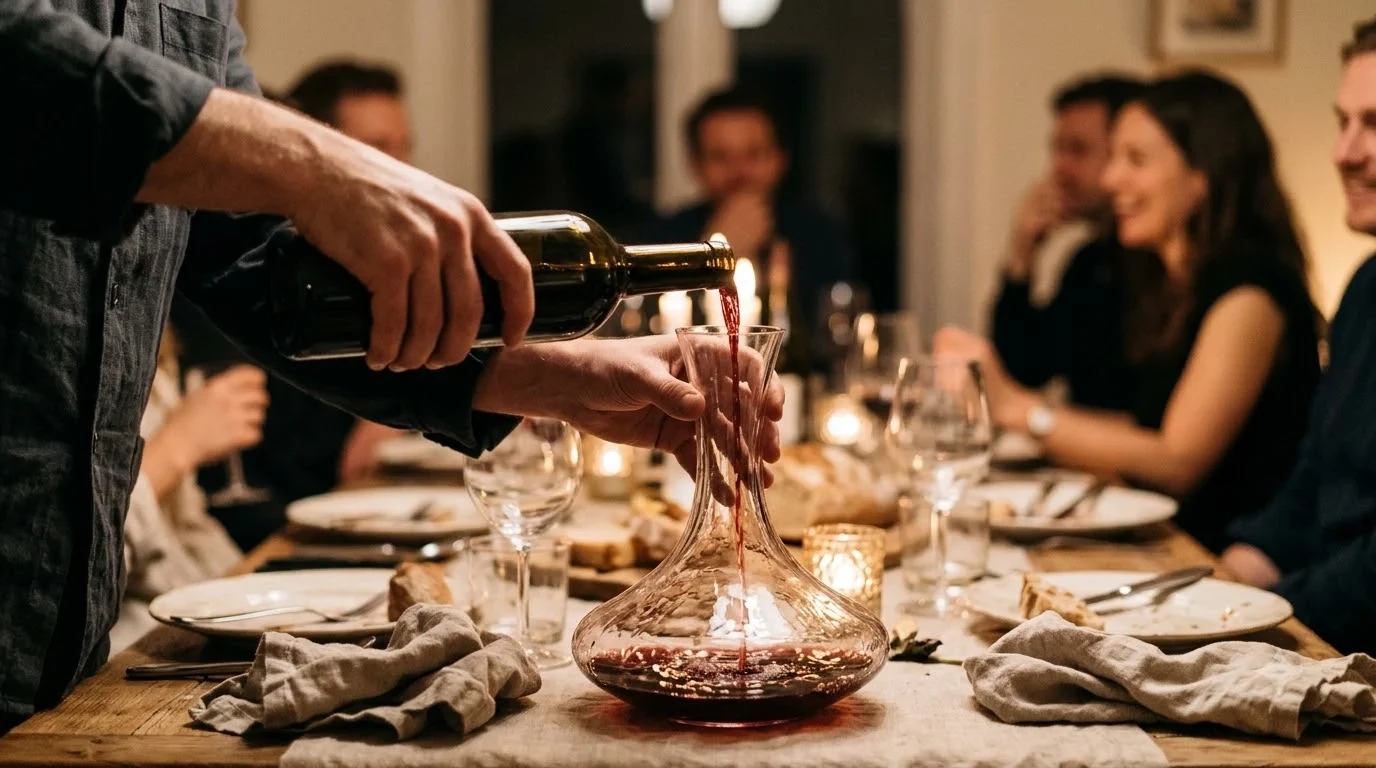
Decanting does two jobs that often get mixed together. The first is aeration. When wine is poured into a decanter, it meets oxygen, and that contact can soften a closed or harsh bottle. Wine Folly’s decanting guide describes the pour itself as doing most of the work immediately, and it recommends swirling the wine in the decanter to increase the air-to-wine ratio.
The second job is more about the flavor of certain cheaper wines. According to the same guide, decanting can help dissipate the sulfur or “rotten egg” smell that some inexpensive bottles carry when they are first opened. The effect is not dramatic, but it can make a simple red taste cleaner and easier to enjoy with a meal.
How long to decant by style
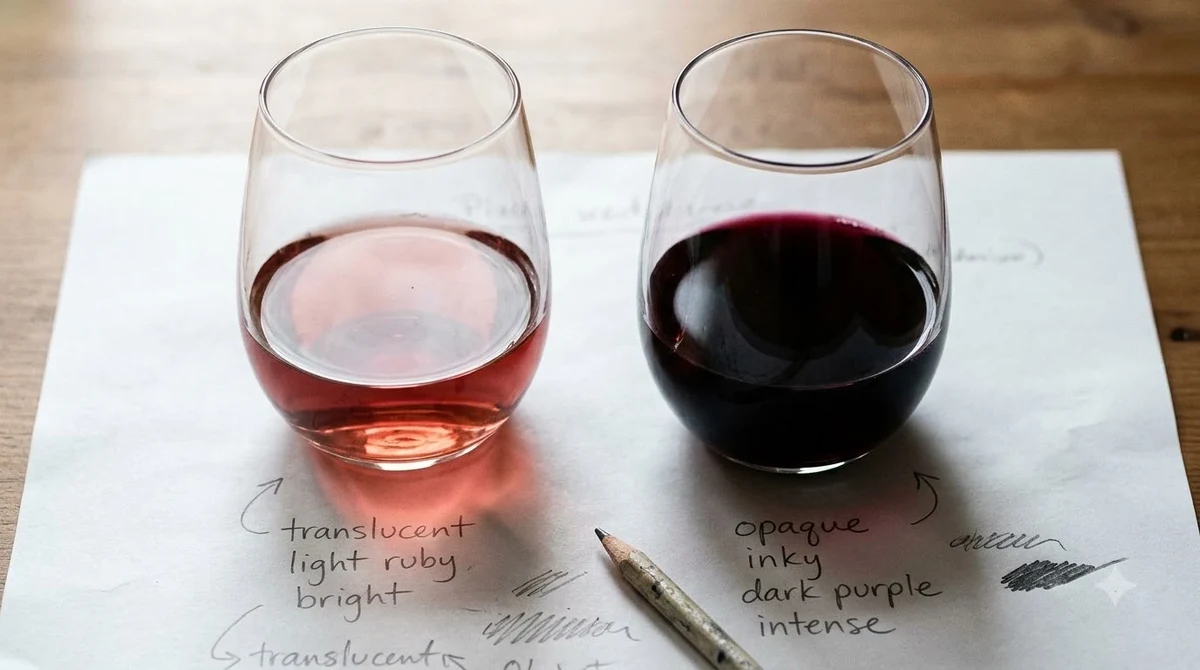
Wine Folly gives a general range of about five minutes to two hours for decanting red wine. Where the time falls in that range depends on how structured the wine is. Bold reds with firm tannins usually respond best to a longer rest, which lets the wine open up and the harsher edges soften. Lighter reds need much less time, and too much air can make a delicate bottle taper off quickly.
The guide singles out Syrah as a wine that benefits from a long decant, and it recommends up to two hours for that style. Barolo, Brunello di Montalcino, and Chianti are named as bottles that also gain from extra time in the decanter. Pinot noir is treated differently. It usually does not need decanting, and the guide suggests it only for a very acidic bottle that tastes tart, without giving a specific time.
| Red wine style | Typical decant time | Why it helps |
|---|---|---|
| Young, full-bodied reds (Syrah) | Up to about two hours | Tannins soften and aromas open |
| Structured Italian reds (Barolo, Brunello, Chianti) | A longer rest than a light red, tasted as it opens | Firm structure becomes more approachable |
| Everyday reds with a sulfur smell | Short decant, often a few minutes | The off smell can blow off |
| Light, delicate reds (Pinot noir) | Usually none, unless very acidic | Too much air can dull the fruit |
Tip: Taste a small sample straight from the bottle first. Then pour a glass from the decanter every 20 to 30 minutes and note how the wine changes. Stop when it tastes balanced to you.
Ways to speed up the process
If you do not have two hours, a few techniques can shorten the time. Swirling the wine in the decanter brings more of it into contact with air. The guide also mentions pouring between two decanters, or pouring from the bottle through a funnel, which exposes the wine to more air in less time. Each pour adds air quickly, so a short, vigorous transfer can do the work of a longer rest.
A handheld aerator is another option. Wine Folly suggests a Vinturi-style aerator as a fast alternative when a decanter is not available. It pushes air into the wine as it pours into the glass, which is convenient for a single glass at the table. It will not give the same results as a long decant for a very young, tight bottle, but it helps with everyday reds. Whichever tool you use, the principle is the same: more air, more contact, and a gradual change in the wine. Pouring slowly into a wide-bodied decanter also gives the surface more room, which can make a difference when the bottle is large and the wine needs time.
Older bottles need a different approach
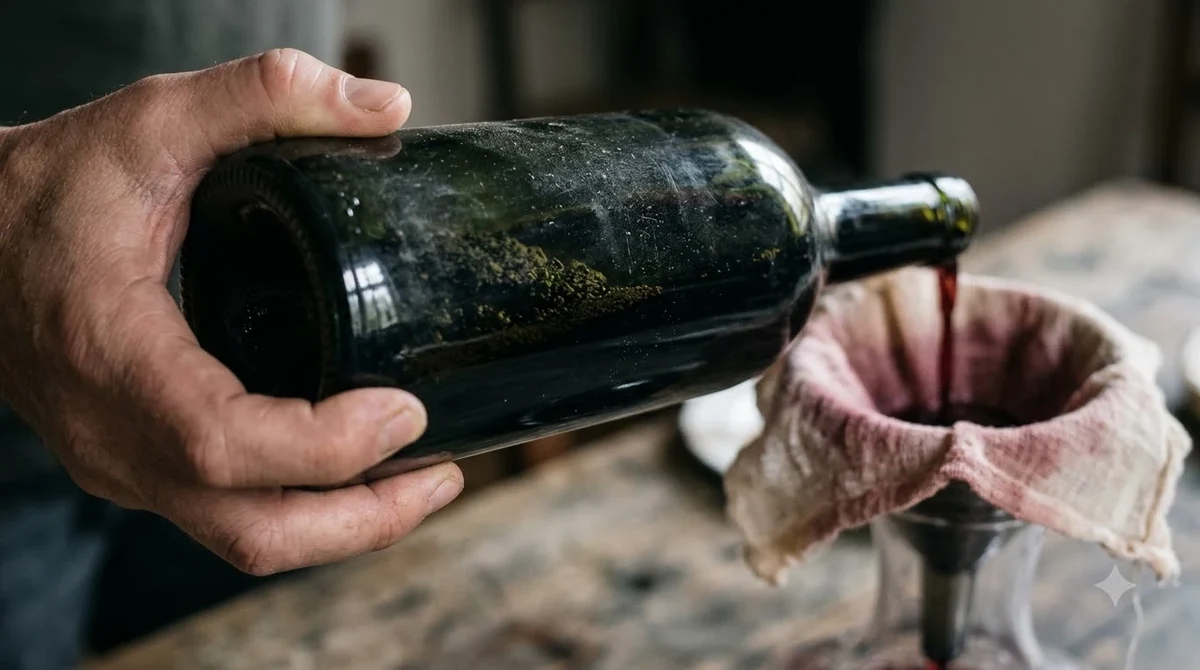
Aged red wine is a separate case. A bottle that has been stored for many years may have lost much of its tannin, and too much air can fade the aromas that have developed over time. For these bottles, most people decant more gently and taste early. Older wines can also throw sediment, the harmless solids that settle in the bottle, so pour slowly and stop when the cloudy part reaches the neck. Standing the bottle upright for a day before opening helps the sediment fall to the bottom. Many people also choose to decant an old bottle in good light, with a candle or a small flashlight held under the neck, so the moment the sediment starts to move is easy to see. Once the wine reaches the neck, stop pouring and keep the remaining bottom of the wine in the bottle.
If you want to understand what happens to a red wine after it leaves the bottle, the page on how long to let red wine breathe covers the difference between letting a glass sit and decanting a full bottle. The two are related, but they do not always need the same amount of time.
How to decant red wine step by step
- Stand the bottle upright for a day if it is old, so any sediment settles to the bottom.
- Open the bottle and check the cork. Wipe the neck before you pour.
- Pour slowly and steadily into a clean decanter, keeping a light behind the neck to watch for sediment.
- Swirl the decanter gently to add air, then let the wine rest for the time that matches its style.
- Taste every 20 to 30 minutes, and serve once the wine tastes balanced.
Decanting is a helpful habit, and it becomes easier with practice. Most people find that their first few decants teach them more about a bottle than any written guide, because the change from the first glass to the last is easy to notice once you are paying attention. Keep a short note of what you poured and how long it rested, and the next bottle of the same style will be easier to time. For more general background on how red wine is made and served, the wine basics section is a good place to start.
Frequently Asked Questions
Can you decant red wine for too long?
Yes. Light and delicate reds can lose their fruit and character if they sit in a decanter for too long. Taste the wine at intervals and serve it once it reaches the point you enjoy.
Does every red wine need to be decanted?
No. Many reds are fine when served straight from the bottle. Bold, young, or tannic reds tend to benefit most, and very light reds often do not need it at all.
Is a decanter better than an aerator?
A decanter gives more time and more control, especially for big reds. An aerator is faster and convenient for a single glass, but it adds less air over a shorter period.
How do I know when the wine is ready?
Taste it. Look for a smoother texture, clearer aromas, and fewer harsh edges. The right moment is the one where the wine tastes balanced to you, and it can change from bottle to bottle.
Start with a short decant for a young red and taste as it opens. Give bold bottles more time, and keep lighter reds to a brief pour. A few minutes of tasting will tell you more than any fixed number on a chart.
More in Wine Basics
 Which Rose Is Best for Your Taste, Budget, and Food PairingsUpdated Nov 21, 2026
 Is Cheap Wine Bad? How to Find Bottles Worth DrinkingUpdated Nov 21, 2026
 What To Write On A Wine Gift Tag: Thoughtful Messages For Every OccasionUpdated Nov 21, 2026
 Which Wine Is Best For Weight Loss? Compare Lower-Calorie ChoicesUpdated Nov 21, 2026
 What Is The Best Wine For Mimosas? Choose Bubbly That Balances Orange JuiceUpdated Nov 20, 2026
 Which Prosecco Is Best for Your Taste and OccasionUpdated Nov 20, 2026