

We may earn a commission when you buy through links on this page, at no extra cost to you. Learn more.
A vermouth spritz recipe is a light, low-alcohol drink built from vermouth, sparkling water or prosecco, and plenty of ice, finished with a citrus twist. The method is simple: a measure of vermouth goes into a large wine glass, bubbles are added, and a garnish brightens the aroma. Because vermouth is a fortified and aromatized wine rather than a spirit, the drink stays much gentler than most cocktails, which makes it a popular choice for an afternoon aperitivo.
This guide explains what makes a vermouth spritz work, how to build one at home, how to choose between sweet and dry vermouth, and which foods and variations pair well with it.
What Vermouth Brings to a Spritz
A vermouth spritz depends on the bottle you choose. According to the encyclopedia entry on vermouth, it is an Italian aromatized, fortified wine flavored with botanicals such as roots, barks, flowers, herbs, and citrus peel. Manufacturers begin with a neutral grape wine, add a neutral grape spirit, and then infuse a blend of dry botanicals. The result is a wine with more body and aroma than a plain white or rosé.
Most vermouths are bottled at around 16 to 18 percent alcohol by volume, which is higher than the 9 to 14 percent typical of unfortified wine. That extra strength is still far below spirits, so a spritz built on vermouth tastes mellow and balanced rather than sharp.
Ingredients for a Vermouth Spritz
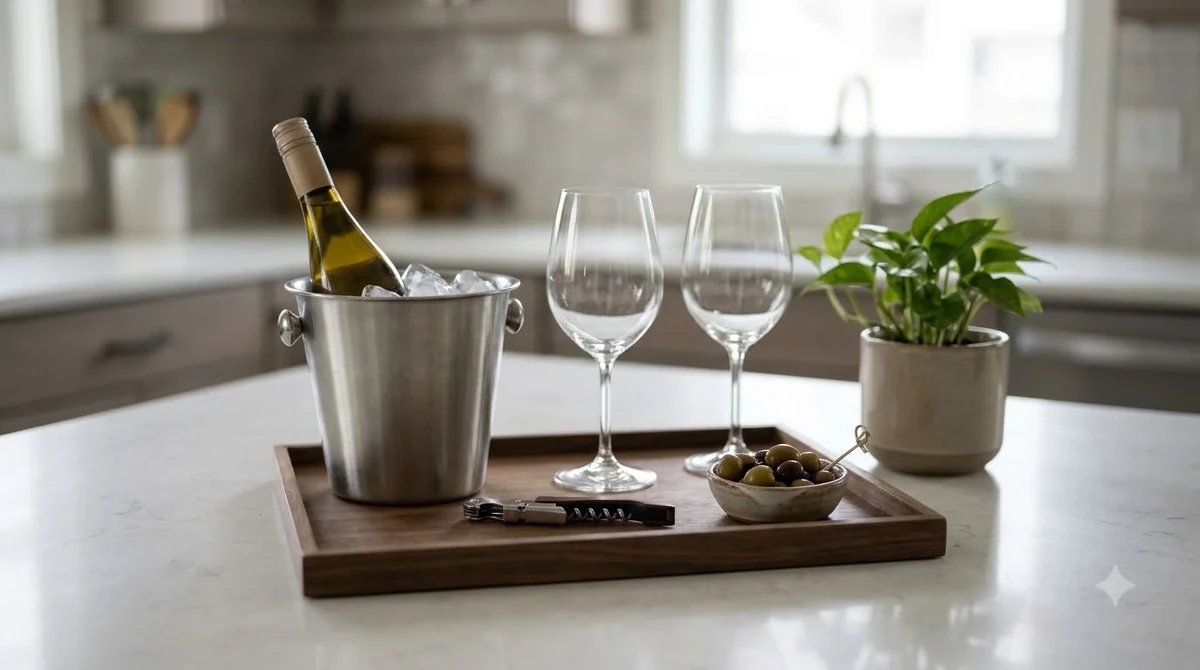
The drink needs only three components: vermouth, a sparkling element, and a garnish. Small changes in the ratio shift the drink from bitter and dry to sweet and fruity, so it is worth tasting as you go.
| Component | Role in the drink | Practical choice |
|---|---|---|
| Vermouth | Provides the main flavor, sweetness, and bitterness | A sweet red vermouth for a richer drink, or a dry vermouth for a crisp one |
| Sparkling element | Adds lift and dilutes the vermouth slightly | Soda water, club soda, or a dry prosecco or Italian sparkling wine |
| Ice | Keeps the drink cold and slowly softens the flavor | Large cubes that melt slowly |
| Garnish | Adds aroma that you notice before the first sip | An orange slice, lemon twist, or a few olives for a dry style |
Most home versions use the vermouth as the largest share of the glass and top it with sparkling liquid. Start with a modest pour of vermouth, taste, and adjust before adding more.
How to Make a Vermouth Spritz Step by Step
The method takes less than two minutes, and it works best when every component is cold before you start.
- Chill the vermouth and the sparkling liquid in the refrigerator for at least an hour.
- Fill a large wine glass with ice, all the way to the rim if the cubes are big.
- Pour the vermouth over the ice so it settles through the cubes and begins to chill.
- Top the glass slowly with soda water or prosecco, pouring down the side to keep the bubbles lively.
- Give the drink one gentle stir, then add the garnish and serve right away.
Pouring the sparkling element last protects the carbonation. A stir with a long spoon is enough, because vigorous mixing knocks out the fizz.
Choosing Between Sweet and Dry Vermouth
The style of vermouth changes the character of the spritz more than any other decision. “Italian” vermouth usually means a red, mildly bitter, slightly sweet style, often called rosso. Sweet vermouths tend to carry noticeable sugar, which gives the spritz a rounder, fruitier finish. “French” vermouth generally refers to a pale, dry style with much less sugar, which produces a crisper and more savory drink.
A pale sweeter style, often labeled bianco or blanc, sits between the two. It has a lighter color and a floral profile, so it suits a spritz served in a pale glass with a lemon garnish. Whichever bottle you choose, keep it refrigerated after opening, because fortified wines oxidize more slowly than table wine but still fade over time. Many producers suggest finishing an open bottle within one to three months.
Variations on the Classic Vermouth Spritz
Once you understand the basic balance, small swaps make a big difference. Adding a splash of fruit juice, swapping the garnish, or using a different sparkling base all change the result while keeping the same structure.
A grapefruit twist with dry vermouth gives a sharp, bitter edge that works well before dinner. A sweet red vermouth with an orange wheel tastes softer and more dessert-like. Some drinkers replace part of the sparkling water with tonic for a slightly bitter finish. For a stronger drink, swap a little of the vermouth for a clear spirit, though that moves the drink closer to a standard cocktail.
Readers who enjoy other wine-based drinks may also like the rose spritz recipe, which uses a similar structure with pink wine instead of vermouth.
Food and Serving Tips
A vermouth spritz pairs well with salty and fried foods because its bubbles and mild bitterness cut through richness. Olives, marcona almonds, cured meats, and small plates of cheese are classic partners. Sweet red vermouth tends to match charcuterie and roasted vegetables, while dry vermouth suits seafood, fresh salads, and light appetizers.
Serve the drink in a wide wine glass with plenty of ice, and avoid letting it sit for too long in the sun. The ice will melt and dilute the vermouth, which is part of the pleasure of a spritz but can turn flat if left for an hour. If you are serving a group, mix the vermouth and garnish in a pitcher ahead of time, then add the sparkling element to each glass as guests arrive.
Tip: Taste the vermouth on its own before you build the drink. A bottle that tastes pleasant neat will usually make a pleasant spritz.
Common Mistakes When Making a Vermouth Spritz
The most frequent problem is a flat drink, and it usually comes from warm ingredients. A vermouth that starts at room temperature warms the ice faster, and the sparkling mixer loses its bubbles the moment it touches a warm glass. Chilling every component first keeps the spritz crisp from the first sip to the last.
The second common mistake is pouring too much vermouth. Because the drink is built around a balance of bitterness, sweetness, and fizz, a heavy pour can taste syrupy and heavy, especially with a sweet red style. A lighter pour with more sparkling liquid lets the aroma of the botanicals come through clearly.
Finally, many home cooks use cheap ice that tastes of the freezer. Clean, filtered ice has no effect on flavor when used in a cocktail, but it matters for a drink with only a few ingredients. Large cubes melt more slowly, so the drink stays balanced for longer, which is the main reason to use them.
Frequently Asked Questions
Is a vermouth spritz strong?
It is considerably lighter than most cocktails. Vermouth is typically bottled at around 16 to 18 percent alcohol by volume, and the sparkling mixer dilutes it further, so the finished drink is mild enough to sip slowly over a long conversation.
Can I use red wine vermouth in a spritz?
Yes. Sweet red vermouth is a common choice because its herbal sweetness balances soda water well. It produces a richer, fruitier drink than dry vermouth, and an orange garnish complements it nicely.
Which sparkling mixer works best?
Plain soda water keeps the drink dry and lets the vermouth speak clearly. A dry prosecco or Italian sparkling wine adds more body and fruit. Tonic water gives a bitter finish that some people prefer with dry vermouth.
How long does an open bottle of vermouth last?
Keep it in the refrigerator with the cap tightly closed. Vermouth lasts longer than most wines, but it still loses aroma over time, so many producers recommend finishing an open bottle within one to three months.
A vermouth spritz is one of the easiest drinks to make well, because the balance comes from good ingredients and a careful pour rather than complicated technique. Start with a bottle you already enjoy, keep everything cold, and adjust the garnish to suit the meal. For more ideas on wine-based drinks, browse the Wine Recipes & Cocktails section.
More in Food & Wine Pairing
 Risotto With White Wine Recipe: Make a Creamy Dinner at HomeUpdated Nov 20, 2026
 Wassail With Wine Recipe for a Festive Spiced Holiday DrinkUpdated Nov 20, 2026
 Spritz Veneziano Recipe: Make a Classic Venetian Aperitivo at HomeUpdated Nov 20, 2026
 Summer Wine Punch Recipe for Easy Homemade EntertainingUpdated Nov 20, 2026
 Bishop Recipe: How to Make a Bright, Citrus-Forward Red Wine CocktailUpdated Nov 20, 2026
 Wine Cupcakes Recipe: Bake Rich Chocolate Cupcakes at HomeUpdated Nov 20, 2026