

We may earn a commission when you buy through links on this page, at no extra cost to you. Learn more.
This rose spritz recipe mixes equal shares of rosé wine, a bitter aperitif, and soda water over ice. It follows the classic spritz formula, which combines sparkling wine, bitters, and soda in roughly equal parts. Swapping in rosé gives the drink a pink color and a softer red-fruit profile, and the result is light enough for a warm afternoon.
This guide explains the spritz formula, how to build a rose spritz at home, and which rosé and bitter styles work best. Whether you are mixing one glass or a pitcher for guests, the method stays the same.
Where the spritz comes from
The spritz traces back to the Veneto region of northeastern Italy during the Habsburg period in the 1800s. Visiting soldiers, merchants, and officials found the local wine strong, so they asked their hosts to add water. The early drink was simply sparkling white or red wine diluted with fresh water. Bitter aperitifs arrived later: Aperol was created in Padua in 1919 and Select in Venice in 1920, and both began appearing in spritzes during the 1920s and 1930s. The Prosecco-based version most people know took shape in the 1970s.
Across these changes, the drink has kept a three-part structure of wine, bitters, and soda water. Rosé fits that structure well because its red-fruit and citrus notes pair naturally with bitter orange and herbal aperitifs.
The Wikipedia article on the spritz covers its origins and regional variations in more detail.
The basic ratio for a rose spritz
The easiest way to remember the drink is a three-way split. Descriptions of the spritz commonly give about one third sparkling wine, one third bitter aperitif, and one third sparkling or soda water. No single recipe is official, so treat that ratio as a starting point and adjust it to your taste.
The International Bartenders Association formula for the Aperol spritz is a useful reference. It calls for 9 cL of Prosecco, 6 cL of Aperol, and a splash of soda water. For a rose spritz, replace the Prosecco with a dry rosé of similar volume and keep the bitter and soda in proportion.
| Component | Role in the glass | Typical choice | Starting share |
|---|---|---|---|
| Rosé wine | Base, fruit, and body | Dry or off-dry rosé, still or sparkling | About one third |
| Bitter aperitif | Bitterness and color | Aperol or a similar bitter orange liqueur | About one third |
| Soda or sparkling water | Length and lift | Plain soda water | About one third |
Choosing the right rosé
Dry rosé is the most common base for a spritz because its acidity keeps the drink crisp once soda is added. Pale, lean rosés from Provence suit a light and refreshing glass, while fuller rosés from warmer regions bring more fruit and can stand up to the bitterness. Sparkling rosé adds extra bubbles and a berry note. A still rosé gives a softer texture and relies on the soda for fizz.
Sweet rosés can turn cloying after bitters are added, so taste the wine on its own first. Pick a bottle you would happily drink unmixed. A spritz rarely improves a wine that is flat or dull, because the other ingredients only dilute what is already there.
Why the three-part balance works
Each part of the glass does a specific job. The wine supplies fruit and body, the bitter aperitif adds the sharp, bittersweet edge that makes the drink memorable, and the soda lifts everything and keeps the drink from feeling heavy. Remove any one part and the result tends to taste unfinished. Too much bitter overwhelms the rosé, while too little leaves a sweet and flat glass.
Because the soda and ice also dilute the mix, the spritz stays easy to sip for longer than a stirred cocktail. That is part of why it became an aperitif style drink, served before a meal rather than after.
How to make a rose spritz step by step
The method is quick, and the order matters less than the ice and a gentle stir. Use a large wine glass or a tumbler, and chill the wine and soda before you start.
- Fill a large wine glass with ice cubes, enough to keep the drink cold without diluting it quickly.
- Pour in the bitter aperitif first so it spreads through the glass.
- Add the rosé, pouring slowly down the side of the glass to keep the bubbles lively.
- Top with soda water and stir once or twice with a bar spoon.
- Garnish with an orange slice. The original Venetian version used a large green olive, which makes a savory alternative.
Glassware and ice matter more than they seem. A wide wine glass lets the aroma of the rosé reach the nose, while a tumbler suits a bigger serve that needs more room for ice. Large, clear cubes melt more slowly than small crushed pieces, so the drink stays cold and keeps its balance from the first sip to the last. If you plan to make several glasses, chill the rosé and soda beforehand so the ice is only there to keep things cold, not to do the chilling itself.
Variations worth trying
Once the basic formula feels familiar, small swaps change the character of the drink. Italian bartenders have developed many versions, and most keep the same three-part structure.
Some variations change the base wine. Spritz bianco uses still white wine with sparkling water, a style most common in Friuli-Venezia Giulia. Others change the bitter. Italicus uses a bergamot-based liqueur for a floral, citrus lift, and the Istrian Aperol spritz swaps Prosecco for teranino, a local regional wine. These options show how much room the formula allows.
For a rosé take, a milder herbal bitter in place of Aperol gives a drier, less sweet glass. Bitter orange tends to suit fruit-forward rosé, while herbal bitters suit drier styles. If you want more fruit, a small splash of a fruit liqueur can work, but keep the total volume the same so the balance holds.
What to serve alongside a rose spritz
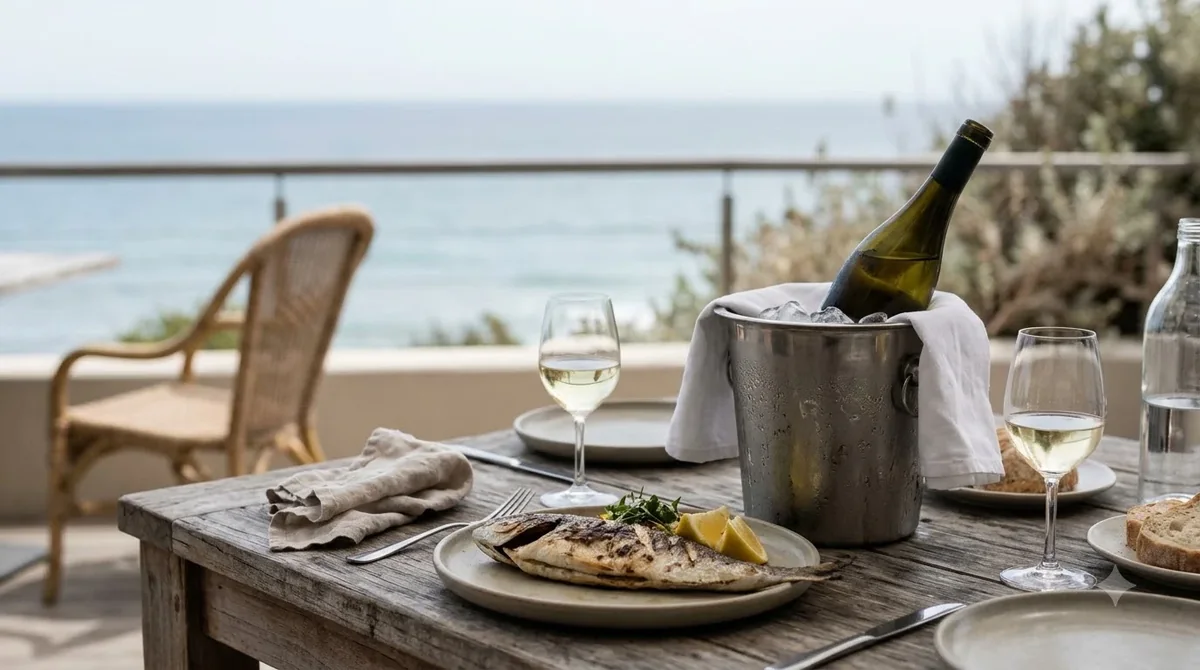
Because the drink is an aperitif style, it suits light bites served before a meal. Salty foods balance the bitterness well, and the crisp wine cuts through fried or rich snacks. Olives, cured meats, soft cheese, and bread with olive oil are all classic companions. Seafood dishes such as shrimp or simple grilled fish also work, since the drink is light enough not to overwhelm them.
Fresh salads with a citrus dressing are another good match. Heavy desserts do not pair as well, and the drink is best with savory food, where its acidity and bitterness have something to balance against.
For ideas on scaling the same ratio for a group, the aperol spritz pitcher recipe works well, and the vermouth spritz recipe offers a drier take on the formula.
Frequently Asked Questions
Can I use still rosé instead of sparkling rosé?
Yes. Still rosé works well when soda water is added at the end. The drink will be softer and less effervescent, so add the soda just before serving to keep it lively.
What is the best bitter for a rose spritz?
Aperol is the most common choice and gives a gentle bitter orange flavor that suits most rosés. Other bitter orange or herbal aperitifs can work, but taste them first, since bitterness varies widely between brands.
How strong is a rose spritz?
Strength depends on the rosé and the bitter you choose. Because soda and ice dilute the mix, most spritzes are lighter than a stirred cocktail. Check the labels for the alcohol content of each ingredient, and drink responsibly.
Can I make a rose spritz ahead of time?
Mix the wine and bitter in advance and keep the mixture chilled. Add soda water and ice just before serving so the drink stays fizzy and does not go flat.
The rose spritz is easy to get right once the ratio is clear. Start with equal thirds, taste as you go, and refine the balance over a few tries. For a sweeter option, the rose lemonade recipe shows how rosé pairs with fresh citrus, and the Wine Recipes & Cocktails section collects more drinks to try.
More in Food & Wine Pairing
 Risotto With White Wine Recipe: Make a Creamy Dinner at HomeUpdated Nov 20, 2026
 Wassail With Wine Recipe for a Festive Spiced Holiday DrinkUpdated Nov 20, 2026
 Spritz Veneziano Recipe: Make a Classic Venetian Aperitivo at HomeUpdated Nov 20, 2026
 Summer Wine Punch Recipe for Easy Homemade EntertainingUpdated Nov 20, 2026
 Bishop Recipe: How to Make a Bright, Citrus-Forward Red Wine CocktailUpdated Nov 20, 2026
 Wine Cupcakes Recipe: Bake Rich Chocolate Cupcakes at HomeUpdated Nov 20, 2026