

We may earn a commission when you buy through links on this page, at no extra cost to you. Learn more.
Can you drink old wine? Often yes, but it depends on the style, how the bottle was stored and whether the wine was built to age. Many wines decline over time through slow oxidation, and some are bottled to be opened within a year or two. The clearest way to decide is to look, smell and taste the wine before serving it.
Old wine is a common worry. A bottle found in a closet or inherited from a relative may be decades past its prime, or it may still be in very good shape. The answer depends less on the calendar than on what the wine is, how it was kept and what it has been through. This guide explains how wine changes with age and the signs that show a bottle has turned.
Why wine changes as it ages
Wine is not a static product. Once bottled, it keeps evolving, and the changes are shaped by the wine’s structure, its storage and the closure. According to the entry on wine spoilage, all corks let some air through, so older wines gradually oxidize over time. Temperature swings can pump more air into the bottle, which speeds the process.
Oxidation is not always a fault. Some wines are oxidized on purpose, including certain Sherries and the Jura wine Vin jaune, and Madeira is intentionally exposed to heat as part of its style. In those cases, the aged, nutty or dried-fruit character is the point, so an older bottle may be exactly what the producer intended.
How storage affects how long wine lasts
Storage is the biggest factor in whether an old bottle is still good. The ideal storage temperature commonly cited for wine is about 13 °C (55 °F), and wine kept much warmer ages faster. Heat is especially damaging because it accelerates the chemical reactions that change color and flavor.
Light also matters. Red wines contain protective phenolic compounds that help them resist light damage better than delicate wines such as Champagne. A bottle left in a sunny window or near a heat source for years is more likely to have changed than one kept in a dark, cool cellar or closet.
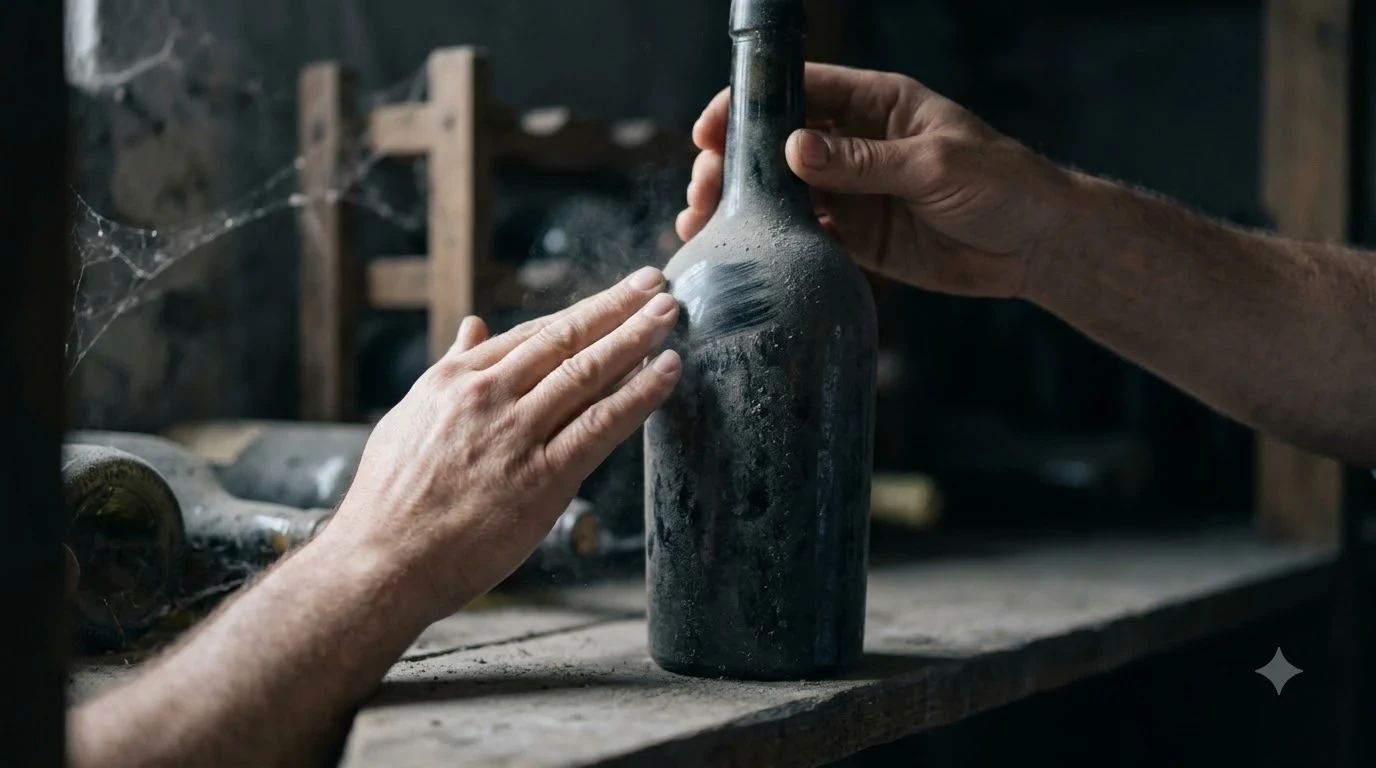
Bottle position matters too, at least for wines sealed with natural cork. Storing bottles on their sides keeps the cork moist and in contact with the wine, which helps limit the amount of air that reaches the liquid. A bottle stored upright for many years can have a dried cork that lets in more oxygen, so a cork that looks shrunken or crumbly is worth noticing before you open the wine. Screw caps and synthetic closures behave differently, and bottles with them are less affected by position.
Humidity is the last factor that people often overlook. Very dry air can dry out a cork, while damp conditions can encourage mold on labels and capsules. Those surface problems rarely affect the wine itself, but a moldy cork or label can be a sign that the storage conditions were not ideal over time.
Which wines tend to last and which do not
Wines differ widely in how long they keep. Structured reds with firm tannin and good acidity often develop more complexity over several years, while many inexpensive, fruit-forward wines are designed to be drunk young and tend to fade. White wines with high acidity can keep well, but many lighter whites are at their best within a few years of release.
Sparkling wines are a special case. Champagne and other traditional-method sparklers can age well when stored properly, while some lighter sparkling styles lose their freshness quickly. Fortified wines such as Sherry, Port and Madeira are built for long life, though their profile changes over time.
| Wine type | Typical outlook for an old bottle | What to check |
|---|---|---|
| Light, fruit-forward red | Often past its best after several years | Color, fruit, and any sharp or vinegar notes |
| Structured red with firm tannin | May improve over years if stored well | Balance, and whether the fruit has faded |
| Lighter white | Usually best within a few years | Browning color and flat or dull aromas |
| Traditional-method sparkling | Can age well with proper storage | Bubble quality and whether the bottle is still fizzy |
| Fortified (Sherry, Port, Madeira) | Built for long life, with a changing profile | Whether the style matches what you expect |
Signs an old bottle has gone bad
The most useful test is sensory. Start by checking the color, then the smell, then the taste. The signs below are the ones most often described for wines that have turned.
Premature browning or yellowing of a red or white is a common early sign of oxidation, and red wines may take on a brick color when they have been heat damaged. Gas bubbles in a wine that is not meant to be sparkling can point to refermentation in the bottle. A burning, vinegar-like sharpness usually means volatile acidity has developed.
Off-aromas also tell you something. Wet cardboard or wet wool can indicate light strike, a musty, damp-basement or mushroom smell can point to cork taint, and rotten eggs or burnt matches can come from sulfur compounds. Heat damage can also show up as wine seeping along the cork or pushing it out of the bottle.
Tip: Check the cork and the fill level before you open the bottle. Wine that has leaked, or a cork that has risen above the rim, is a sign that heat or pressure has reached the wine.
How to serve an older bottle
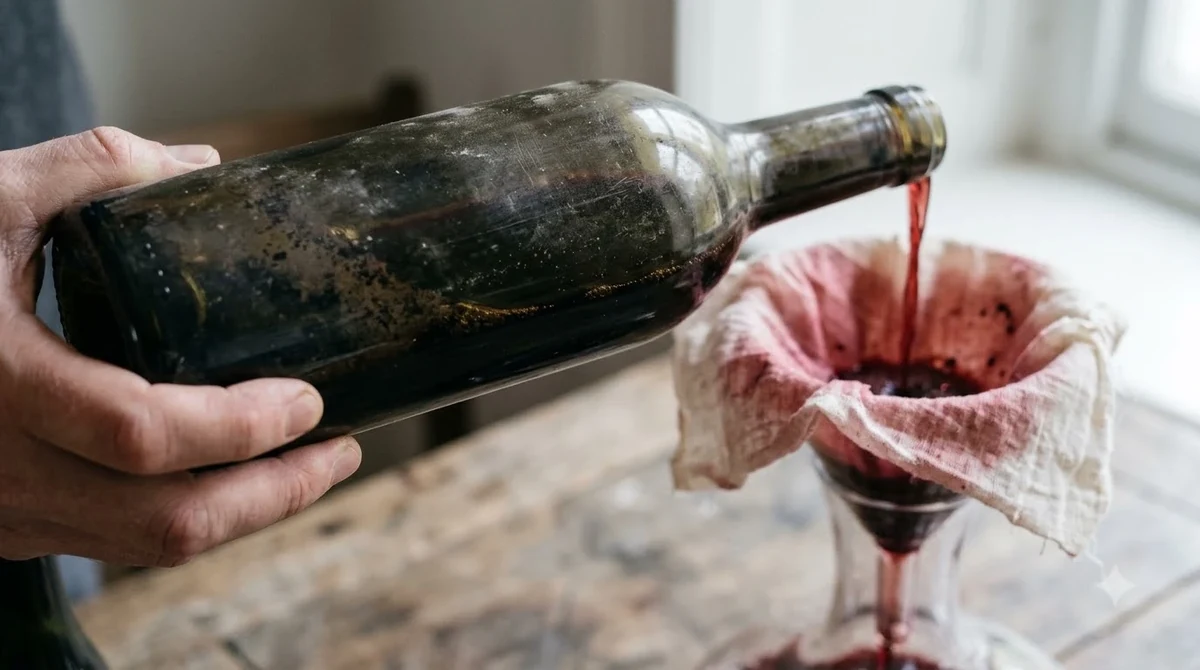
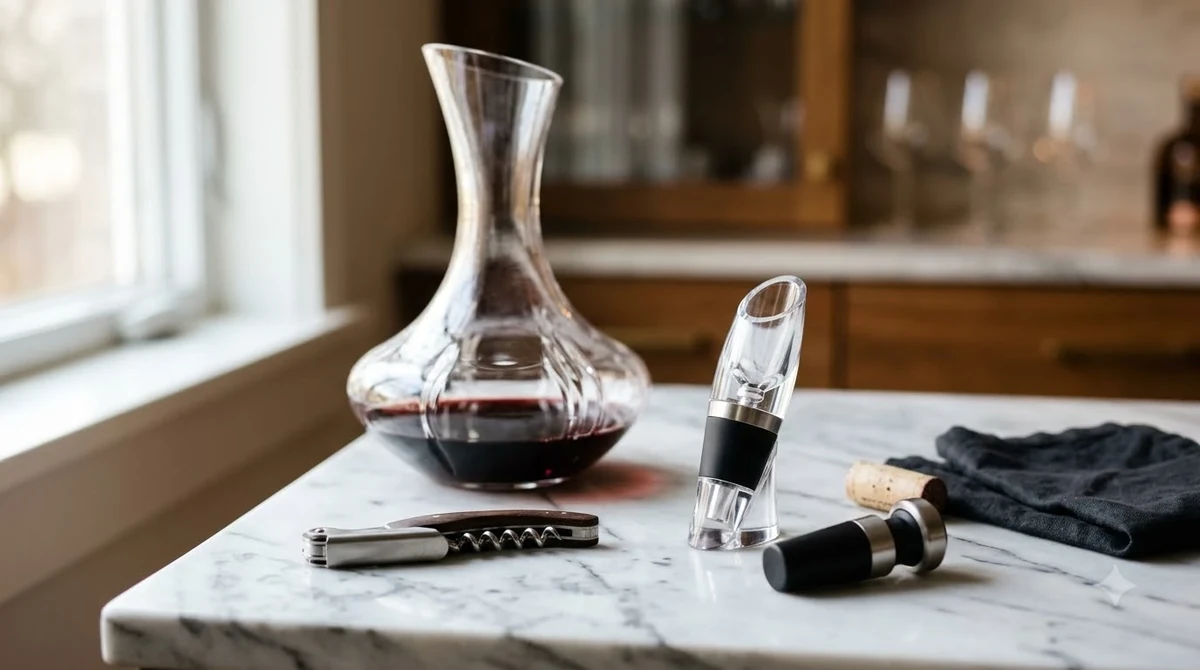
If the bottle passes the smell and color test, decant it before serving. Older reds often throw sediment, and decanting separates the clear wine from the deposit while also giving the wine a little air. Pour a small taste first and judge the wine on its own terms.
Serve older wines a little cooler than you would a young red, because warmth can make the aromas fade quickly. Do not expect an old bottle to taste like a fresh one. Mature wines often show dried fruit, leather, earth and nutty notes, and some people find those flavors very appealing.
Once opened, an older wine usually does not keep as long as a young, sturdy red would. Re-cork it, refrigerate it and finish it within a day or two for the best result.
Frequently Asked Questions
Is wine still good after 10 years?
It depends on the wine. Structured reds with good acidity and tannin may still be excellent after a decade if stored well. Light, fruit-forward wines are often past their best by then, so check the color and smell before serving.
How can you tell if old wine has gone bad?
Look for premature browning, check for unwanted bubbles, and smell for vinegar, wet cardboard, musty cork or sulfur. A sharp, burning, vinegar-like smell is the most common sign that the wine has turned.
Can old wine become vinegar?
Yes. Volatile acidity can develop as wine ages, particularly when it has been exposed to air or heat, and the result tastes sharp and vinegar-like. A bottle that smells strongly of vinegar is usually past saving.
Does old wine lose its alcohol?
Alcohol does not disappear simply because a bottle is old. What changes is the balance of flavors and aromas. A wine that has oxidized may taste flat or sharp, but its alcohol content stays largely the same.
Old wine is not always a loss. Store wines properly, learn the signs of spoilage and remember that some styles were built to age. For more background on wine handling, the guide to the wine key is useful for opening aged corks, and the guide on putting ice in wine covers another common question about serving. The full wine basics section is a good next stop.
More in Wine Basics
 Which Rose Is Best for Your Taste, Budget, and Food PairingsUpdated Nov 21, 2026
 Is Cheap Wine Bad? How to Find Bottles Worth DrinkingUpdated Nov 21, 2026
 What To Write On A Wine Gift Tag: Thoughtful Messages For Every OccasionUpdated Nov 21, 2026
 Which Wine Is Best For Weight Loss? Compare Lower-Calorie ChoicesUpdated Nov 21, 2026
 What Is The Best Wine For Mimosas? Choose Bubbly That Balances Orange JuiceUpdated Nov 20, 2026
 Which Prosecco Is Best for Your Taste and OccasionUpdated Nov 20, 2026