

We may earn a commission when you buy through links on this page, at no extra cost to you. Learn more.
Carlo Rossi sangria alcohol content is not printed on the brand’s website, so the ABV on the bottle or jug label is the number to check before you pour. Carlo Rossi is a wine brand from E. & J. Gallo, and its sangria line is a wine-based drink with fruit and added flavor. Sangria in general is a wine cocktail, so its strength depends on the base wine, the fruit, and any added spirits or sweeteners printed on the package.
Shoppers buying sangria for a party, a picnic, or a casual dinner often ask the same question: how strong is it compared with regular wine? This guide explains what can and cannot be confirmed about Carlo Rossi sangria, how sangria strength is generally defined, and how to decide how much to serve.
What the brand says about its sangria
The Carlo Rossi website promotes Sangria as “America’s #1 Sangria,” citing industry sales data for the sangria category. The site lists several varieties, including Watermelon Sangria, a Sangria jug bottle, and a Moscato Sangria. The brand is based in Modesto, California, and the footer lists Carlo Rossi Vineyards in that city.
What the site does not provide is an alcohol by volume figure for any Sangria product. It also does not give a specific serving temperature or formal serving instructions. The site suggests pairing the drink with a savory snack and points visitors to its blog for seasonal ideas, which is useful for serving but not for strength.
Where the brand comes from
Carlo Rossi is a brand of the E. & J. Gallo Winery, the family company founded in 1933 by brothers Ernest and Julio Gallo. The brand’s early history is tied to a jug wine sold in one-gallon containers, which is part of why jug and large-format packaging still matters to its identity today.
Knowing the producer helps shoppers read the label. Large producers usually print the ABV on the package, and the strength of any sangria depends on the specific product rather than the brand name alone.

How sangria alcohol content is usually defined
Sangria is traditionally a mix of red wine, chopped fruit, and sometimes brandy, sparkling water, or a flavored liqueur. Spanish recipes often use a red such as Rioja, and the wine is the base that sets the drink’s strength. Some recipes sweeten the mix with sugar or orange juice, which changes the taste but not the basic alcohol level.
A common reference point comes from the European legal definition of sangria, which sets the range at not less than 4.5 percent and less than 12 percent alcohol by volume. That range is a regulatory definition rather than a rule for a specific brand, but it gives a sense of the category. A Carlo Rossi sangria may sit inside that range, and the exact figure belongs on the label.
How to read the label on a sangria jug or bottle
Start with the ABV statement, which is usually printed on the front or back label in the US. Next, check the ingredient list for added flavors, sweeteners, or spirits, since those can change how the drink tastes and how quickly it feels strong. If the label is hard to read, the producer’s product information or customer service line can confirm the figure.
Reading the label also helps when comparing sangria with a plain table wine. A flavored wine-based drink can taste lighter than its strength suggests, so it is easy to pour more than planned. Measuring pours at a party keeps the drink in a comfortable range.
| Check | Where to find it | Why it matters |
|---|---|---|
| ABV | Front or back label | Sets the real strength of the drink |
| Flavor and fruit | Label or product name | Shows whether it is a watermelon, moscato, or other style |
| Added ingredients | Ingredient or nutrition panel | Shows added sweeteners or spirits |
| Serving guidance | Package or brand site | Helps with chilling and pouring |
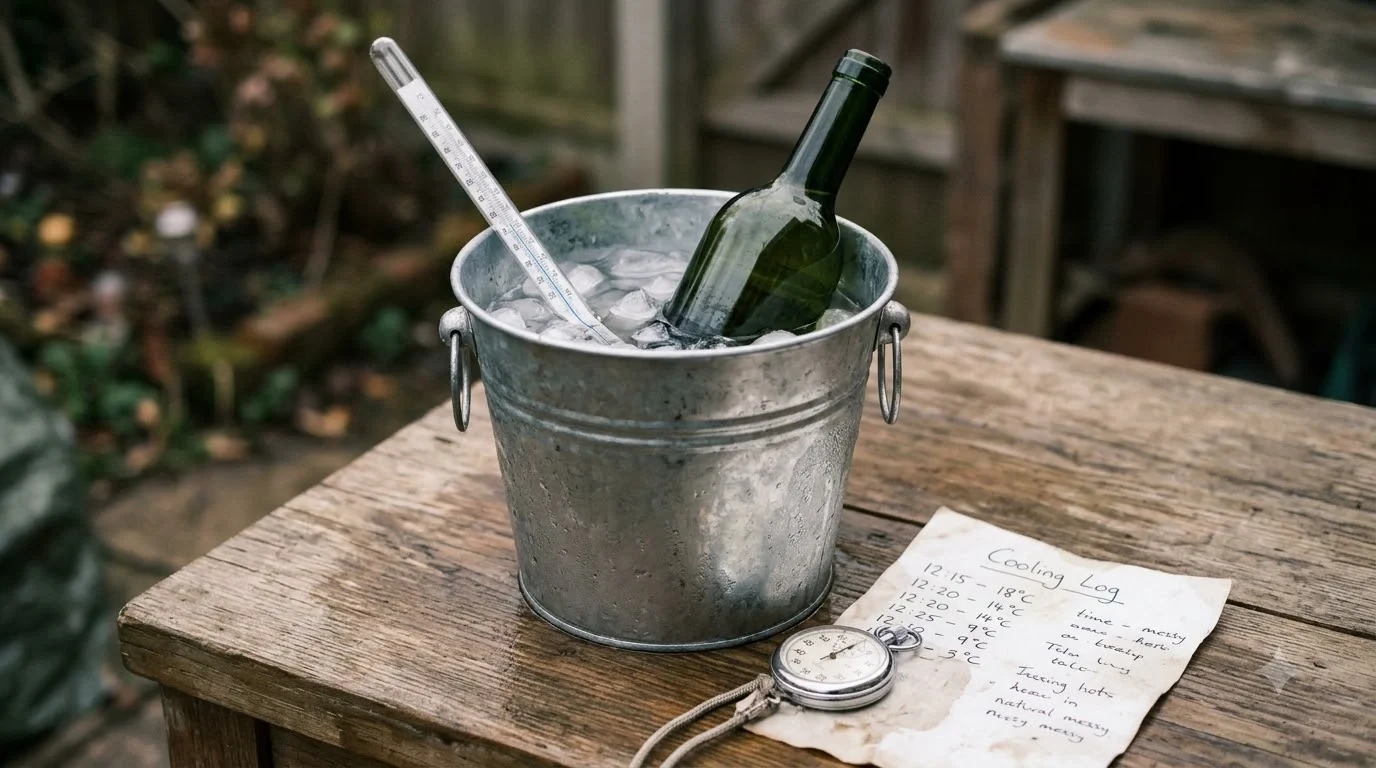
Tip: Chill sangria before serving and add the fruit just before pouring. That keeps the drink bright and makes the pour easier to track.
How much sangria to serve at a gathering
Serving size depends on the ABV printed on the package, the length of the event, and the other drinks on offer. A useful habit is to pour standard glasses and keep water available. Offering a non-alcoholic option gives guests a choice and keeps the evening relaxed.
If you are also choosing a white wine for the same event, the Carlo Rossi white wine guide covers a plain wine option to compare. For a more detailed look at a similar product, the Sutter Home Moscato alcohol content guide explains how sweet, fruit-style wines are labeled.
Storage and serving tips for sangria
Sangria tastes best when it is cold, so chill the base wine ahead of time rather than relying on ice that dilutes the mix. If the drink is prepared at home, add fresh fruit close to serving time, since fruit left in liquid for too long can turn soft and muddy the flavor. Store any leftovers in a sealed container in the refrigerator and drink them within a day or two.
Ready-made sangria from a jug or bottle follows the same basic rule. Keep it cold, avoid leaving it in direct sun, and reseal it between pours. The product’s own storage guidance on the label is the most reliable source for how long an opened container will keep its flavor.
Plan for leftovers when buying a large jug. A partly used container can lose its fresh character over a few days, so buying a size that matches the guest count often tastes better than buying a larger one and keeping the rest.
Choosing sangria for different guests
Guests who prefer sweeter drinks may enjoy a moscato-style sangria, while those who want a drier flavor often prefer a red-based version with less added sweetness. Because sweetness can make a drink feel lighter than it is, the ABV on the label should guide how many glasses each guest drinks. Serving a small snack with the drink slows absorption and helps the evening feel more relaxed.
A simple option for mixed groups is to offer one sangria alongside a sparkling water and a non-alcoholic punch. This gives everyone a choice, and it keeps the focus on the food and company rather than on the strength of a single bottle.
Frequently Asked Questions
What is the alcohol content of Carlo Rossi sangria?
The brand’s website does not publish an ABV for its sangria products. The figure is printed on the package, so check the label on the jug or bottle you are buying.
Is Carlo Rossi sangria stronger than wine?
It depends on the product. Sangria strength is set by its base wine and any added ingredients, so compare the ABV on each label rather than relying on the category name.
What flavors does Carlo Rossi sangria come in?
The brand site lists Watermelon Sangria and a Moscato Sangria, along with a Sangria jug bottle. Availability can change, so check the current product listing.
Can sangria be served to a crowd?
Yes. Serve it chilled, add fruit just before pouring, and offer water or a non-alcoholic drink alongside it. Measuring pours helps guests keep track of how much they are drinking.
Carlo Rossi sangria alcohol content is best confirmed on the package, since the brand site does not list the figure. For a broader view of how sweet wine-based drinks are labeled and compared, the wine brands guide is a helpful next step, and the sangria background is summarized on the Sangria entry on Wikipedia.
More in Wine Brands
 Underwood Wine Price: Compare Bottles, Cans, and Pack SizesUpdated Nov 21, 2026
 Zenato Wine Price: Compare Styles and Choose the Right BottleUpdated Nov 21, 2026
 Zuccardi Wine Price: Compare Bottles and Find the Right RangeUpdated Nov 21, 2026
 Yellow Tail Moscato Review: Taste, Sweetness and Serving TipsUpdated Nov 21, 2026
 Wolf Blass Yellow Label Review: Choose Your Best StyleUpdated Nov 21, 2026
 Wolffer Estate Rose Review: Choose the Right Bottle for Your TableUpdated Nov 21, 2026