

We may earn a commission when you buy through links on this page, at no extra cost to you. Learn more.
Borsao wine comes from Bodegas Borsao, a Spanish winery in Borja, Zaragoza, that builds its range around Garnacha, the grape known as Grenache in many other countries. The winery’s own website describes a long commitment to the variety, with a flagship red called Tres Picos that the brand says has been produced since 2001. Borsao is a good starting point for Spanish red wine because the style is fruit-forward, approachable, and widely available.
Anyone browsing the Spanish shelf at a wine store may notice Borsao before they know much about the region behind it. This guide covers who makes the wine, where the grapes grow, which bottles are in the range, and how to decide whether a Borsao suits a given meal or occasion.
Who makes Borsao and where it comes from
Borsao is the brand of Bodegas Borsao S.A., a winery located in Borja, in the province of Zaragoza in northeastern Spain. The winery’s website uses the tagline “Celebrando el territorio desde 1958,” which translates to celebrating the territory since 1958. That date points to the winery’s long roots in the area rather than to a single founding event.
Borja sits in Aragon, a region that stretches across the middle of northern Spain. The wider area is a transition zone between the Iberian System mountain ranges and the Ebro Valley, a mix of terrain that gives the vineyards a warm, dry character. Borja is the largest town in the local comarca, and the Campo de Borja wine area takes its name from that part of the province.
Why Garnacha is at the center of the range
The Borsao brand is built around Garnacha. The winery says it has grown its vineyards to about 2,100 hectares and has long supported the variety, becoming a pioneer in its production and distribution around the world. Garnacha is a red grape that tends to produce wines with ripe red fruit, soft spice, and a generous texture, which is why it works well for everyday drinking.
The winery also says it works with 375 winegrower families. Working with a large group of growers means the grapes can come from many vineyard sites, which is one reason a single producer can keep a consistent house style across several bottlings.
The Borsao lineup at a glance
The winery’s featured wines include Tres Picos, Zarihs, Berola, Bolé Tinto, and Selección Tinto. The brand site does not list the exact grape blend for each wine, so the front label or the producer’s technical sheet is the best place to confirm what is in a particular bottle. The winery presents Tres Picos as its flagship and ties it to a quarter century of work with the variety.
| Borsao bottling | What the producer highlights | What to check on the label |
|---|---|---|
| Tres Picos | Flagship red, produced since 2001 according to the winery | Vintage and grape blend |
| Zarihs | Featured on the winery’s wine range | Vintage and style notes |
| Berola | Featured on the winery’s wine range | Vintage and style notes |
| Bolé Tinto | Featured red in the Borsao lineup | Vintage and style notes |
| Selección Tinto | Featured red in the Borsao lineup | Vintage and style notes |
Tip: If you are new to the brand, start with the flagship and compare it with a second bottling from the same range. The difference shows how the house style works across price points on the shelf.
How to serve and pair Borsao
Garnacha-based reds are usually friendly with a wide range of food. The fruit-forward profile works with grilled sausages, roasted chicken, pork, and tomato-based dishes. A slightly cool serving temperature keeps the fruit lively, and a generous glass with dinner suits the style better than a small pour.
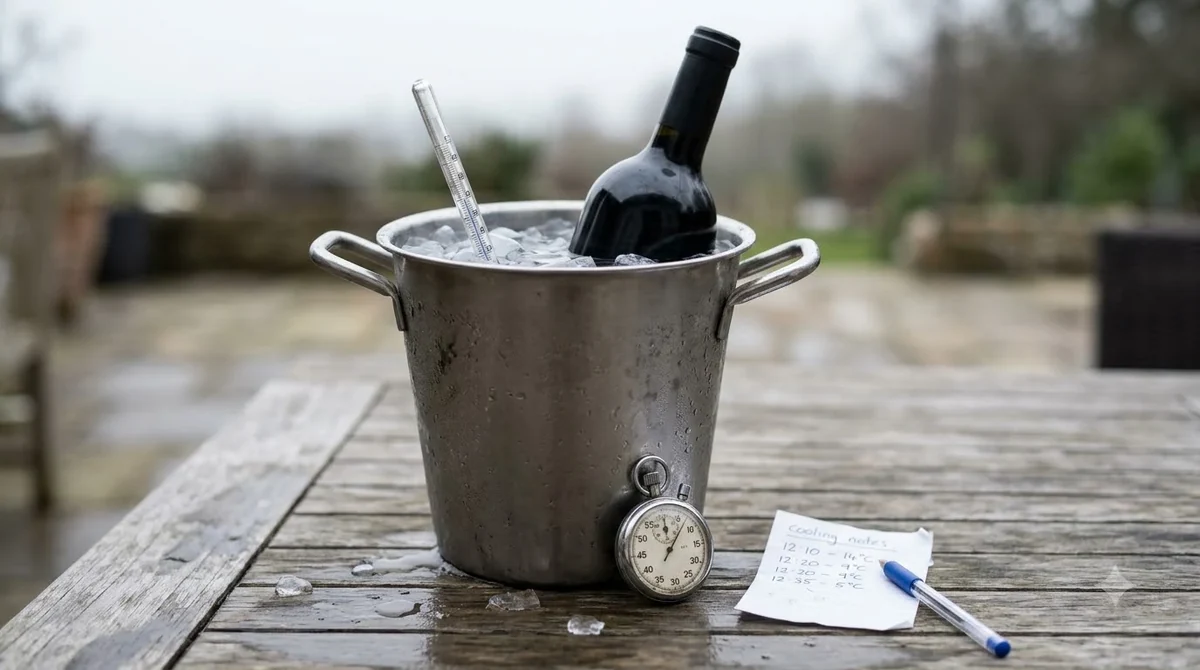
If you are serving Borsao to guests who prefer lighter wines, a short chill in the refrigerator before serving can soften the impression of warmth from the fruit. Decanting is rarely needed for a younger red like this, although a short time in the glass before the first sip lets the aromas open.
How Borsao compares with other Spanish and international reds
Borsao sits in the same family as many Spanish reds that are sold for everyday meals. Compared with a richer, oak-driven red, a Garnacha-led wine usually feels rounder and more immediate. Compared with a lighter red, it tends to carry more fruit and a fuller body. A shopper who wants a steady red for weeknight dinners will find the style easy to live with.
For a different style from another country, the guide on Antinori red wines shows how Italian producers approach red blends. Readers who want to compare Californian bottles can look at Austin Hope red wine, which takes a different approach to ripe red fruit and structure.
Getting the most out of a Garnacha bottle
Garnacha rewards a bottle that is served at the right moment. The fruit is usually the first thing drinkers notice, and it can taste brighter when the wine is not too warm. Pouring a generous glass and giving the wine a few minutes in the glass often shows more of the red fruit and soft spice the grape is known for.
Because Garnacha tends to have a gentle structure, it does not need a long time in a decanter. A younger bottle benefits from simple air, but a heavy decant can flatten the fruit. That makes the style practical for weeknight dinners, when a red needs to be ready quickly.
Where Borsao fits on a shopping list
Shoppers looking for a Spanish red often compare Garnacha with Tempranillo, the grape most associated with Rioja. Tempranillo often carries more structure in many bottles, while Garnacha usually feels rounder and more approachable. Choosing between them depends on whether the meal needs a firmer red or a softer one.
A practical approach is to buy one Borsao bottling for a dinner, then try a second wine from the same region or grape to see how the style changes. Keeping short notes on which food worked best makes the next purchase easier. Readers who want a wider view of how producers present their reds can start with the wine brands guide.
Serving temperature is a simple lever. A bottle that has been sitting in a very warm room can taste heavy and sweet, while a short time in a cool place brings the fruit back into focus. Adjusting the serve to the room and the meal is often more helpful than any single rule.
Frequently Asked Questions
What grape is Borsao wine made from?
The Borsao brand is built around Garnacha, which is known as Grenache in many other countries. The winery’s materials focus on that grape, and the exact blend of each bottle is listed on the label or the producer’s technical sheet.
Where is Bodegas Borsao located?
The winery is in Borja, in the province of Zaragoza in Aragon, Spain. The Borja area is part of the wider Campo de Borja wine region.
What is the Tres Picos wine?
Tres Picos is the flagship red in the Borsao range. The winery says it has been produced since 2001 and links it to its work with the grape. Check the vintage on the bottle to see which year you are buying.
What food goes well with Borsao?
Garnacha-based reds pair well with grilled meats, roasted poultry, pork, and tomato dishes. A moderately chilled serving keeps the fruit fresh, and the style is easy to share at an informal dinner.
Borsao is a reliable way to explore Spanish red wine without a large commitment, especially when you want fruit and approachability. For a broader view of how brands are organized and how to compare them, the wine brands guide is a useful next step.
More in Wine Brands
 Underwood Wine Price: Compare Bottles, Cans, and Pack SizesUpdated Nov 21, 2026
 Zenato Wine Price: Compare Styles and Choose the Right BottleUpdated Nov 21, 2026
 Zuccardi Wine Price: Compare Bottles and Find the Right RangeUpdated Nov 21, 2026
 Yellow Tail Moscato Review: Taste, Sweetness and Serving TipsUpdated Nov 21, 2026
 Wolf Blass Yellow Label Review: Choose Your Best StyleUpdated Nov 21, 2026
 Wolffer Estate Rose Review: Choose the Right Bottle for Your TableUpdated Nov 21, 2026