

We may earn a commission when you buy through links on this page, at no extra cost to you. Learn more.
Low sugar sparkling wine is usually a Brut Nature, Extra Brut, or Brut bottle, because those labels carry the least residual sugar of the sparkling categories. Brut Nature contains under 3 grams of sugar per litre, Extra Brut under 6, and Brut under 12. Sweeter labels such as Extra Dry, Dry, Demi-Sec, and Doux sit higher on the scale, so checking the sweetness word on the label is the fastest way to find a drier bottle.
Many people who want a lower-sugar drink still enjoy a glass of bubbles, and sparkling wine is a good place to find one. The catch is that the labels use terms that do not always mean what they seem to mean, so this guide explains the sweetness scale, what to look for on the label, and how to pick a bottle that suits the table.
How Sparkling Wine Sweetness Is Measured
Sparkling wine sweetness is set by the amount of sugar left in the bottle after fermentation, which is called residual sugar. Winemakers add a small dose of sugar, called the dosage, at the end of the process to adjust the final style. Residual sugar is measured in grams per litre, and the categories set the range for each label.
According to the sparkling wine article on Wikipedia, the categories run from the driest to the sweetest in the following way: Brut Nature (also called Brut Zero) has under 3 g/L, Extra Brut under 6 g/L, Brut under 12 g/L, Extra Dry 12 to 17 g/L, Dry 17 to 32 g/L, Demi-Sec 32 to 50 g/L, and Doux over 50 g/L. Those numbers are the reference point for anyone looking for the lowest sugar in a sparkling bottle.
Which Sparkling Labels Have the Least Sugar
The three lowest categories are the ones to check first. Brut Nature is the driest style and often has no added dosage at all, so it tastes crisp, tight, and mineral. Extra Brut is close behind, with very little sugar added, and it has a lean, citrus-driven profile that suits fried food and oysters. Brut is the most common style on shop shelves and sits at the top of the low-sugar range.
Many shoppers are surprised by Extra Dry. Despite the name, it is sweeter than Brut, and it is often the style chosen for a softer, fruitier mood. If the goal is low sugar, Extra Dry is the wrong pick, even though the word “dry” appears on the label.
| Label term | Residual sugar (g/L) | What to expect |
|---|---|---|
| Brut Nature (Brut Zero) | Under 3 | Very dry, crisp, mineral |
| Extra Brut | Under 6 | Dry, citrus-driven, lean |
| Brut | Under 12 | Dry and balanced, the most common style |
| Extra Dry | 12 to 17 | Noticeably sweeter than Brut |
| Dry | 17 to 32 | Soft and fruity, clearly sweet |
| Demi-Sec | 32 to 50 | Sweet, dessert-style |
| Doux | Over 50 | Very sweet |
Tip: On a label, the sweetness term is the most useful clue. If the bottle says Brut Nature, Extra Brut, or Brut, it is in the low-sugar range. If it says Extra Dry, Dry, or Demi-Sec, expect more sugar even if the label sounds dry.
How Sugar Affects Taste and Balance
Label reading is only part of the story. Two bottles that both say Brut can still differ, because producers choose different dosage amounts and different base wines. A producer that lists its residual sugar on the back label or its website gives the clearest answer, and a producer that describes its wine as bone-dry or zero-dosage is signaling the same low-sugar style as Brut Nature.
Sugar in sparkling wine is balanced by acidity. A high-acid wine can taste crisp even with a little sugar, while a lower-acid wine can taste flat or heavy with the same amount. That is why two bottles with similar sugar levels can feel very different in the glass.
Low-sugar sparkling wines tend to show green apple, lemon, pear, and bread-dough notes from the yeast contact that happens during the secondary fermentation. Those flavors are easier to notice when the sugar is low, because nothing is covering them. If you are new to dry sparkling wine, the first sip can feel sharper than expected, and that sharpness usually softens with food.
Temperature changes the balance as well. A very cold glass makes Brut Nature taste sharper and leaner, while a slightly warmer glass lets the fruit show through. Let the bottle sit on the counter for a few minutes after it comes out of the fridge, and it will taste more rounded without losing its crispness.
Sweeter sparkling styles, such as Demi-Sec, lean toward ripe fruit and a rounder texture. They suit dessert and fruit-based dishes, but they are a different category of drink, not a lower-sugar version of the same bottle.
How to Serve and Pair Low Sugar Sparkling Wine
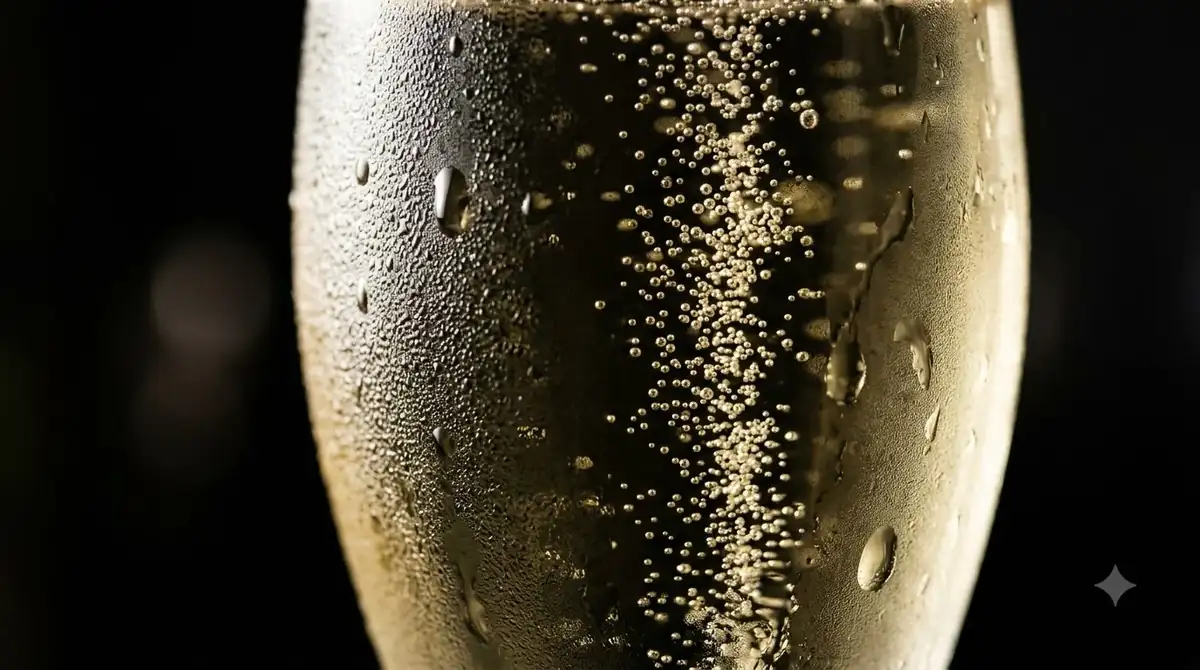
Serve low-sugar sparkling wine well chilled, usually around 45°F (7°C), and open it gently to keep the bubbles lively. Pour into a tall, narrow glass so the bubbles stay visible and the aromas stay concentrated. A wide glass lets the wine lose its fizz faster.

Brut and Extra Brut are versatile at the table. They pair well with fried foods, oysters, sushi, fresh cheese, and salty snacks, because the acidity and bubbles cut through rich or oily flavors. Brut Nature suits a simple seafood dish or a light salad, where its crisp, mineral style is the focus rather than a background note.
The sweeter categories fit different moments. Extra Dry is a friendly choice with fruit desserts or spicy dishes that call for a touch of sweetness, while Demi-Sec suits cakes and creamy desserts.
How to Pick a Low Sugar Sparkling Bottle
Start with the sweetness word, then consider the other details on the label. A bottle that clearly says Brut Nature or Extra Brut is the strongest signal of low sugar, while a plain “sparkling wine” label gives no sugar information at all, so it is worth checking the back label or the producer’s site.
- Look for Brut Nature, Extra Brut, or Brut on the label.
- Avoid Extra Dry and Dry if the goal is low sugar.
- Check whether the producer lists the dosage or the residual sugar level.
- Choose a bottle that matches the food, using Brut for general pairings and Brut Nature for lighter dishes.
If you are also looking at still wines with less sugar, the organic Chardonnay and organic Pinot Grigio guides cover dry white styles that suit the same kind of meal. For a broader view of how labels are read, the wine buying guides explain the terms shoppers see most often.
Frequently Asked Questions
What is the lowest sugar sparkling wine?
Brut Nature, also called Brut Zero, has the lowest residual sugar of the sparkling categories, at under 3 grams per litre. Extra Brut is the next driest category.
Is Brut or Extra Dry lower in sugar?
Brut is lower in sugar. Brut contains under 12 grams per litre, while Extra Dry contains 12 to 17 grams per litre, even though its name includes the word dry.
Does low sugar sparkling wine taste dry?
Yes, usually. Brut Nature and Extra Brut taste crisp and dry, with the acidity and bubbles doing most of the work. Some people find the first sip sharp, but the style suits many meals.
What food goes well with low sugar sparkling wine?
Brut and Extra Brut pair well with fried food, oysters, sushi, and fresh cheese. Brut Nature suits light seafood and salads.
Low sugar sparkling wine is easy to find once you know the sweetness terms. Choose Brut Nature, Extra Brut, or Brut on the label, serve the bottle cold, and match it to a simple meal to see what the style brings to the table.
More in Wine Buying Guides
 Riesling Gift: Choose a Bottle They’ll LoveUpdated Nov 21, 2026
 Sweet Red Wine Gift: Choose a Bottle They’ll LoveUpdated Nov 21, 2026
 Malbec Gift: How to Choose a Memorable Bottle for Any OccasionUpdated Nov 21, 2026
 Sherry Gift Ideas That Match Every Wine LoverUpdated Nov 21, 2026
 Moscato Gift: How to Choose a Sweet Wine They’ll LoveUpdated Nov 21, 2026
 Merlot Gift: How to Choose a Bottle They’ll AppreciateUpdated Nov 21, 2026