
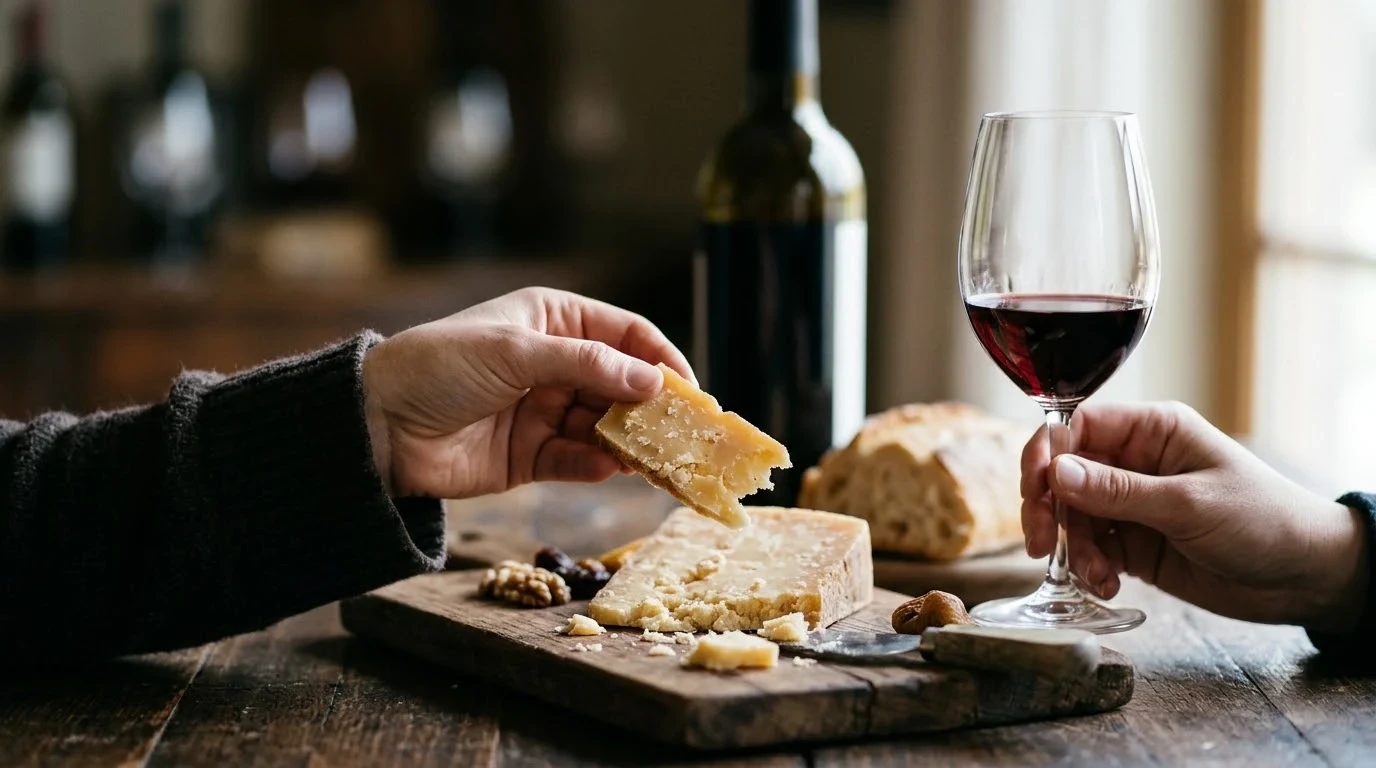

We may earn a commission when you buy through links on this page, at no extra cost to you. Learn more.
What does orange wine taste like? Usually dry, savory, and tannic, with dried apricot, tea, nuts, and sometimes sea-like or funky aromas. It is a white wine made with extended skin contact, so it picks up color and grip that most whites never have. The taste ranges from light and floral to deep and nutty, depending on how long the skins stayed in contact and where the wine was made.
Orange wine often confuses people the first time they see it. The color is amber or copper, closer to a rosé than a white, and the flavor can surprise drinkers who expect a crisp Pinot Grigio. This guide explains what orange wine tastes like, why it differs from ordinary white and red wine, and how to serve and pair it.
What Makes Orange Wine Taste Different
The difference starts in the winery. Orange wine is made from white grapes, but the crushed grapes ferment with their skins, and sometimes stems and seeds, for days or even months. Red wine gets its color and tannin from the same kind of skin contact, usually for one week to one month. Orange wine producers use that technique on white grapes, which gives the wine its pigment and its tannin.
The tannin is the feature that most people notice first. Skins hold phenolic compounds that would normally be considered undesirable in a white wine. In orange wine, those compounds add grip and a dry, slightly bitter edge that stays on the palate. The result is a wine that feels more like a light red in texture but tastes like a white in fruit character.
Flavor and Aroma Notes
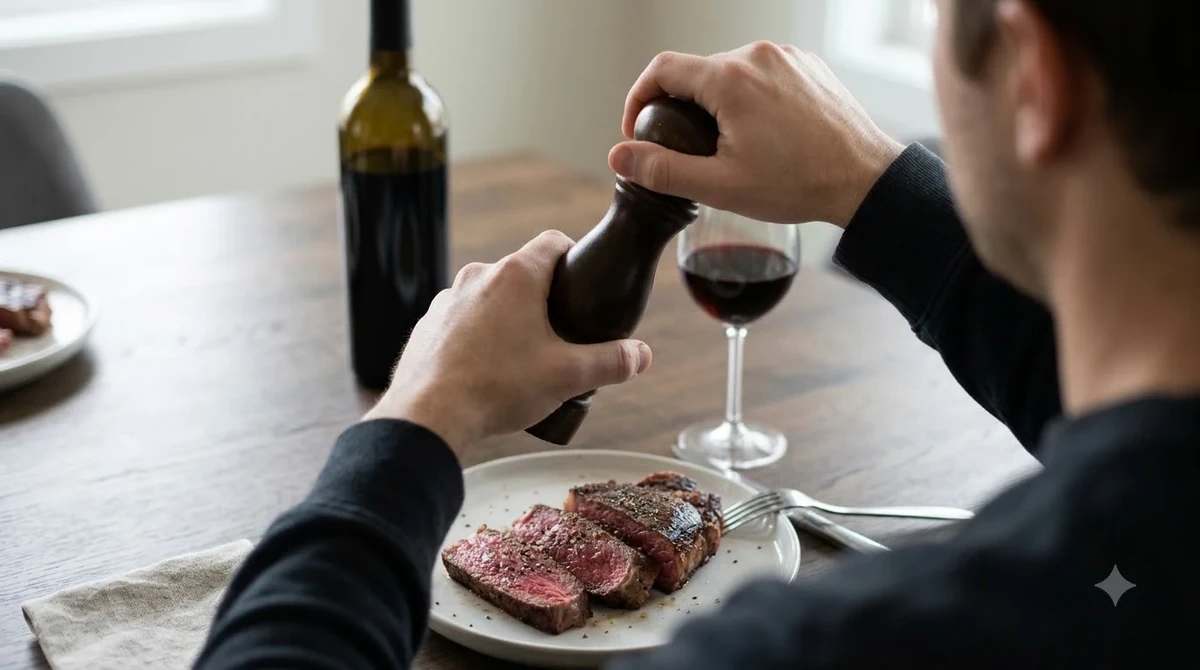
Orange wines show a wide range of aromas. Common notes include dried apricot, orange peel, honey, black tea, and roasted nuts. Some examples carry savory notes of herbs and dried flowers, and a few show the funky character that comes from long skin contact. Reviewers at VinePair note that some aged examples can show nori or seaweed-like qualities, and that a fish-sauce edge can appear in certain bottles.
Color is a rough guide to style, though not a reliable one. Pale copper wines usually come from shorter skin contact and tend to be lighter, floral, and fresher. Deeper amber wines often come from longer contact and show more dried fruit, tea, and grip. Producers using the traditional Georgian method often make the deepest examples, so a bottle’s color can hint at what is inside before you pour.
The texture is the other half of the experience.
Oxidation is another factor. Some orange wines are deliberately exposed to air during aging, which adds nutty, sherry-like notes. Others are kept closed to preserve brightness. Both approaches are valid, and both can be good bottles, so the label or the shop’s notes are the best place to check.
The texture is the other half of the experience.
Orange wines often feel dry and structured, with a grip that can make them taste firmer than their alcohol level suggests. A well-made bottle balances that grip with fresh acidity, so the finish stays clean rather than bitter.
| Style | Typical aroma | Texture | Best match |
|---|---|---|---|
| Light orange wine | Citrus, flowers, green tea | Lively, light grip | Salads, soft cheese |
| Long-macerated orange wine | Dried apricot, nuts, spice | Firm, tannic | Roast poultry, mushrooms |
| Aged orange wine | Honey, nori, savory herbs | Deep, complex | Aged cheese, braises |
Where Orange Wine Comes From
The style has very old roots. According to VinePair’s orange wine guide, the style originated in Georgia, where winemaking goes back more than 8,000 years. Traditional Georgian producers ferment grapes in qvevri, large clay vessels buried in the ground. That method keeps the temperature steady and lets the skins protect the wine over time.
Today producers around the world make orange wine, and they use a range of methods, from short skin contact to the full Georgian approach. The label alone does not always tell you how the wine will taste, so ask the retailer about skin contact time if you want a more predictable style.
How to Serve Orange Wine
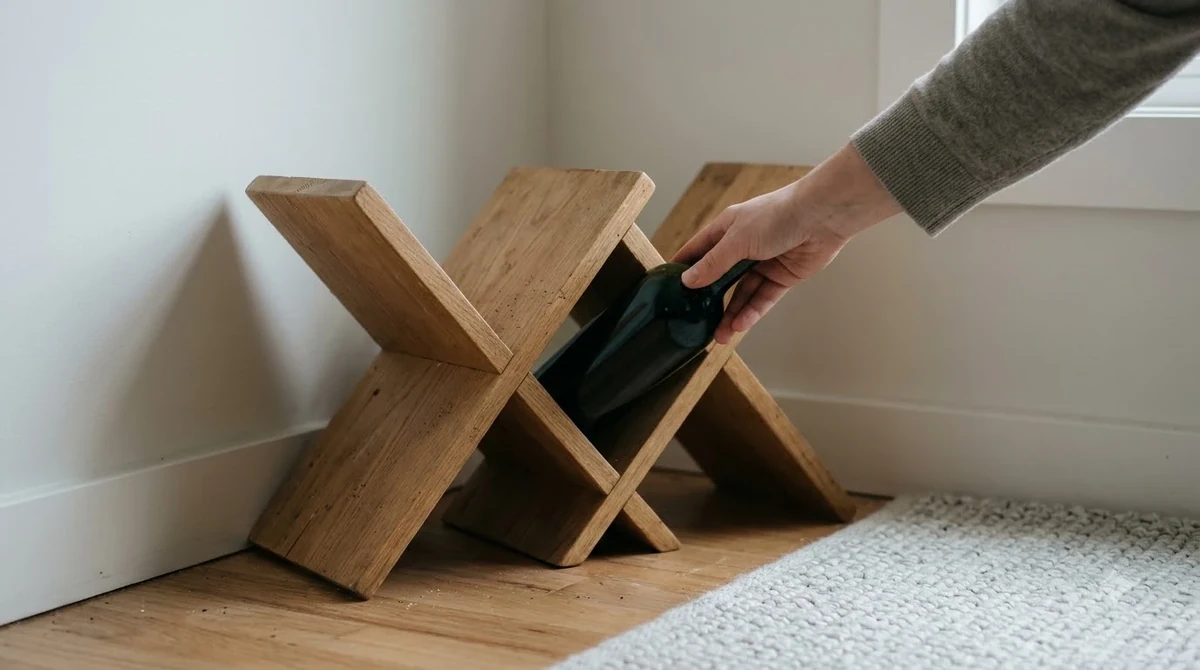
Orange wine is best served slightly cooler than room temperature but warmer than a typical white. That range lets the aromas open while keeping the texture from feeling heavy. A white or universal wine glass with a moderate bowl is a good choice, because it lets the aromas gather without overwhelming the palate.
Many orange wines benefit from a short period of air before serving. Pouring them into a glass and waiting a few minutes often softens the tannin and brings the fruit forward. Older bottles may need less time, so taste as you go.
Tip: Treat orange wine like a food wine. Its grip and savory notes shine most with a plate, not on its own.
Food Pairings for Orange Wine
Orange wine suits a wide range of dishes because its tannin and acidity work like a red and its fruit works like a white. Roast chicken, pork, and duck are natural partners. Vegetable dishes with mushrooms, squash, or roasted onions also work well, as do aged cheeses and cured meats. Spicy food is often a good match because the wine’s dryness keeps the palate fresh.
For a lighter meal, a simple salad with a sharp dressing or a tomato-based pasta can bring out the wine’s brighter side. Keep the sauce balanced, because heavy cream can flatten the texture.
How to Choose a First Bottle
Start with a bottle that names its grape and its country on the label. Many orange wines are made from Ribolla Gialla, Pinot Gris, or local varieties, and the grape gives a clue to the flavor. A younger, shorter-macerated bottle is usually easier for a first try, while a longer-macerated bottle suits a more adventurous drinker.
Price and availability vary by market, so it helps to ask a shop for a bottle that matches the style you want rather than relying on the label alone. Staff who handle natural and orange wines often know which producers keep the style consistent from year to year, and they can point you toward a bottle that suits your meal.
If you already enjoy dry rosé or a textured white such as a Chardonnay with lees, orange wine is a natural next step. For a wider view of white styles, the riesling flavor guide shows how a different white can taste. You can also compare a red with a similar structure in the malbec profile.
Frequently Asked Questions
Is orange wine a white wine or a red wine?
It is made from white grapes, but the skins are left in contact with the juice, which gives the wine color and tannin. Many people think of it as a white wine with red-wine structure.
Is orange wine sweet?
Most orange wines are dry. The sweetness level depends on the producer, but the typical flavor is savory, dried fruit, and tea rather than sugary.
Why does orange wine taste funky?
Long skin contact and natural winemaking methods can produce aromas of nori, nuts, and dried herbs. These notes are part of the style for many drinkers, though taste varies by bottle.
Can you drink orange wine on its own?
Yes, though many people prefer it with food. Its tannin and savory notes make it a good companion to a meal rather than a casual sipper.
Orange wine is worth a try if you want something beyond the usual red and white options. Pick one bottle, serve it with food, and compare it with a classic white to see how the grip and color change the experience. To explore more styles, visit the Wine by Type guide.
More in Wine Types & Grapes
 Zinfandel Sugar Content: Dry Red vs. White Zinfandel GramsUpdated Nov 21, 2026
 Best Zinfandel Substitute Options for Sipping and CookingUpdated Nov 21, 2026
 Zweigelt Food Pairing: Best Dishes, Cheeses, and Serving TipsUpdated Nov 21, 2026
 Zinfandel Tannins Explained: How Structure Shapes Every BottleUpdated Nov 21, 2026
 Zinfandel Sweetness Level: Dry Red vs. Sweet White Zin ExplainedUpdated Nov 21, 2026
 Xinomavro Food Pairing: Best Dishes, Styles, and Serving TipsUpdated Nov 21, 2026