

We may earn a commission when you buy through links on this page, at no extra cost to you. Learn more.
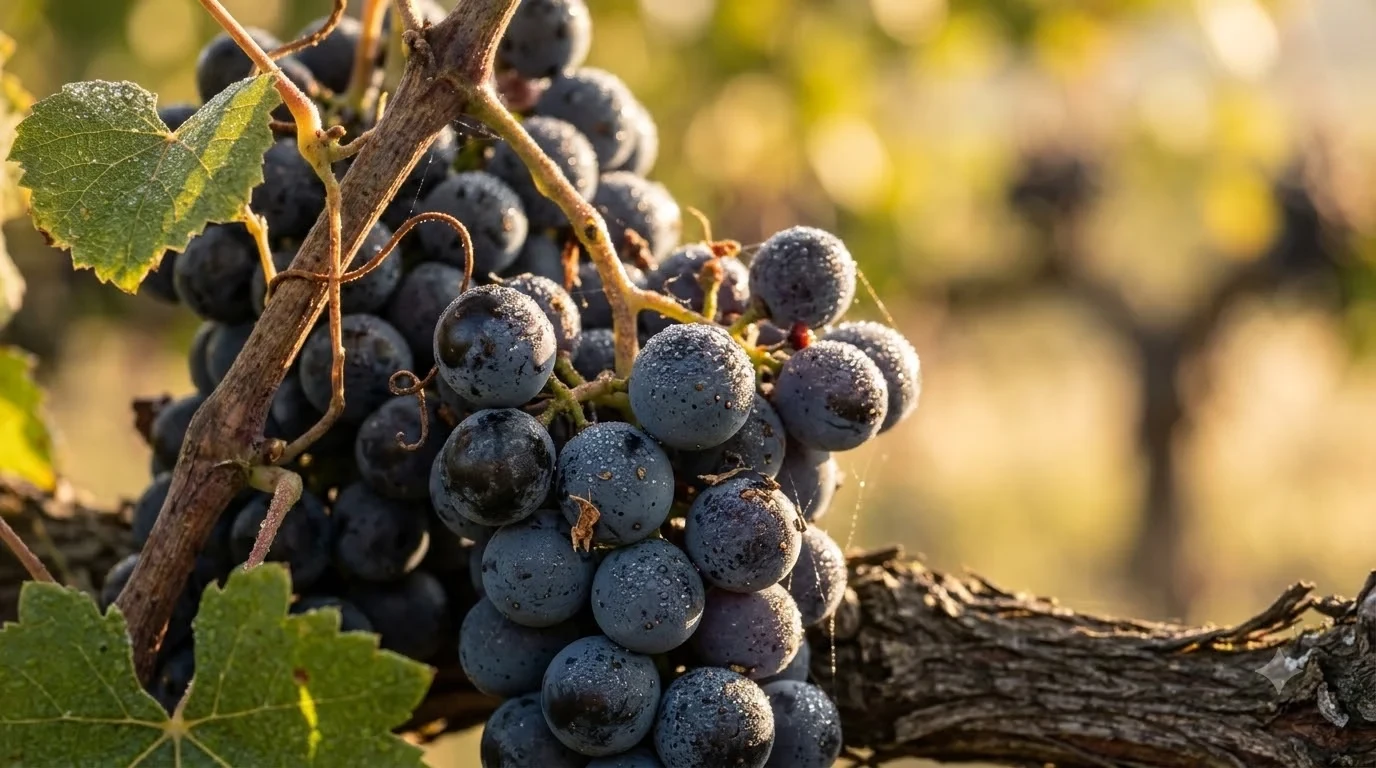
Foxen wine comes from Foxen Vineyard & Winery on Foxen Canyon Road in Santa Maria, California, and the lineup centers on Pinot Noir, Chardonnay, Merlot, and a sparkling wine made from Chenin Blanc. The winery also offers rosés, other whites, and large-format bottles. Most of its fruit is tied to named vineyard sites in Santa Barbara County, which is why the bottles on the shelf can taste noticeably different from one another.
This guide explains what the Foxen label is known for, which grapes show up most often, how the bottles are usually served, and how to pick the right one for a dinner, a gift, or an ordinary weeknight. It is written for American shoppers who have seen the name on a restaurant list or a store shelf and want a clear picture before buying.
Who Makes Foxen Wine
Foxen is a small winery in Santa Barbara County that works with a set of individual vineyards rather than one estate block. The winery’s own website lists its address as 7600 Foxen Canyon Road in Santa Maria and names the vineyards that supply its fruit, including Tinaquaic, Vogelzang, Ernesto Wickenden, and Bien Nacido. Those names matter because a bottle labeled with a vineyard name tells you where the grapes were grown, and the site is the reference point for that information.
The winery describes its approach as sustainable farming paired with careful handling of the fruit in the cellar. The producer’s website does not list alcohol percentages or tasting notes for each bottle on its main pages, so for exact numbers on a specific vintage, check the back label or the product sheet on the winery’s site. You can read the producer’s own account of the estate at the Foxen Vineyard & Winery website.
The Main Grapes and Styles
Foxen’s portfolio is built around a few grapes that suit the cool coastal climate of Santa Barbara County. Pinot Noir is the grape most people associate with the region, and it tends to show red cherry, forest floor, and a silky texture when it is made with restraint. Merlot fills out the red side of the list and usually feels rounder and more fruit-forward than Pinot Noir.
On the white side, Chardonnay is the anchor. Cool-climate Chardonnay from this part of California generally leans toward citrus, green apple, and a mineral edge, though oak treatment changes the result a great deal. The sparkling wine made from Chenin Blanc gives the lineup a lighter option that works well before a meal. Rosé and large-format bottles round out the range for buyers who want something for a crowd.
If you are deciding between two bottles, the difference usually comes down to body. Pinot Noir and sparkling wine sit on the lighter end, while Merlot and oaked Chardonnay carry more weight on the palate. Matching that weight to the food is the simplest way to avoid a wine that feels either thin or heavy at the table.
How to Serve Foxen Wine
Serving temperature changes how the wine tastes more than most people expect. Red wines such as Pinot Noir and Merlot are generally better a little cooler than room temperature, often in the range of 55 to 65 degrees Fahrenheit, because warmth can make them taste flat and alcoholic. Chardonnay and sparkling wine show their balance when they are well chilled, but not so cold that the aromas disappear.
Glassware is a smaller factor, but it helps. A medium bowl with a tapered rim concentrates the aromas of Pinot Noir, and a standard white wine glass works for Chardonnay. Sparkling wine is usually best in a flute or a tulip glass so the bubbles last longer. Opening a red 30 minutes before pouring gives it time to open up, and an uncorked bottle of white or sparkling wine should be finished within a day or two.
Tip: Pour a small amount first and wait a minute. Many wines change as they warm slightly in the glass, and that is the moment the fruit and acidity are easiest to judge.
Food Pairings That Work
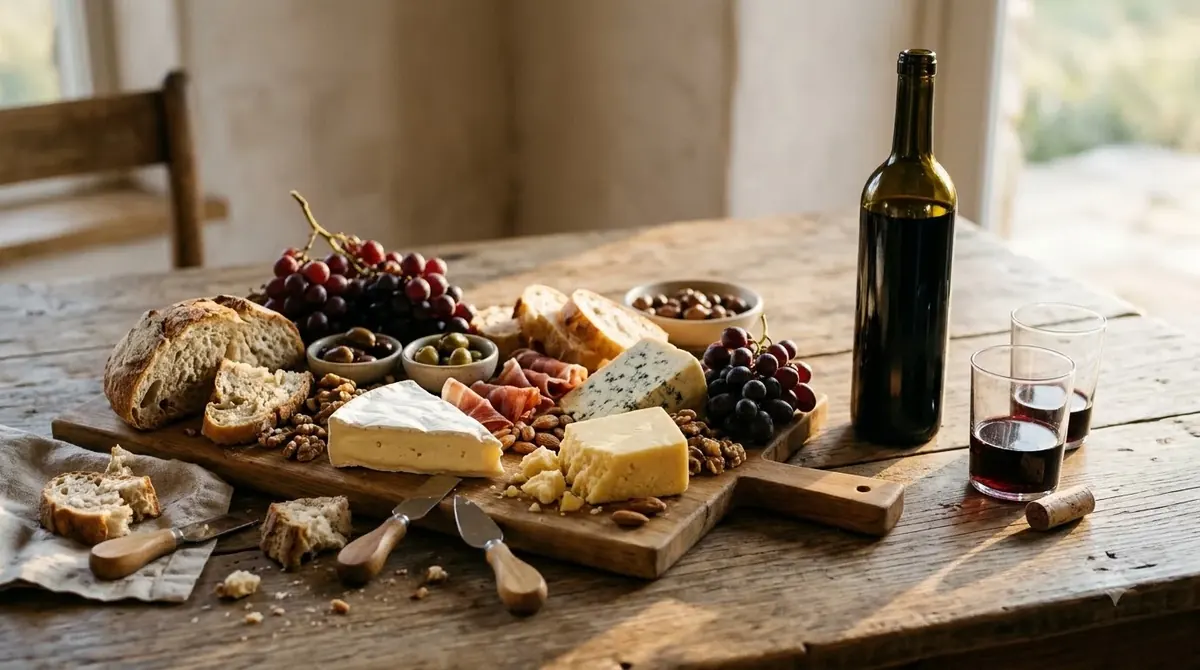
Foxen’s Pinot Noir is one of the most flexible reds for food. It goes well with salmon, roast chicken, mushroom dishes, and grilled vegetables. Its acidity cuts through rich sauces without overwhelming the plate. Merlot pairs with roast beef, lamb, and aged cheeses, where its softer tannins sit comfortably beside the meat. Readers who want to compare a different red with a similar weight can look at Antinori red wine.
The Chardonnay suits creamy pastas, roasted fish, and dishes with butter or herbs. An unoaked style is better with shellfish and salads, and an oaked style can handle roast pork or chicken with a golden crust. For a lighter white to set beside it, Aveleda wine is another option to compare. Sparkling wine is a natural match for fried foods, salty snacks, and soft cheeses, and it is a good choice when the menu includes a range of flavors that would clash with a still wine.
| Style | Typical character | Good with | Serve at |
|---|---|---|---|
| Pinot Noir | Red cherry, earth, silky texture | Salmon, roast chicken, mushrooms | Slightly cool, 55 to 65 F |
| Merlot | Plum, dark fruit, soft tannin | Roast beef, lamb, aged cheese | Slightly cool, 60 to 65 F |
| Chardonnay | Citrus or apple, oak in some bottlings | Creamy pasta, roast fish | Chilled, 45 to 50 F |
| Chenin Blanc sparkling | Pear, citrus, fine bubbles | Fried snacks, soft cheese | Well chilled, 40 to 45 F |
How to Choose a Bottle
Start with the occasion. For a dinner built around fish or poultry, Pinot Noir or an unoaked Chardonnay is a safe choice. For a heavier meal, Merlot or an oaked Chardonnay gives the table something to hold onto. For a celebration or a casual afternoon, the sparkling wine is usually the easiest to share.
Next, look at the label. A vineyard name on the front tells you the grapes came from a specific site, and that detail is often the best guide to flavor. Read the back label for the grape and the vintage, and check the winery’s own product information for the alcohol level, because the figure is not always listed the same way on every bottle. If you are comparing Foxen with a similar regional wine, the wine brands section on this site groups producers by their overall style so you can see where a label fits.
Finally, think about how you will drink the bottle. A wine you plan to finish over one dinner can be a little more expressive. A bottle you want to keep for a few days should be a style that holds up after opening, which in practice means sparkling wine should be finished quickly and a red can sit longer than a white.
Frequently Asked Questions
Is Foxen wine a Pinot Noir or a Chardonnay producer?
Both. Pinot Noir and Chardonnay are among the core grapes listed on the winery’s site, and the lineup also includes Merlot, a sparkling Chenin Blanc, rosés, and other whites.
Where are the grapes for Foxen wine grown?
The winery sources from several named vineyards in Santa Barbara County, including Tinaquaic, Vogelzang, Ernesto Wickenden, and Bien Nacido. The label or the winery site will tell you which vineyard a specific bottle comes from.
Should Foxen red wine be chilled before serving?
Lightly, yes. Pinot Noir and Merlot are usually best slightly below room temperature, around 55 to 65 degrees Fahrenheit, so the fruit stays fresh and the alcohol does not feel hot.
How long does an opened bottle of Foxen wine keep?
Red wines usually keep for a few days when recorked and refrigerated, while white and sparkling wines are best within a day or two. Sparkling wine loses its bubbles faster than still wine, so finish it first.
Foxen is a useful label to know if you want wine that reflects a specific Santa Barbara County site rather than a generic blend. Start with a Pinot Noir or Chardonnay if you are new to the brand, pay attention to the vineyard name on the label, and serve each style at the temperature that suits it. Once you have a favorite, you can explore neighboring producers with a similar approach.
More in Wine Brands
 Underwood Wine Price: Compare Bottles, Cans, and Pack SizesUpdated Nov 21, 2026
 Zenato Wine Price: Compare Styles and Choose the Right BottleUpdated Nov 21, 2026
 Zuccardi Wine Price: Compare Bottles and Find the Right RangeUpdated Nov 21, 2026
 Yellow Tail Moscato Review: Taste, Sweetness and Serving TipsUpdated Nov 21, 2026
 Wolf Blass Yellow Label Review: Choose Your Best StyleUpdated Nov 21, 2026
 Wolffer Estate Rose Review: Choose the Right Bottle for Your TableUpdated Nov 21, 2026