

We may earn a commission when you buy through links on this page, at no extra cost to you. Learn more.
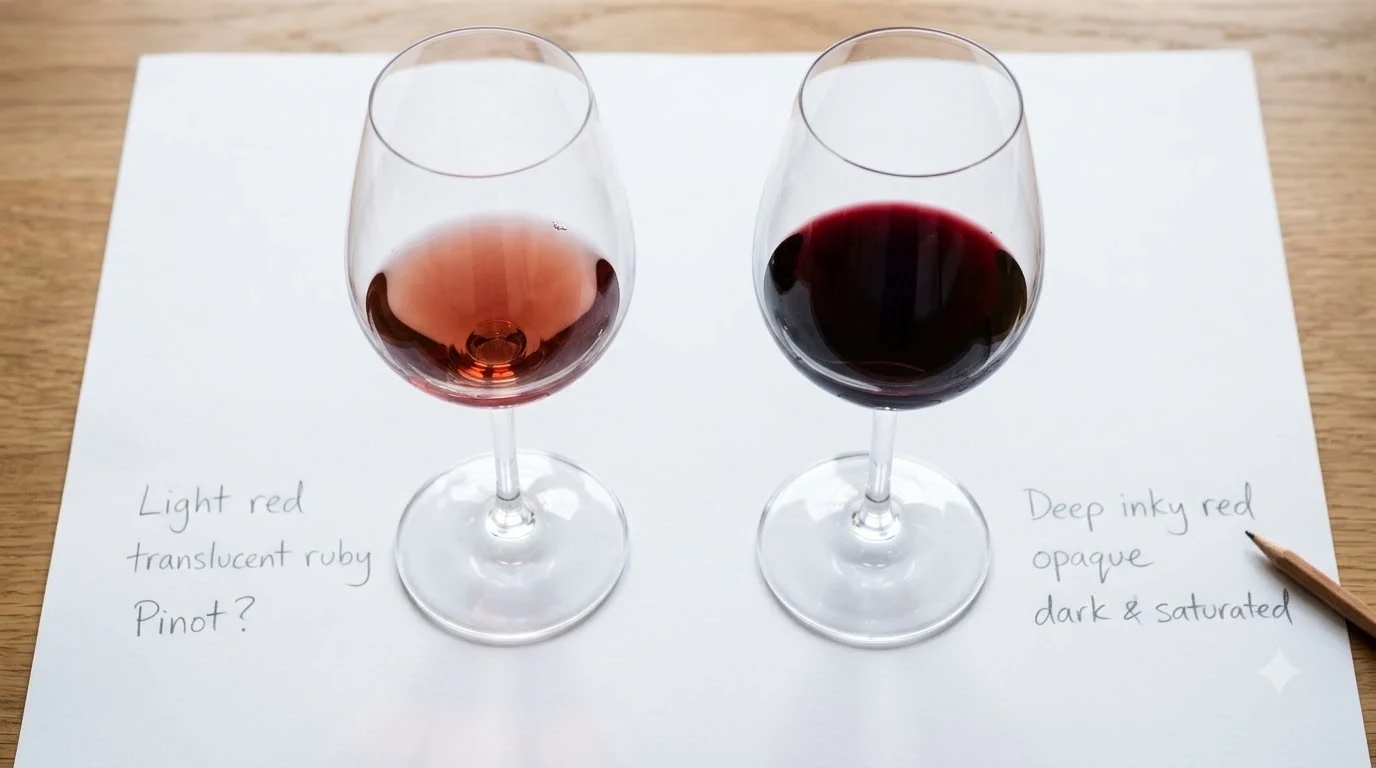
Pinot noir tasting notes usually start with red fruit such as cherry and raspberry, then move toward earth, forest floor and spice as the wine ages. Pinot is a light to medium-bodied red with low tannin and fairly high acidity, and its flavors change noticeably with the climate where the grape is grown. Cooler regions tend to produce earthier, tarter wines, while warmer regions give riper, more fruit-forward bottles.
This guide explains what to look for when you taste pinot noir, how climate and oak change the profile, and what the common descriptors mean on a label or a tasting sheet. It is meant for shoppers who want to read a wine’s notes with more confidence before they buy or open a bottle.
The fruit that defines pinot noir
Red fruit is the first thing most tasters notice. Wine Folly describes the fruit of pinot noir as dominated by red fruits, especially raspberry and cherry, with ripe cherry and raspberry on the palate. Wikipedia adds that young pinot noir typically shows cherries, raspberries and strawberries. The fruit tends to be bright and fresh in young wines, which is part of why the grape is often described as easy to enjoy early.
The fruit does not always stay the same. Its character depends on the vineyard and the vintage, and Wine Folly notes that flavor varies considerably by vintage and location. A cool year may bring out tart cherry, while a warm year can produce riper, sweeter fruit. When you read tasting notes, the fruit names give you a starting point, but the overall balance tells you more about the style.
Earth, forest floor and savory notes
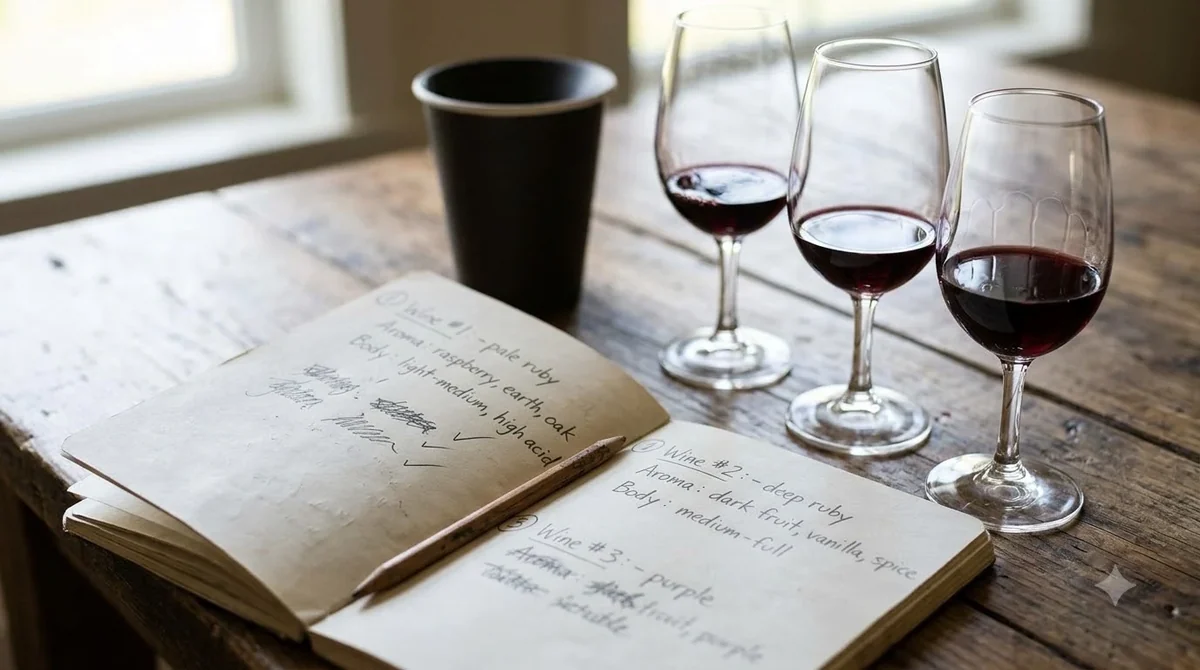
The earthy side of pinot noir is what many people remember after the first sip. Wine Folly lists forest floor, tea leaves and mushroom among the typical earth notes, with leather developing as the wine ages. Wikipedia describes the same pattern, noting that as wine ages it can develop vegetal and barnyard aromas, which add complexity. The traditional red Burgundy is often praised for its savory fleshiness and farmyard aromas, and its forest floor character becomes more noticeable with time.
These notes are not faults. They are part of the grape’s reputation for complexity, and many tasters seek them out. If a bottle shows strong earth or savory notes, that usually means the wine has some age or comes from a cooler, more traditional site, rather than from a fruit-driven new-world style.
| Tasting note | Where you usually find it |
|---|---|
| Raspberry, cherry, strawberry | Young wines from most regions |
| Forest floor, mushroom, tea leaves | Aged wines and cooler, earthier sites |
| Vanilla, smoke, cocoa or coffee | Oak-aged wines, including some Pommard styles |
| Black cherry, black raspberry | Warm, sunny regions such as California |
| Cranberry, Bing cherry, wild thyme | Cool regions such as Oregon and Central Otago |
How oak and climate change the notes
Climate shapes the fruit more than any other single factor. Wine Folly describes cool regions such as Burgundy, New Zealand and Oregon as producing earthier and more tart wines. Oregon examples show cranberry and Bing cherry, while Central Otago wines show wild thyme and a mineral edge. Warm regions like California make bigger, riper wines with black cherry, black raspberry, vanilla, clove and caramel. Baden in Germany is described as full-bodied with baked cherry flavors.
Oak adds another layer. Wine Folly notes that oak-aged wines show vanilla and smoke, and that oak can add spice. Wikipedia mentions oak in Austrian pinot noir, which is mostly aged in French barriques, and in darker German reds that are often barrel aged. The amount of oak and the type of barrel change how much of the fruit shows through.
Tannin, acidity and body
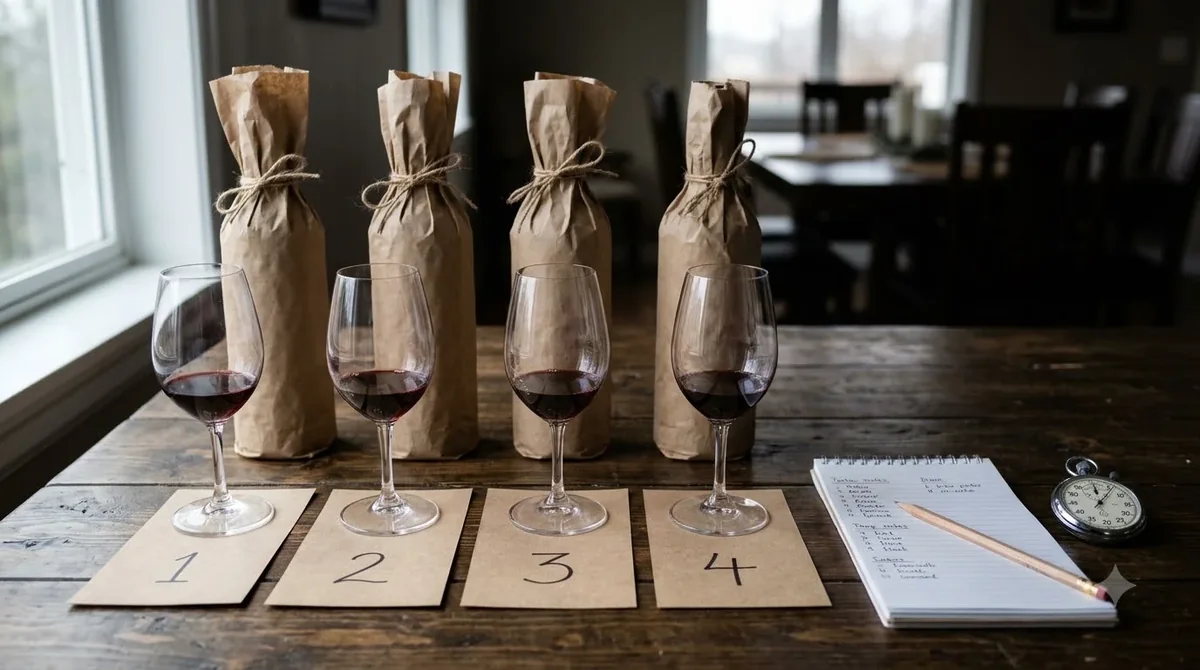
Pinot noir is generally a low-tannin red. Wine Folly gives the tannin as low, attributed to thin skins, and Wikipedia describes the wine as light in tannin. That is why pinot is often recommended to people who find heavy reds too drying. The acidity is medium to high, which keeps the wine fresh and gives it lift on the palate.
Body is usually light to medium. Wine Folly lists typical alcohol at 12 to 14% ABV, and Wikipedia notes a trend toward wines around 12% alcohol by volume, especially in lighter styles. When you read a tasting note that calls a pinot silky or lean, it is usually describing that balance of fruit, acidity and modest structure.
Tip: Tannin is low in pinot noir, so a note that describes a wine as firm or grippy is a sign that the producer has taken a more structured approach, or that the bottle is from a region where the tannin is more pronounced.
How to read a tasting note
A tasting note usually lists fruit, earth and oak in that order, followed by a comment on structure. Start with the fruit to judge the style. Bright cherry and raspberry suggest a younger, fresher wine, while black fruit suggests a riper, more concentrated one. Next look at the earth and spice notes, which tell you how much age or complexity to expect.
Then check the acidity and tannin comments. Pinot’s natural acidity is one of its strengths, and a note that calls the wine fresh or lively describes what you will feel on the palate. If the note mentions oak, consider how much of the fruit might be covered by vanilla or smoke. These steps turn a list of descriptors into a clear picture of the wine.
Serving pinot noir to bring out the notes
Serving temperature changes how the fruit and earth come across. Wine Folly suggests serving pinot noir at 55 to 60°F (12 to 15°C), slightly cooler than room temperature. In that range the fruit stays bright and the acidity stays lively, while the earthy notes remain present without dominating.
Decanting can help young bottles open up. Wine Folly suggests about 30 minutes for many young wines. A glass with a wide bowl, often called an aroma collector glass, lets the fruit and earth gather for easier tasting. Older pinots can show their best character after a short decant, though very old bottles should be opened with care.
Frequently Asked Questions
What are the most common pinot noir tasting notes?
Red fruit such as cherry and raspberry is the most common note. Earth, forest floor, mushroom and tea leaves often appear too, especially in older or cooler-climate wines.
Is pinot noir a high-tannin wine?
No. Pinot noir is generally low in tannin, with fairly high acidity. That combination gives it a light, fresh feel compared with bold reds such as cabernet.
Why do pinot noirs taste different from different regions?
Climate changes the fruit. Cool regions tend to produce earthy, tart wines, while warm regions make riper, more fruit-forward bottles with vanilla and spice from oak.
How should pinot noir be served?
Wine Folly suggests serving it around 55 to 60°F (12 to 15°C), slightly cooler than room temperature. A short decant can help young bottles show more of their character.
Pinot noir rewards a careful reading of its notes, because the fruit, earth and oak together tell you the style before you open the bottle. For more on serving the wine, see how to serve pinot noir, and for a white with a similarly clear profile, compare with sauvignon blanc tasting notes. The wine by type guide is a good place to see how pinot noir compares with other reds, and Wine Folly’s pinot noir grape guide gives more detail on the style.
More in Wine Types & Grapes
 Zinfandel Sugar Content: Dry Red vs. White Zinfandel GramsUpdated Nov 21, 2026
 Best Zinfandel Substitute Options for Sipping and CookingUpdated Nov 21, 2026
 Zweigelt Food Pairing: Best Dishes, Cheeses, and Serving TipsUpdated Nov 21, 2026
 Zinfandel Tannins Explained: How Structure Shapes Every BottleUpdated Nov 21, 2026
 Zinfandel Sweetness Level: Dry Red vs. Sweet White Zin ExplainedUpdated Nov 21, 2026
 Xinomavro Food Pairing: Best Dishes, Styles, and Serving TipsUpdated Nov 21, 2026