

We may earn a commission when you buy through links on this page, at no extra cost to you. Learn more.
Marechal Foch wine comes from a French-American hybrid grape that was bred in the early twentieth century and is valued for its cold hardiness and disease resistance. The grape makes wines that range from light, Beaujolais-like reds to deep, extracted bottles with strong acidity. It is grown most widely in North America, especially in cooler regions where many classic vinifera grapes struggle.
This guide explains where the marechal foch grape came from, what the wine tastes like, where it is grown today, and how to serve and pair it. It is written for shoppers who see the name on a wine list or in a store and want to know what to expect before they buy.
Where the grape came from
Marechal Foch was developed at the Oberlin Institute in Colmar, Alsace, in the early twentieth century. The breeding work was part of a wider effort to produce vines that could survive the cold and disease pressure found in parts of Europe and North America, a goal that shaped many French-American hybrids of that period.
According to Wikipedia, it was first known as Kuhlmann 188-2, after Eugene Kuhlmann, the breeder behind it. The grape reached the United States in 1946 and was renamed to honor Marshal Ferdinand Foch, a French commander of the First World War.
Its parentage is not fully settled. Some sources propose a cross involving Goldriesling and a Vitis riparia by Vitis rupestris hybrid, while others suggest that Oberlin 595 may be part of the pedigree. That uncertainty is common among French-American hybrids, which were bred to combine the hardiness of North American vines with the quality of European grapes.
Why growers choose this hybrid
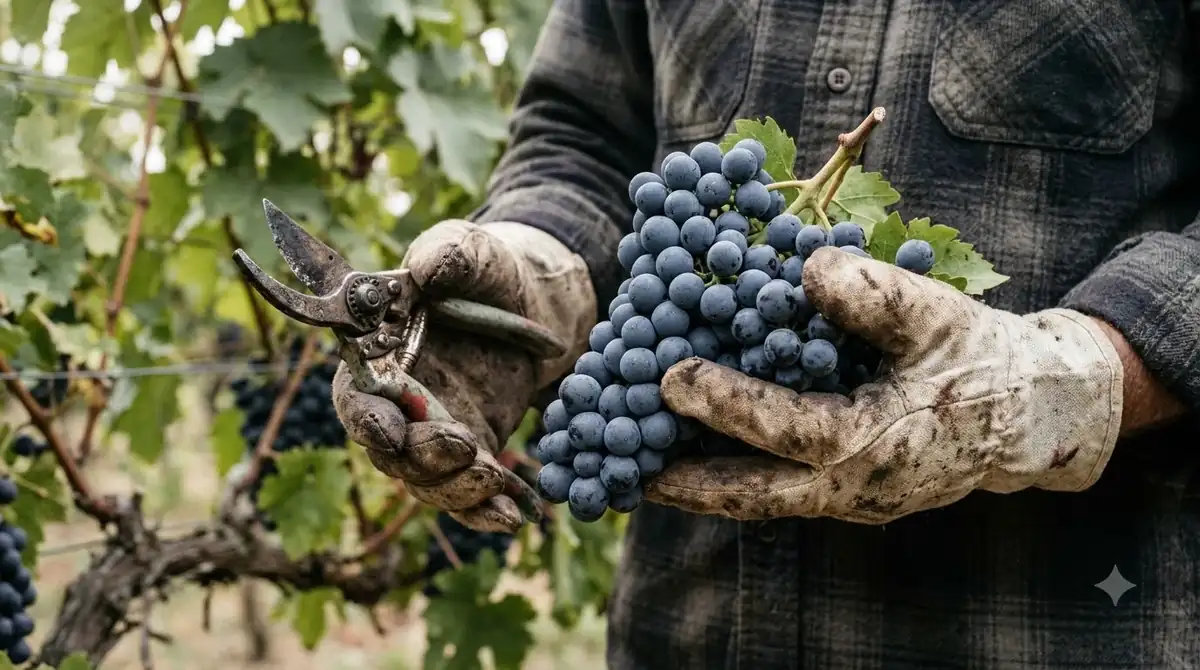
The main reason Marechal Foch is planted is its hardiness. Wikipedia describes it as cold-hardy and resistant to fungal diseases, and says that it ripens early. That combination matters in regions where winter temperatures can damage tender vines and where wet weather can encourage mildew and rot. Growers in those regions have often relied on hybrids like this one to produce a dependable crop. A grape that ripens early also gives a longer window before autumn weather arrives, which can matter a great deal in a short growing season. For vineyards with limited protection and modest labor, a reliable harvest is often worth more than the highest-end style.
The grape does have drawbacks. Its berries are small, which makes it more vulnerable to bird damage at harvest. Growers have to plan for that, often with netting, and they may need to pick at the right time to keep the crop intact.
| Trait | What it means for growers |
|---|---|
| Cold hardiness | Can survive harsh winters where many vinifera vines would be lost |
| Disease resistance | Less exposed to common fungal problems in damp seasons |
| Early ripening | Can reach harvest sooner than many later-ripening varieties |
| Small berries | Attractive to birds, so protection is often needed |
Where the grape is grown today
Marechal Foch was once common in the Loire Valley in France. According to Wikipedia, it now covers only a few hectares in Europe, where EU rules limit commercial wine production from it. Its main home is North America. Wikipedia lists plantings in southern Ontario, Quebec, Nova Scotia, the eastern United States, Minnesota, Ohio, Colorado, Oregon’s Willamette Valley, Montana and British Columbia’s Okanagan and Comox Valleys.
Canadian plantings fell after an early-1980s vine-pull program that promoted vinifera cultivars, so the grape’s acreage has shifted over time. Where it remains in production, it is valued by growers who want a red wine they can grow reliably in a cold climate.
What the wine tastes like
The wine’s style depends heavily on how it is made. Wikipedia notes that Marechal Foch can produce everything from light, Beaujolais-like reds to deeply colored, extracted wines, and even port-style fortified wines. The lighter versions are fresh and easy to drink, while the richer ones have more body and tannin.
Typical flavor notes include black fruit, strong acidity and sometimes toasted wheat, mocha, coffee, bitter chocolate, vanilla or musk. Darker versions may have a gamey nose. Wikipedia adds that quality depends heavily on vine age, and that highly extracted wines from old vines are treated as a niche product rather than a standard style.
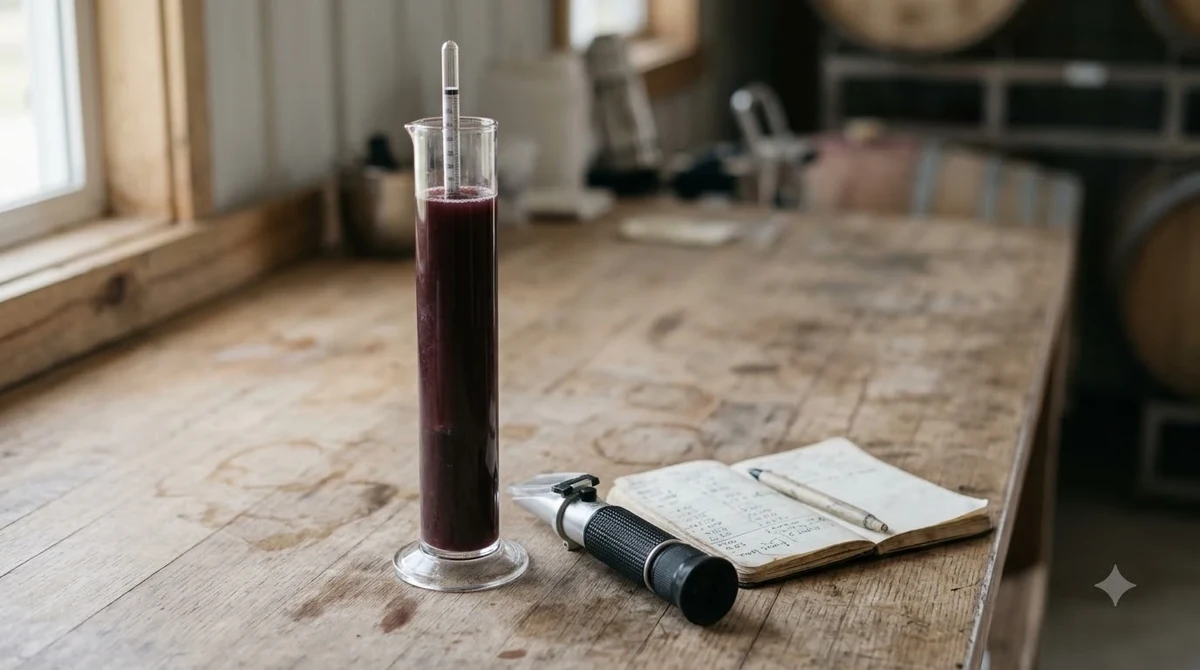
Winemaking decisions shape the bottle as much as the vineyard does. A producer who keeps the skins in contact with the juice for longer will draw more color and tannin, which is how the extracted, dark style is made. A producer who presses earlier and ferments at cooler temperatures will usually end up with a lighter, more fruit-led wine. Oak aging adds another layer, bringing vanilla and spice that can sit well beside the grape’s dark fruit. None of these choices changes the grape’s basic character, but together they explain why two bottles of the same variety can taste so different.
Tip: When a label does not say how the wine was made, the color and body can hint at the style. A deep, dark bottle is more likely to be extracted and full-bodied, while a paler one is usually lighter and fresher.
How to serve and pair Marechal Foch
Because the wine’s style varies so much, serving advice depends on the bottle. Lighter, fruit-forward versions can be served slightly cool, which keeps the acidity lively and makes the fruit stand out. Fuller, extracted versions do better slightly warmer, so the tannin and dark-fruit flavors open up rather than feeling sharp.
The acidity is the key to food pairing. Strong acidity can cut through rich, fatty foods, so roasted poultry, pork with fruit sauces, and mushroom dishes are reliable matches. The coffee and chocolate notes in darker versions also work with grilled meats and with desserts that use cocoa.
Glassware matters less than the wine itself, but a glass with a generous bowl lets the aromas gather. A short decant can soften the edges of a dark, extracted bottle, though lighter styles rarely need it.
How to choose a bottle
Start with the region, since the producer’s location is often the best guide to style. Bottles from cooler areas in North America tend to show fresher fruit and more acidity, while warmer-region bottles may be richer and more concentrated. Check the back label for notes on oak aging, which can add vanilla and spice to the finished wine.
If you are new to the grape, a lighter bottle is a practical first choice. It shows the fruit and acidity clearly and is easy to pair with everyday meals. Once you know the style you like, a richer, extracted bottle can show how far the grape can go. Shoppers who enjoy the dark fruit and firm structure may also want to compare it with bobal wine, another deep-colored red that shows how a single variety can change with the winemaker’s choices.
Frequently Asked Questions
Is marechal foch a European grape?
It was bred in France, but it is a French-American hybrid rather than a traditional European vinifera grape. Today it is grown mostly in North America, because EU rules limit its commercial use in Europe.
What does marechal foch wine taste like?
Flavors often include black fruit and strong acidity, with sometimes toasted, mocha or bitter chocolate notes in darker versions. Lighter styles are fresh and fruity, while extracted ones are fuller and more tannic.
Is marechal foch a dry wine?
Most bottles are dry red wines. Wikipedia also notes port-style fortified versions, which are sweeter and higher in alcohol.
What food goes with marechal foch?
Its acidity works well with roasted poultry, pork with fruit sauces and mushroom dishes. Darker, richer bottles can also match grilled meats and cocoa-based desserts.
Marechal Foch is a grape with a practical history and a style that depends on how the winemaker handles it. For a broader view of red styles, the wine by type guide shows how this grape compares with other varieties, and the background on its breeding is covered in more detail on the Wikipedia page for the grape.
More in Wine Types & Grapes
 Zinfandel Sugar Content: Dry Red vs. White Zinfandel GramsUpdated Nov 21, 2026
 Best Zinfandel Substitute Options for Sipping and CookingUpdated Nov 21, 2026
 Zweigelt Food Pairing: Best Dishes, Cheeses, and Serving TipsUpdated Nov 21, 2026
 Zinfandel Tannins Explained: How Structure Shapes Every BottleUpdated Nov 21, 2026
 Zinfandel Sweetness Level: Dry Red vs. Sweet White Zin ExplainedUpdated Nov 21, 2026
 Xinomavro Food Pairing: Best Dishes, Styles, and Serving TipsUpdated Nov 21, 2026