

We may earn a commission when you buy through links on this page, at no extra cost to you. Learn more.
Why do wine glasses have stems? The stem keeps your hand off the bowl, so body heat does not warm the wine, and it gives you a clean handle for swirling. Those two practical jobs explain most of the design. Decoration plays a small part, and the bowl shape matters less than many older guides suggest.
Most people pick up a wine glass without thinking about the shape, but the stem is the result of a few simple decisions. This guide explains what the stem does, why it changes the way a wine tastes in the first few minutes, where the bowl still matters, and how serving temperature decides whether the stem is worth using. If you are choosing glasses for everyday meals or for a dinner party, the same logic tells you when a stemless design is a reasonable substitute.
What the stem actually does
The stem is a handle placed between the bowl and the foot. You hold the glass by it instead of wrapping your hand around the widest part. That one choice solves two problems at once: the bowl stays clean, and the wine stays where it was poured. A glass without a stem asks you to grip the bowl itself, which is a different experience and a different result.
The stem also gives the glass a stable base. A stemmed glass stands on a foot that is usually wider than the stem, so it resists tipping on a crowded table. Wine glasses are thin and light, so that stability matters more than it first appears, especially when someone is reaching across the table for the salt.
Keeping the wine at the right temperature
Holding a bowl warms the wine. Hand heat moves through thin glass into the liquid, and the effect is larger than many people expect. According to VinePair’s wine glass guide, the stem makes sure your hand does not touch the bulb of the glass, which would warm the wine. Warm wine tends to lose some of its freshness, and alcohol can become more noticeable on the palate as the temperature climbs.
The effect matters only if the wine started at the right temperature. A very cold white can benefit from a few seconds of bowl-holding, while a red served at the cool end of its range should stay on the stem. The stem gives you control over that small adjustment, and that control is why the stem matters at the table. If you are curious about how professionals handle this during service, the guide on what does a sommelier do covers the daily routine.
Glass material also plays a role. A thin rim and a light bowl let the wine follow the temperature of the room more quickly, which is why many people prefer thin crystal for whites and sparkling wines. The stem works with that thinness, not against it, because it keeps the hand at a distance while the liquid settles.
Swirling, aroma and why the stem helps
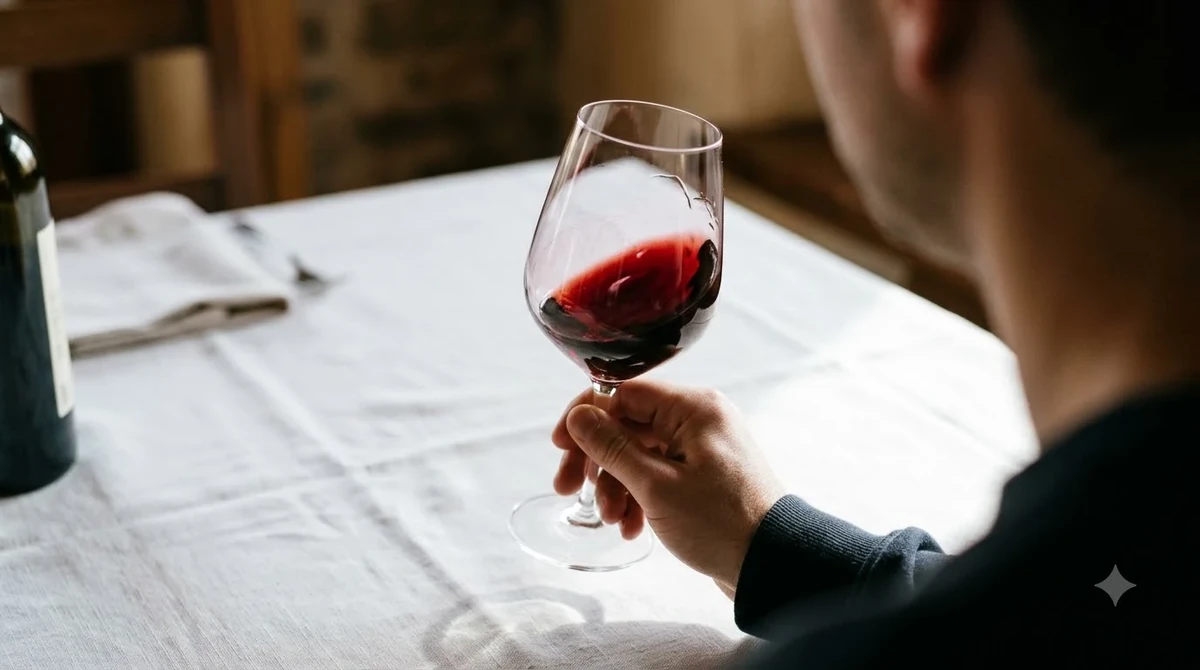
Swirling a glass draws oxygen into the wine and lifts its aromas toward your nose. A stem makes that motion smoother, because you can rotate the glass by its base without shaking the bowl with your palm. Gripping the stem also keeps the bowl free of fingerprints, so the color is easy to judge before the first sip. Clear color is a small detail, but it helps you notice whether a red is still deep or has begun to lighten with age.
Swirling helps some wines more than others. Big reds with firm tannins often open up after a few turns, while light whites may show little change. Sparkling wines are usually poured into flutes and tasted with less swirling, so the stem’s role there is more about temperature and grip than aeration. Whatever the wine, the stem is the easiest tool for the job.
Does the bowl shape really change the taste?
Bowl shape is the part of wine glass design that gets the most attention. Claus Riedel’s marketing argued that each bowl shape helps drinkers pick up particular aromas and directs wine to the best part of the tongue. That claim helped sell a wide range of glasses. VinePair’s wine glass guide rejects it, citing Linda Bartoshuk’s point that the brain does not care where taste arrives in the mouth.
A bowl still has a practical role. A wider bowl gives more contact with air and more room to swirl, while a narrower bowl concentrates aromas near the rim. Those effects are real but modest. A well-made everyday glass does most of the work, and the stem is what keeps that work consistent from one pour to the next.
Serving temperatures by wine type
Temperature is where the stem earns its place. VinePair’s serving temperature guide places sparkling wine in the ice-cold range of about 40 to 50 degrees Fahrenheit, and white and rosé in the cold range of about 45 to 55 degrees. Light-bodied reds sit at about 55 to 60 degrees, and medium to full-bodied reds at about 60 to 65 degrees. A stem helps you keep each wine inside its range for longer.
| Wine style | Suggested serving range | What the stem helps with |
|---|---|---|
| Sparkling | 40 to 50 degrees F | Keeps the chill from slipping away while you talk |
| White and rosé | 45 to 55 degrees F | Holds the cool temperature steady through the glass |
| Light-bodied red | 55 to 60 degrees F | Stops the wine warming quickly from hand contact |
| Medium to full-bodied red | 60 to 65 degrees F | Lets you keep the wine at the warm end without heating the bowl |
Tip: If a white arrives too cold from the fridge, hold the bowl for a few seconds to take the edge off. Once it reaches the right range, move your hand back to the stem.
When a stemless glass makes sense
Stemless glasses are sturdy and easy to store, which is why they show up at casual dinners, pool parties and outdoor picnics. They hold the same wine, but you lose the handle, so your hand ends up on the bowl. For a red that is already at the warm end of its range, that is a small trade. For a chilled white or a sparkling wine, a stem keeps the temperature steadier for longer.
Many households keep a few stemless glasses for everyday use and a smaller set of stemmed glasses for special bottles. That mix covers most situations without asking you to pick one design for everything. Stemless glasses also suit people who knock glasses over often, since the wider base sits low and rarely tips.
Frequently Asked Questions
Do wine glasses really need stems?
No. A stemless glass still holds wine and works for casual drinking. The stem mainly helps keep the wine at the temperature you chose and keeps fingerprints off the bowl, which matters more for whites and sparkling wines than for warm reds.
If the bowl shape matters less, why keep the stem?
The stem and the bowl do different jobs. The stem handles temperature and grip. The bowl affects how much air touches the wine and how aromas gather near the rim. Both matter, but the bowl’s effect on taste is smaller than marketing often suggests, so the stem is the feature that changes the drinking experience most.
Should you hold a red wine by the stem?
Usually, yes. A red served at 60 to 65 degrees Fahrenheit can warm quickly in your hand, so holding the stem keeps it closer to its intended range. Holding the bowl is fine when you want to warm a red that came out of cold storage.
Are long stems better than short ones?
Length matters less than the fact that the stem keeps your hand away from the bowl. Shorter stems are easier to store and less likely to snap, while longer stems give more room for swirling without touching the wine. Choose based on how you drink and where you keep the glasses.
Next time you pour, the stem is doing several jobs at once: keeping the wine at the temperature you chose, giving you a clean grip, and letting you swirl without smudging the bowl. For more basic questions about how wine is served and handled, the Wine Q&A section groups them in one place, and the piece on why do wine bottles have a punt shows how another everyday design detail came about.
More in Wine Basics
 Which Rose Is Best for Your Taste, Budget, and Food PairingsUpdated Nov 21, 2026
 Is Cheap Wine Bad? How to Find Bottles Worth DrinkingUpdated Nov 21, 2026
 What To Write On A Wine Gift Tag: Thoughtful Messages For Every OccasionUpdated Nov 21, 2026
 Which Wine Is Best For Weight Loss? Compare Lower-Calorie ChoicesUpdated Nov 21, 2026
 What Is The Best Wine For Mimosas? Choose Bubbly That Balances Orange JuiceUpdated Nov 20, 2026
 Which Prosecco Is Best for Your Taste and OccasionUpdated Nov 20, 2026