

We may earn a commission when you buy through links on this page, at no extra cost to you. Learn more.
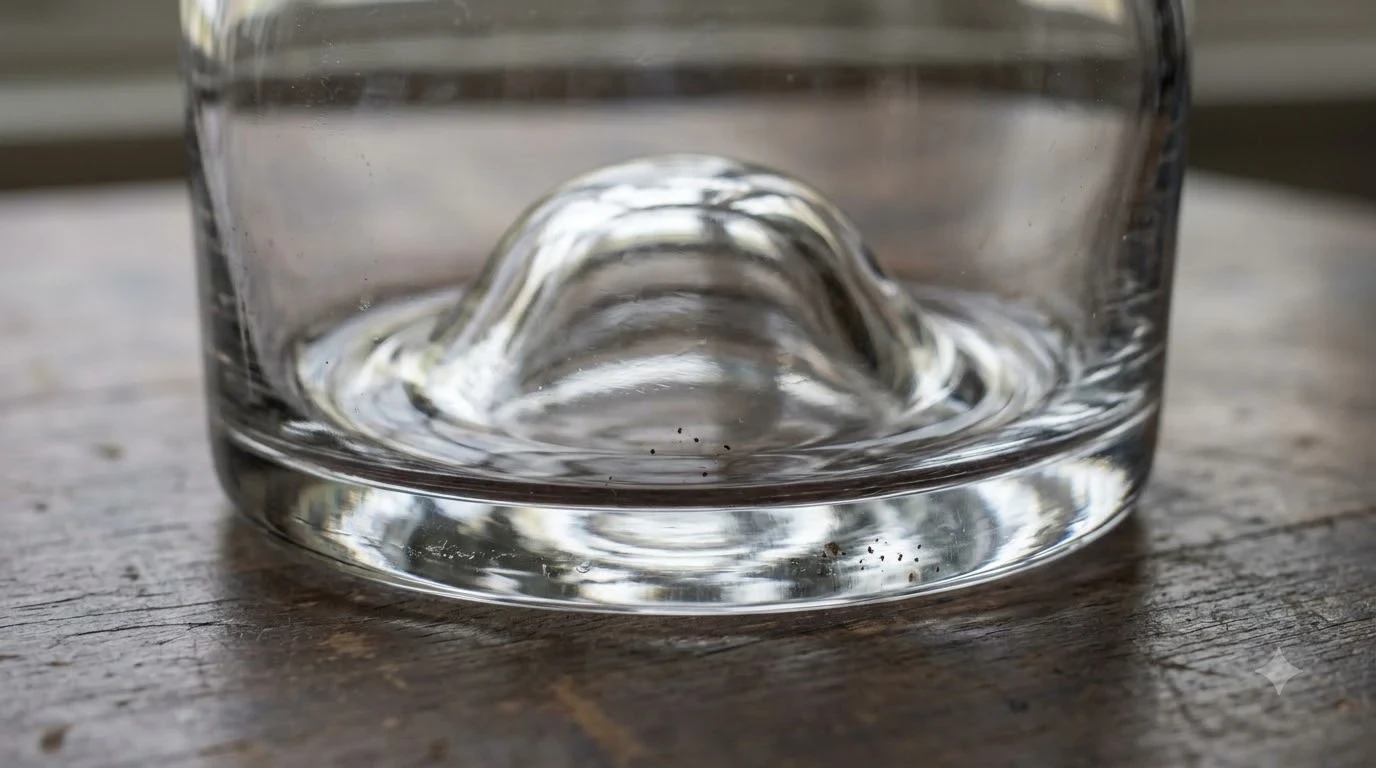
Why do wine bottles have a punt? No single explanation is agreed upon, but the main theories are historical glassmaking, stability, trapping sediment, strengthening the bottle for pressure, and helping workers grip it. The punt is the dimple at the base of a bottle, sometimes called a kick-up, and it is one of the few wine bottle features that people argue about more than they can prove.
Pick up a bottle of wine and turn it over, and you will see a rounded indent pushed into the bottom. It looks deliberate, and it is, but the reason it was first added is not fully documented. Writers on wine and glass have offered several explanations over the years, and some are better supported than others. This guide walks through the main ideas so you can judge them for yourself.
What the punt is and where it comes from
A punt, or kick-up, is the dimple at the base of a wine bottle. The shape is common on bottles of many styles, though it is not universal, and its size and depth vary. Its origin is tied to how glass was made, so the explanation starts there.
The Wikipedia article on wine bottles notes that the punt may be a remnant of free-blown glassmaking. In that process, a glassblower gathers molten glass on a rod, and the rod leaves a mark on the base, called a pontil mark. An indent in the base could hide or soften that mark so it would not scratch surfaces or make the bottle unstable on a table.
The main explanations
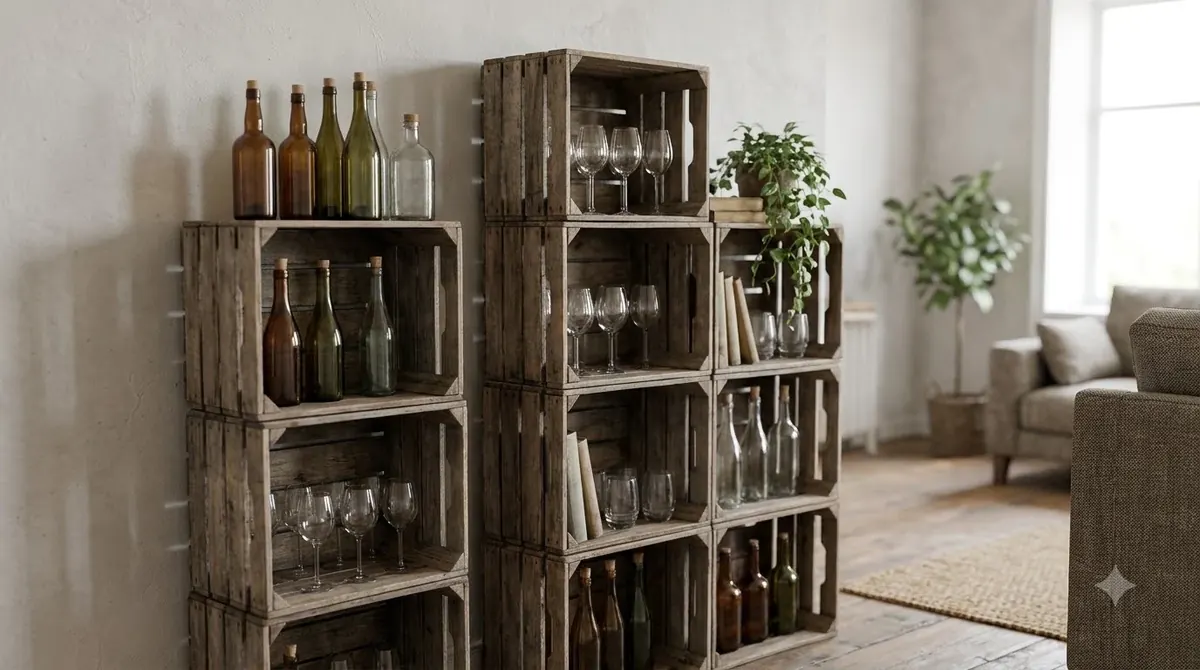
The most common explanations are practical, and several can be true at once. The article lists a range of proposed purposes, though many of them are marked as lacking citations, so treat them as informed possibilities rather than settled facts.
The first is stability. A dimple may make a bottle less likely to tip over than a flat base would, especially when the bottle is set on an uneven surface. The second is sediment. The punt may collect sediment in a ring at the bottom, keeping it out of the glass when the bottle is poured. The article notes that this matters less for modern wines, which are usually filtered and carry less sediment than older ones.
The third is strength. A dimple may help the bottle withstand internal pressure, which is especially important for sparkling wine. Champagne bottles are thick-walled for the same reason, and the punt can add to that structure. The fourth is grip. In champagne production, workers turn bottles by hand during riddling, and the indent may help them hold the bottle securely.
Less convincing explanations
Some explanations are more speculative. A punt uses part of the bottle’s volume, which may make the bottle look larger, and some writers suggest that appearance may have impressed buyers. It may make stacking easier, reduce resonance that could cause breakage in transit, or make the bottle easier to clean. Folklore adds another idea: that a punt stopped bottles from being refilled after a tavern pin had pierced them. None of these is a strong explanation on its own, and some are hard to test.
The honest summary is that the punt probably has several overlapping purposes, and that the design has survived because it does useful work without costing much. A feature can be kept for the reason it started and then continue for other reasons.
How bottle shape ties into the punt
Bottle shape often follows regional tradition, and the punt is one part of that wider design language. Bordeaux and port bottles are straight-sided and high-shouldered, Burgundy and Rhône bottles have sloping shoulders, and Rhine, Mosel, and Alsace bottles are tall and narrow. Each shape signals a region, and the punt sits inside that system.
Some regional shapes are more distinctive. Franconia’s bocksbeutel and the Italian fiasco, a round-bottomed flask in a straw basket, are famous examples. Producers sometimes choose a shape to suggest a style or to stand out on a shelf, and novelty bottles can go even further. For most home buyers, the punt is less a clue to the wine inside than a sign of traditional bottle making.
Sparkling wine is the clearest case where the bottle’s structure matters for function. Champagne bottles are thick-walled to withstand pressure, and the punt helps with that strength. A still wine bottle can be lighter, which is one reason the punt is not needed in every category.
Does the punt change how the wine tastes?
The punt does not change the flavor of the wine. Its role is structural and practical, so a wine poured from a bottle with a punt tastes the same as one from a flat-bottomed bottle with the same contents. Any effect on sediment is about where particles sit in the glass, not how the liquid tastes.
The same is true of the bottle’s shape as a whole. Glass shape can affect how a wine is poured and how it is presented, but the punt itself is not a quality signal. A good wine does not need a punt to be good, and a bottle with one does not guarantee a better result.
It is also worth remembering that many punts were designed for a time when bottles were made one at a time and handled more roughly than today. Modern bottling lines are automated and use standardized glass, so some of the original reasons have less weight now. What remains is a feature that costs little to make and still gives a bottle a stable, recognizable base, which is why it has stayed on so many labels and shelves.
Sommeliers and wine service staff often handle punted bottles every day, and they rely on the base shape when they set a bottle down, pour from it, or hold it during a presentation. Anyone who has watched a careful pour at a restaurant has seen that a steady base matters more than most people notice. For more on the people who handle these bottles professionally, the guide to what a sommelier does explains the role in plain terms.
Frequently Asked Questions
What is the punt in a wine bottle?
The punt is the indented dimple at the base of a wine bottle. It is also called a kick-up, and its exact purpose is debated, though several explanations are commonly given.
Does the punt hold sediment?
One proposed explanation is that the punt collects sediment in a ring at the bottom, keeping it out of the glass. The article notes that this matters less for modern wines, which often carry less sediment.
Are champagne bottles different from other wine bottles at the base?
Champagne bottles are thick-walled to withstand pressure, and the punt can add strength. The shape of a sparkling wine bottle is driven mainly by the need to handle pressure safely.
Does a punt affect the taste of wine?
No. The punt is a bottle feature, not a feature of the liquid. It may affect where sediment sits or how the bottle is held, but it does not change the flavor of the wine.
The punt is a small detail that carries a long history of glassmaking and practical design, and the Wine Q&A section is a good place to read about other everyday wine questions. It is not a guarantee of anything about the wine, but it is a good example of how a bottle’s shape can keep a function long after the original reason is forgotten. For more on the bottle-to-glass side of the table, the guide to why wine glasses have stems covers another design choice with a practical explanation.
More in Wine Basics
 Which Rose Is Best for Your Taste, Budget, and Food PairingsUpdated Nov 21, 2026
 Is Cheap Wine Bad? How to Find Bottles Worth DrinkingUpdated Nov 21, 2026
 What To Write On A Wine Gift Tag: Thoughtful Messages For Every OccasionUpdated Nov 21, 2026
 Which Wine Is Best For Weight Loss? Compare Lower-Calorie ChoicesUpdated Nov 21, 2026
 What Is The Best Wine For Mimosas? Choose Bubbly That Balances Orange JuiceUpdated Nov 20, 2026
 Which Prosecco Is Best for Your Taste and OccasionUpdated Nov 20, 2026