


We may earn a commission when you buy through links on this page, at no extra cost to you. Learn more.
Dry port is a dry-style version of port, the fortified wine from the Douro Valley of northern Portugal, and it is usually a white port. Port is normally sweet, because producers add grape spirit to stop fermentation before all the sugar is turned into alcohol. Dry white port is made by a different sequence, so less sugar remains, and it is often served chilled as an aperitif or with tonic.
This guide explains what dry port is, how it differs from the sweet red port most shoppers know, which styles to look for, and how to serve it. It is written for buyers who see “dry” on a bottle and want to know what it means.
What Makes Port Fortified
Port is a Portuguese fortified wine. According to the Wikipedia article on port, producers add a neutral grape spirit, called aguardente, to stop fermentation early. That leaves residual sugar in the wine and raises the alcohol level. The article gives the typical strength as usually between 19 and 22 percent by volume in its introduction, and 19 to 20 percent in a later section, so the figures vary by style and by source.
Because the spirit is added during fermentation, the wine ends up sweet by default. Dry port is the exception. It is a deliberate change in method rather than a separate grape, which is why the same grape varieties can produce both sweet and dry bottles.

How Dry White Port Is Made
Dry white port follows a different route. According to the Wikipedia article, Taylor introduced a product called “Chip Dry” in 1934. It is a dry white aperitif port in which brandy is added later in fermentation, after more of the sugar has converted to alcohol. The result is a wine that tastes dry and lighter than a sweet port.
The white port category as a whole includes dry, sweet, and extra-sweet styles. The article says young white ports are labeled dry, sweet, or lagrima, the last being the sweetest. So a bottle marked dry is one of the lighter options within the white family, and it can be a good first port for shoppers who find traditional red port too heavy.
| Style | Taste | Typical use |
|---|---|---|
| Dry white port | Dry, light, fresh | Aperitif, mixed drinks |
| Sweet white port | Sweet, lighter than red port | Sipping after a meal |
| Ruby port | Sweet, bright red fruit | Dessert, cheese |
| Tawny port | Sweet or medium-dry, nutty and oxidized | Cheese, nuts, dessert |
How Port Styles Differ
Most red ports are sweet, and the style is set largely by how the wine ages. According to Wine Folly, the commonly seen styles are Ruby and Tawny. Ruby port is aged in a way that keeps its color and fruit, while tawny port is aged longer and develops a golden-brown color and nutty notes. Neither style is dry, so a shopper looking for a dry bottle should look for the word on the label or pick a white port.
The profile of a typical sweet red port is rich. Wine Folly describes it as very sweet and full-bodied, with medium-high tannins and flavors of plum, dried cherry, chocolate, raisin, and cinnamon. That contrast is one reason many people find a dry white port easier to drink before a meal.
How to Serve Dry Port
Serving temperature changes how a port tastes, and the sources differ slightly. Wine Folly recommends serving port at 55 to 60°F (12 to 15°C) in a dessert glass, and it advises against decanting. The Wikipedia article gives 15 to 20°C (59 to 68°F) and notes that white port can be served chilled. For a dry white port, a cooler serve is usually the better choice, since it keeps the wine fresh.
Dry white port works well as an aperitif poured over ice or topped with tonic and a twist of citrus. It also pairs with light appetizers, olives, and nuts. Sweet red port is better with blue cheese, dark chocolate, and fruit-based desserts.
Tip: Once opened, a fortified wine keeps longer than a table wine, but dry white port is best enjoyed within a few weeks of opening. Store it in the fridge with the cork or cap back on.
How to Choose a Bottle
Start with the label. Dry white port will say “dry” on the label, while sweet red port is usually labeled ruby, tawny, or vintage. If you want a cocktail mixer, a dry white port is the most useful choice. If you want a dessert wine, choose a sweet ruby or tawny style.
Also check the alcohol level. Port is stronger than most table wines, so a glass should be smaller than a standard pour of still wine. Pair the bottle with the right food, and you will find that the style is easier to enjoy.
Storing and Opening a Bottle of Dry Port
Opening a bottle of dry port is straightforward, but a few habits keep it tasting fresh. Because port is fortified, it lasts longer than most table wines once opened, though dry white styles are at their best while the fruit is still lively. Plan to enjoy the bottle over a few weeks rather than storing it for months.
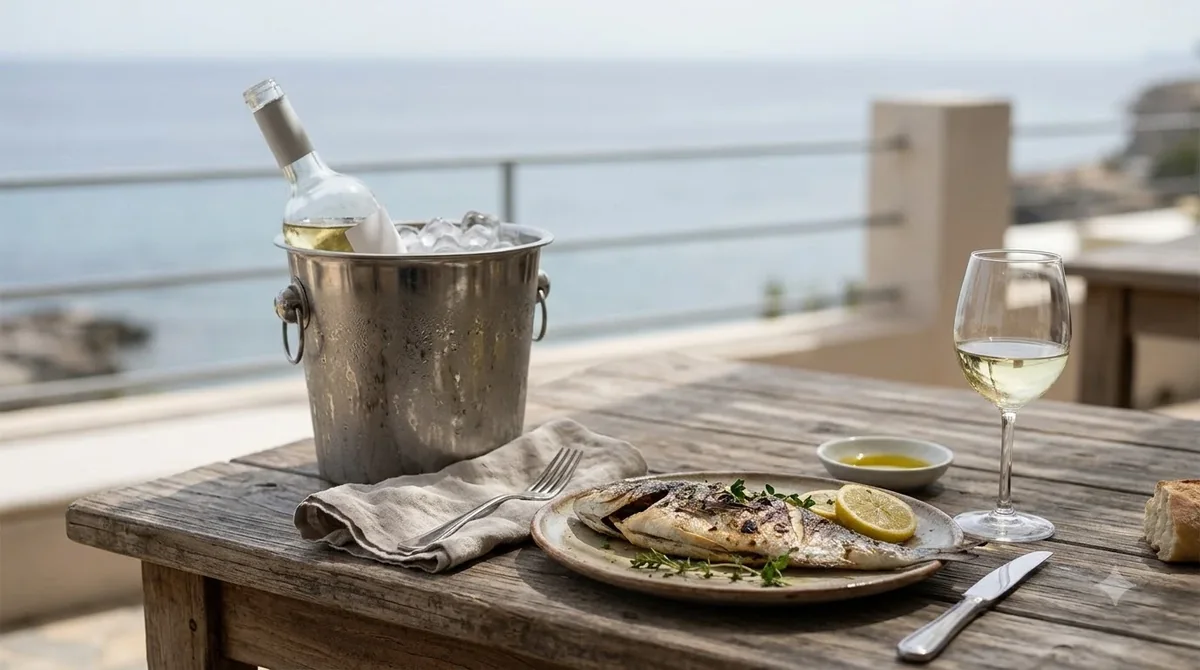
Store unopened bottles upright or on their side in a cool, dark place away from heat and sunlight. Sweet red ports are more forgiving with age, while white styles are usually meant to be drunk young. Check the label for any guidance on cellaring, since the advice differs by style and producer.
After opening, reseal the bottle tightly and keep it in the fridge. Chilling slows oxidation, which dulls the fruit and can make a dry white taste flat over time. Pour small measures, because a fortified wine is stronger than a glass of table wine.
If you plan to use dry white port in cocktails, a bottle opened on a weekend will still work for a couple of weeks of mixing. Use it in a simple spritz or over ice with a slice of citrus, and keep the rest chilled between servings.
For other dry-style wines to compare with dry port, the organic Chardonnay guide covers a dry white that many shoppers already know.
Frequently Asked Questions
What is dry port?
Dry port is a dry-style port, usually a white port, that is made so that less sugar remains in the wine. It is served as an aperitif or in mixed drinks, and it is lighter than sweet red port.
Is dry port the same as dry sherry?
No. Both are fortified wines, but port comes from Portugal’s Douro Valley and sherry from Spain’s Jerez region. Dry port and dry sherry taste different and are made with different methods.
How strong is dry port?
Port is generally stronger than table wine. The Wikipedia article gives a typical range of 19 to 22 percent by volume in its introduction and 19 to 20 percent later. Check the bottle’s label for the exact figure, since it varies by producer.
Should dry port be chilled?
Usually yes, especially for white styles. Serve it cool rather than at room temperature, and keep the open bottle in the fridge.
If you are building a wine shelf with a mix of styles, the wine buying guides cover how to choose by taste and occasion. For other dry-style bottles to compare, see the dry Zinfandel and organic Pinot Grigio guides.
For the full picture on how port is made and styled, read the Wine Folly port guide, which covers serving temperature, flavor, and cellaring.
More in Wine Buying Guides
 Riesling Gift: Choose a Bottle They’ll LoveUpdated Nov 21, 2026
 Sweet Red Wine Gift: Choose a Bottle They’ll LoveUpdated Nov 21, 2026
 Malbec Gift: How to Choose a Memorable Bottle for Any OccasionUpdated Nov 21, 2026
 Sherry Gift Ideas That Match Every Wine LoverUpdated Nov 21, 2026
 Moscato Gift: How to Choose a Sweet Wine They’ll LoveUpdated Nov 21, 2026
 Merlot Gift: How to Choose a Bottle They’ll AppreciateUpdated Nov 21, 2026