

We may earn a commission when you buy through links on this page, at no extra cost to you. Learn more.
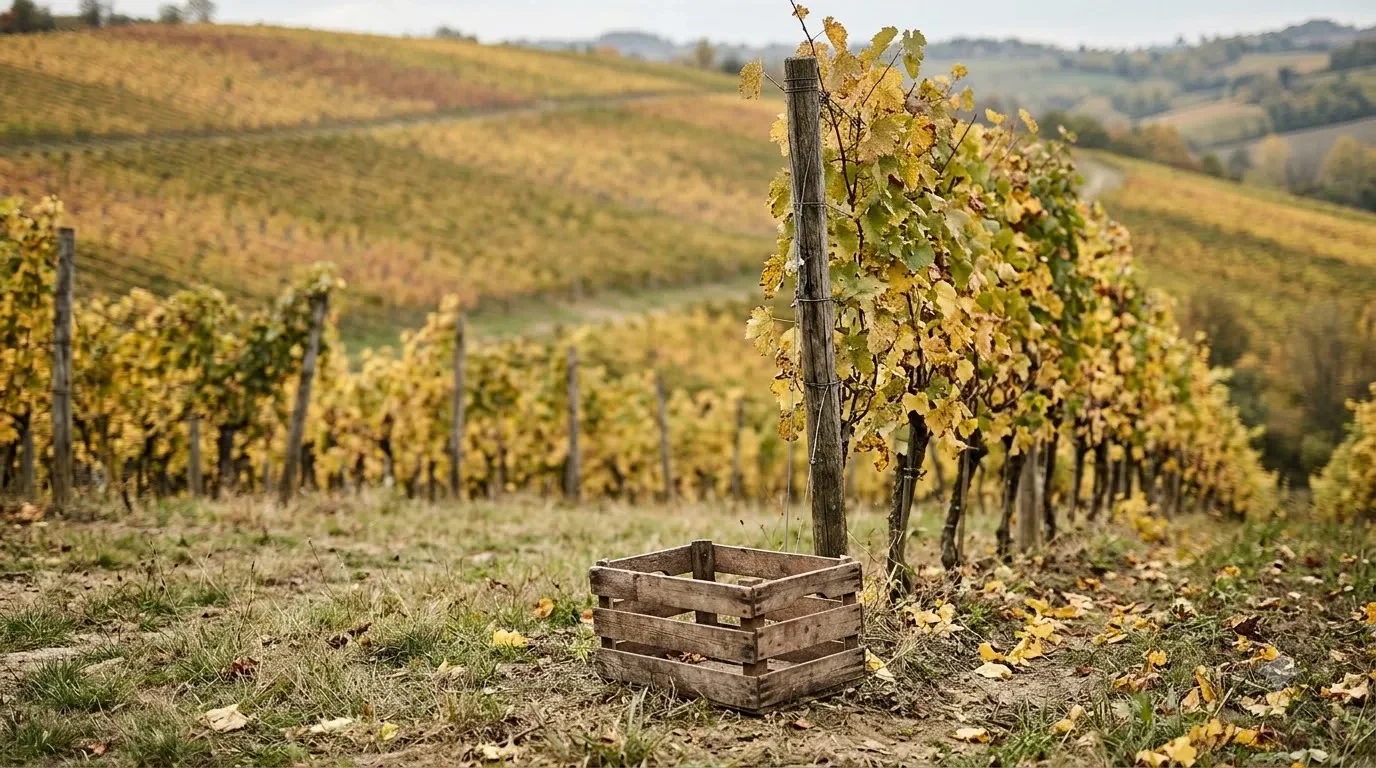
Utah vineyards are concentrated in a few distinct areas, with southern Utah, especially Washington County, holding most of the state’s vinifera plantings. Grapes were first brought to Washington County in 1857, the industry declined around 1900, and production was revived in the late 1970s. Today the state’s vineyards range from desert valleys near Zion to cold northern areas that rely on hybrid vines.
This guide covers how Utah’s wine industry developed, which regions are worth knowing, which grape varieties and styles appear most often, and what to keep in mind when you look for Utah wines or plan a visit to the vineyards.
How Utah’s Wine Industry Began
Wine grapes arrived in Utah in 1857, brought from California to Washington County in the southwest corner of the state. Leaders of the Church of Jesus Christ of Latter-day Saints encouraged viticulture in the years that followed, and Swiss settlers established vineyards around Santa Clara, which eventually covered roughly 1,200 acres.
Wine-making then declined. Around 1900, concerns about lawlessness and alcohol, along with church directives and the temperance movement, reduced production sharply. The industry stayed small for most of the twentieth century until it was revived in the late 1970s, and it has grown steadily since, especially in the south of the state.
The Main Vineyard Regions
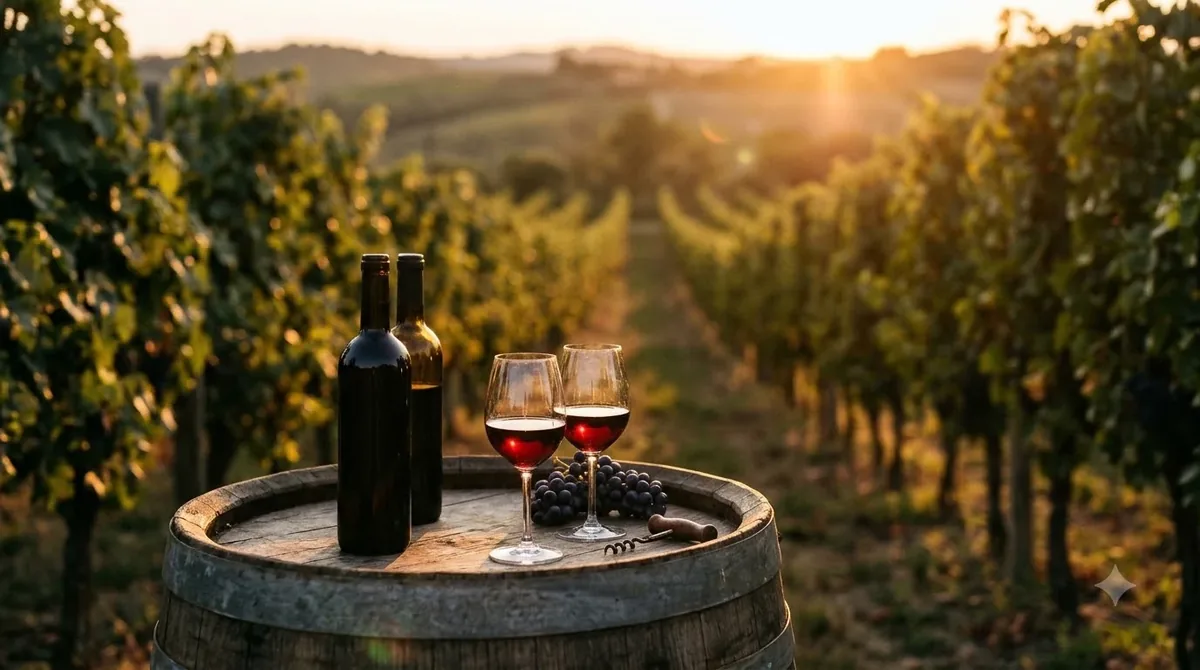
Utah’s vineyards are spread across several areas that differ in climate, elevation and the grapes they suit. Each area has its own character, and the differences matter more than the state’s size would suggest.
| Region | Location | What it is known for |
|---|---|---|
| Castle Valley | Near Moab | Early 1970s plantings struggled with climate, pests and labor shortages; one winery remains |
| Northern Utah | Snowville, Honeyville and Deweyville | Over 200 acres of hybrid vines such as La Crescent, suited to colder winters |
| Cottonwood Canyon | East of Salt Lake City | Small, older vineyards with good results from seyval blanc |
| Southern Utah | Mainly Washington County | The main vinifera area, including Dammeron Valley, Leeds, Hildale and Rockville near Zion National Park |
Southern Utah is the region that most visitors and producers tend to focus on when they plan a trip through the state’s wine country. Its vineyards sit at elevations of about 3,000 to 5,000 feet, and the area had roughly 100 acres planted as of 2024. Dammeron Valley is described as a promising area for Pinot Noir, a variety that is still planted on a small scale in Utah.
The northern and eastern areas are different in character. Their colder winters make hybrid grapes more practical than European vinifera, and the small Cottonwood Canyon vineyards show how older, individual plantings can still produce distinctive fruit near a major city.
Grape Varieties and Wine Styles
Utah’s reds include Cabernet Sauvignon, Merlot, Tempranillo, Sangiovese, Syrah, Malbec, Carignan and Pinot Noir. Descriptions of the state’s reds often emphasize their tannic, full-bodied character, and Utah Cabernet Sauvignon has reached the ultra-premium price tier, which shows how seriously some producers take the variety.
The whites include Chardonnay, Malvasia, Verdejo, Sémillon and Muscat, among others. Large swings between daytime and nighttime temperatures are said to help the whites keep high acidity, and some of them reach high alcohol levels as well. Rosé and orange-style wines, often labeled Ramato, add further variety to the regional list.
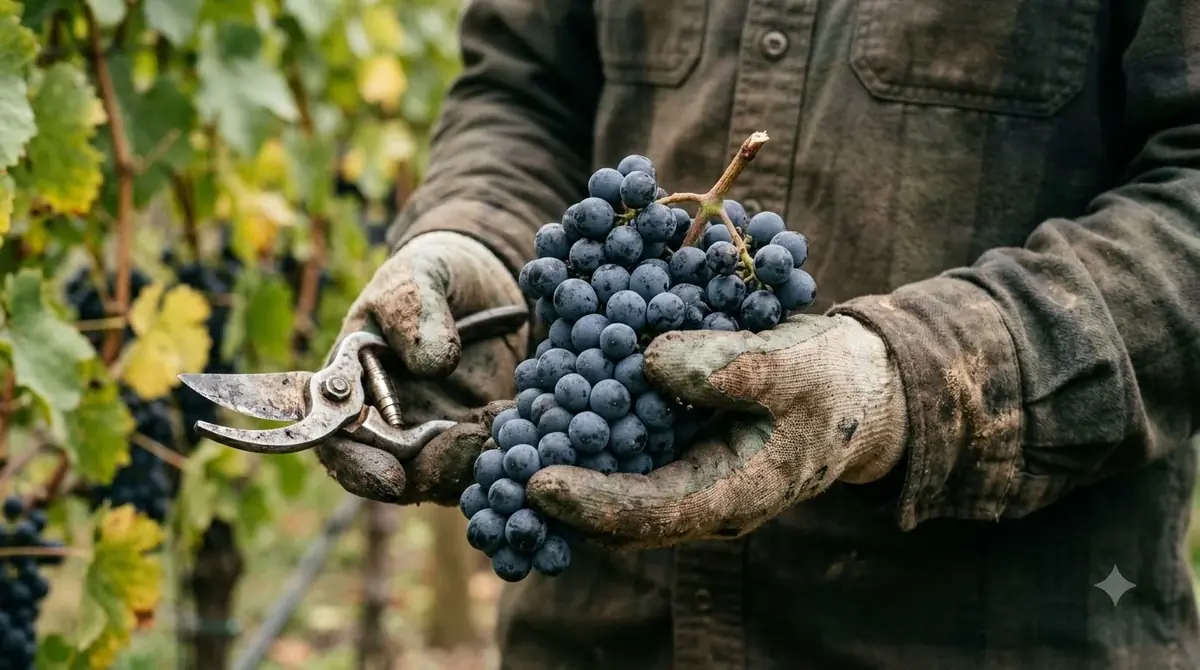
Because the state’s wineries are small and the vineyards spread out, it helps to read each label for the grape, the region and the vintage. A bottle’s regional name tells you more about the wine’s climate than the state name alone.
Visiting Utah’s Vineyards
Visiting a Utah vineyard usually means planning around distance. The southern vineyards are clustered near Washington County’s towns and the routes to Zion National Park, while the northern and Cottonwood Canyon sites are closer to Salt Lake City. Some producers are small family operations, so opening days can be limited, and calling ahead is a sensible step before you travel.
Many visitors combine a winery stop with other parts of the trip. Southern Utah in particular is known for national parks and desert scenery, so a tasting can fit comfortably into a broader itinerary without taking up a whole day.
Tip: Ask which vineyard area each wine comes from and whether the grapes are estate-grown. Small producers often have clear answers, and the replies help you compare wines from different regions.
How to Choose a Utah Wine
Start with the grape and the region. A southern Utah red and a northern Utah wine made from a hybrid variety will taste different, even when they come from the same state. Look at the style on the label, such as dry or sweet, and use the producer’s description as a guide to the wine’s structure.
When you buy, consider how the wine will be served. Reds with firm tannins generally suit a meal, while crisp whites and rosés work well on their own. The producer’s notes usually explain the intended style, which is more useful than comparing one bottle with another from a different area.
Why the Climate Shapes Utah Wine
Utah’s vineyards are shaped by altitude and by sharp daily temperature changes. Southern vineyards sit at elevations of about 3,000 to 5,000 feet, where the air cools noticeably after sunset. That gap between day and night temperatures helps grapes hold acidity, which is one reason producers describe the whites as bright and high in acid.
The climate also brings challenges. The early 1970s plantings in Castle Valley showed how quickly a site can struggle with weather, pests and a shortage of workers. Those early lessons help explain why later growers have tended to favor sites that are well suited to their chosen grapes, and why the northern areas rely on hybrid varieties that handle cold winters better than European vinifera.
For a visitor, the climate is easiest to notice in the wines themselves. Two bottles of the same grape from different areas can show different levels of fruit and acidity, and tasting them side by side is a practical way to understand how altitude and temperature change a wine. Keeping notes on acidity, fruit and tannin during that comparison makes the differences easier to remember later.
Frequently Asked Questions
When did wine-making start in Utah?
Wine grapes arrived in Utah in 1857, brought from California to Washington County. Settlers established vineyards in the years that followed, but production declined around 1900 and was revived in the late 1970s.
Which part of Utah has the most vineyards?
Southern Utah, mainly Washington County, holds most of the state’s vinifera plantings. Northern Utah and the Cottonwood Canyon area have smaller vineyards that focus on cold-hardy hybrid varieties and older plantings.
How many wineries are in Utah?
A count cited in an encyclopedia summary put the number at 11 wineries, based on a 2013 report. That figure is dated, so check current listings before planning a trip.
What grape is Utah known for?
Utah does not have one signature grape. Producers work with a wide range of varieties rather than a single signature variety. Cabernet Sauvignon, Merlot and Pinot Noir appear among the reds, while Chardonnay and Muscat appear among the whites.
Utah’s vineyards show how a small wine industry can grow from a few settlers’ plantings into a varied set of regions. For a broader overview of where wine is grown, the Wine Regions guide places Utah beside other areas. You can also compare the columbia gorge vineyards, the lake erie vineyards and the crete vineyards to see how other regions balance climate, elevation and grape choice. For the history and regional details behind this guide, see the Utah wine entry on Wikipedia.
More in Wine Regions
 Willcox Wine Trail: Discover Arizona’s High-Elevation Wine CountryUpdated Nov 20, 2026
 Yakima Valley Wine Region: Find the Best Styles to TryUpdated Nov 20, 2026
 Vosne Romanee Wine Tasting: Identify Aromas and Choose Better PairingsUpdated Nov 20, 2026
 Yakima Valley Wine Festival: Find the Best Seasonal Wine EventsUpdated Nov 20, 2026
 Wales Vineyards: Discover Cool-Climate Wines and Where to VisitUpdated Nov 20, 2026
 Yountville Wine Festival: Discover Napa Wines and Local FoodUpdated Nov 20, 2026