

We may earn a commission when you buy through links on this page, at no extra cost to you. Learn more.
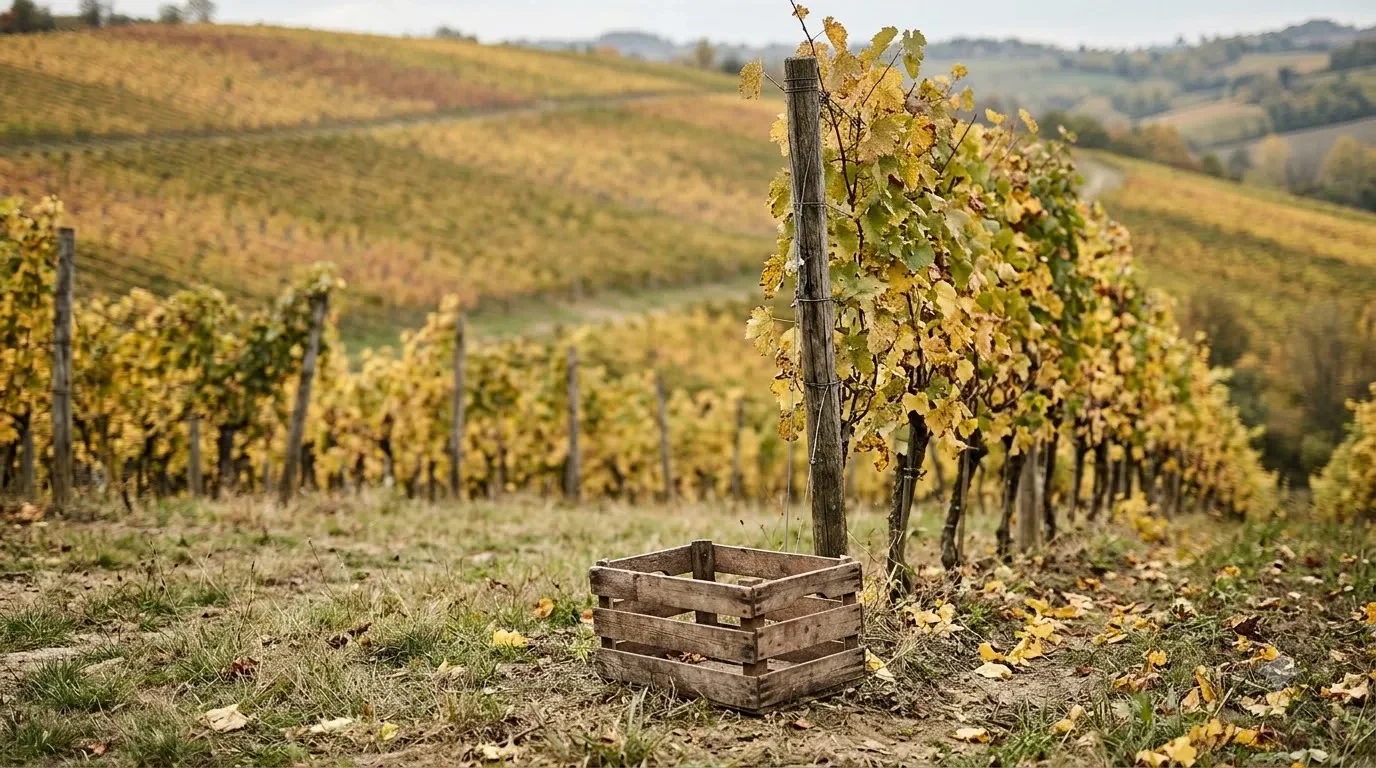
Crete vineyards produce about a fifth of Greece’s wine, and most of that output comes from the Peza area near Heraklion on the island’s north-central coast. The island’s vines have a long history and a strong local identity, built on native Greek grapes and a warm, dry climate. Cretan wines are gaining attention for their freshness and character, and the island is one of the most important wine-producing areas in Greece.
If you are curious about Crete’s vineyards, or you want to know what to look for on a Cretan bottle, this guide covers where the vineyards are, how the island’s climate shapes its wine, which grapes matter, and how to choose and serve a bottle. Crete is often thought of as an olive oil and tourism island, but its wine tradition is just as worth exploring.
Where Crete’s vineyards are
Crete is the largest of the Greek islands, and its vineyards sit across several districts rather than in one valley. According to the reference overview of the island’s agriculture, about 20 percent of Greek wine is produced on Crete, mostly in the region of Peza. Peza lies in the central part of the island, not far from the city of Heraklion, and it is the best place to start when you want to understand Cretan wine.
Viticulture sits alongside olive groves and other crops, which means many vineyards are smaller and more mixed than the large estates of other wine countries. Growers often farm on hillsides and in valleys where the sun is strong and the summers are dry, and the mix of sites is part of what makes the island’s wines interesting.
Climate and what it does to the grapes
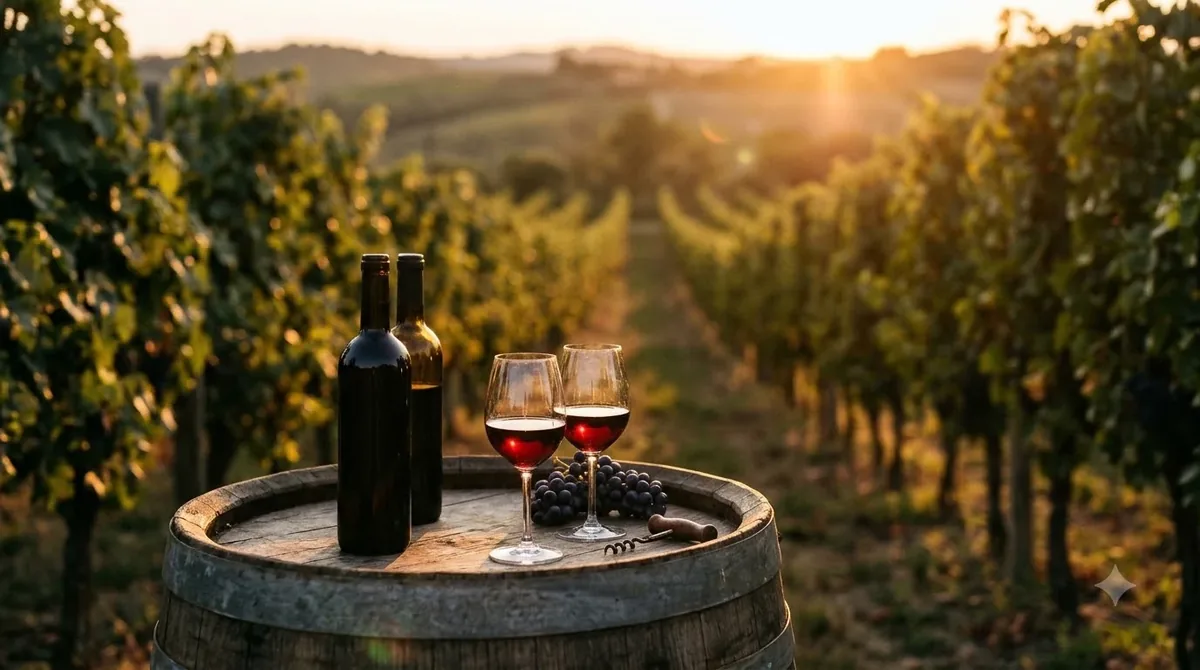
Crete has a warm Mediterranean climate with long, dry summers and mild winters. The sun ripens the grapes fully, but the island’s breezes and the altitude of many vineyards help keep the acidity from disappearing. For winemakers, that balance is the central challenge: they want enough sugar for body and alcohol, but also enough freshness to keep the wine lively.
Because the rain is limited in summer, many growers rely on careful timing and on vines that are well suited to dry conditions. The result is often a wine with a bright edge, a saline or mineral note and a finish that feels fresh rather than heavy, even when the fruit is ripe.
Grape varieties that matter on Crete
Crete has its own group of native grapes, which are the main reason the island’s wines taste different from those of mainland Greece. Vidiano is a white variety associated with the island and known for its aromatic, textured style. Liatiko and Kotsifali are the island’s classic red varieties, and they are used for wines with bright red fruit and a lighter structure than many international reds.
Many Cretan producers also grow international varieties, and some blend them with native grapes. When you read a label, look for the grape names first, since they tell you more about the style than the brand alone. A Cretan white built on a native grape will usually taste different from a similar bottle from another Greek island.
Assyrtiko is a grape many drinkers already know from Greece, though it is native to Santorini rather than Crete. According to WineFolly’s Assyrtiko guide, the grape is bone-dry with high acidity and flavors of lime, passion fruit, beeswax, flint and saline. It is gaining plantings across Greece, so you may find it on Cretan labels as well. It is a useful reference point for what high-acid Greek whites taste like.
| Style | Typical character | Good with |
|---|---|---|
| Cretan white (native grape) | Aromatic, textured, fresh finish | Grilled fish, salads, fresh cheese |
| Assyrtiko-style white | Bone-dry, high acidity, saline and mineral | Shellfish, lemony dishes, grilled octopus |
| Cretan red (native grape) | Bright red fruit, lighter structure | Grilled lamb, tomato-based dishes, cured meats |
Tip: Greek food is built around fresh herbs, olive oil and lemon. A bright Cretan white often works better with these dishes than a heavy oaked wine, because the acidity cuts through the oil.
How to serve Cretan wine
For a dry Greek white with high acidity, serve it well chilled but not ice cold. WineFolly suggests serving Assyrtiko at 38 to 45°F (3 to 7°C) in a white wine glass, and notes that it does not need decanting. Cretan reds are best served slightly cooler than room temperature, which keeps the fruit fresh and the tannins in balance.
Most Cretan whites are meant to be drunk young, while some of the more structured bottles can age for several years. Keep in mind that a wine stored in a warm kitchen or left in a hot car can lose its freshness quickly, so the same care you give other wines applies here as well. Check the producer’s notes on the label or the back label before you decide whether to keep a bottle or open it soon.
How to choose a Cretan bottle
Start with the grape. A native Cretan variety tells you the most about the wine’s style, so look for names you can search and compare. Next, check the producer and the region. Peza is the best-known district, but other parts of the island also produce wine, and the origin on the label helps you understand the climate behind the bottle.
For a broader look at the island’s bottles, our Crete wine guide covers the labels and styles you are most likely to meet. Then consider the food you plan to serve. Fresh, saline whites go well with seafood and salads, while lighter reds suit grilled meats and tomato dishes. Ask the shop staff for a bottle that matches your meal, since local wine shops are often the best source of advice on regional styles.
Common mistakes when buying Cretan wine
The most common mistake is assuming all Greek wine tastes the same. Greece has many islands and mainland regions, and each one has its own grapes and climate. A Cretan native white will not taste exactly like a Santorini Assyrtiko, even though both are dry and fresh, so compare bottles from the same island when you want to learn the style.
Another mistake is expecting Cretan wine to be cheap or expensive by default. Prices depend on the producer, the vintage and how much of the production is exported. Choose by what you want from the glass rather than by a fixed idea of value. A small producer’s bottle can be a strong choice even if it is hard to find.

Frequently Asked Questions
How much Greek wine comes from Crete?
Reference sources state that about 20 percent of Greek wine is produced on Crete, mostly in the Peza area near Heraklion.
What grapes are grown on Crete?
Crete grows native varieties such as Vidiano, Liatiko and Kotsifali, along with international grapes used by some producers. Native varieties are the best guide to the island’s style.
Is Assyrtiko from Crete?
Assyrtiko is native to Santorini, but it is spreading across Greece, so some Cretan labels may use it. Check the label to confirm the grape and the origin.
How should I serve a Cretan white wine?
Serve dry, high-acid Greek whites well chilled, around 38 to 45°F (3 to 7°C), in a white wine glass. They usually do not need decanting.
Crete is worth exploring for wine lovers who want something beyond the usual choices. Start with a native grape, pair the wine with simple Greek food, and compare bottles from different producers. Over time, the island’s vineyards will show you how much character a warm, dry climate and old local varieties can offer. To place Crete among other wine areas, see our wine regions overview.
More in Wine Regions
 Willcox Wine Trail: Discover Arizona’s High-Elevation Wine CountryUpdated Nov 20, 2026
 Yakima Valley Wine Region: Find the Best Styles to TryUpdated Nov 20, 2026
 Vosne Romanee Wine Tasting: Identify Aromas and Choose Better PairingsUpdated Nov 20, 2026
 Yakima Valley Wine Festival: Find the Best Seasonal Wine EventsUpdated Nov 20, 2026
 Wales Vineyards: Discover Cool-Climate Wines and Where to VisitUpdated Nov 20, 2026
 Yountville Wine Festival: Discover Napa Wines and Local FoodUpdated Nov 20, 2026