

We may earn a commission when you buy through links on this page, at no extra cost to you. Learn more.
The Kakheti wine region is Georgia’s principal wine-producing area, in the country’s east near the border with Azerbaijan and the Caucasus foothills. It is known for traditional qvevri winemaking, in which wine ferments and ages in large clay vessels buried underground, and for two main grapes: Rkatsiteli for white wines and Saperavi, the most widely planted red. Kakheti is the heart of Georgian wine culture, and its vineyards are concentrated in the Iori and Alazani river basins.
This guide explains where Kakheti sits, how its landscape and climate shape the vines, why the qvevri method matters, and how to approach the region’s wines if you are new to Georgian bottles. Most of the figures here come from the published overview of the region, and the guide notes where details are limited.
Where Kakheti sits and why it matters
Kakheti lies in eastern Georgia, a country on the eastern shore of the Black Sea that sits between Europe and Asia. The region covers about 11,310 square kilometers according to the Wikipedia entry for Kakheti, which makes it a large administrative area. Only part of that land is planted with vines, and the overview does not give a separate figure for vineyard area. The wine industry is concentrated in the river valleys, and the region is often described as the country’s main source of quality fruit.
Georgia has a long winemaking tradition, and Kakheti is at its center. Regional producers have worked for generations with local grape varieties, and the wine culture is closely tied to family life, feasts and hospitality. That history is one reason the region draws visitors who want to see how wine is made as well as how it is poured.
The qvevri tradition
The most distinctive feature of Kakheti winemaking is the qvevri, a large clay vessel that is buried underground for fermentation and aging. The vessel keeps the temperature steady and allows the wine to stay in contact with its skins, seeds and stems for a period of time. Many qvevri wines are amber or orange in color because of this extended skin contact, and they often have firm tannins and a savory character that sets them apart from many wines made in steel or oak.
Qvevri winemaking is part of Georgia’s long-standing tradition rather than a modern experiment. Producers who work this way often describe their wines as a link to the past, and some estates offer demonstrations of how the vessels are filled, sealed and opened. If you want to taste the traditional style, look for wines labeled as qvevri or amber on the back label, and ask the cellar staff how long the wine spent on its skins.
Landscape, altitude and climate
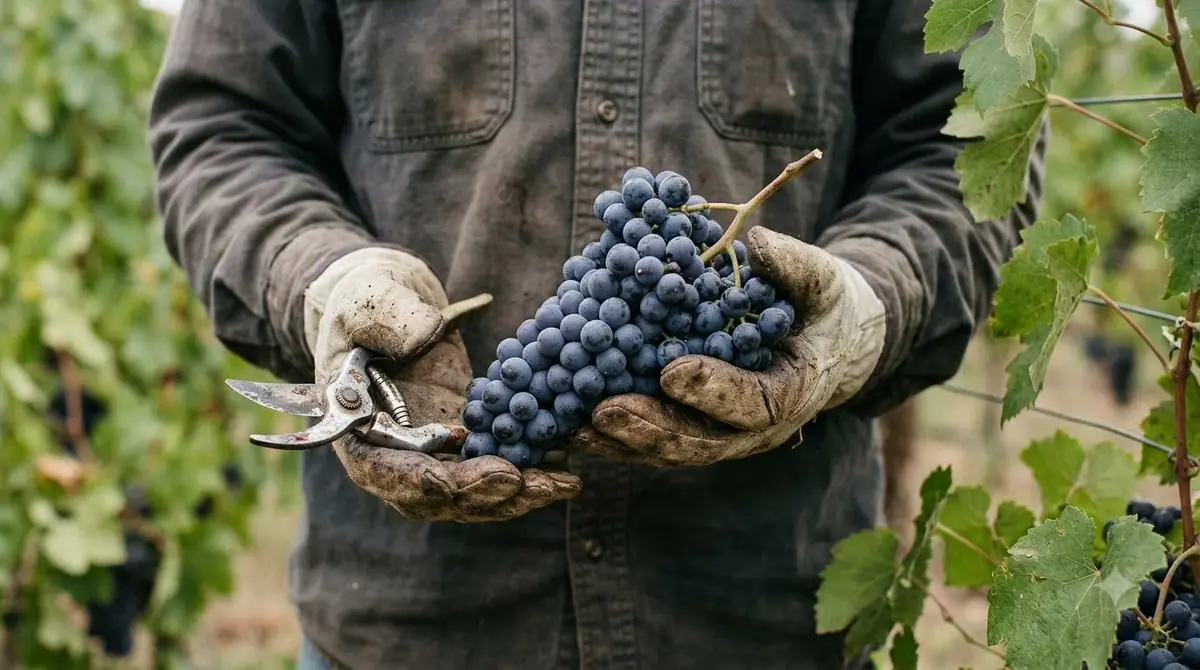
Vineyards in Kakheti usually sit at about 400 to 700 metres above sea level. That range gives growers a cooler and more varied climate than the lowlands, and the region has several climate zones, from humid subtropical areas to steppe, semi-arid plains and subalpine sites. The mix means that a single valley can hold vineyards that ripen at different speeds and produce different styles.
The Iori and Alazani basins are the two river systems most closely associated with the region’s best vineyards, and they give the region its geographic identity. Historical divisions such as Inner Kakheti, Outer Kakheti, Kiziq’i and the Thither Area, also called Gaghma Mkhari, are older administrative and cultural names. They are not the same as wine-specific zones, so a label that mentions one of them does not always tell you the exact site of the grapes.
Main grape varieties and their styles
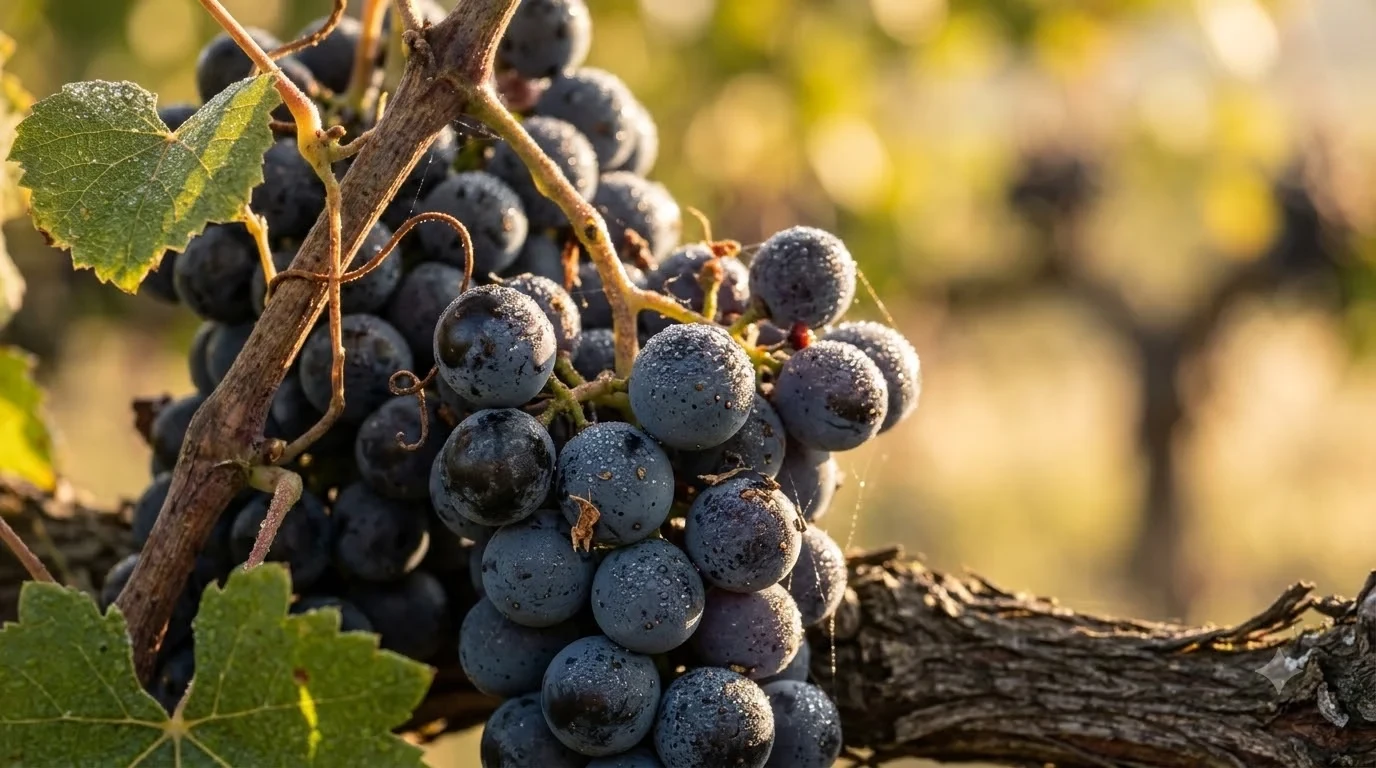
Two grapes do most of the work in Kakheti. Rkatsiteli is the main variety for white wines and is grown across the region’s vineyards. Saperavi is the most widely planted red grape, and it produces deeply colored, firmly structured wines that can age well. Both grapes have been used for centuries in local blends and single-variety bottles. For a sense of how other European regions organize their styles, compare the approach in the Penedes wine region or the Rheinhessen wine region, where the local grape and the site both shape the glass.
| Wine type | Main grape | What to look for |
|---|---|---|
| Amber or orange white | Rkatsiteli | Skin contact in qvevri, firm texture, savory and dried-fruit notes |
| Dry white | Rkatsiteli | Lighter style, crisp acidity, good with fresh cheese and seafood |
| Dry red | Saperavi | Deep color, firm tannins, dark fruit and spice, suited to grilled meat |
| Traditional blends | Local mixtures | Regional character that varies by producer and vintage |
Tip: If you are new to Georgian wine, start with a qvevri amber white and a Saperavi red from the same producer. Comparing the two shows the range of the region in one tasting.
Producers and the modern wine industry
The Kakheti wine scene mixes long-established family cellars with newer estates that focus on export. One example cited in regional overviews is Kakhetian Traditional Winemaking, established in 2001, which is recognized as a contributor to Georgia’s wine exports. Its founding shows that the traditional method and the export market can grow side by side.
Modern producers in Kakheti often combine qvevri with stainless steel or oak, so a single winery may offer both traditional and more contemporary styles. That range makes the region useful for buyers who want to explore, because the choice is not limited to one method. Labels usually name the grape and the producer, and the best guide to a style is often the winery’s own tasting notes.
Visiting Kakheti and tasting its wines
Kakheti is a rural region, and the best way to explore it is to plan around villages and estates rather than a single city. Many wineries are spread across the valleys, so a visit often means a driver, a guided tour or a day spent around one river basin. Many estates offer tastings alongside local food, and some include a demonstration of qvevri work.
Timing a trip matters as well. Harvest in the autumn is the busiest period in the vineyards, and many cellars are most active then, with fresh must and wine moving through the traditional process. Spring is quieter, but the landscape is green and the roads are easier to plan around. Whichever season you choose, book a tasting in advance, since smaller family cellars often work by appointment rather than through a walk-in schedule.
Tastings usually focus on the region’s signature grapes, and many winemakers are happy to explain their methods. Ask which wines have skin contact, how long they were aged, and whether the grapes come from their own vineyards. Those answers tell you more about the bottle than a general description. For background on how regions and sub-regions shape wine style, the wine regions guide is a helpful companion before you travel.
Frequently Asked Questions
What is Kakheti known for?
Kakheti is Georgia’s main wine-producing area and is known for qvevri winemaking, in which wine ferments and ages in buried clay vessels. It is also the center of production for Rkatsiteli and Saperavi.
What is a qvevri wine?
A qvevri wine is made in a large clay vessel buried underground. The wine often stays in contact with its skins for a period of time, which can give it an amber or orange color and firm tannins.
Which grape is the most planted red in Kakheti?
Saperavi is the most widely planted red grape in the region, according to the published overview. It produces deeply colored, structured wines that suit rich foods.
Is Georgian wine a good choice for beginners?
Yes, if you start with clearly labeled styles. A lighter dry white and a fruit-forward red make a good first comparison, and the amber qvevri wines are worth trying once you know what to expect.
Kakheti rewards anyone who is curious about old winemaking methods and new producers alike. Start with a qvevri white, compare it with a Saperavi, and pay attention to how the vessel and the grape shape the glass. The clay-vessel tradition is the thread that ties the region together, and it gives Kakheti a clear identity in a crowded wine world.
More in Wine Regions
 Willcox Wine Trail: Discover Arizona’s High-Elevation Wine CountryUpdated Nov 20, 2026
 Yakima Valley Wine Region: Find the Best Styles to TryUpdated Nov 20, 2026
 Vosne Romanee Wine Tasting: Identify Aromas and Choose Better PairingsUpdated Nov 20, 2026
 Yakima Valley Wine Festival: Find the Best Seasonal Wine EventsUpdated Nov 20, 2026
 Wales Vineyards: Discover Cool-Climate Wines and Where to VisitUpdated Nov 20, 2026
 Yountville Wine Festival: Discover Napa Wines and Local FoodUpdated Nov 20, 2026