

We may earn a commission when you buy through links on this page, at no extra cost to you. Learn more.
The rheinhessen wine region is Germany’s largest, one of 13 German wine regions, lying between the Rhine and the Nahe rivers in Rhineland-Palatinate. It is known mostly for white wines, especially Riesling, Silvaner, Müller-Thurgau, Kerner and Scheurebe, though it also grows Pinot noir, Dornfelder and Regent. Its soils of loess and marl come from a marine basin that existed millions of years ago, and the Rhine Terrace near Oppenheim and Nierstein is among its best-known white wine areas.
Rheinhessen, also called Rhenish Hesse, is a large wine area that often gets less attention than the Mosel or the Rheingau. Its scale is the main reason it stands out: it is the largest of Germany’s wine regions, and its mix of soils and grapes gives a wider range of styles than many visitors expect. This guide explains where Rheinhessen is, what grows there, how the landscape shapes the wine, and how to start tasting.
Where Rheinhessen is located
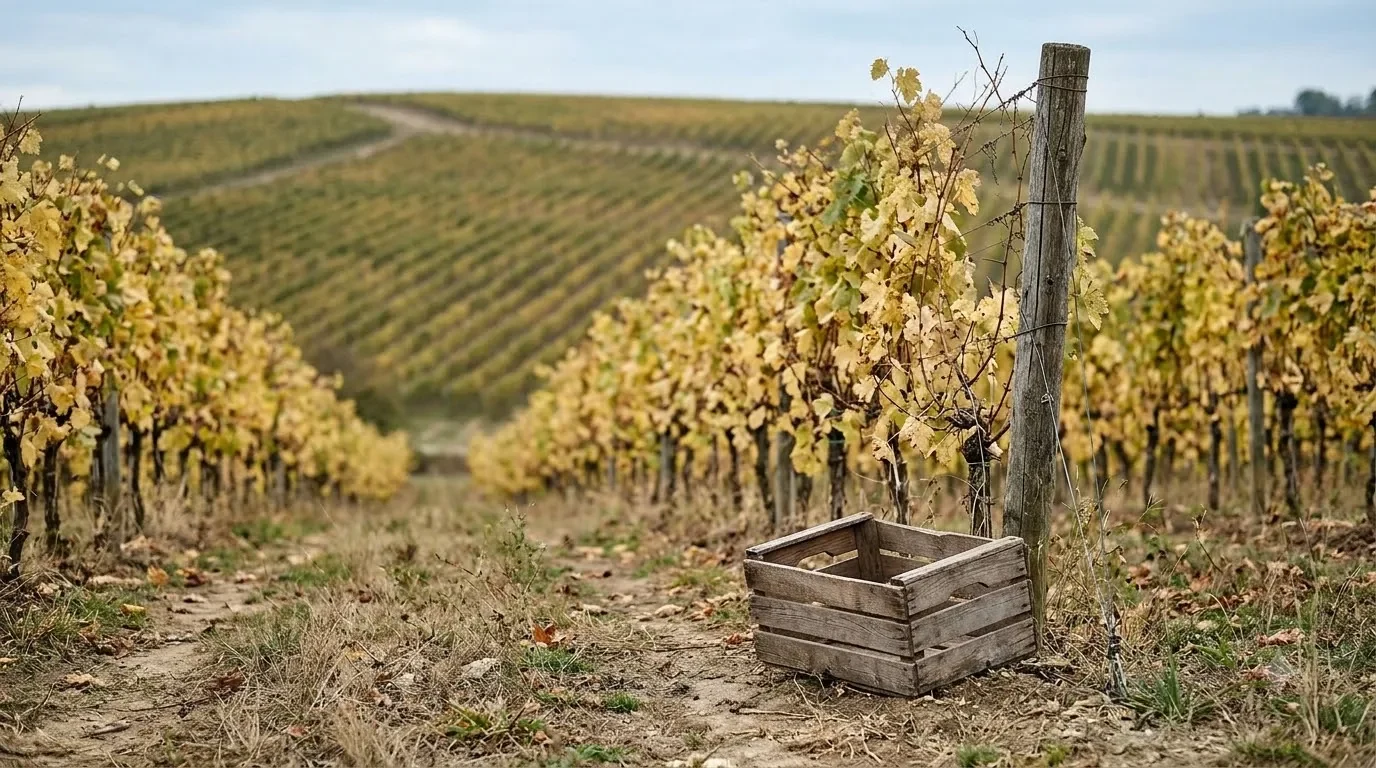
Rheinhessen lies within Rhineland-Palatinate and is bounded by the Rhine and the Nahe. Its landscape is a mix of rolling hills and flat terraces, and the Rhenish-Hessian Hills along the Selz river reach around 358 metres at the Kappelberg. Those hills shield the vineyards from cold winds coming from the Hunsrück and Taunus ranges.
Within the region, the Rhine Terrace near Oppenheim and Nierstein is the best-known white wine area. Other parts of the region are quieter and less visited, so the area suits visitors who want to explore beyond the famous villages.
| Feature | Detail |
|---|---|
| German wine regions | Largest of 13 |
| Main white grapes | Riesling, Silvaner, Müller-Thurgau, Kerner, Scheurebe |
| Main red grapes | Pinot noir, Blauer Portugieser, Dornfelder, Regent |
| Best-known white area | Rhine Terrace near Oppenheim and Nierstein |
Soils, climate and the landscape
The soils are one of Rheinhessen’s defining features. Large deposits of loess and marl from the Mainz Basin cover much of the region. The Mainz Basin was a marine basin that existed roughly 38 to 12 million years ago, and its sediments give the vineyards their character.
The climate is favorable for grape growing. The Hunsrück and Taunus ranges shield the area from cold winds, which helps the vines ripen. Growers work with these conditions to produce wines that show both fruit and mineral tones, depending on the site and the vintage.
Grapes and wine styles
Most of Rheinhessen’s vineyards are planted with white varieties. Riesling is the most recognized, and it can range from dry to sweet depending on the producer. Silvaner and Müller-Thurgau are common in everyday bottles, while Kerner and Scheurebe add aromatic character. These grapes give the region a wide range of white wines.
Red wine is a smaller part of the production, but it is growing. Pinot noir, Blauer Portugieser and Dornfelder are the main red varieties, and they are grown particularly around Ingelheim and Gundersheim.
Dry and sweet German whites
German labels can be confusing. Look for words such as trocken for dry or halbtrocken for off-dry, since the style is often clear from the label before you open the bottle.
History of the region
The region’s history goes back to the medieval period and beyond. Rheinhessen was allotted to Louis the German by the 843 Treaty of Verdun. After the Congress of Vienna in 1814 and 1815, Louis I’s title became Grand Duke of Hesse and by Rhine, and the region took its place in the wider German state system. It was incorporated into Rhineland-Palatinate in 1946.
Visiting Rheinhessen
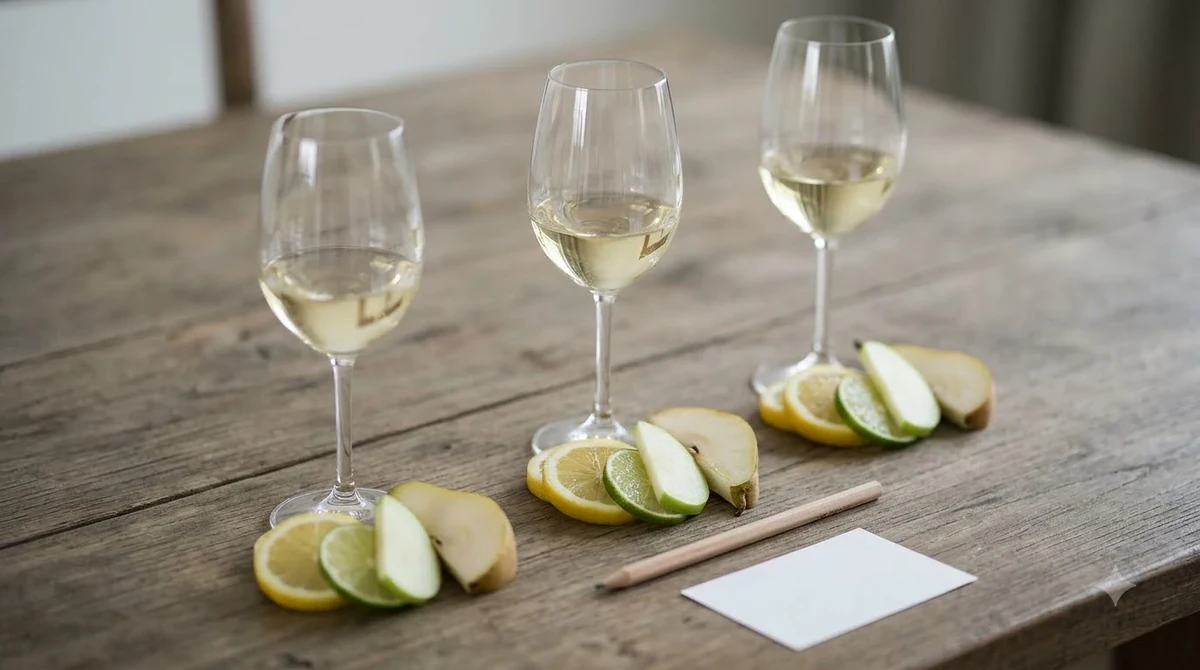
Rheinhessen is easy to reach from Mainz, and the Rhine villages are a short drive or train ride away. Many wineries offer tastings by appointment, and some run cellar tours and seasonal events in spring and autumn. Plan a route by village rather than trying to cover the whole region in one day.
Because the region is large, a car or a guided tour helps. Tasting rooms often serve dry and off-dry whites first and then move to reds, which lets you compare styles in a logical order.
Tip: Ask the winery for a dry and an off-dry Riesling side by side. The comparison shows how the sugar level changes the taste of the same grape.
How to choose a Rheinhessen bottle
Check the label for the grape, the style word and the village or vineyard name. A dry Riesling from the Rhine Terrace is a good introduction to the region, while a Silvaner suits a light meal. Red wines from the region are a useful next step for buyers who already know the whites.
Food pairings and serving Rheinhessen wines
Rheinhessen’s dry whites are versatile at the table. Riesling with fresh acidity suits fish, light poultry and vegetable dishes, while Silvaner, a traditional grape of the region, pairs well with simple meals and lighter meats. Off-dry Riesling works with spicy food and with pork dishes that include fruit or a sweet glaze.
Red wines from Pinot noir and Dornfelder suit roasted poultry, mushrooms and game. For serving, white wines are usually better cool rather than cold, which lets their aromas show. Reds are often served slightly cooler than room temperature, and a short rest in the glass helps the aromas open.
Learning German wine labels
German labels follow their own logic, and they often give more information than visitors expect. The grape name sits on the front, while terms such as trocken and halbtrocken indicate the sugar level. The village or vineyard name tells you where the grapes were grown, and the producer name shows who made the wine. Reading these three elements helps you choose a bottle that fits your taste.
A winery visit is the best place to learn the terms. Ask for a dry and an off-dry sample from the same grape, and the difference will become clear. Notes from reviewers and regional sites can add context, especially for smaller estates that are less widely known outside Germany.
Visitors who come to Rheinhessen often start in Mainz, the capital of Rhineland-Palatinate, and then take a day trip into the vineyards. From there the Rhine Terrace villages are close enough for a half-day route, and the quieter villages inland offer a slower pace with fewer crowds. Mixing a town visit with a few tastings gives a balanced trip, and it works well for travelers who also want to see the Rhine landscape.
Frequently Asked Questions
What is Rheinhessen known for?
Rheinhessen is known as Germany’s largest wine region, and it is most closely associated with white wines such as Riesling, Silvaner and Müller-Thurgau. It also grows red varieties such as Pinot noir and Dornfelder.
Is Rheinhessen the same as the Rheingau?
No. They are separate German wine regions. Rheinhessen is the largest of the 13 German regions, and the Rheingau is a different, smaller area on the opposite bank of the Rhine.
What does trocken mean on a German label?
Trocken means dry. Halbtrocken means off-dry, which signals a little residual sugar. The terms help you choose a style before you buy.
What is the best way to visit Rheinhessen?
Plan a route by village and book tastings in advance where possible. Start with the Rhine Terrace near Oppenheim and Nierstein, and add quieter villages if you want to see more of the region.
Rheinhessen rewards visitors who look beyond the best-known names. Its soils, grapes and history give it a clear identity, and its scale means there is always another village to try. For other European regions to compare, see penedes wine region or emilia romagna wine region, or read the Wine Regions guide. For a fuller overview of the region’s geography and history, see Rheinhessen on Wikipedia.
More in Wine Regions
 Willcox Wine Trail: Discover Arizona’s High-Elevation Wine CountryUpdated Nov 20, 2026
 Yakima Valley Wine Region: Find the Best Styles to TryUpdated Nov 20, 2026
 Vosne Romanee Wine Tasting: Identify Aromas and Choose Better PairingsUpdated Nov 20, 2026
 Yakima Valley Wine Festival: Find the Best Seasonal Wine EventsUpdated Nov 20, 2026
 Wales Vineyards: Discover Cool-Climate Wines and Where to VisitUpdated Nov 20, 2026
 Yountville Wine Festival: Discover Napa Wines and Local FoodUpdated Nov 20, 2026