

We may earn a commission when you buy through links on this page, at no extra cost to you. Learn more.
Chianti food pairing is easiest with tomato-based Italian dishes, rich roasts and charcuterie, because Chianti’s high acidity and firm tannins match those foods well. The wine is made mainly from Sangiovese in Tuscany and is medium-bodied, so it has enough structure for hearty meals without the heaviness of a big Cabernet. Younger bottles show red fruit and tomato notes, and aged Chianti turns earthier, which opens up more savory dishes.
Chianti is one of the most food-friendly red wines you can buy, and it is easy to find on restaurant lists and in wine shops. Many people know the bottle in the straw basket but are less sure which dishes it really suits. This guide explains what makes Chianti work with food, how the different labels change the style, which meals match best and how to serve it at home. If you are new to matching wine with a meal, the Wine Pairing hub is a useful starting point.
Why Chianti works so well with food
Chianti is a red wine from Tuscany in central Italy, and it is made mainly from the Sangiovese grape. VinePair’s Chianti guide describes it as medium-bodied and high in both tannins and acidity, which is the combination that makes it well suited to food. Acidity cuts through fat and richness, and tannin gives the wine a dry, structured frame that pairs with protein and tomato. Those two qualities are why Chianti feels so at home on an Italian table.
Chianti’s flavor shifts with age. Young Chianti shows red fruit such as red currant, raspberry and plum, along with roasted or sun-dried tomato and a touch of spice. Aged bottles turn more earthy, with dried flowers and a clay-pot character. Oak-aged versions lean more savory and earthy still. That range is useful at the table, because you can choose a younger bottle for lighter food and an aged bottle for richer, slower-cooked dishes.
Chianti labels and what they mean for food
The label on a Chianti bottle tells you more about the style than the region name alone. Chianti DOCG requires at least 70% Sangiovese, and grapes grown in one of seven sub-zones can carry that sub-zone’s name. Chianti Superiore comes from lower-yielding vineyards within the same DOCG. Chianti Riserva has been aged at least two years before release.
Chianti Classico DOCG is the most specific category. It needs at least 80% Sangiovese, grown in the region’s higher-elevation vineyards, and bottles carry a black rooster symbol called the gallo nero. Within Classico, Annata wines must be at least 12% ABV and aged at least 12 months in barrel. Riserva must be aged at least 24 months, including three months in bottle, and Gran Selezione must be aged at least 30 months, with three of those in bottle. Gran Selezione also requires estate-grown grapes and a tasting panel.
| Style | Typical flavor | Good with |
|---|---|---|
| Young Chianti (Annata) | Red currant, raspberry, plum, fresh tomato | Pizza, pasta with tomato sauce, sausage |
| Chianti Riserva | More depth, dried flowers, savory notes | Roast chicken, pork, grilled meats |
| Chianti Classico Gran Selezione | Structured, earthy, complex | Florentine steak, braised meats, aged cheese |
Tomato-based dishes and pasta
Tomato is the classic partner for Chianti, and VinePair lists tomato-based Italian dishes at the top of its food suggestions. The wine’s acidity matches the brightness of a tomato sauce, while its tannin keeps the pairing from feeling thin. A simple pasta with marinara, a margherita pizza or a bowl of lasagna all work well with a young Chianti.
Keep the sauce and the wine in the same family. A rich meat ragù pairs beautifully with a Chianti Classico, and a lighter vegetable tomato sauce suits a fresh, fruit-forward young bottle. If the dish has a lot of cream or butter, choose a lighter wine, since heavy richness can make the tannin feel harsh.
Roasts, grilled meat and Florentine steak
Chianti’s tannin and acidity make it a strong partner for roasted and grilled meats. VinePair notes that Chianti pairs with rich roasts and barbecued meat, and a Chianti Classico is a natural match for a Florentine steak, the thick-cut Tuscan steak grilled over wood. Lamb and pork roasted with herbs such as rosemary also complement the wine’s savory side.
For a simple roast, serve a Riserva or a young Chianti Classico with the meat and let the wine’s acidity cut through the fat. Grilled sausages and smoky barbecue also match well, because the char and salt balance the wine’s firm structure. These are good dishes for a relaxed dinner when you want a red that does not feel too heavy.
Charcuterie, cheese and antipasti
Chianti is a natural choice for a charcuterie board. Cured meats such as salami, prosciutto and soppressata have salt and fat that soften the tannin, while the wine’s red fruit lifts the flavor of each slice. VinePair includes charcuterie boards among its food suggestions for Chianti, and the pairing works well with olives, roasted peppers and crusty bread.
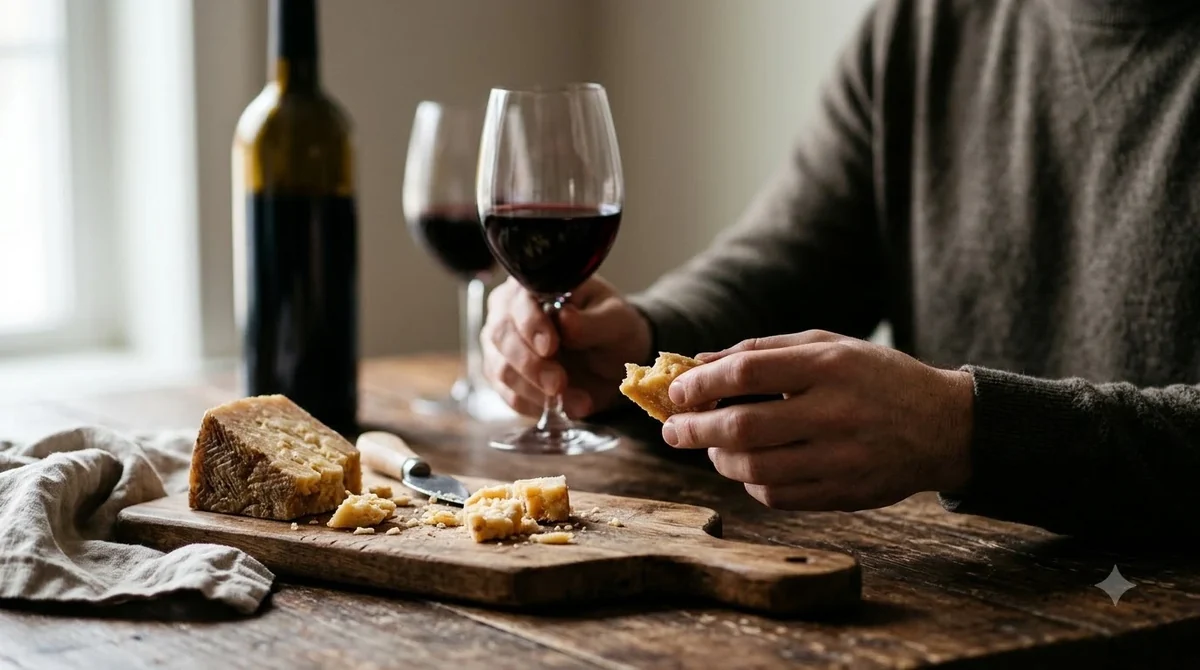
Cheese is a good match too. Pecorino and aged Parmigiano-Reggiano pair especially well with an aged Chianti, since the nutty, savory notes in both can echo the wine’s earthy character. Softer cheeses are better with lighter wines, so keep the bold reds for firmer, saltier cheeses.
What to avoid with Chianti
Chianti is less suited to very delicate food. Light seafood, white fish and fresh salads with a simple dressing can be overwhelmed by the wine’s tannin and acidity. Very spicy dishes can also make the wine taste sharp, because chili heat amplifies bitterness and alcohol. If you plan to serve a spicy meal, pick a Chianti with more fruit and less structure, or choose a different red altogether.
Sweet desserts are another tricky match. A dry red like Chianti can taste sour next to a sugary dessert, so pick a dessert wine or serve fruit and cheese instead. For a broader look at matching wine with sweet dishes, see the dessert wine food pairing guide.
How to serve Chianti with a meal
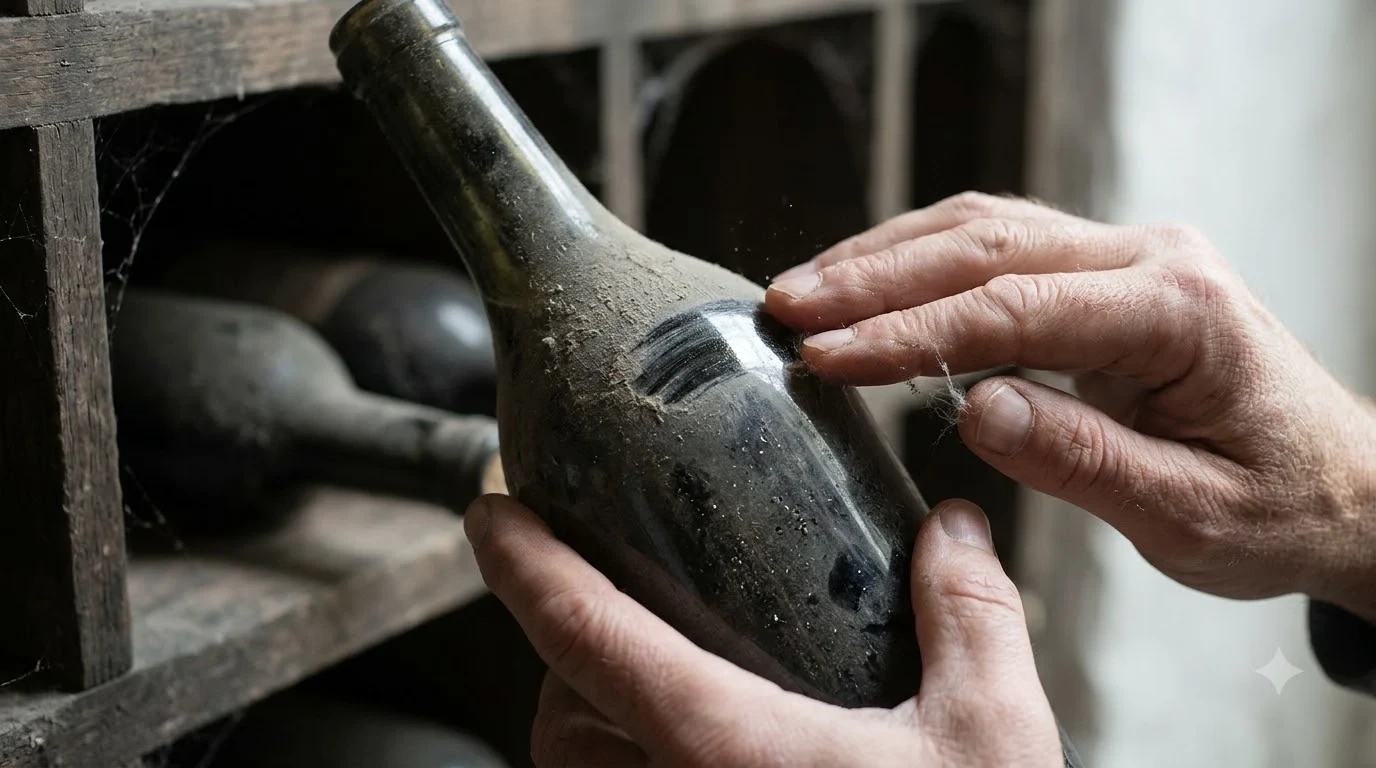
Serve Chianti at a cool room temperature rather than fully warm. A young bottle can be opened and poured straight away, while an aged Riserva or Classico benefits from a short decant to let the aromas open. Decanting is especially helpful for older bottles, which can throw sediment. Pour generous glasses, since Chianti is meant to be drunk with food and tends to show best in a glass with room to swirl.
If you are serving Chianti alongside another red, such as a Bordeaux blend, start with the lighter wine and move to the more structured one as the meal goes on. That order keeps your palate fresh and makes both bottles easier to appreciate.
Frequently Asked Questions
What food goes best with Chianti?
Tomato-based Italian dishes such as pasta with marinara, pizza and lasagna are classic matches. Roasted meats, grilled sausages and charcuterie boards also work well because the wine’s acidity and tannin balance rich, salty food.
Is Chianti a good wine with steak?
Yes, especially a Chianti Classico with a grilled steak or a Florentine steak. The wine’s structure and acidity cut through the fat, and the savory notes match the char of the grill.
What is the difference between Chianti and Chianti Classico?
Chianti Classico comes from the historic heart of the region and must contain at least 80% Sangiovese, grown in higher-elevation vineyards. Chianti DOCG requires at least 70% Sangiovese and covers a wider area. Classico bottles carry the black rooster symbol.
Should I decant Chianti before serving?
Young bottles can be poured right away, but aged Riserva and Classico wines often benefit from a short decant. Decanting helps the aromas open and keeps any sediment in the bottle.
Chianti is one of the easiest reds to match with food. Choose a young bottle for tomato-based dishes, a Riserva for roasts and grilled meat, and a Classico for richer, earthy plates. Once you know the labels, the right bottle for your table becomes much easier to pick.
More in Food & Wine Pairing
 Risotto With White Wine Recipe: Make a Creamy Dinner at HomeUpdated Nov 20, 2026
 Wassail With Wine Recipe for a Festive Spiced Holiday DrinkUpdated Nov 20, 2026
 Spritz Veneziano Recipe: Make a Classic Venetian Aperitivo at HomeUpdated Nov 20, 2026
 Summer Wine Punch Recipe for Easy Homemade EntertainingUpdated Nov 20, 2026
 Bishop Recipe: How to Make a Bright, Citrus-Forward Red Wine CocktailUpdated Nov 20, 2026
 Wine Cupcakes Recipe: Bake Rich Chocolate Cupcakes at HomeUpdated Nov 20, 2026