

We may earn a commission when you buy through links on this page, at no extra cost to you. Learn more.
Numanthia wine comes from Bodega Numanthia, a winery founded in 1998 in Valdefinjas, Castilla y León, in Spain’s Toro region. The wines are made from the Tempranillo Tinta de Toro grape grown in old, dry-farmed vineyards on sandy, rocky soils. The lineup includes Termes, Numanthia and Termanthia, and the winery describes its style as intense, complex and built around both finesse and power.
Spanish reds are often sold by region or by age, so a single producer name can be easy to overlook. Numanthia is a useful case because the brand is built on one grape, one region and a clear range of wines from the same estate. This guide explains where the winery is, what the grape is, how the three main wines differ, and how to serve and pair them. Most details come from the winery’s own website, and where the site does not give a number or process, the text stays with general description.
Where Numanthia Comes From
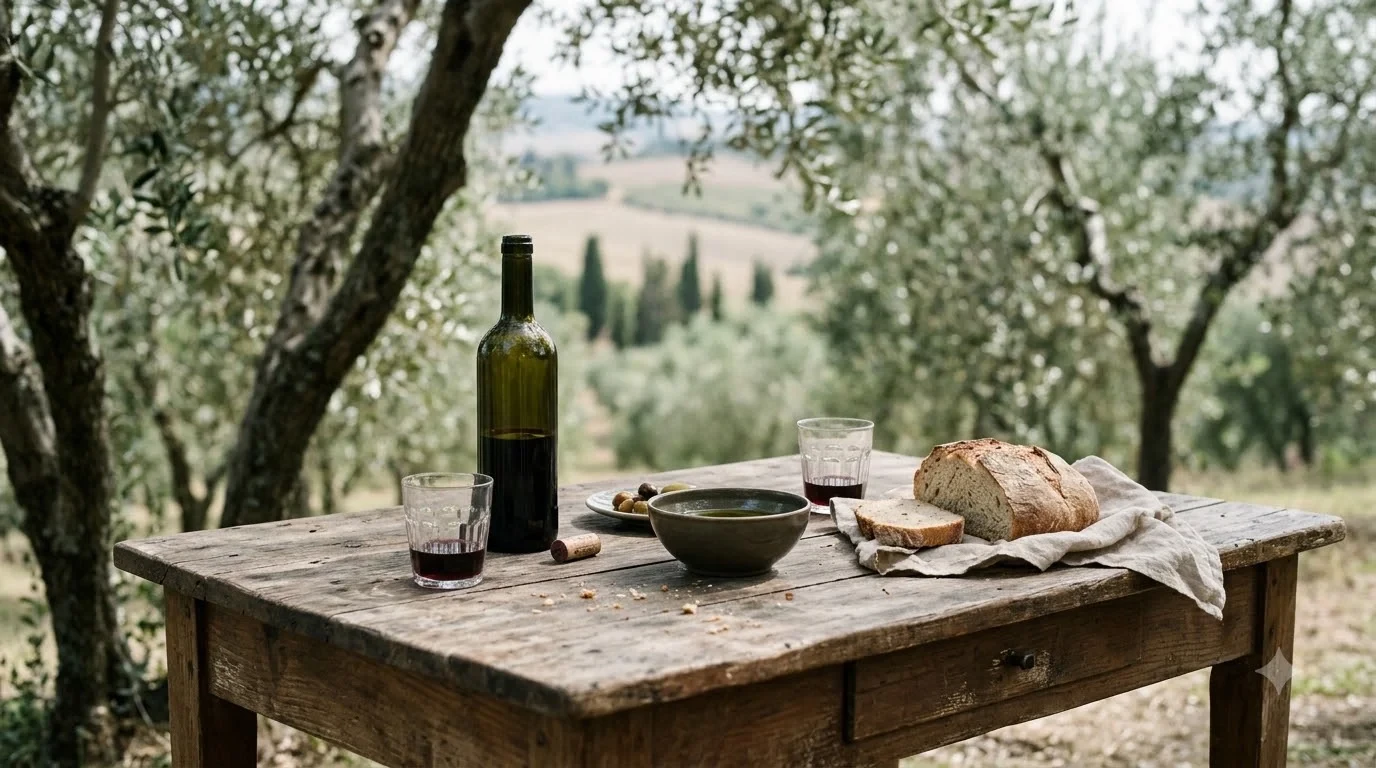
According to the winery’s own website, Bodega Numanthia was founded in 1998 and is located in Valdefinjas, in the Castilla y León region of northwest Spain. The site places its vineyards in the Toro appellation, a wine region known for powerful red wines made from a local strain of Tempranillo. The winery is not a large estate with a long history of tourism, so the brand’s identity rests on its wines and its vineyard choices.
The site stresses its ancestral vineyards, which it describes as organically cultivated and dry farmed. Dry farming means the vines rely on rainfall and stored soil moisture rather than irrigation, which tends to produce smaller crops and concentrated fruit. Readers who want a wider view of how producers present their origin can look at the wine brands guide, which covers how a brand’s story and its vineyard are tied together for shoppers.
The Grape Behind the Wines
Every wine in the range is made from Tempranillo Tinta de Toro, which the winery calls a rare variety of the grape. Tempranillo is the main red grape of northern Spain and appears in Rioja and Ribera del Duero, but the Toro strain is usually described as darker in color and fuller in body than many other Tempranillo expressions.
That distinction matters for a buyer. A Toro red tends to be deep in color, rich in fruit and firm in structure, so it works better with food than as a light afternoon wine. The grape also shows the heat and dryness of its growing area, which is why the winery’s dry-farmed approach is central to the brand. Think of the Tinta de Toro as the thread that ties the whole range together.
| Wine | Style as described by the winery | How to approach it |
|---|---|---|
| Termes | Bold and vibrant | The most direct entry point into the range |
| Numanthia | Sophisticated | A balanced middle step for a main-course dinner |
| Termanthia | Exquisite and intense | The top of the range for a special meal |
Tip: Treat the three wines as a ladder. Start with Termes to learn the house style, then move up to the Numanthia or Termanthia when the meal or the occasion calls for more depth.
The Three Wines and How They Differ
The winery’s descriptions set out a clear progression. Termes is described as bold and vibrant, which makes it the most approachable of the three. Numanthia is described as sophisticated, which suggests a more balanced wine built for a serious dinner. Termanthia is described as exquisite, and it sits at the top of the range as the most intense and complex bottle.
The site does not publish production details such as barrel regimes or aging periods, so this guide does not give them. What the descriptions do show is that the three wines are meant to be read as one family, with the same grape and vineyard philosophy but a different level of concentration and polish.
Vineyards and Winemaking Approach
The winery describes its vineyards as ancestral, organically cultivated and dry farmed, on sandy and rocky soils that drain well. Old vines in poor, well-drained ground tend to produce fewer clusters, and the grapes that do grow can carry concentrated flavor. That is a general viticultural pattern rather than a figure from the winery, but it explains why the site emphasizes the soils.
The site also describes the wines as expressive and intense, and it stresses a balance between finesse and power. The phrase is worth reading carefully. It tells you what the winery wants you to notice, which is a wine that is not just big but also controlled and layered. When you taste a Numanthia wine, look for that balance between the fruit and the structure rather than only the color or the alcohol.
How to Serve Numanthia Wines
Serve these reds slightly below room temperature, not warm from a heated room. Warm wine can taste heavy and alcoholic, while a slightly cooler glass brings out the fruit and keeps the structure clean. Use a large glass so the aromas can open as the wine warms in the glass.
Because the wines are structured, a decant is a good idea, especially for a younger bottle. Pour the wine into a decanter about an hour before the meal, or pour it into a jug and let it sit. This softens the tannins and gives the fruit more room. If you open a bottle and do not finish it, re-cork it and keep it cool, since the wine will hold for a day or two while the flavors settle.
Plan the bottle around the meal rather than the other way around. A bold red needs time in the glass, so open it early, and check it again after the first glass to judge how the wine is opening.
Food Pairing Ideas
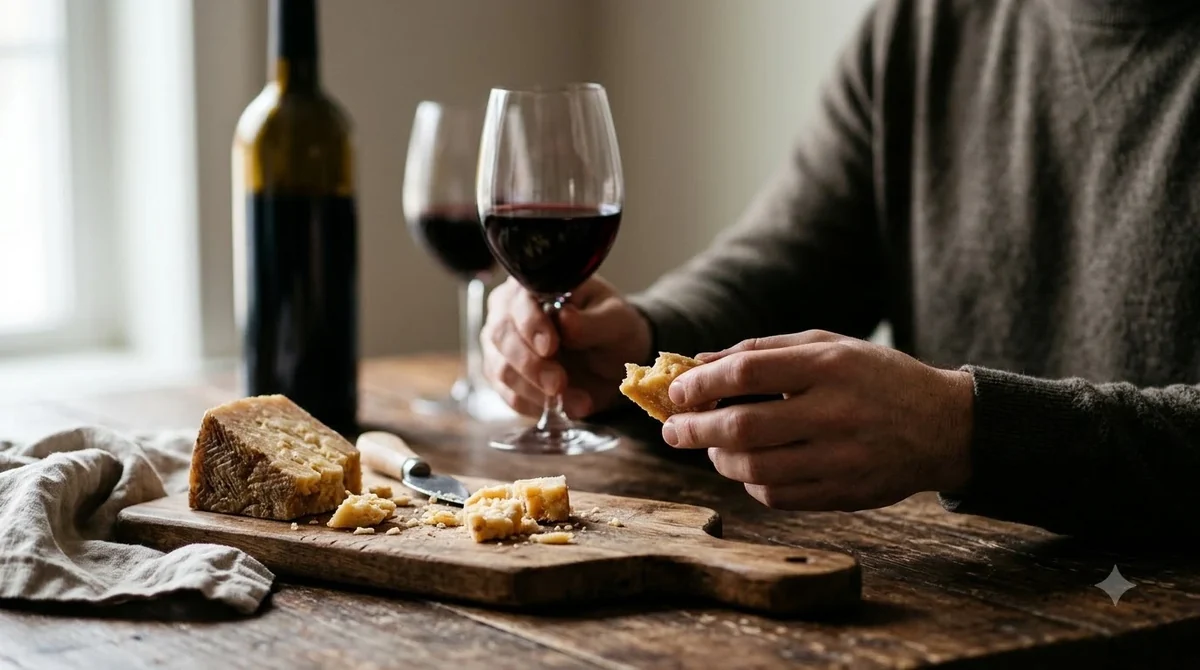
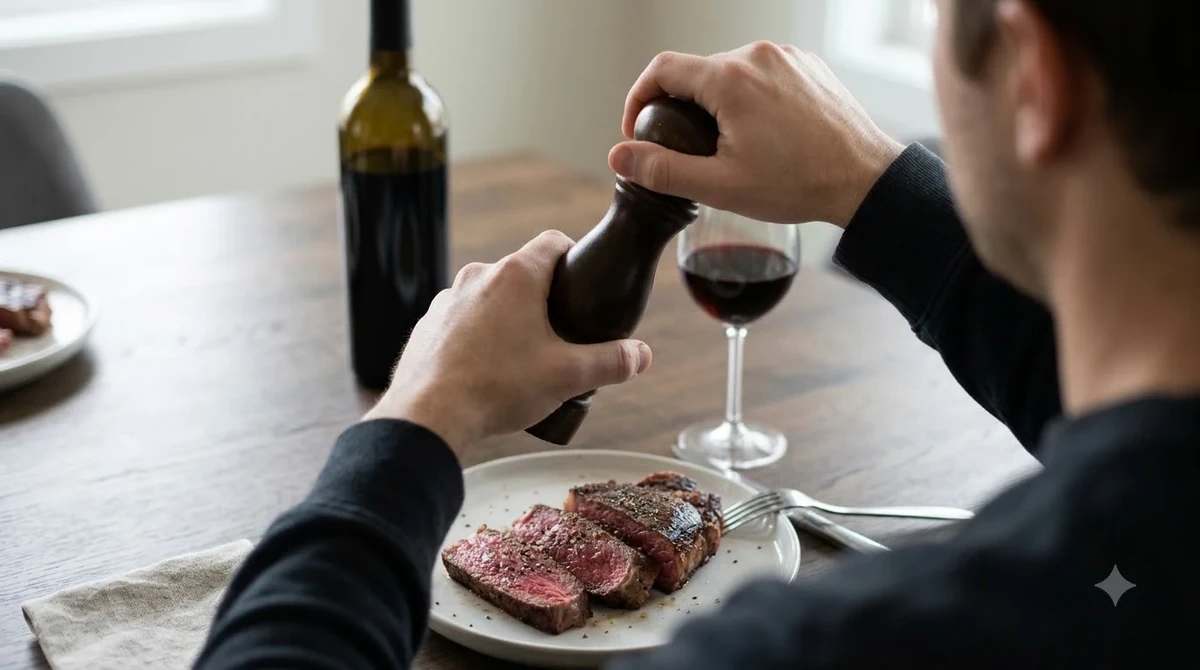
Strong reds like these pair best with rich, savory food. Roast lamb, grilled beef, braised short ribs and aged cheeses all have enough fat and flavor to match the wine. The tannins in a structured Tempranillo help cut through fat, which is the classic reason red wine goes with meat.
Spanish tradition also suggests pairing reds with cured meats, roasted vegetables and rice dishes. A slow-cooked stew or a paella with chorizo is a natural match for a wine of this weight, though the lighter Termes can also suit a simple grilled sausage or a plate of grilled peppers.
How to Choose a Bottle
Choose by the occasion and the meal. For a weeknight dinner with simple grilled food, Termes gives you the house style without the full intensity of the top bottle. For a dinner party or a special meal, Numanthia or Termanthia gives you more depth and polish, and the step up is worth it when the wine is the centerpiece of the meal.
If you want to compare a red from another European tradition, the Antinori red wine guide covers an Italian producer with a different grape and style. Comparing the two helps you decide whether you prefer the concentrated fruit of a Toro red or the different character of Italian reds.
Frequently Asked Questions
What grape is Numanthia wine made from?
Numanthia wines are made from Tempranillo Tinta de Toro, a local strain of Tempranillo that the winery describes as rare. It is grown in dry-farmed vineyards on sandy, rocky soils.
Where is Bodega Numanthia located?
The winery is in Valdefinjas, in the Castilla y León region of northwest Spain. Its vineyards are in the Toro appellation, according to the winery’s website.
Which Numanthia wine should I start with?
Termes is described by the winery as bold and vibrant, which makes it the most direct entry point. Numanthia and Termanthia are the next steps up in depth and polish.
Should I decant Numanthia wine?
A decant is a good idea for a structured, younger bottle because it softens the tannins and lets the fruit open. Pour it an hour or so before the meal.
Numanthia is a clear example of a single-grape producer with a focused range. Start with Termes for the house style, use the Numanthia or Termanthia for special dinners, and the wine brands guide can help you compare other producers once you know what you like.
More in Wine Brands
 Underwood Wine Price: Compare Bottles, Cans, and Pack SizesUpdated Nov 21, 2026
 Zenato Wine Price: Compare Styles and Choose the Right BottleUpdated Nov 21, 2026
 Zuccardi Wine Price: Compare Bottles and Find the Right RangeUpdated Nov 21, 2026
 Yellow Tail Moscato Review: Taste, Sweetness and Serving TipsUpdated Nov 21, 2026
 Wolf Blass Yellow Label Review: Choose Your Best StyleUpdated Nov 21, 2026
 Wolffer Estate Rose Review: Choose the Right Bottle for Your TableUpdated Nov 21, 2026