

We may earn a commission when you buy through links on this page, at no extra cost to you. Learn more.
Meiomi white wine is the Chardonnay-led white range from the California brand Meiomi, which the company says it has made since 2006 from grapes grown along the state’s coast. The main whites are Chardonnay and Sauvignon Blanc, plus a white blend labeled simply Blanc, and the brand also offers a lower-alcohol Bright Chardonnay. The wines are built for easy, everyday drinking rather than a formal tasting.
Most people meet Meiomi through its red wines, especially the Pinot Noir that made the name familiar on US shelves. Shoppers looking for a white often ask what the brand’s whites taste like, which grapes are used, and how to serve them with dinner. This guide covers the white range, how the coastal style shapes it, and how to choose and pair a bottle. Details come from the brand’s own website, and where the site is silent the text uses general description.
What Meiomi Makes in White
According to the brand’s own website, the white lineup centers on Chardonnay and Sauvignon Blanc, with a white blend labeled Blanc. The site also lists a lower-alcohol Bright Chardonnay, which suggests the brand is trying to give buyers a lighter option from the same house style.
The brand is much better known for its reds, and the website lists Pinot Noir, a Sonoma Coast Pinot Noir, Cabernet Sauvignon and a red blend alongside the whites. That mix matters for a shopper because it shows Meiomi as a coastal California brand that covers both colors. If you want a white from the same family, the Chardonnay is the natural first choice, while the Sauvignon Blanc offers a crisper, lighter profile.
| Wine | Style | How to approach it |
|---|---|---|
| Chardonnay | Full white, the core of the range | Pairs with roast chicken, creamy pasta and grilled fish |
| Sauvignon Blanc | Lighter, fresher white | Works with salads, goat cheese and seafood starters |
| Blanc | White blend | An easy pour for casual meals and gatherings |
| Bright Chardonnay | Lower-alcohol Chardonnay | A lighter option for a weeknight or a long afternoon |
Tip: If you usually drink red, start with the Sauvignon Blanc. Its fresher profile makes it easier to judge whether the coastal style suits you before you commit to a full Chardonnay.
The Coastal Style Behind the Whites
The brand’s website describes its grapes as grown along California’s coast and shaped by cool ocean breezes. That climate is a central part of the story because cooler coastal air slows ripening and helps the wines keep their acidity. Acidity is what keeps a white wine feeling fresh on the palate, and it is the reason coastal whites often pair well with food.
The site does not name specific counties or vineyards for the white wines, so this guide does not list any. The useful takeaway is the style it signals: the whites are meant to be approachable, balanced and easy to share, with the coastal character doing most of the work rather than heavy oak. Readers who want a broader view of how Chardonnay styles change with climate can look at the wine brands guide, which explains how producers present their house style to shoppers.
How to Serve Meiomi White Wine
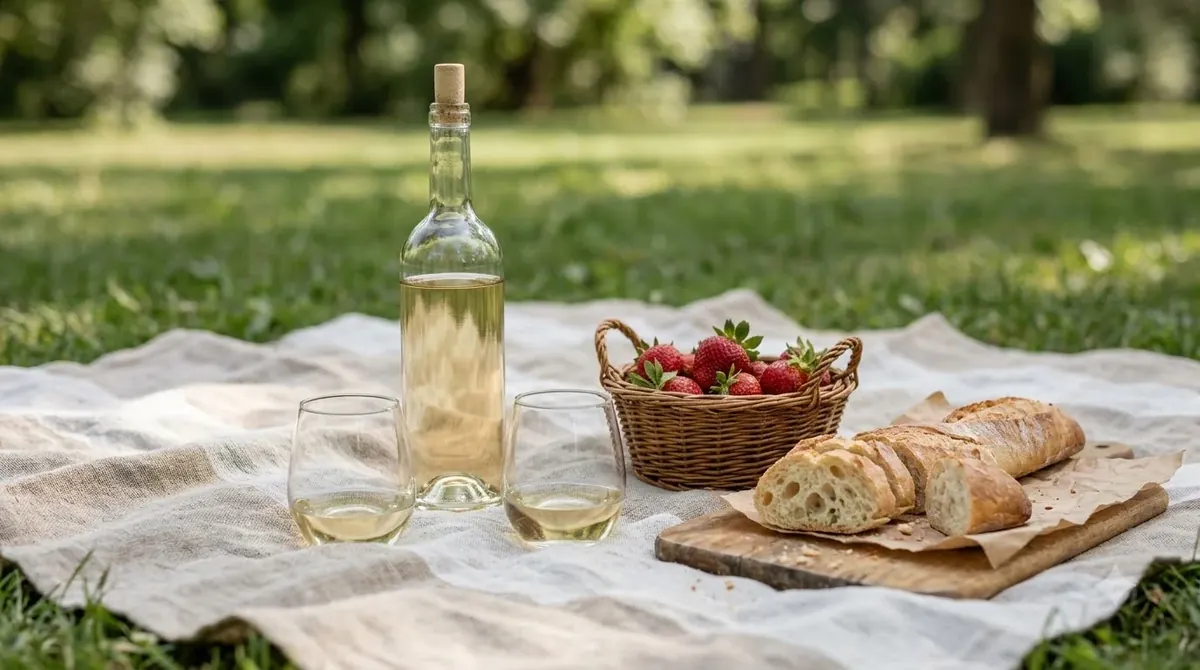
Serve the Chardonnay chilled, but not ice cold. Very cold white wine mutes the aroma and makes the body taste thinner, so take the bottle out of the fridge a few minutes before you pour. The Sauvignon Blanc is best a little colder than the Chardonnay because its freshness is part of its appeal.
The Bright Chardonnay and the Blanc are easy to serve at the same temperature. Pour them into a standard white wine glass and let the wine warm slightly in the glass as you drink it. You will notice more fruit and less sharpness once it is a few degrees above straight-from-the-fridge.
Glassware is a small detail that changes how a white wine tastes. A tulip-shaped glass concentrates the aroma, which helps Chardonnay show its fruit and oak character. A slightly wider glass lets a Sauvignon Blanc open up, although many people simply drink it from whatever glass is at hand, and that works well too.
White wine does not need long breathing time, so there is no need to decant. Re-cork any leftover wine and keep it in the fridge. A day or two later, the Sauvignon Blanc will still taste fresh, while a Chardonnay may start to lose some of its fruit.
Food Pairing for the Whites
A Chardonnay with body works well with roast chicken, pork loin with apples, and creamy pasta where the sauce has butter or cream. The wine’s weight matches rich food, and its acidity cuts through fat so the dish does not feel heavy. Grilled fish with a squeeze of lemon is another classic match.
The Sauvignon Blanc is the easier match for lighter food. It goes well with green salads, goat cheese, grilled shrimp and dishes that use fresh herbs such as basil or parsley. The Blanc fits casual meals, such as cheese boards and simple chicken dishes, where you want a wine that does not compete with the plate.
How to Choose a White From the Range
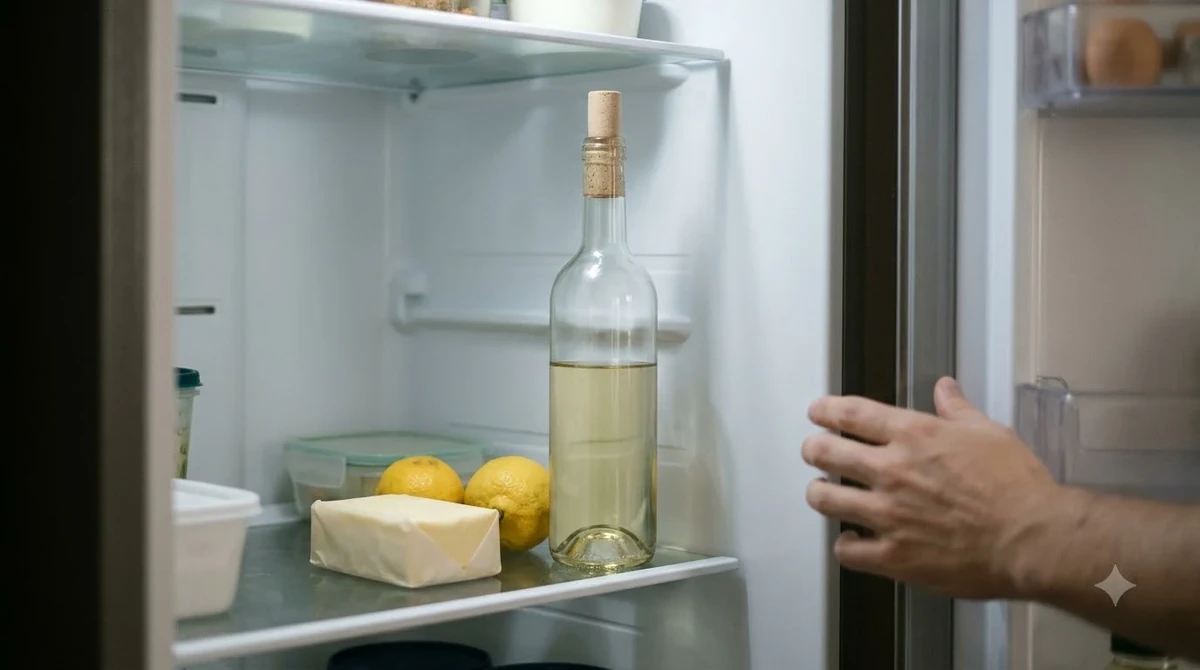
Choose by the meal first. If the dinner is rich and savory, the Chardonnay gives enough body to stand up to it. If the meal is light, the Sauvignon Blanc is a better fit. If you are buying for a group and do not know everyone’s taste, the Blanc is a flexible middle option that suits a wide range of guests.
Price is a practical question for many shoppers, but this guide does not list prices because they change by retailer and region. Compare the bottle size, the wine style and the meal you plan to serve, then decide whether the value fits your budget. A white you enjoy drinking often is usually a better buy than a bottle chosen only for its label.
If you want to compare a different tradition, the Aveleda wine guide covers a Portuguese producer with its own approach to white and red wine. Comparing styles from different countries helps you understand the texture and acidity you enjoy, which makes the next bottle easier to choose.
Frequently Asked Questions
What white wines does Meiomi make?
The brand’s website lists Chardonnay, Sauvignon Blanc and a white blend labeled Blanc, plus a lower-alcohol Bright Chardonnay. The white range sits alongside a larger group of red wines.
Is Meiomi Chardonnay a full-bodied white?
It is the richest white in the range in general terms, which is why it suits roast chicken and creamy sauces. The Bright Chardonnay is the lighter option if you want less alcohol and a lighter body.
What food goes with Meiomi Sauvignon Blanc?
Sauvignon Blanc works well with salads, goat cheese, shellfish and herb-driven dishes. Its fresh acidity makes it a good match for lighter courses.
How should I serve Meiomi white wine?
Chill it lightly, not ice cold, and pour it into a standard white wine glass. Let it warm a little in the glass so the fruit comes through more clearly.
Meiomi’s whites are an easy way to try the brand beyond its red wines. Keep a bottle chilled in the fridge for a few hours before a dinner, open it close to serving time, and let each glass warm slightly as the meal goes on, which gives the fruit room to show through. Pick the Chardonnay for rich meals, the Sauvignon Blanc for lighter ones, and the Antinori red wine guide if you want to compare a red with a different style once you know what you like.
More in Wine Brands
 Underwood Wine Price: Compare Bottles, Cans, and Pack SizesUpdated Nov 21, 2026
 Zenato Wine Price: Compare Styles and Choose the Right BottleUpdated Nov 21, 2026
 Zuccardi Wine Price: Compare Bottles and Find the Right RangeUpdated Nov 21, 2026
 Yellow Tail Moscato Review: Taste, Sweetness and Serving TipsUpdated Nov 21, 2026
 Wolf Blass Yellow Label Review: Choose Your Best StyleUpdated Nov 21, 2026
 Wolffer Estate Rose Review: Choose the Right Bottle for Your TableUpdated Nov 21, 2026