

We may earn a commission when you buy through links on this page, at no extra cost to you. Learn more.
Browne Family wine comes from Browne Family Vineyards, a winery founded by Andrew Browne as a tribute to his family and his late grandfather, William Bitner Browne. The brand sources its grapes from Washington and Oregon and pours from a set of tasting rooms in Washington state cities. Its flagship on the home page is the Bitner Estate, and the winery presents its wines as a family project built around one simple question.
This guide explains who makes Browne Family wine, where its grapes come from, how the brand presents itself, and how to choose and serve a bottle. Some details on the winery’s site are limited, so the sections below separate what the winery states from general notes on Pacific Northwest wine.
Who makes Browne Family wine
Browne Family Vineyards was founded by wine entrepreneur Andrew Browne. The winery describes the name as a tribute to his family and to his grandfather, William Bitner Browne, a lawyer, veteran and community volunteer. Andrew and his wife, Courtney, present the business as an extended family, and the brand’s guiding question is “What would Bitner do?”
The winery’s own About page does not give a founding year on the page, so check the current site or the label if you need that date. What the brand does state clearly is its goal: to “make great wines,” with the family’s name and values at the center of every release.
Where the grapes come from
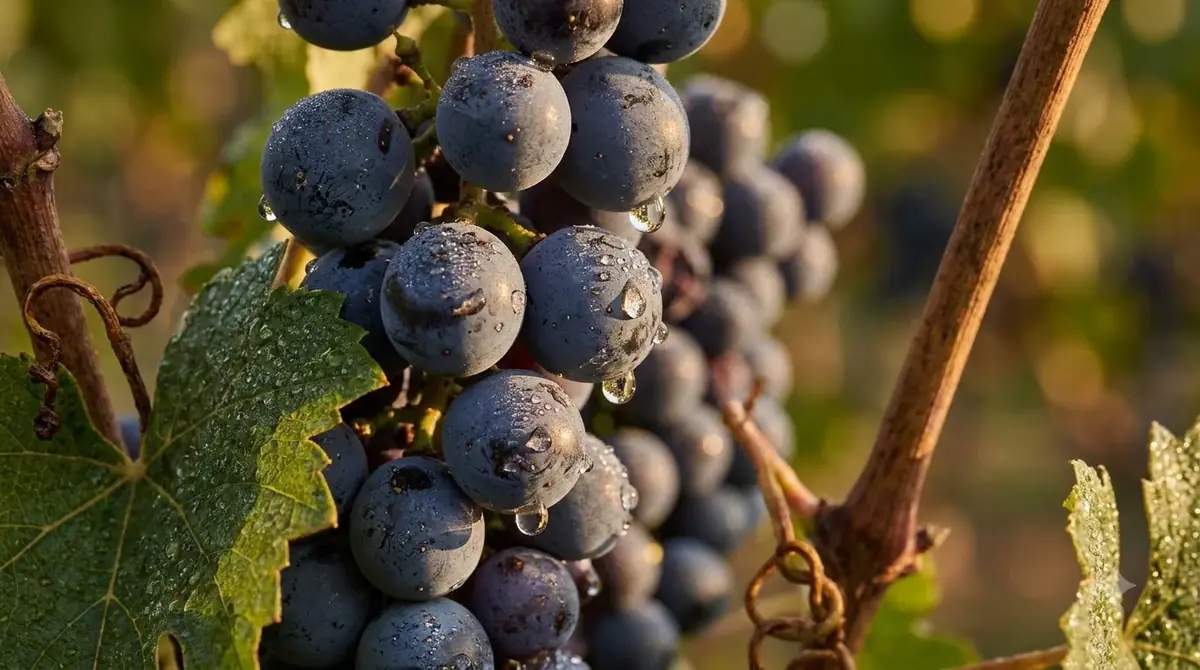
The home page says the family’s wines are sourced from Washington and Oregon. It does not name individual appellations on the page, so you will not find a specific growing area listed on the home page alone. For a wine from this region, the label usually carries the appellation, and that is the most reliable place to learn where a bottle was grown.
Washington and Oregon are both established wine states with large, varied growing regions. Washington includes a broad appellation in the eastern part of the state, along with smaller districts, while Oregon is known for cool-climate reds. A winery that sources from both states may use grapes from different districts, so the regional name on each label tells you more than the brand name alone.
Where to taste
The winery lists tasting rooms in several Washington cities. Visiting in person is the best way to try the range before buying a case, and the staff can explain which bottles suit your taste. Check hours before you go, because tasting-room schedules change.
| Location | Type | Good for |
|---|---|---|
| Bellevue | Tasting room | Trying the range close to the Eastside |
| Seattle | Tasting room | A city stop with an easy tasting |
| Spokane | Tasting room | Eastern Washington visitors |
| Tacoma | Tasting room | South Sound visits |
| Trolley House | Tasting room | A casual stop on a longer trip |
| Walla Walla | Tasting room | Pairing a tasting with a wine-country visit |
A tasting room visit also helps with a practical question: which style you like. Ask staff to pour a red and a white side by side, and note the fruit, oak and acidity. That gives you a clearer picture than a single label read at home.
The Bitner Estate and the home-page lineup
The home page highlights the Bitner Estate and links to a shop section that promotes wines the winery describes as scoring 90 points or higher. Ratings like these come from individual critics, so treat them as one input rather than a final verdict. Scores vary by vintage and by tasting panel, and a wine that scores well in one year may taste different in another.
The home page does not list varietals on the page, and an image file name refers to a Columbia red blend. Read the label for the grape or blend, the vintage and the appellation before you buy. If a label is unclear, the winery’s site or a retailer’s product page usually gives the full details.
How to serve and pair a Browne Family red
Most red wines from the Pacific Northwest show best when served slightly below room temperature rather than warm from a sunny kitchen counter. Open a young red about 30 minutes before pouring, and taste it as it warms in the glass. Use a wide-bowled glass so the aromas gather near the rim.
For food, match the weight of the wine to the weight of the dish. A medium-bodied red pairs well with roast chicken, grilled vegetables and mushroom pasta. A fuller red suits braised beef, lamb chops and aged cheeses. Keep the pairing simple, and let the wine’s acidity and fruit guide your choice.
How to choose a bottle
Start with the label. Check the vintage, the appellation, the grape or blend, and any notes on the winemaker’s approach. Then decide what you want from the bottle: an everyday red for weeknight dinners, a gift bottle for a host, or a wine to lay down for a few years.
If you are comparing brands, the wine brands guide explains how producers differ in style and approach. For a different region’s red to compare with, you can also read about Austin Hope red wine from California. Use the same checklist on any new label: vintage, region, grape, and a tasting note you trust.
The family story matters here because it shapes the brand’s tone. Browne Family Vineyards presents itself as a family project rather than a corporate label, and that carries into the tasting rooms and the website. A brand built around a personal guiding question tends to aim for consistency across the range, so it is reasonable to expect a recognizable house style from one bottle to the next, even as individual vintages change with the weather.
Washington and Oregon offer very different growing conditions. Washington’s inland vineyards get a lot of sun and wide swings between day and night temperatures, which many winemakers use to build ripe fruit with firm structure. Oregon’s cooler, wetter climate is known for lighter reds and more restrained fruit. When a winery sources from both states, the bottles can differ noticeably, so the state and district on each label is the most useful clue for predicting what you will taste.
If you are buying a gift, consider whether the recipient prefers a Washington style or an Oregon style. A fuller, fruit-forward Washington red can suit someone who likes richer wines, while an Oregon bottle often appeals to people who enjoy a leaner, more savory glass. Those are broad patterns rather than rules, and the label and the staff’s notes will help you pick the right bottle.
Buying direct is another option once you have found a favorite. Wineries often keep their core lines available through their own websites and tasting rooms, and buying direct lets you ask questions about vintages and storage. Keep bottles in a cool, dark place away from heat and light, and drink younger bottles within a few years for the freshest fruit.
Frequently Asked Questions
Who founded Browne Family Vineyards?
Andrew Browne founded the winery, which he presents as a tribute to his family and his grandfather, William Bitner Browne. He runs it with his wife, Courtney.
Where do Browne Family grapes come from?
The winery says its wines are sourced from Washington and Oregon. The home page does not name specific appellations, so check the label for the district on the bottle you buy.
What is the Bitner Estate?
The Bitner Estate is the wine the home page highlights first, and the name ties back to the founder’s grandfather. The label is the best source for the grape or blend and the vintage.
Can you taste Browne Family wine before buying?
Yes, the winery lists tasting rooms in Bellevue, Seattle, Spokane, Tacoma, Trolley House and Walla Walla. Check current hours before visiting, since schedules change.
Browne Family wine is easiest to choose once you know the family behind it and the region on the label. Read the bottle, try a tasting if you can, and pick the style that fits your meal.
More in Wine Brands
 Underwood Wine Price: Compare Bottles, Cans, and Pack SizesUpdated Nov 21, 2026
 Zenato Wine Price: Compare Styles and Choose the Right BottleUpdated Nov 21, 2026
 Zuccardi Wine Price: Compare Bottles and Find the Right RangeUpdated Nov 21, 2026
 Yellow Tail Moscato Review: Taste, Sweetness and Serving TipsUpdated Nov 21, 2026
 Wolf Blass Yellow Label Review: Choose Your Best StyleUpdated Nov 21, 2026
 Wolffer Estate Rose Review: Choose the Right Bottle for Your TableUpdated Nov 21, 2026